Introduction: The Rise of a Digital Sport
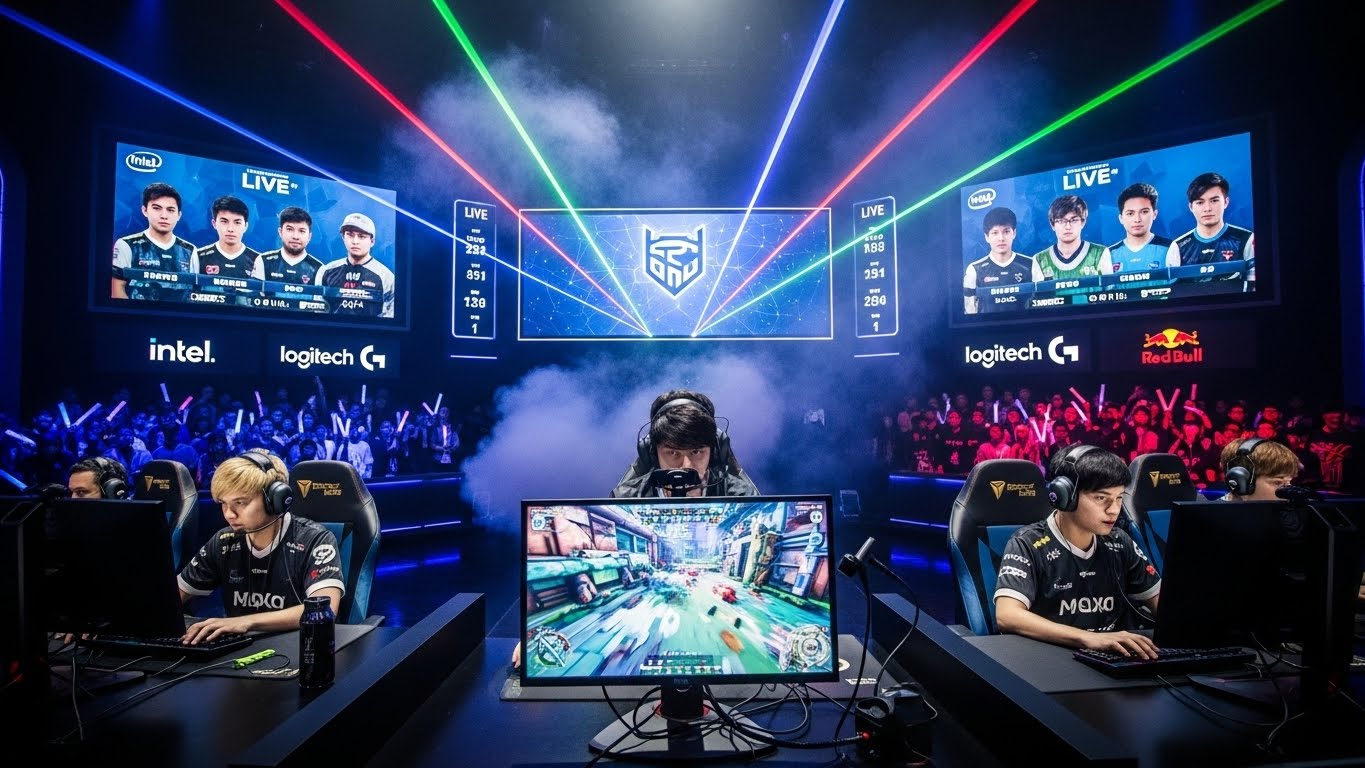
In the last two decades, the world of sports and entertainment has undergone a remarkable transformation. Traditional sports continue to captivate millions, but a new form of competition has emerged—esports. What began as casual gaming among friends has evolved into a global phenomenon, where professional players, massive audiences, and billion-dollar tournaments dominate the landscape.
Esports, short for electronic sports, involves organized, competitive video gaming. It spans multiple genres, including strategy, first-person shooters, and multiplayer online battle arenas. The growth of esports has redefined what it means to be an athlete and what it means to compete, blending technology, entertainment, and professional gaming into one dynamic ecosystem.
The Early Days of Competitive Gaming
The origins of esports date back to the 1970s, when video games were just emerging as a form of entertainment. One of the first organized competitions took place at Stanford University in 1972, featuring the game “Spacewar.” The winner received a modest prize, yet this event marked the beginning of formal competitive gaming.
Throughout the 1980s and 1990s, arcades became social hubs for gamers, and titles like “Pac-Man,” “Donkey Kong,” and “Street Fighter” gained immense popularity. Local competitions emerged, celebrating high scores and player skill. Home consoles and personal computers made gaming more accessible, enabling players to connect and compete across cities and countries.
The real turning point came with the internet. Online multiplayer games like “StarCraft” and “Counter-Strike” allowed players from around the world to compete in real time, creating global communities and paving the way for professional esports leagues. South Korea was a key pioneer, establishing televised competitions and professional gaming leagues that elevated players to celebrity status.
The Explosion of Esports in the 21st Century
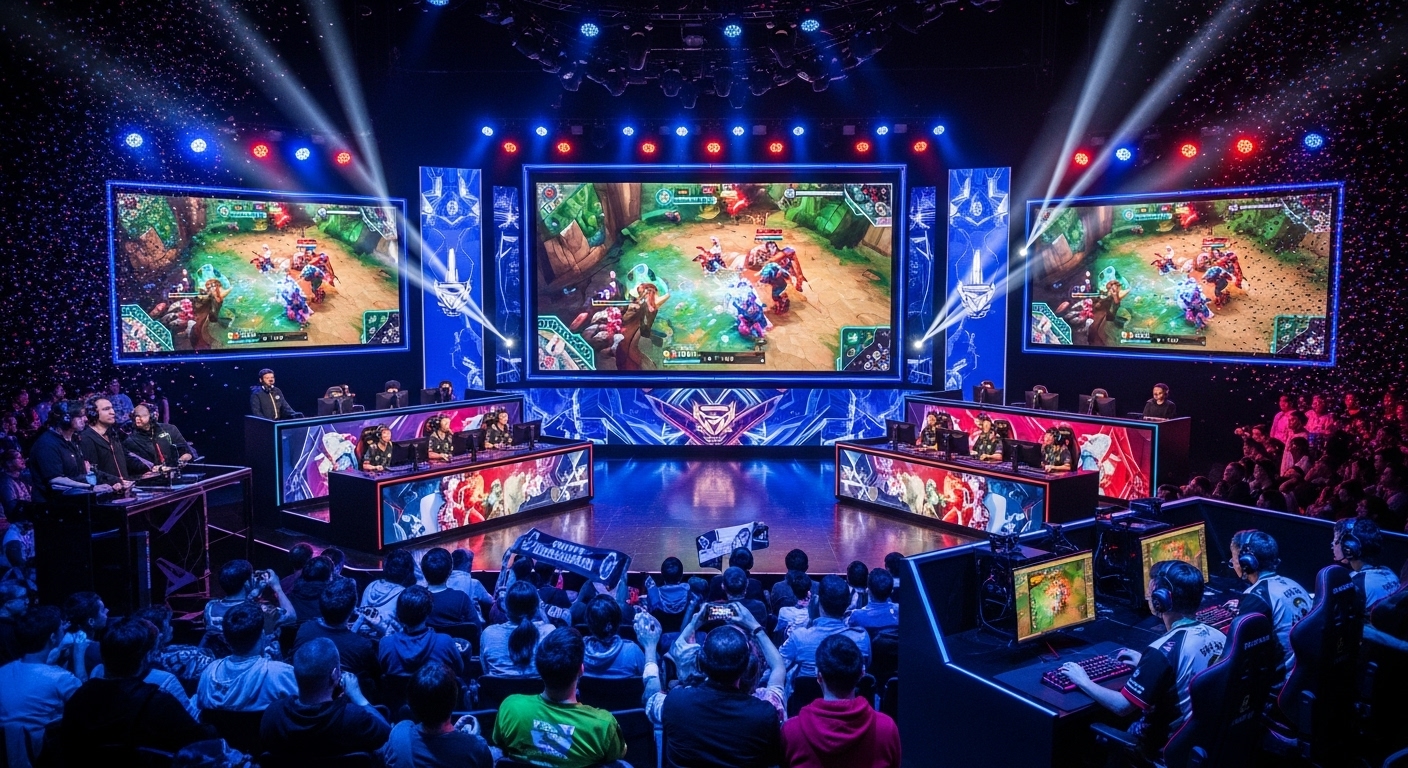
The 2010s marked a golden era for esports. Streaming platforms such as Twitch and YouTube Gaming allowed fans to watch competitions live and interact with players and other viewers in real time. This accessibility helped esports gain mainstream recognition and attract audiences comparable to traditional sports events.
Games like “League of Legends,” “Dota 2,” “Overwatch,” and “Fortnite” became global sensations, each developing professional leagues and international tournaments. Prize pools soared, with some competitions offering millions of dollars in rewards. Sponsors from a wide range of industries recognized the value of esports, investing heavily and solidifying its position as a major business sector.
Today, esports is a global phenomenon. Asia, particularly South Korea, China, and Japan, leads in competitive infrastructure and audience size. North America and Europe have established professional leagues and esports academies, while emerging regions in South America, Africa, and the Middle East are experiencing rapid growth.
Players and Teams: The Faces of Esports
Professional players are at the core of esports. They dedicate hours daily to training, mastering mechanics, and refining strategies. Players are supported by coaches, analysts, and health professionals who focus on both mental and physical well-being to ensure peak performance.
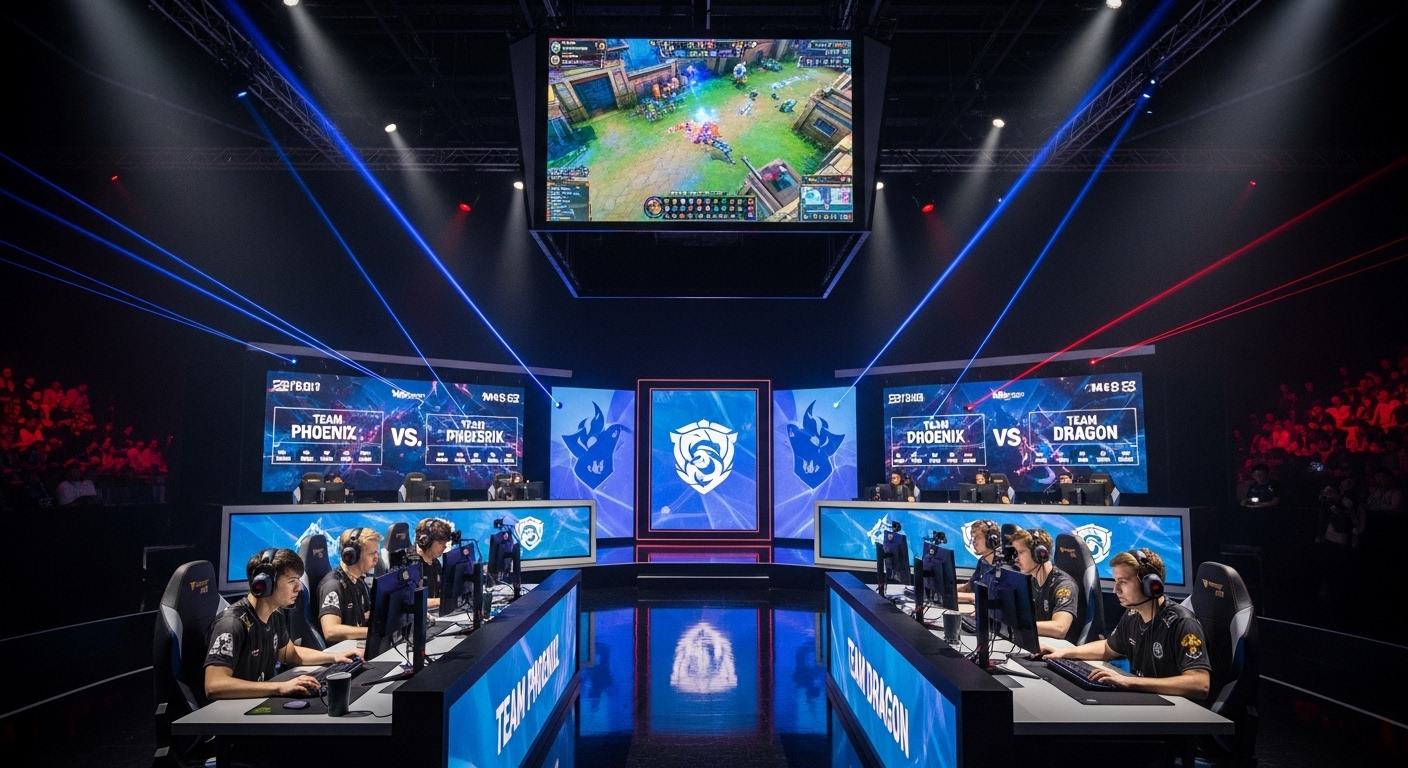
Teams compete in structured leagues and international tournaments. Organizations such as Cloud9, FaZe Clan, and T1 have become household names, drawing millions of fans worldwide. Teams not only compete but also create content, engage audiences on social media, and develop merchandise and branding that extend beyond the game itself.
Fans are equally vital. They watch live streams, attend events, and engage in online communities. The direct interaction between players and fans fosters loyalty and creates a unique culture around esports that traditional sports often cannot replicate.
Technology: The Engine Behind Esports
The growth of esports is driven by technology. High-speed internet, powerful gaming hardware, and professional-grade peripherals allow for smooth, competitive gameplay. Streaming platforms provide millions of viewers access to live competitions, while developers continuously update games to maintain balance and engagement.
Emerging technologies like virtual reality, augmented reality, and artificial intelligence are reshaping esports. Virtual reality can create immersive viewing experiences, making spectators feel as though they are inside the game. Artificial intelligence helps teams analyze gameplay, develop strategies, and enhance training. 5G connectivity promises low-latency experiences, further improving both gameplay and live streaming quality.
Innovation from developers also plays a crucial role. Frequent game updates, new content, and balancing adjustments keep competitions exciting, preventing stagnation and sustaining long-term engagement.
The Economic Impact of Esports
Esports has grown into a multi-billion-dollar industry. Revenue streams include sponsorships, advertising, media rights, ticket sales, and merchandise. Brands see esports as an opportunity to connect with digitally engaged audiences, making it a prime marketing channel.
Cities are investing in esports events due to the tourism and international attention they bring. Educational institutions are also taking notice, offering scholarships, specialized programs, and degrees in esports management, game design, and digital media.
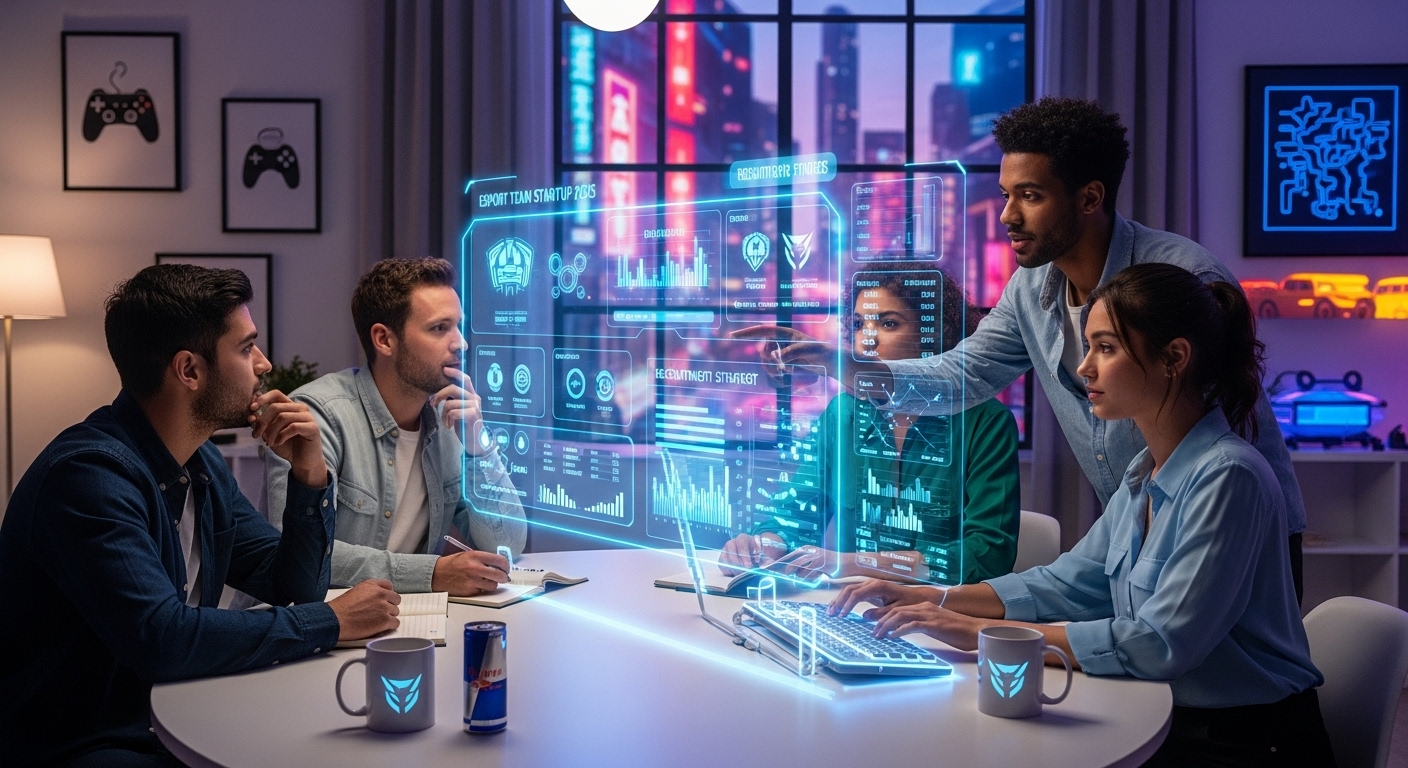
Beyond competitive gaming, esports has created jobs across numerous fields. Commentators, video editors, marketers, event organizers, designers, and analysts all contribute to the thriving ecosystem. This economic impact underscores esports as more than a hobby—it is a fully developed industry with global influence.
Cultural Influence and Social Impact
Esports is a cultural phenomenon that extends far beyond gaming. It reflects the digital age, emphasizing inclusivity, connectivity, and innovation. Players from diverse backgrounds can compete on an equal playing field, and fans from across the world unite over a shared passion.
Esports has influenced music, fashion, and entertainment. Professional players feature in advertisements, television, and pop culture collaborations, while fan conventions, cosplay events, and online communities foster creativity and interaction. Esports has created a sense of belonging and identity, making it a lifestyle as much as a form of competition.
Socially, esports promotes connection and community. Online platforms, discussion forums, and live-stream interactions enable fans to participate actively, creating spaces for collaboration, discussion, and celebration. This social element strengthens the cultural relevance of esports and its appeal to younger generations.
Challenges Facing Esports
Despite its success, esports faces challenges. Player burnout, physical strain, and mental health concerns are common due to long hours of training and high-pressure competition. The industry is still developing standards for player welfare, contracts, and labor practices.
Integrity is another concern. Cheating, match-fixing, and toxic behavior threaten the credibility of competitive gaming. Developers and tournament organizers continuously implement safeguards and enforce rules to maintain fairness.
Diversity and inclusivity also need improvement. Women and underrepresented groups often face barriers to participation. Promoting a safe and welcoming environment is essential for the long-term growth and sustainability of esports.
Esports and Education: Building Future Talent
Educational institutions increasingly recognize esports as a legitimate field for skill development. Schools and universities are offering programs in esports management, content creation, and digital media. Competitive gaming teaches problem-solving, strategy, teamwork, and leadership, preparing students for careers in a growing industry.
Esports academies provide structured training, covering gameplay skills, broadcasting, marketing, and professional development. These programs help young players transition from casual gaming to professional careers, creating pathways for talent development and career opportunities.
The Future of Esports
The future of esports is bright. Technological advancements, increasing recognition, and investment suggest continued growth. Traditional sports organizations are entering esports, creating partnerships and investing in teams. Broadcast networks now feature esports alongside traditional sporting events, demonstrating its mainstream appeal.
Virtual and augmented reality, AI analytics, and blockchain technologies are expected to further enhance gameplay and audience experience. As society becomes increasingly digital, esports will remain a central form of entertainment, community engagement, and professional opportunity.
Conclusion: Esports as a Defining Force
Esports is more than a passing trend; it is a defining feature of modern culture. It combines skill, creativity, strategy, and technology to create a form of competition that resonates globally. From humble beginnings in arcades to stadium-filling tournaments broadcast worldwide, esports has transformed how people play, watch, and engage with games.
It represents the future of competition, blending entertainment, community, and career opportunities. As technology and global audiences evolve, esports will continue to shape culture, inspire innovation, and redefine the meaning of competition in the digital age.