Introduction
Esports, or competitive gaming, has grown from a niche hobby into a global phenomenon. What was once considered simply playing video games for fun has transformed into a professional industry, attracting millions of fans, players, and sponsors worldwide. With organized tournaments, professional teams, and large prize pools, esports has firmly established itself as a legitimate form of competition and entertainment.
The Rise of Esports
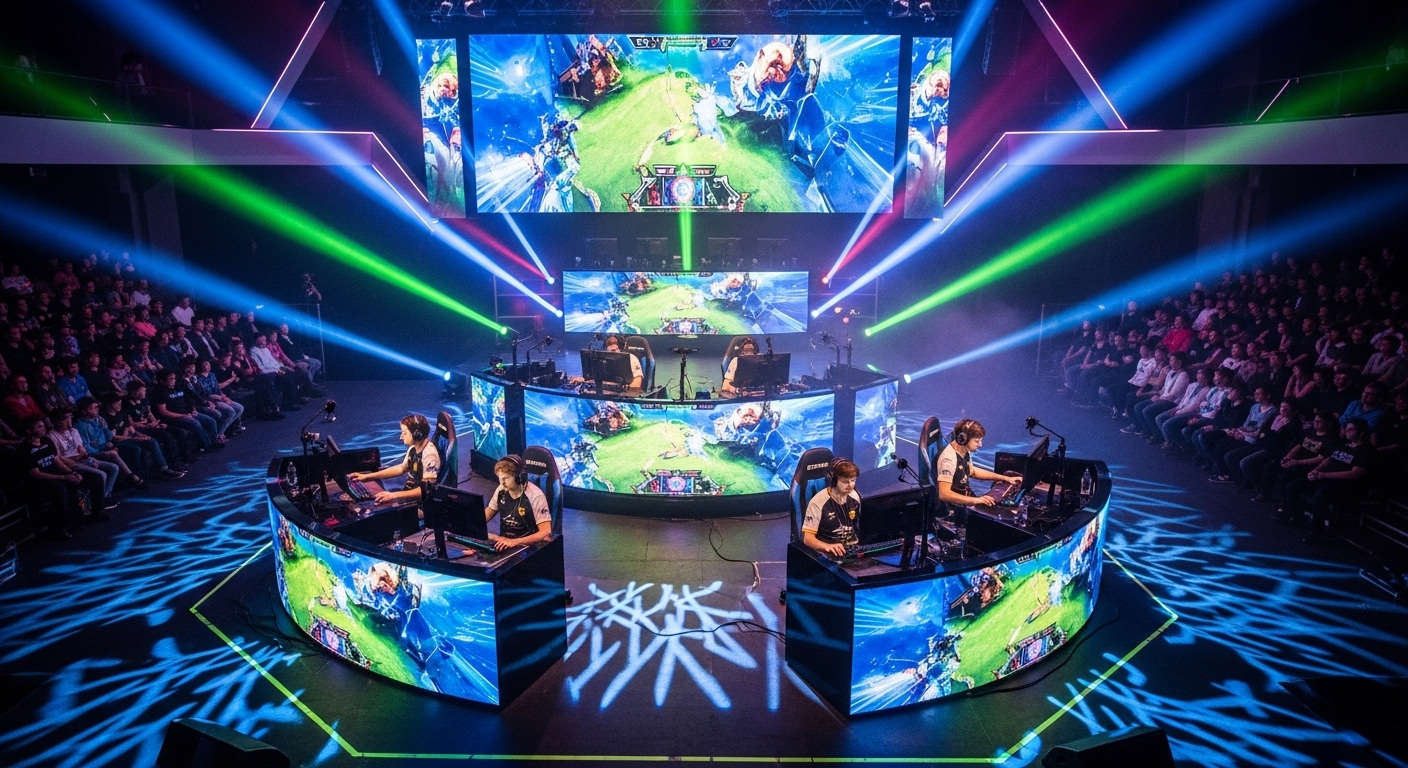
The journey of esports began with small gaming competitions among friends, gradually evolving into large-scale tournaments streamed to audiences around the world. Popular games like League of Legends, Dota 2, Counter-Strike, and Fortnite have created entire ecosystems of players, coaches, and fans. Today, esports tournaments rival traditional sports events in both scale and excitement, proving that digital competition has a universal appeal.
Professional Careers in Esports
Esports offers a variety of career opportunities beyond just playing professionally. Players can become coaches, analysts, streamers, content creators, or event organizers. Professional gamers dedicate hours to training, strategy, and teamwork, much like athletes in conventional sports. With the right skills and dedication, esports can provide recognition, financial rewards, and long-term career growth.
Major Tournaments and Competitive Events
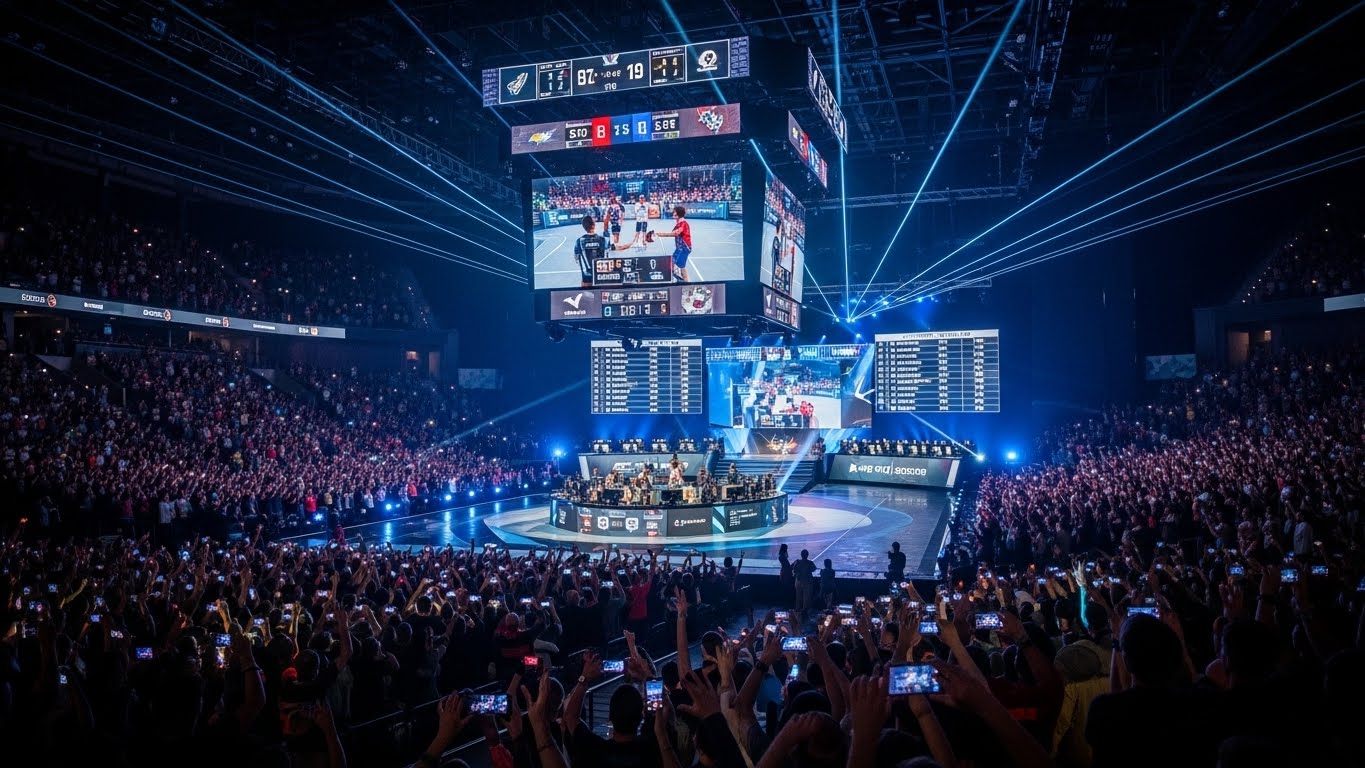
Tournaments have become a cornerstone of the esports industry. Events such as The International, the League of Legends World Championship, and the Fortnite World Cup showcase the highest level of skill and strategy. These competitions are often live-streamed to millions of viewers, creating an immersive experience with commentary, analysis, and real-time engagement that rivals any traditional sporting event.
Cultural and Social Impact
Esports has influenced modern culture in many ways. It has inspired fashion trends, music collaborations, and even educational programs focused on gaming and strategy. Universities now offer esports scholarships, and schools are incorporating competitive gaming into extracurricular programs. This cultural shift demonstrates that esports is not just entertainment—it is a part of the social fabric of today’s digital generation.
Challenges in the Esports Industry
Despite its rapid growth, esports faces significant challenges. Professional players often deal with burnout, stress, and mental health issues due to the intense competition and long hours. Inclusivity and fair play remain ongoing concerns, with the industry continually evolving to create a safer and more equitable environment.
The Future of Esports
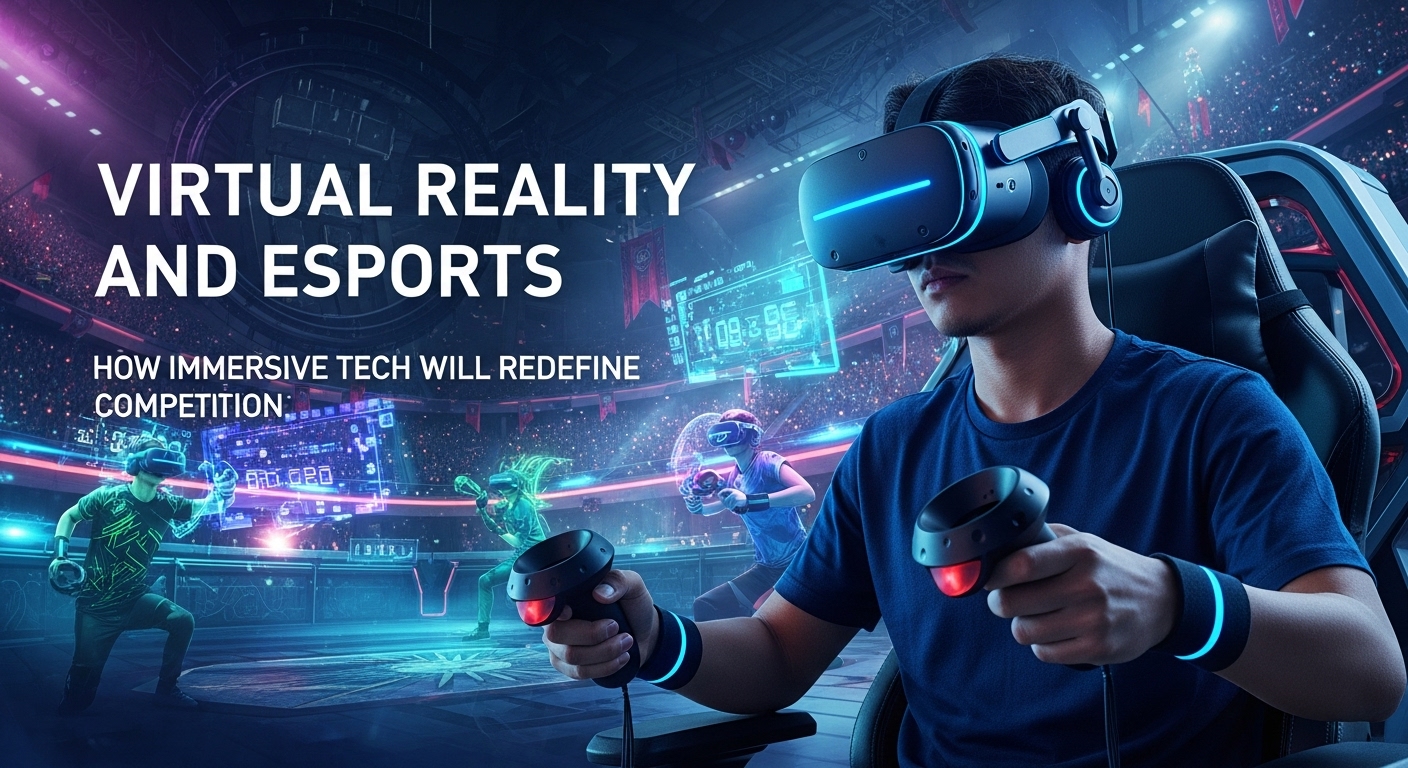
The future of esports is promising, driven by technological innovation and growing popularity. Virtual reality, mobile gaming, and improved streaming technology are expanding the reach and accessibility of esports. As esports continues to gain mainstream recognition, it is reshaping how people perceive competition, sports, and entertainment in the modern era.
Conclusion
Esports has grown far beyond its origins as a casual pastime. It is now a global industry with professional careers, massive tournaments, and cultural influence. As technology advances and communities expand, esports will continue to redefine competition, proving that the world of gaming is as serious, exciting, and influential as any traditional sport.