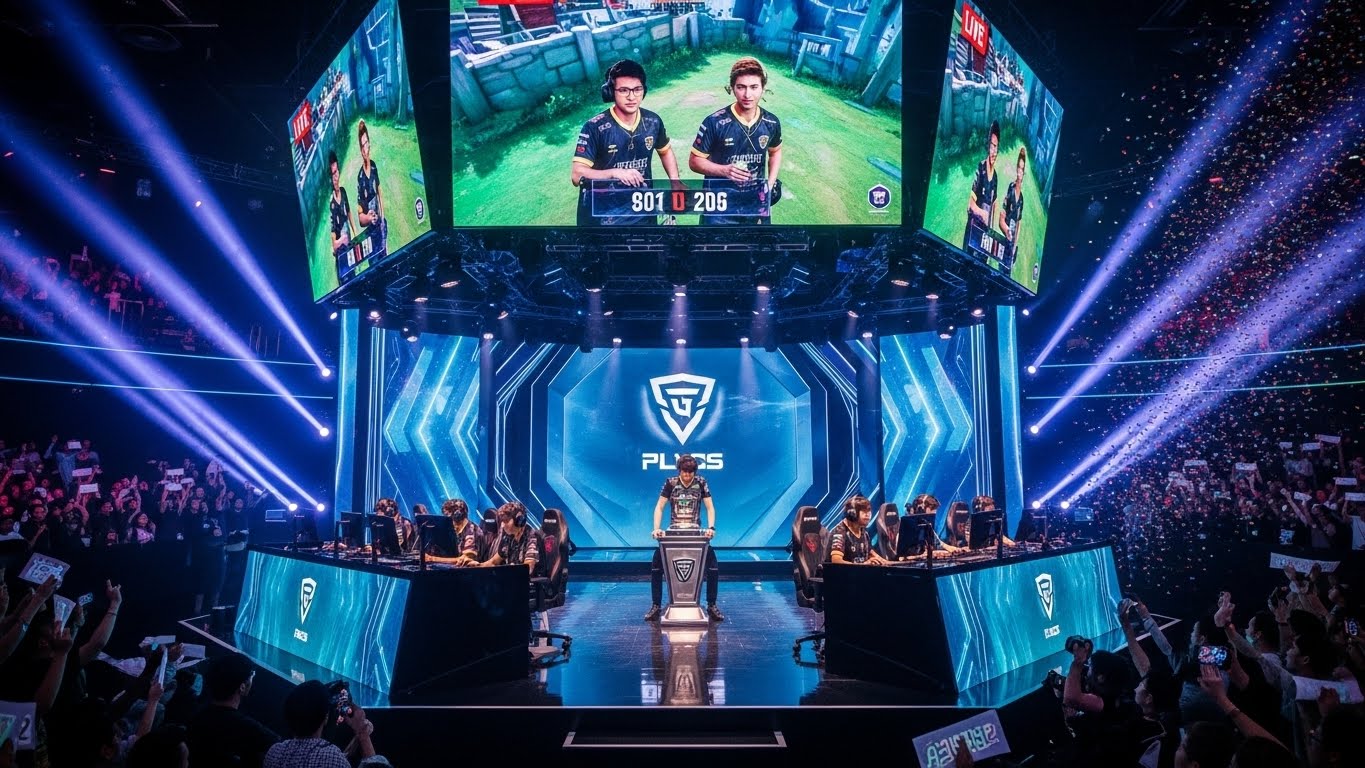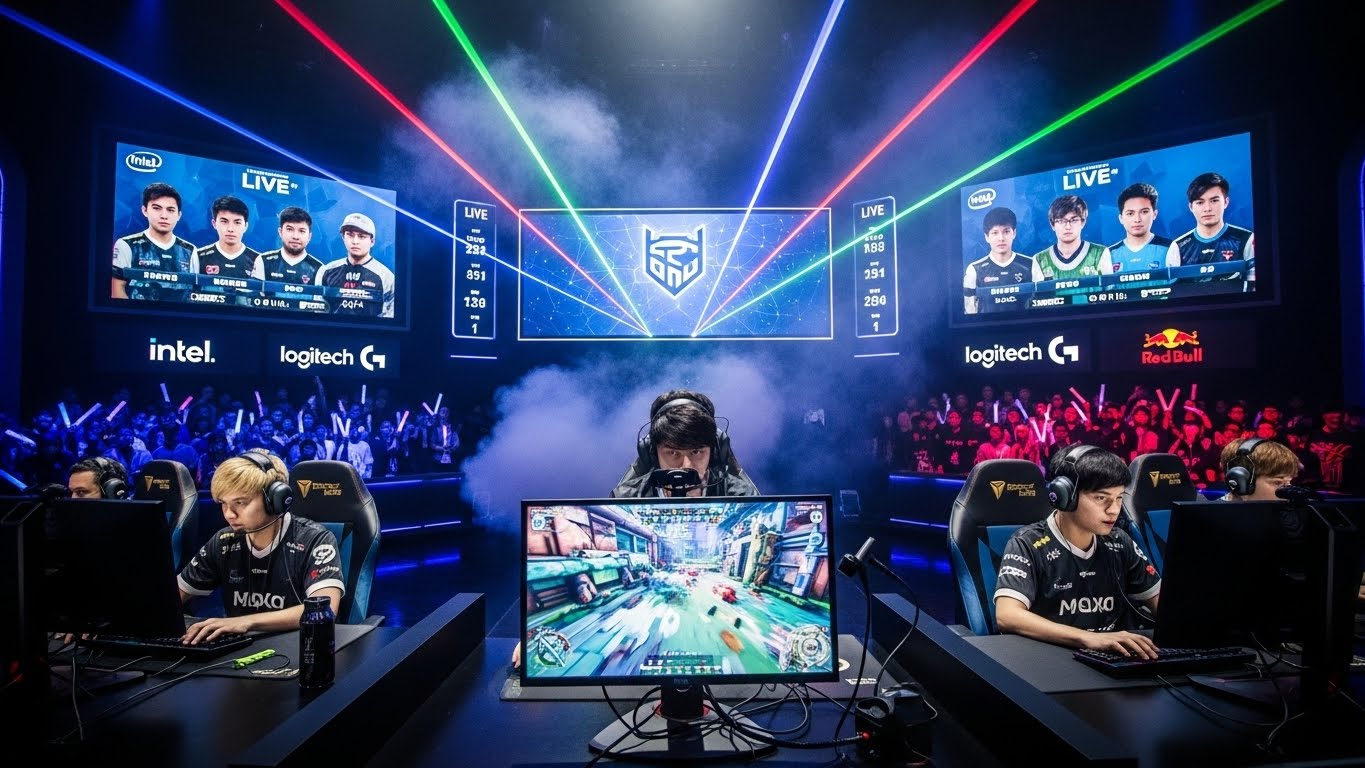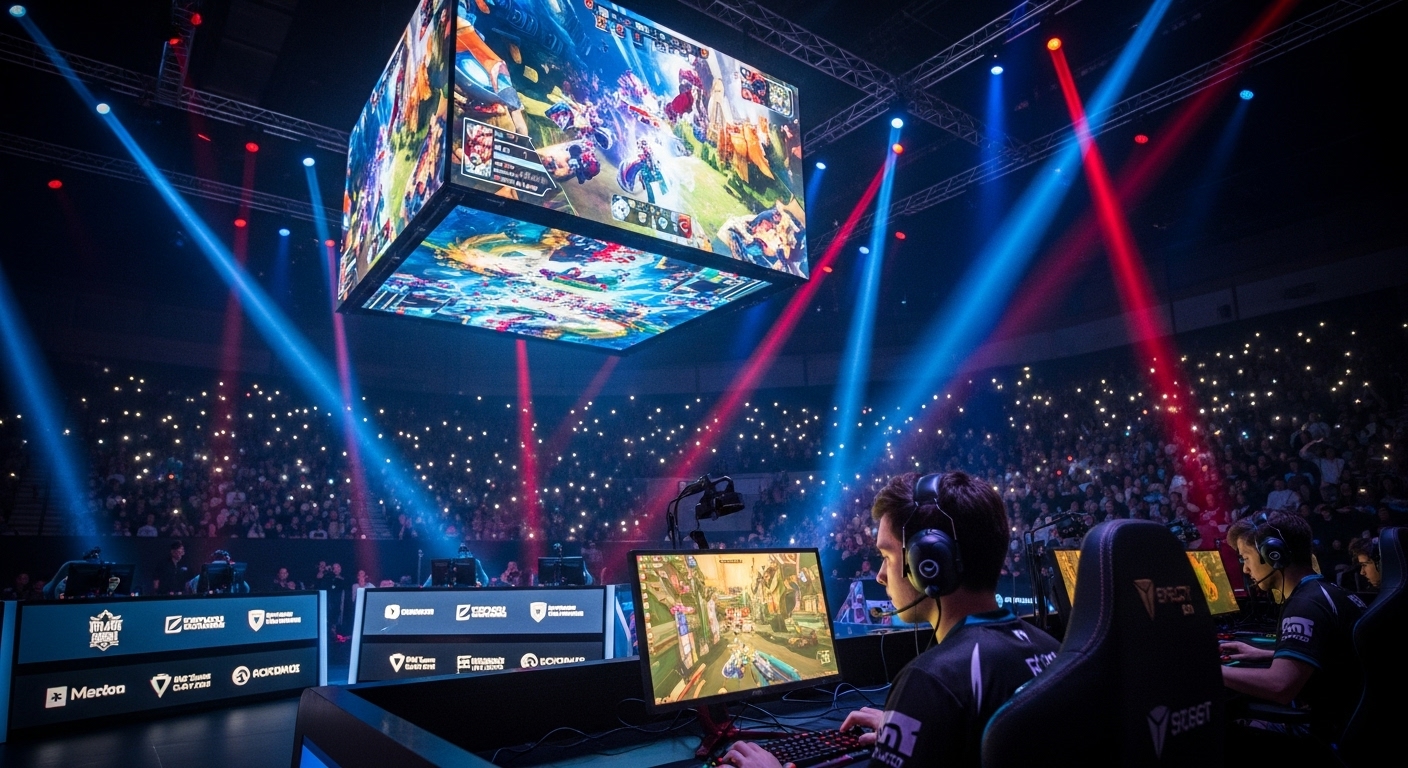
The world of esports has grown into a global phenomenon, transforming passionate gamers into international celebrities. Once considered a niche hobby, competitive gaming has evolved into a professional industry worth billions of dollars, complete with sponsorships, global tournaments, and massive fan followings. As a result, esports athletes—players who compete at the highest levels—are no longer just gamers; they are public figures with all the attention, pressure, and challenges that come with fame.
But unlike traditional sports stars who have decades of cultural framework and support systems, esports athletes often have to navigate fame in a rapidly evolving, digital-first environment. Managing fame while maintaining peak performance is no easy task. In this blog, we’ll explore how esports athletes manage fame, balance their personal and professional lives, and cope with the unique pressures that come with being in the spotlight.
The Rise of Esports Stardom
Esports has exploded in popularity over the past decade. Games like League of Legends, Fortnite, Counter-Strike 2, Valorant, Dota 2, and Call of Duty have created professional leagues, international tournaments, and fanbases comparable to traditional sports. Top players such as Faker, Bugha, s1mple, TenZ, and Ninja have become household names, attracting millions of followers on social media.
Streaming platforms and content creation have played a huge role in this rise. Unlike traditional athletes who only connect with fans during games or interviews, esports players often interact daily through live streams, social media, and YouTube videos. This constant visibility brings fame quickly—but also intensifies the scrutiny they face.
As the line between competition and entertainment blurs, managing fame has become as important as managing in-game performance.
The Challenges of Sudden Fame
Many esports athletes experience fame almost overnight. A single tournament win, viral clip, or major signing can propel a player from anonymity to global recognition. For young players—often teenagers—this rapid shift can be overwhelming.
The challenges include:
- Loss of Privacy: Once a player becomes famous, every action, word, and decision can be analyzed by fans, media, and critics.
- Social Media Pressure: Online platforms can be both a blessing and a curse. Praise can turn into harassment or criticism instantly.
- Mental and Emotional Stress: Constant exposure to opinions and expectations can lead to anxiety, burnout, and self-doubt.
- Balancing Fame and Focus: Being a celebrity while trying to stay at the top of your competitive game is mentally exhausting.
For many, the fame arrives before they are emotionally or professionally prepared to handle it. Esports organizations and agents now recognize this and are beginning to offer media training, mental health support, and social media guidance to their players.
Building a Support System
Behind every successful esports athlete is a strong support system. Whether it’s family, friends, coaches, or teammates, having people who ground them in reality is crucial.
Many top players rely on these core groups to stay balanced:
- Family: Especially for younger players, family support helps keep fame in perspective. Parents often manage finances, schedules, and help maintain normalcy.
- Teams and Coaches: Esports organizations increasingly employ psychologists, nutritionists, and performance coaches to ensure holistic player development.
- Management Agencies: Agents help handle sponsorships, interviews, and branding—allowing players to focus on competition without being overwhelmed by business demands.
- Friends and Peers: Fellow gamers and long-time friends act as emotional anchors, helping players separate their real lives from their public personas.
This network helps players navigate fame without losing sight of who they are outside of the screen.
Controlling the Narrative: Managing Public Image
In esports, reputation is everything. A single misstep online can damage a player’s image instantly. Many esports athletes have learned the importance of controlling their narrative through careful public communication.
Top players often:
- Maintain Professionalism Online: They avoid unnecessary drama and engage positively with fans.
- Share Behind-the-Scenes Content: By showing their training routines or personal struggles, they humanize themselves, earning respect and empathy.
- Collaborate with PR Teams: Professional media management ensures that their statements and appearances align with their brand.
Players like Faker from League of Legends have mastered this balance. Known for his humility and focus, Faker rarely engages in controversies and lets his gameplay speak for itself. His controlled and disciplined public image has made him one of the most respected figures in esports history.
Social Media: A Double-Edged Sword
Social media is the beating heart of modern esports fame. Platforms like Twitter, TikTok, Instagram, and Twitch allow athletes to reach millions directly. However, it also exposes them to negativity and constant comparison.
Managing social media effectively is one of the biggest skills modern esports athletes need to develop.
How they manage it:
- Setting Boundaries: Many players limit their online interactions or take breaks during tournaments.
- Delegating Control: Some players hire social media managers to handle posts and filter toxic comments.
- Staying Authentic: Genuine interactions build loyal communities and prevent burnout from pretending to be someone they’re not.
- Ignoring Negativity: Learning to tune out hate is crucial. As one pro player once said, “You can’t perform your best if you’re performing for the haters.”
Some athletes have even turned social media pressure into motivation—using it to fuel their focus and prove doubters wrong.
Mental Health and the Pressure of Fame
The mental toll of fame in esports is real and often underestimated. Unlike traditional sports, esports athletes deal with high-performance expectations in front of a global online audience. A single mistake during a streamed match can lead to thousands of negative comments within minutes.
This environment can create immense psychological pressure. Issues like anxiety, depression, burnout, and imposter syndrome are increasingly common in the esports scene.
To manage these challenges, many organizations have introduced mental health initiatives. These include:
- Sports Psychologists: Helping players cope with stress and maintain focus.
- Mindfulness and Meditation Training: Teaching athletes how to stay calm during intense competition.
- Scheduled Breaks: Encouraging players to rest between tournaments to avoid burnout.
- Mental Health Awareness Campaigns: Destigmatizing emotional struggles and promoting open conversations.
Some players also share their experiences publicly, which helps normalize discussions about mental health in gaming culture. This openness not only helps others but strengthens their connection with fans.
Balancing Competition and Celebrity
Being an esports athlete means living two lives—one as a competitor and another as a public figure. Balancing these roles requires careful time management and self-awareness.
Most players have daily routines that revolve around training, scrims (practice matches), and strategy sessions. But they must also make time for sponsor obligations, interviews, photo shoots, and fan interactions.
The key is structure. Successful players create disciplined schedules that ensure both competitive focus and public engagement. For example:
- Dedicated Streaming Hours: Maintaining a personal connection with fans while keeping training separate.
- Content Creation Days: Recording YouTube or TikTok content without interrupting practice.
- Rest and Recovery: Prioritizing physical and mental breaks to avoid exhaustion.
Those who manage this balance effectively often have longer careers. Players like Bugha and TenZ are great examples—they maintain their gameplay excellence while nurturing their personal brands responsibly.
The Role of Esports Organizations
Modern esports organizations understand that managing fame is part of their job. Top teams like Team Liquid, T1, Cloud9, and Fnatic invest heavily in player development beyond gameplay.
They offer:
- Media Training Programs: Teaching players how to handle interviews, controversies, and online criticism.
- Content Creation Support: Helping players grow their brands professionally.
- Health and Lifestyle Programs: Ensuring proper diet, exercise, and mental well-being.
- Public Relations Management: Handling communication and crisis situations smoothly.
This professional structure ensures that fame doesn’t overwhelm players or distract them from their careers.
Dealing with Fan Expectations
Fame brings admiration, but it also brings expectations. Fans often idolize players and expect them to perform flawlessly, stay active online, and always be positive. Managing these expectations requires emotional maturity.
Many esports athletes adopt the philosophy of gratitude and humility. They understand that fans are the reason for their success but also recognize the importance of setting boundaries.
Some ways they handle fan pressure include:
- Honesty: Sharing when they need rest or time off.
- Engagement with Limits: Responding to fans while avoiding overexposure.
- Transparency about Struggles: Being open about challenges fosters understanding and respect.
Fans today appreciate authenticity more than perfection. Esports players who embrace this often build deeper, more genuine fan relationships.
Financial Fame: Managing Success Wisely
Fame in esports often comes with financial rewards—tournament winnings, sponsorships, and streaming revenue. However, managing sudden wealth can be just as challenging as handling public attention.
Many young players receive life-changing sums of money early in their careers. Without proper guidance, financial mismanagement can lead to long-term issues.
Professional players now take proactive steps, such as:
- Hiring Financial Advisors: To plan investments and taxes responsibly.
- Saving for the Future: Recognizing that esports careers are often shorter than traditional ones.
- Diversifying Income: Through brand deals, merchandise, and content creation.
- Avoiding Overspending: Staying grounded despite fame and fortune.
The smartest athletes view their fame as a temporary opportunity to secure long-term stability.
Staying Grounded: The Human Side of Fame
At the heart of it all, the best way esports athletes manage fame is by staying grounded. Despite global recognition, they remember why they started—love for gaming.
Many top players emphasize maintaining hobbies outside of esports, spending time with family, or engaging in charity work to keep perspective. They remind themselves that fame is fleeting, but character and passion endure.
The healthiest esports athletes treat fame as a byproduct, not the goal. They focus on improvement, teamwork, and personal growth—values that help them remain humble even when the spotlight shines brightest.
Conclusion: Redefining Modern Fame
The journey of an esports athlete is a modern-day story of talent meeting opportunity. But with fame comes responsibility, pressure, and constant public attention. Managing fame in esports is not just about image—it’s about balance, mental strength, and authenticity.
Today’s esports stars are pioneers, navigating uncharted territory where gaming, celebrity, and digital culture collide. They are teaching the world that being famous in the digital age requires more than skill—it demands discipline, empathy, and resilience.
From managing social media to maintaining mental health, from handling finances to staying humble, esports athletes are redefining what fame means in the 21st century. They remind us that behind every viral play or championship trophy stands a person—someone striving not just to win games, but to stay true to themselves amidst the chaos of global recognition.