Introduction
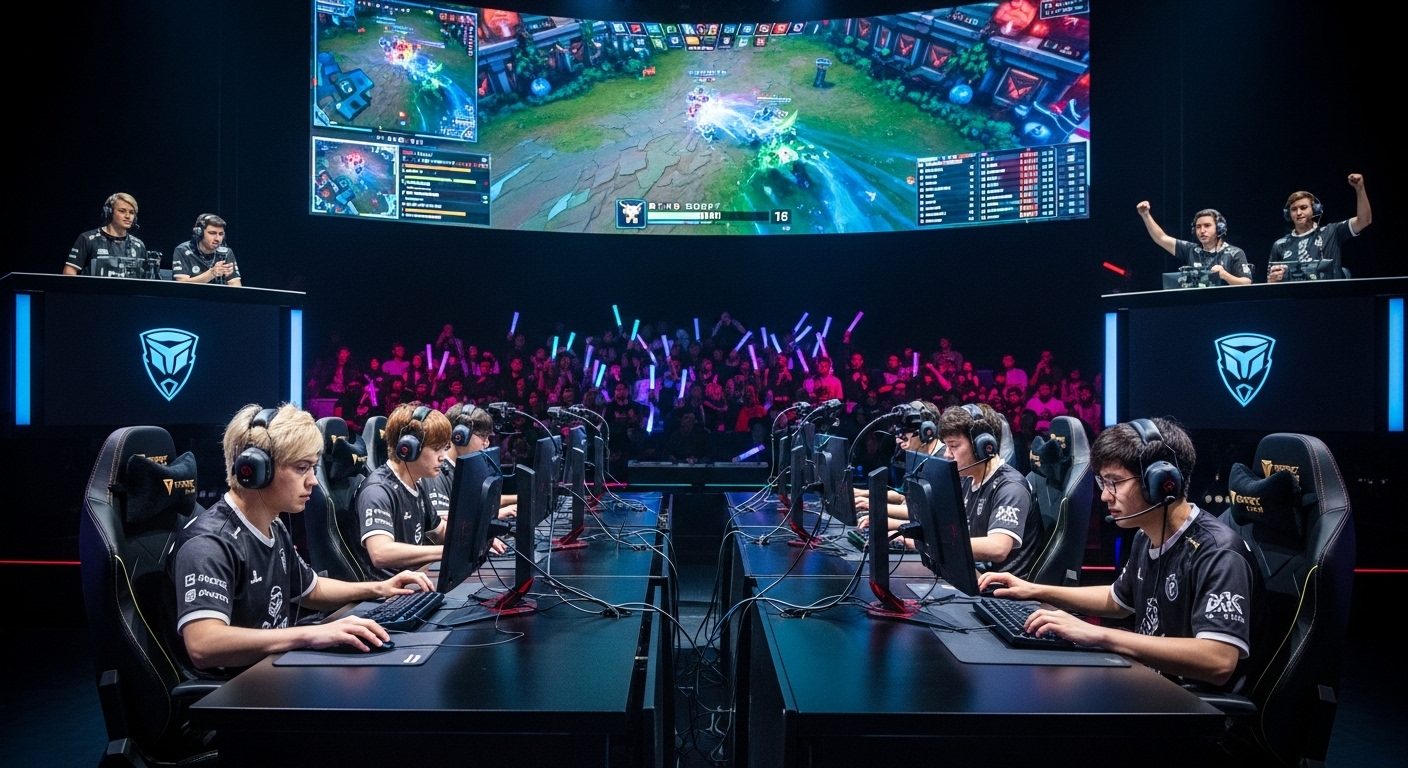
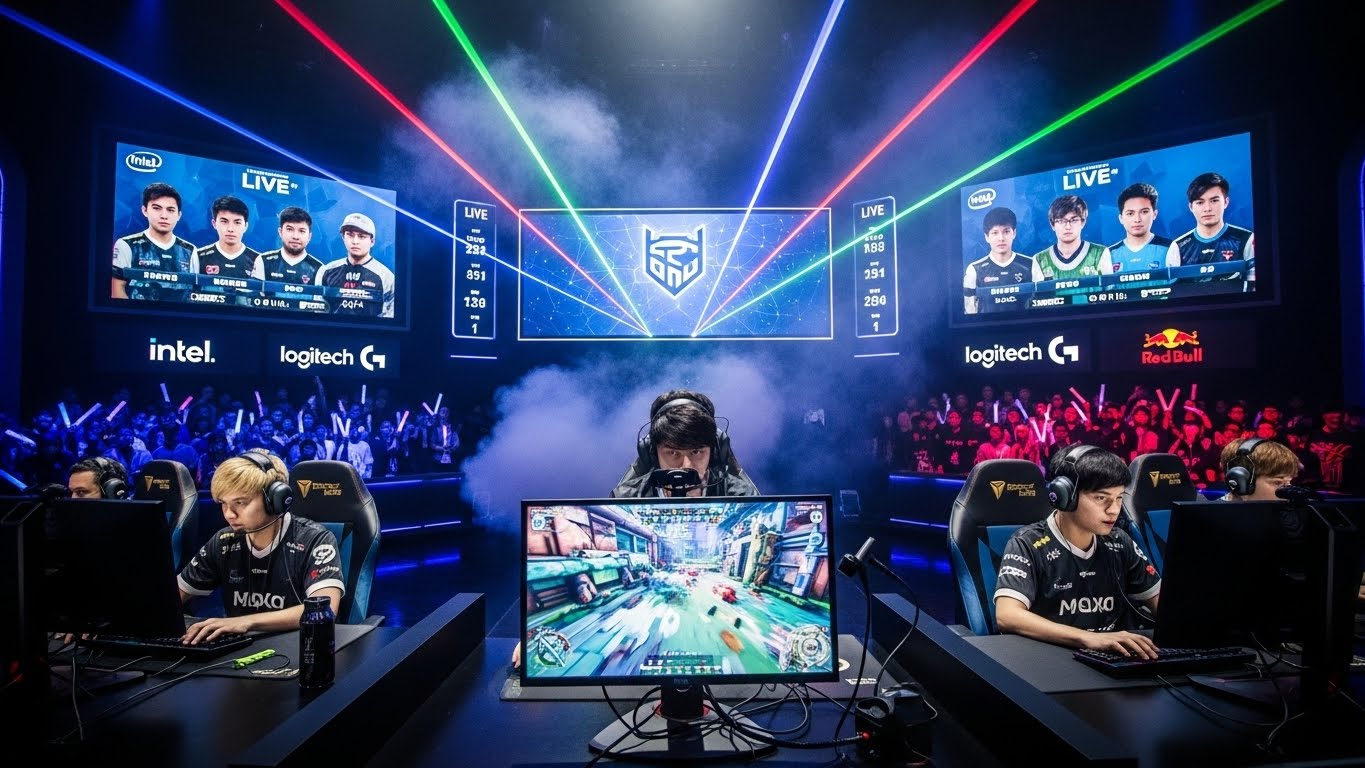
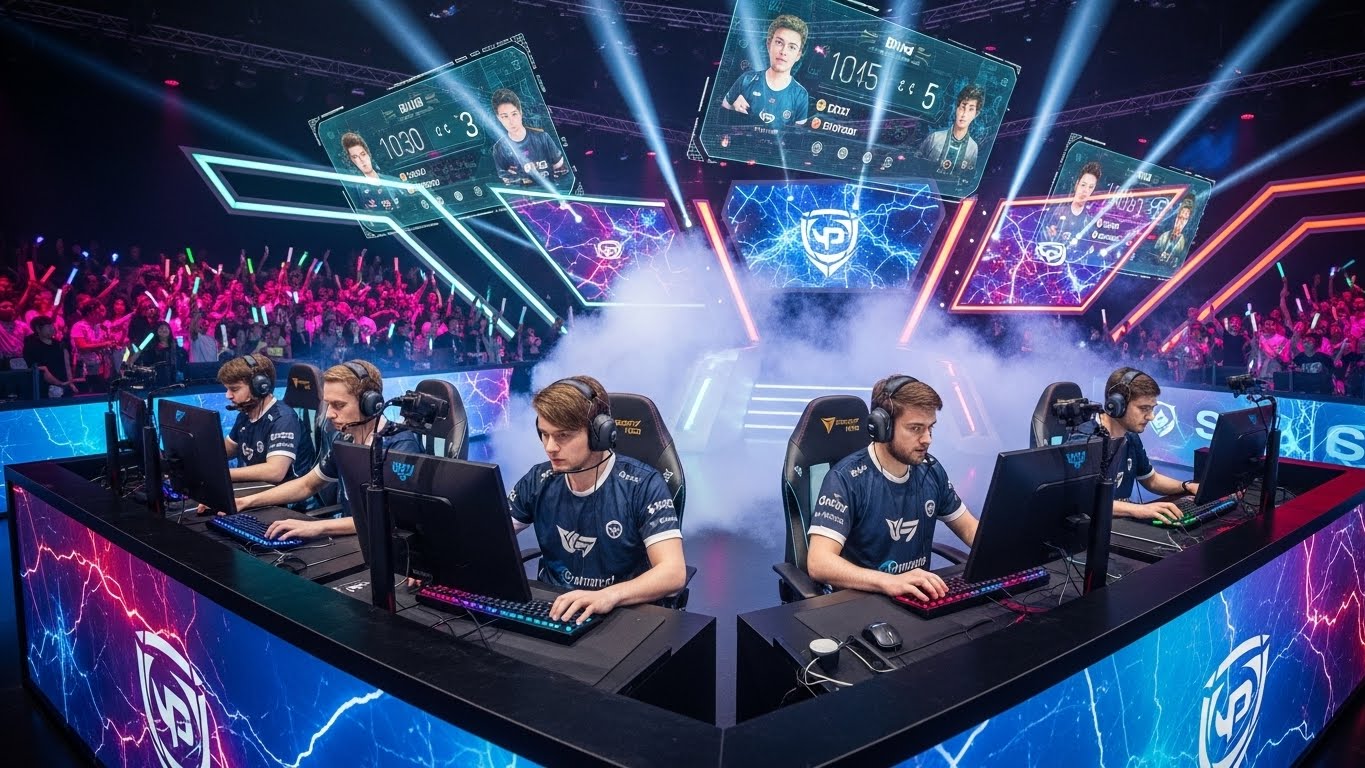
Esports has emerged as one of the most influential forms of entertainment and competition in the digital era. Once a niche hobby involving friends and local tournaments, esports now commands massive global audiences, professional players, and billion-dollar industries. Beyond casual gaming, esports embodies strategy, discipline, teamwork, and mental endurance. It has transformed how people perceive competition, careers, and community in the twenty-first century. This blog explores the rise of esports, its cultural and economic impact, the professionalization of players, and its enduring influence on society.
Understanding Esports
Esports, short for electronic sports, refers to organized competitive gaming. Players or teams compete under structured rules, often in tournaments with substantial prizes. Esports spans multiple genres, including multiplayer online battle arenas, first-person shooters, fighting games, strategy games, and sports simulations. Unlike casual gaming, esports requires rigorous preparation, precise execution, and tactical thinking. Success is determined by skill, reaction time, strategic planning, and communication, making it comparable to traditional sports in terms of preparation and competition.
The Early Beginnings of Competitive Gaming
The roots of esports trace back to the early 1980s, when players competed for high scores in arcade games such as Pac-Man and Space Invaders. Community-driven competitions slowly emerged, fostering local gaming cultures. The 1990s saw the rise of home consoles and personal computers, enabling multiplayer competitions from home. LAN parties and local tournaments created a foundation for structured competitive play. Early online games, such as Quake and StarCraft, marked a turning point, allowing players to connect globally and compete in real-time, laying the groundwork for modern esports leagues.
The Internet Revolution and Esports Growth
The internet transformed esports from a niche pastime into a worldwide phenomenon. Online multiplayer games allowed competitors from different countries to face each other in real time. Streaming platforms enabled fans to watch live tournaments, interact with players, and participate in online communities. This connectivity helped create global fanbases, making esports a spectator-driven industry. Online interaction also allowed for the rapid dissemination of strategies, guides, and gameplay analysis, fostering growth and competitiveness.
Professionalization of Esports
As esports gained recognition, it transitioned into a professional industry. Professional players sign contracts, receive salaries, and train under coaches and analysts. Teams offer structured environments with performance review, strategic planning, and physical and mental wellness programs. Large organizations manage multiple players, marketing initiatives, and sponsorships. Esports leagues and international tournaments provide players with exposure, competition, and financial incentives. This professionalization demonstrates that esports is not a casual activity but a legitimate career path requiring dedication and skill.
Training and Discipline in Esports
Success in esports demands rigorous training and discipline. Professional players practice for several hours daily, refining mechanics, studying opponents, and strategizing with teammates. Mental preparation is as crucial as physical coordination; players must remain focused, adapt quickly, and recover from setbacks. Physical fitness, including proper posture, exercise, and nutrition, is increasingly emphasized to maintain reaction times and endurance. Structured training highlights the athleticism and cognitive demands of esports, challenging misconceptions of gaming as purely recreational.
Cognitive and Mental Benefits
Esports provides significant cognitive and mental benefits. Players develop problem-solving skills, quick decision-making, memory retention, and multitasking abilities. Strategic games encourage long-term planning and adaptability, while fast-paced titles improve reflexes and situational awareness. Emotional resilience is also fostered, as players learn to handle pressure, recover from defeats, and maintain focus during high-stakes matches. These skills often transfer to other areas of life, such as academics, professional work, and personal development.
Teamwork and Communication
Many esports games are team-based, requiring precise communication, coordination, and trust. Effective communication often determines the outcome of matches, particularly in high-pressure environments. Players learn leadership, conflict resolution, and collaboration through practice and competition. Even in individual competitions, players rely on support staff, analysts, and coaches, emphasizing the importance of teamwork. These skills mirror real-world professional environments, enhancing the broader value of esports participation.
Esports Communities and Fan Engagement
Esports thrives because of its passionate communities. Fans actively engage with players, teams, and events through social media, live streaming platforms, and discussion forums. Online communities foster creativity, collaboration, and social belonging. Fans not only consume content but contribute to it by creating analyses, fan art, and commentary. These interactions strengthen bonds between players and their audiences, making esports a participatory cultural phenomenon.
Economic Impact of Esports
Esports has become a global economic powerhouse. Revenue comes from sponsorships, merchandise, advertising, media rights, and tournament prize pools. Major events attract millions of viewers and contribute to local economies through tourism and related industries. Esports also supports careers in broadcasting, content creation, marketing, and game development. As the industry continues to grow, investment from brands and media companies underscores its significance in the modern economy.
Inclusivity and Accessibility
Esports is more inclusive than many traditional sports. Physical attributes such as height, strength, or endurance have little impact on success, allowing players from diverse backgrounds to compete equally. Online platforms and affordable gaming devices increase accessibility for global audiences. Diversity initiatives encourage female, minority, and differently-abled participation, ensuring that esports remains a field where talent and dedication are the primary determinants of success.
Esports in Education
Educational institutions increasingly recognize esports as a tool for skill development. Schools and universities offer esports programs, clubs, and scholarships. Students gain leadership, teamwork, strategic thinking, and time management skills. Esports programs also teach digital literacy and responsible gaming practices. Integrating esports into education combines entertainment with personal growth, preparing students for careers in competitive gaming, technology, or management.
Health and Wellness in Esports
Although esports provides numerous cognitive and social benefits, physical and mental well-being must be prioritized. Extended screen time, repetitive movements, and intense competition can cause strain and fatigue. Professional teams implement routines that include physical exercise, nutrition, mental health support, and rest periods. Awareness of ergonomics, eye care, and stress management ensures that players remain competitive and healthy. Promoting wellness within esports emphasizes sustainability and long-term career viability.
Challenges Facing Esports
Esports faces challenges, including regulatory inconsistencies, performance pressure, and ethical concerns. Issues such as cheating, match-fixing, and excessive commercialization require attention. The competitive nature of esports can lead to burnout and mental health struggles. Ensuring inclusivity, maintaining fair play, and safeguarding player welfare are ongoing responsibilities for organizations and governing bodies. Addressing these challenges is crucial to sustaining the integrity and growth of the industry.
Cultural Influence of Esports
Esports has become a global cultural force. Professional players are celebrated as role models and influencers. Esports events combine competition with entertainment, creating immersive experiences for audiences. The international nature of esports fosters cultural exchange and understanding among diverse populations. Gaming conventions, cosplay, and fan content further highlight the cultural reach and creativity inspired by esports. Its influence extends beyond the digital realm into fashion, music, and media trends.
The Future of Esports
The future of esports is marked by innovation, inclusivity, and expansion. Advances in virtual reality, artificial intelligence, and live streaming will enhance competition, training, and audience engagement. Hybrid events combining physical and digital participation will broaden access and immersion. Esports will continue to integrate into mainstream culture, education, and business, solidifying its place as a global phenomenon. Adaptability and technological integration will ensure esports remains relevant and influential in the years to come.
Conclusion
Esports has grown from small-scale gaming competitions into a global industry that combines skill, strategy, teamwork, and technology. It offers career opportunities, fosters community, and influences culture on a worldwide scale. Professionalization, economic growth, and technological innovation highlight its significance beyond entertainment. While challenges such as regulation, health, and inclusivity persist, esports demonstrates resilience and potential. Beyond screens and controllers, esports represents ambition, creativity, and human connection in the digital age, reshaping how we compete, collaborate, and engage with interactive entertainment.