Digital Champions: How Esports is Revolutionizing Competition, Culture, and Entertainment
Introduction
Esports, or electronic sports, has evolved from a casual pastime into a global phenomenon, redefining how we view competition, entertainment, and digital culture. Once limited to arcade competitions and small online communities, esports now encompasses professional leagues, multimillion-dollar tournaments, international fan bases, and careers that rival traditional sports. Its growth has been fueled by advancements in technology, the rise of streaming platforms, and the increasing legitimacy of competitive gaming. This blog explores the world of esports, its history, cultural impact, business dynamics, and the future of competitive gaming.
The Origins of Esports
The roots of esports trace back to the late 1970s and 1980s, when arcade games such as Space Invaders and Pac-Man drew competitive players. Early competitions focused on achieving high scores and demonstrating skill to peers. With the proliferation of home computers in the 1980s and online connectivity in the 1990s, multiplayer gaming became possible on a larger scale. Titles like StarCraft, Counter-Strike, and Warcraft laid the foundation for competitive gaming communities. Esports officially gained recognition when tournaments began offering prize money and attracting spectators, signaling a transition from casual hobby to professional pursuit.
The Rise of Professional Players
Professional esports players are at the heart of the industry. They dedicate countless hours to mastering mechanics, strategies, and teamwork. Top-tier players often train in structured environments similar to traditional athletes, focusing on reflexes, strategy, communication, and mental resilience. Esports organizations provide coaching, nutrition plans, and psychological support to maximize performance. These players have become celebrities within gaming communities, attracting sponsorships, fan followings, and media attention. Their rise reflects the growing legitimacy of esports as a professional and competitive field.
Esports Game Genres and Popular Titles
Esports covers a wide array of game genres, each requiring unique skills and strategies. Multiplayer online battle arena games, such as League of Legends and Dota 2, emphasize teamwork, strategy, and map control. First-person shooters, including Counter-Strike and Overwatch, demand precision, reflexes, and situational awareness. Sports simulation games like FIFA replicate real-world sports dynamics, while fighting games focus on timing, skill combos, and individual prowess. This diversity ensures that esports appeals to a wide audience and fosters specialized communities within the broader competitive gaming landscape.
The Spectator Experience
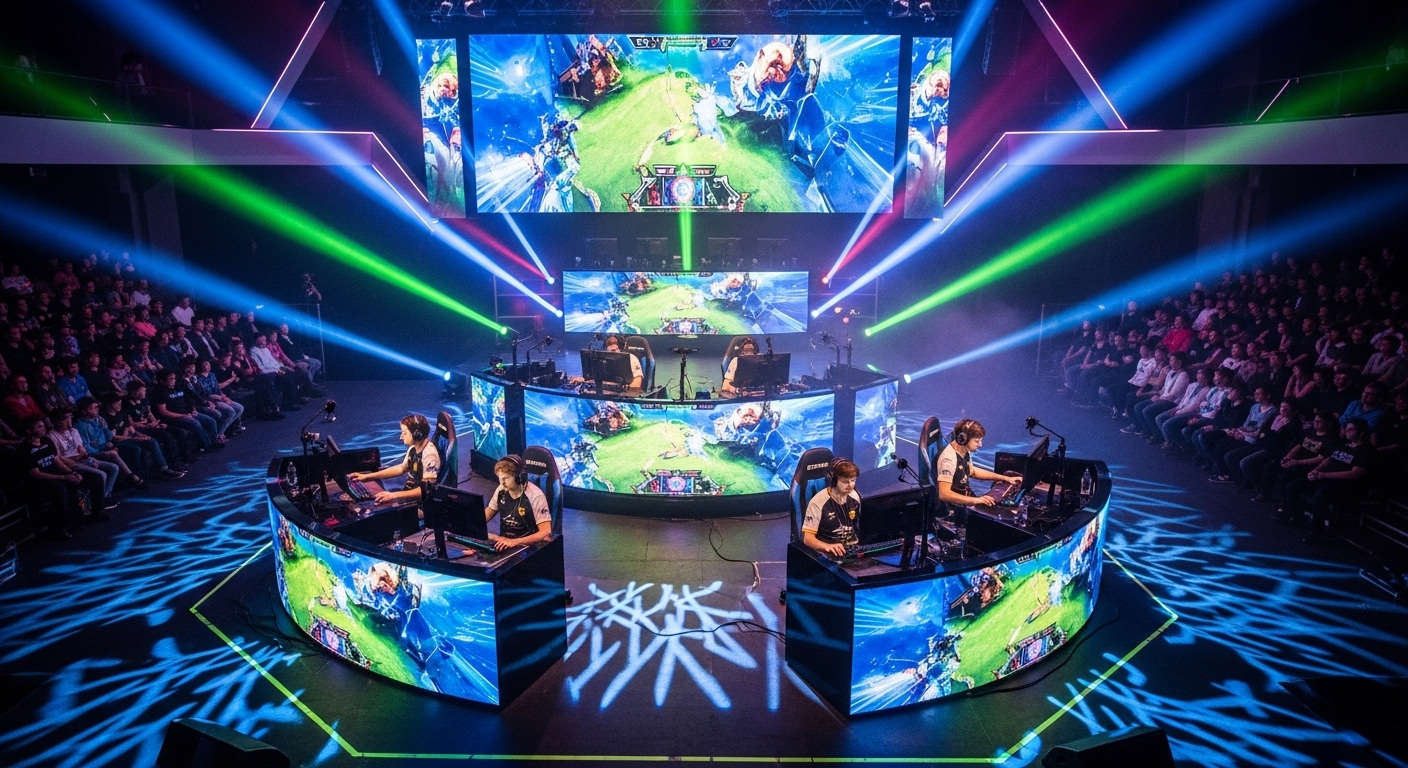
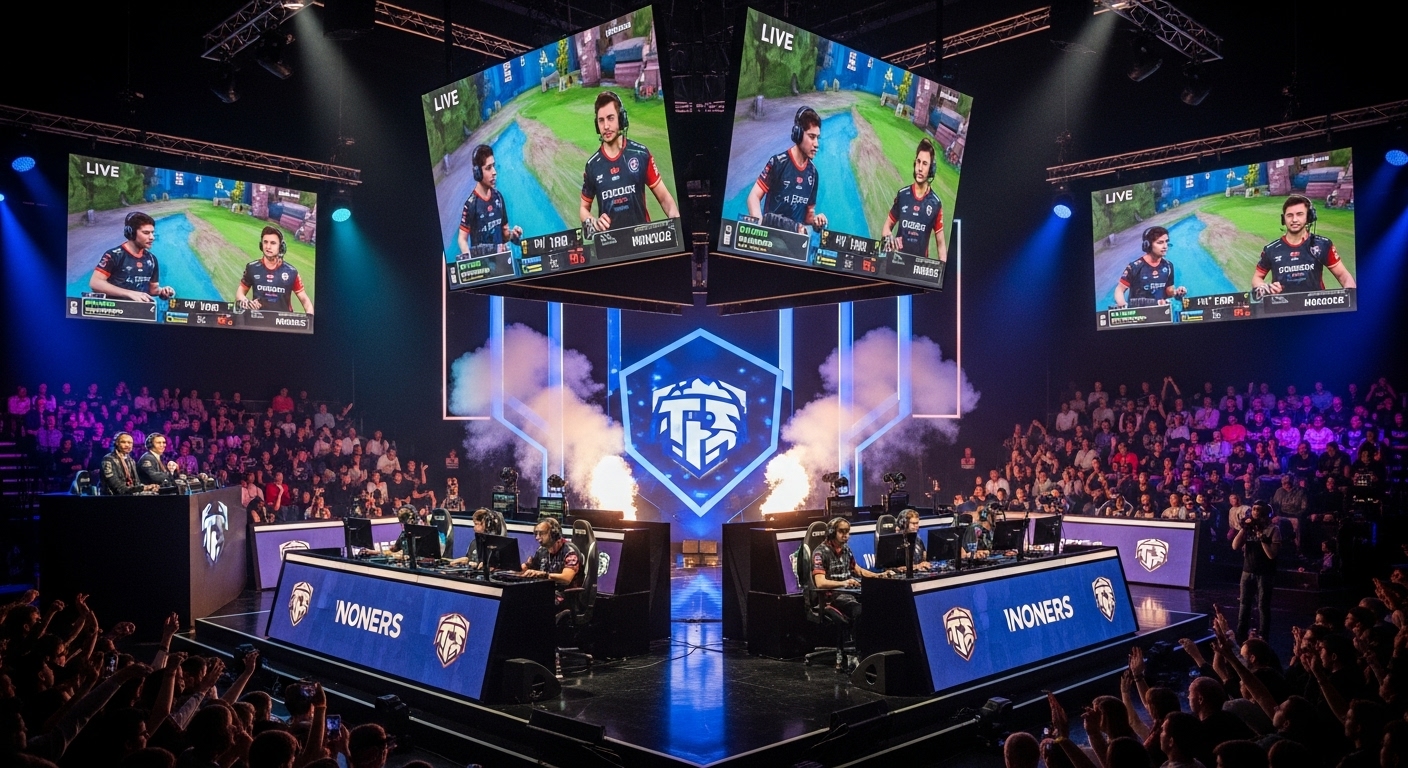
Spectatorship is a unique aspect of esports. Unlike traditional sports, where viewers are limited by stadium seating, esports allows global audiences to watch matches online from any location. Streaming platforms offer multiple camera angles, live commentary, and real-time statistics, creating a highly engaging viewing experience. Fans can follow individual players, teams, or entire tournaments, while interactive features allow live reactions and discussions. The combination of visual clarity, strategic depth, and audience participation creates an immersive spectator experience that has fueled esports’ popularity.
Streaming Platforms and Content Creation
Streaming platforms have been instrumental in esports’ growth. Services like Twitch and YouTube allow players, professional teams, and content creators to broadcast gameplay to millions worldwide. Streamers serve as educators, entertainers, and influencers, building loyal audiences and shaping esports culture. These platforms bridge the gap between casual gamers and professional competitions, providing access to tutorials, live events, and behind-the-scenes content. Streaming has democratized esports by giving creators global visibility and allowing fans to engage with their favorite players in real time.
The Business of Esports
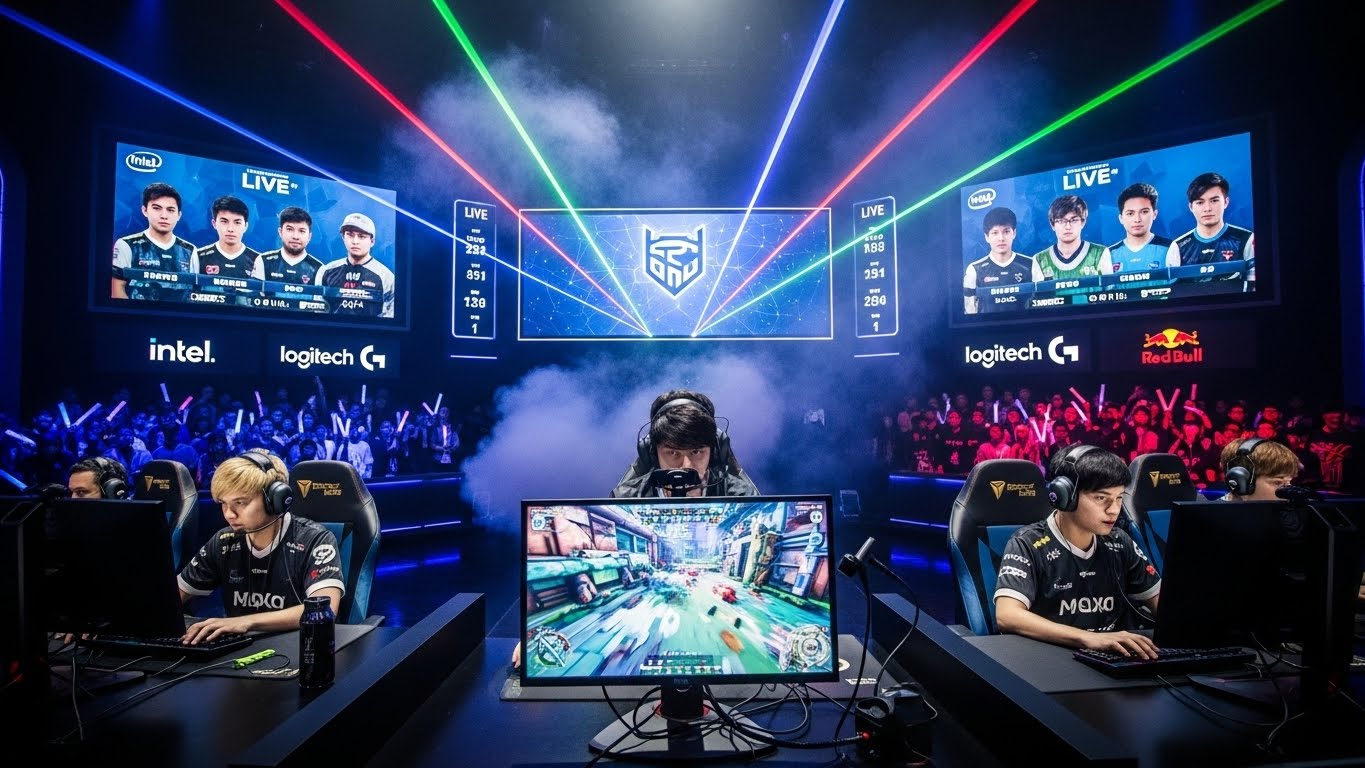
Esports has developed into a multibillion-dollar industry. Revenue streams include tournament prize pools, team sponsorships, merchandise sales, media rights, and advertising. Major corporations, including technology brands, beverage companies, and apparel firms, invest heavily in esports sponsorships. Teams operate like traditional sports franchises, with management structures, coaching staff, and marketing departments. High-profile tournaments offer multimillion-dollar prizes, attracting top-tier talent and global audiences. Esports’ commercial success highlights the integration of entertainment, technology, and competitive sports in the digital era.
Global Expansion of Esports
Esports has achieved worldwide recognition, with major hubs in Asia, North America, and Europe. Countries invest in esports infrastructure, host international tournaments, and support educational programs related to competitive gaming. Universities offer scholarships for esports athletes, and professional leagues operate on a global scale. This international reach fosters cultural exchange, strengthens gaming communities, and creates opportunities for collaboration and competition across borders. Esports has become a unifying force in the digital world, connecting diverse populations through shared passion and engagement.
Education and Career Opportunities in Esports
Esports offers significant educational and professional opportunities. Schools and universities have developed esports programs, teaching skills in strategy, teamwork, digital media, and event management. Students can pursue careers as professional players, coaches, analysts, broadcasters, or content creators. Esports also promotes transferable skills such as leadership, communication, and problem-solving. By integrating competitive gaming into educational frameworks, esports prepares individuals for careers in technology, entertainment, and media industries, highlighting its broader societal impact.
Physical and Mental Demands of Esports
Competitive gaming requires significant physical and mental discipline. Players maintain hand-eye coordination, reflex speed, and posture through structured training. Mental resilience is critical, as players face pressure from high-stakes matches, public scrutiny, and rigorous schedules. Many organizations employ sports psychologists to enhance focus, communication, and stress management. Esports demonstrates that digital competition demands both mental acuity and physical preparation, dispelling the myth that professional gaming is solely recreational.
Community and Cultural Impact
Esports has cultivated vibrant communities that transcend geographic and cultural boundaries. Fans engage through forums, social media, and in-person events, celebrating achievements, sharing strategies, and building friendships. Esports culture values innovation, inclusivity, and collaboration, fostering creative expression and identity. Community tournaments, fan conventions, and online discussions strengthen bonds between players and audiences. Esports has become a cultural phenomenon, influencing fashion, music, art, and digital media, shaping modern entertainment in profound ways.
Challenges Facing Esports
Despite its rapid growth, esports faces significant challenges. Player burnout, competitive integrity, and fair governance are ongoing concerns. Economic disparities among teams and regions may limit opportunities for emerging talent. Regulatory frameworks vary by country, affecting sponsorship, taxation, and legal recognition. Addressing these challenges is essential to ensure sustainability and maintain the credibility of competitive gaming. The industry must balance commercial growth with ethical practices and community values to thrive in the long term.
The Future of Esports
The future of esports promises continued innovation and expansion. Virtual reality and augmented reality may redefine competitive experiences, creating immersive, interactive tournaments. Artificial intelligence can enhance gameplay, coaching, and audience engagement. Esports is likely to integrate further with traditional sports, media, and entertainment, broadening its appeal and reach. Emerging markets and increasing accessibility will attract new participants and fans, solidifying esports as a mainstream cultural and professional phenomenon.
Conclusion
Esports has evolved from humble beginnings into a global industry that combines skill, strategy, entertainment, and technology. It has redefined competition, created new career paths, and fostered vibrant communities across the world. The rise of professional players, expansive tournaments, and interactive viewing experiences highlights the transformative potential of digital sports. As technology advances and audiences continue to grow, esports will remain at the forefront of entertainment, bridging culture, competition, and innovation. It is more than gaming; it is a cultural revolution that reflects the power of human creativity and connection in the digital age.