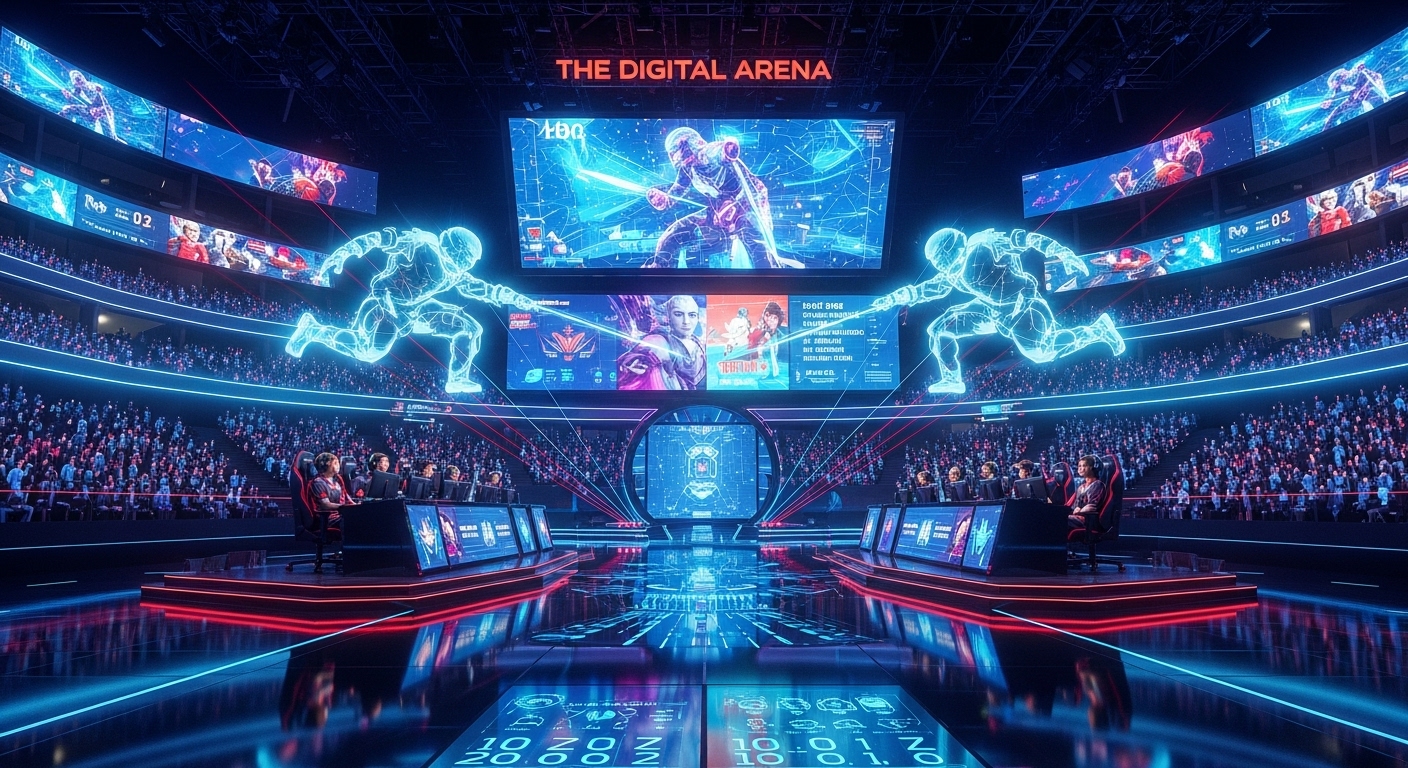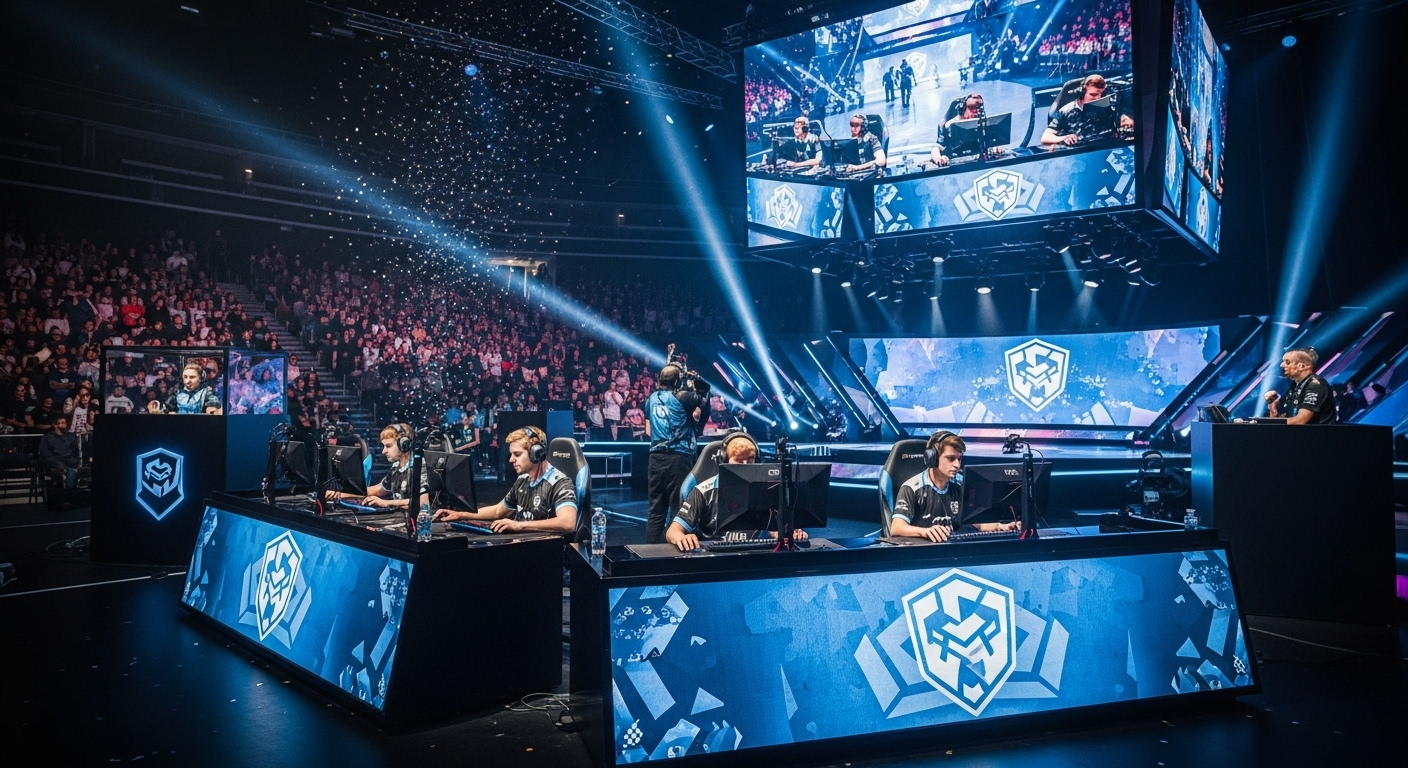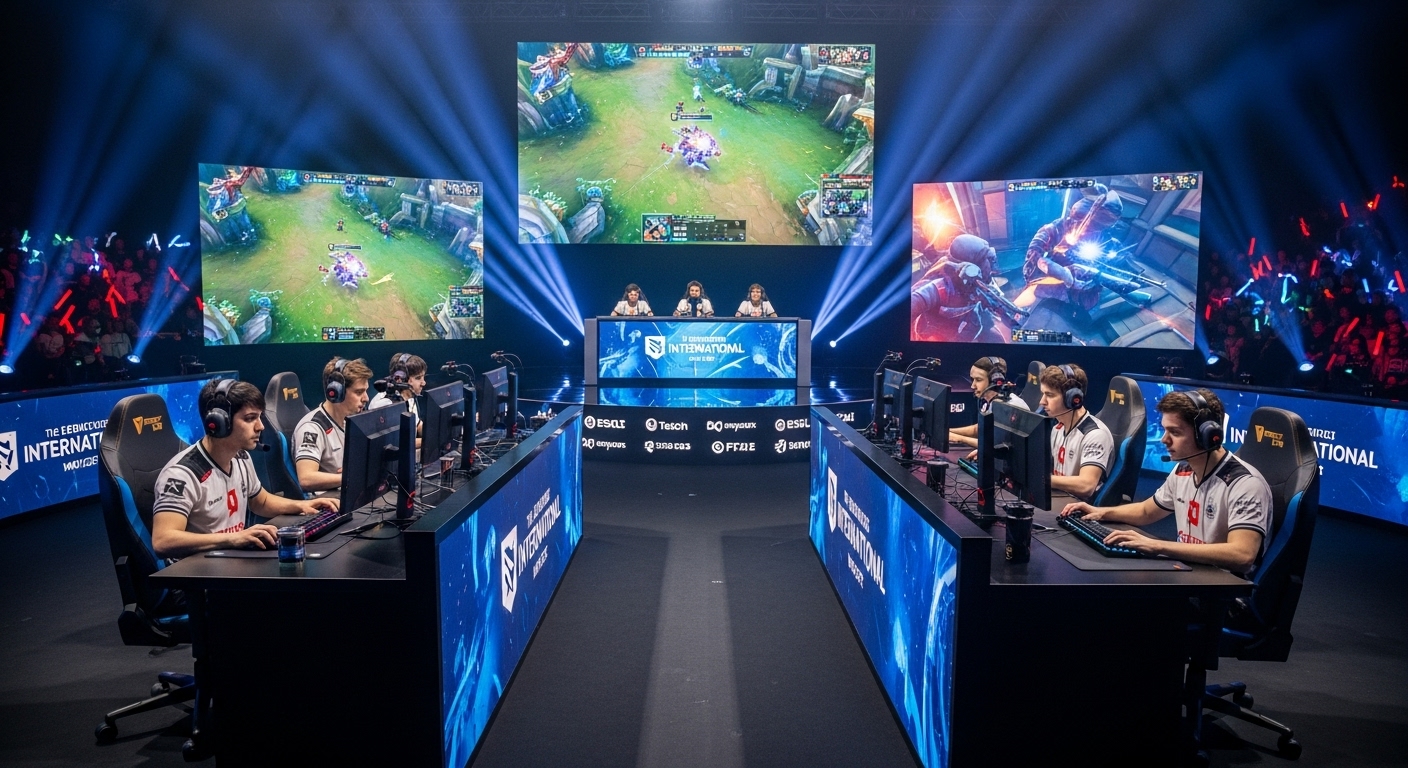
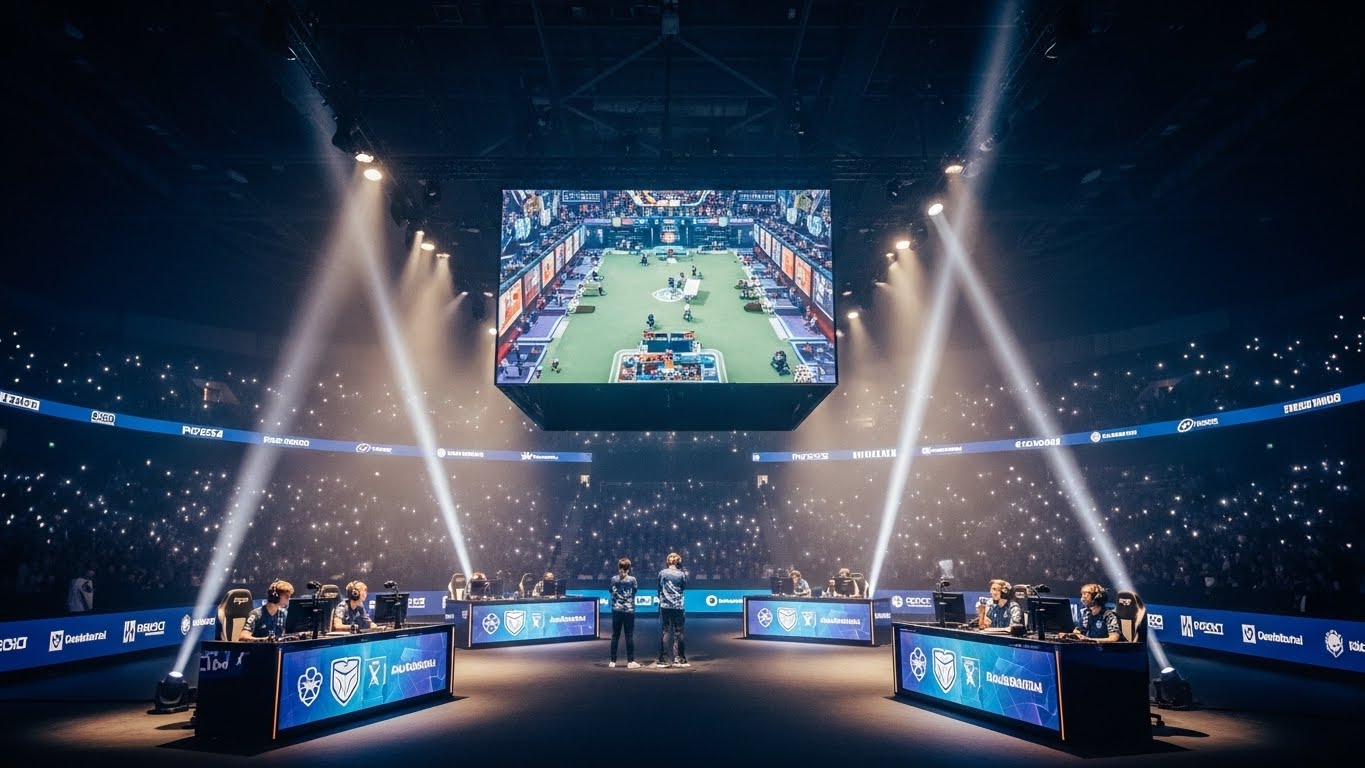
Esports, or competitive video gaming, has evolved significantly over the past two decades. From humble beginnings in the form of local tournaments and LAN parties, esports has transformed into a multibillion-dollar industry, captivating millions of fans across the world. Whether it’s the intense strategy of League of Legends, the fast-paced action of Counter-Strike: Global Offensive, or the strategic gameplay of Dota 2, esports has managed to carve out a permanent niche in the entertainment world. In this blog, we will explore the rise of esports, its impact on traditional sports, the technological innovations driving its success, and what the future holds for this rapidly growing industry.
The Early Days of Esports: A Niche Hobby
Esports’ origins can be traced back to the late 1990s and early 2000s when video game developers first began organizing competitive events. These early tournaments were small-scale, primarily consisting of local competitions and LAN (Local Area Network) parties. At this point, esports was considered a niche hobby, primarily enjoyed by hardcore gamers. Games like Quake, StarCraft, and Warcraft dominated the competitive scene, and the concept of professional gaming had yet to take root.
While gaming had long been a recreational activity, esports added a new dimension by introducing the idea of competition at the highest level. Players who had mastered their craft could now compete for real-world prizes, and events like Red Annihilation (1997), a Quake tournament, began to attract media attention, signaling the potential of competitive gaming.
The Emergence of Esports Organizations and Global Competitions
By the mid-2000s, the esports landscape had started to take shape. With the growth of high-speed internet and online gaming platforms like Battle.net, Xbox Live, and Steam, players from all corners of the globe could now compete against each other in real-time. This paved the way for the first truly global esports competitions. Titles such as StarCraft: Brood War, Counter-Strike 1.6, and Warcraft III became staples of the esports scene, with competitions attracting large audiences and offering significant cash prizes.
One of the most pivotal moments in the history of esports came in 2000 when the Korean esports organization OGN (OnGameNet) began broadcasting StarCraft tournaments on national television. This was a game-changer, as it brought esports into the mainstream media for the first time. South Korea quickly became the epicenter of esports, and professional gaming was recognized as a legitimate career path for many aspiring players. The Korean gaming scene produced legendary players, teams, and a fanbase that helped propel esports into the global spotlight.
By the late 2000s and early 2010s, major esports tournaments like The International (Dota 2), League of Legends World Championship, and ESL One began to emerge, offering multi-million-dollar prize pools and attracting massive global viewership. These events would serve as a benchmark for the future of competitive gaming, with growing prize money and an ever-expanding audience base.
Esports and Its Relationship with Traditional Sports
Esports’ rise has sparked interesting comparisons with traditional sports. While esports may not involve physical activity in the same way football, basketball, or soccer does, it shares many key characteristics with these sports. Much like traditional sports, esports requires teamwork, skill, strategy, and mental fortitude. Players must train for hours, analyze opponents’ tactics, and constantly refine their gameplay.
In fact, the strategic depth of games like League of Legends, Counter-Strike, and Dota 2 mirrors the tactics seen in traditional sports like football or basketball. Professional esports players spend countless hours honing their reflexes, understanding game mechanics, and studying opponents to stay at the top of their game. Similar to a football team analyzing their opponent’s playbook, esports teams analyze strategies, scrim against one another, and build synergy within their teams to improve performance.
Furthermore, esports teams are now structured much like traditional sports franchises. Many of the top esports organizations are owned by major investors and operate with a business model similar to that of traditional sports teams. With dedicated coaching staff, analysts, team managers, and even nutritionists, esports players are treated like professional athletes, complete with sponsorship deals, merchandise, and a growing media presence.
Esports has also begun to attract attention from major traditional sports leagues. In 2018, the NBA’s Sacramento Kings became the first major sports franchise to invest in an esports team. Since then, other franchises like the Dallas Cowboys and Paris Saint-Germain have also entered the esports arena. This growing connection between esports and traditional sports highlights the crossover appeal and recognition of esports as a legitimate form of entertainment.
Technological Innovations Driving Esports Growth
The success of esports wouldn’t be possible without the technological advancements that have transformed both the gaming and broadcasting industries. From better graphics and faster processors to the rise of high-speed internet and streaming platforms like Twitch and YouTube Gaming, technology has been at the forefront of esports’ growth.
One of the most significant developments for esports was the emergence of streaming platforms. In 2011, Twitch launched, offering gamers the ability to broadcast their gameplay to a global audience. This opened up new opportunities for players to showcase their skills, while also allowing fans to watch their favorite players and teams in action. Twitch revolutionized the way gaming content was consumed, allowing anyone with an internet connection to tune into live broadcasts, interact with streamers, and even participate in the competitive gaming community.
Alongside streaming, the development of high-speed internet has allowed players to compete in real-time from virtually any location in the world. Cloud gaming, which allows players to access games remotely without the need for powerful hardware, is also on the horizon, further democratizing access to esports. In turn, this could lead to an even broader audience for competitive gaming, with people being able to participate in or watch esports from any device, anywhere.
Virtual reality (VR) and augmented reality (AR) are also poised to revolutionize esports in the near future. With advancements in VR technology, players could potentially experience immersive, lifelike gaming environments that mimic real-world sports. While VR esports is still in its infancy, the potential for these technologies to elevate the esports experience is undeniable.
The Future of Esports: An Ever-Growing Industry
As the popularity of esports continues to grow, the future looks incredibly promising. In 2023, the global esports market was estimated to be worth over $1.5 billion, and experts predict that this figure will continue to rise as more people become involved in competitive gaming. Brands and advertisers are taking notice of esports’ expanding audience, with companies like Coca-Cola, Intel, and Mercedes-Benz now sponsoring major esports events and teams.
One of the most exciting aspects of the esports industry is its global reach. Unlike traditional sports, which are often bound by geographic or cultural barriers, esports transcends borders. Whether you’re in North America, Europe, Asia, or Africa, esports provides a platform for anyone to participate or enjoy the competition. This global accessibility has led to a surge in esports tournaments being held across the world, from North America to Southeast Asia, each offering its own unique flavor and flavor of competition.
As the esports ecosystem matures, more professional leagues and tournaments will emerge. The establishment of collegiate and high school esports leagues in countries like the United States and South Korea further solidifies the industry’s growth. The increasing presence of esports in educational institutions is helping to legitimize it as a career path, encouraging young players to aspire to professional status.
Moreover, the potential for esports to be recognized as an Olympic sport remains a hot topic. The International Olympic Committee (IOC) has been in discussions with esports organizations about including gaming as part of the Olympic Games. While there are challenges to overcome, such as defining what constitutes “esports” and ensuring that the competition aligns with Olympic values, the idea of esports in the Olympics is becoming more plausible by the year.
Conclusion: The Unstoppable Force of Esports
Esports has come a long way from its humble beginnings, and its trajectory suggests that it is not just a passing trend, but rather an entrenched part of global entertainment. As technology continues to evolve, so too will the esports industry, with new games, innovations, and platforms further expanding its reach. With its growing fanbase, increasingly professional infrastructure, and impressive monetary potential, esports is poised to redefine the entertainment landscape for years to come.
Whether you’re an aspiring pro gamer, a casual viewer, or someone who has yet to dive into the world of esports, it’s clear that this industry has something for everyone. As we look ahead, it’s exciting to think about where esports will go next—and just how far it will continue to grow. One thing is for sure: the esports revolution is here to stay.