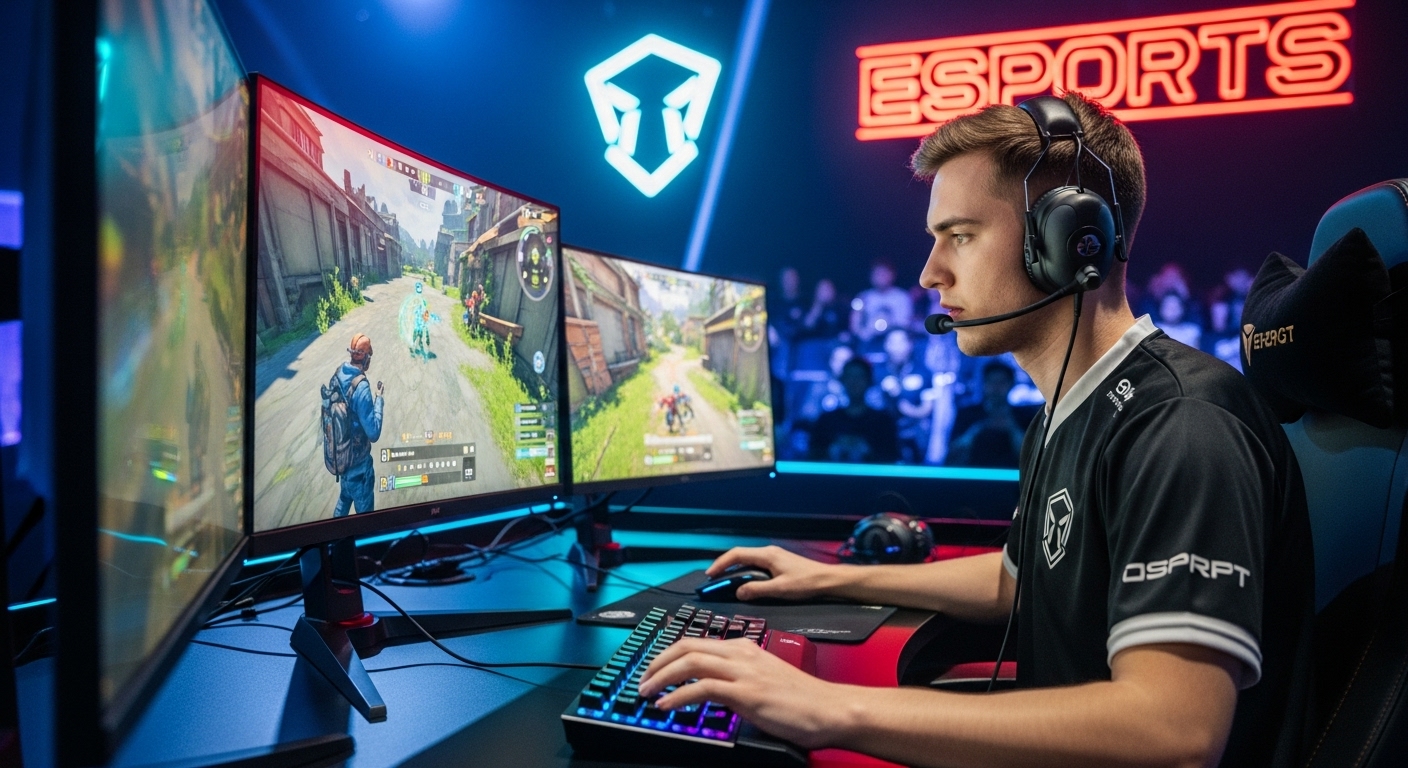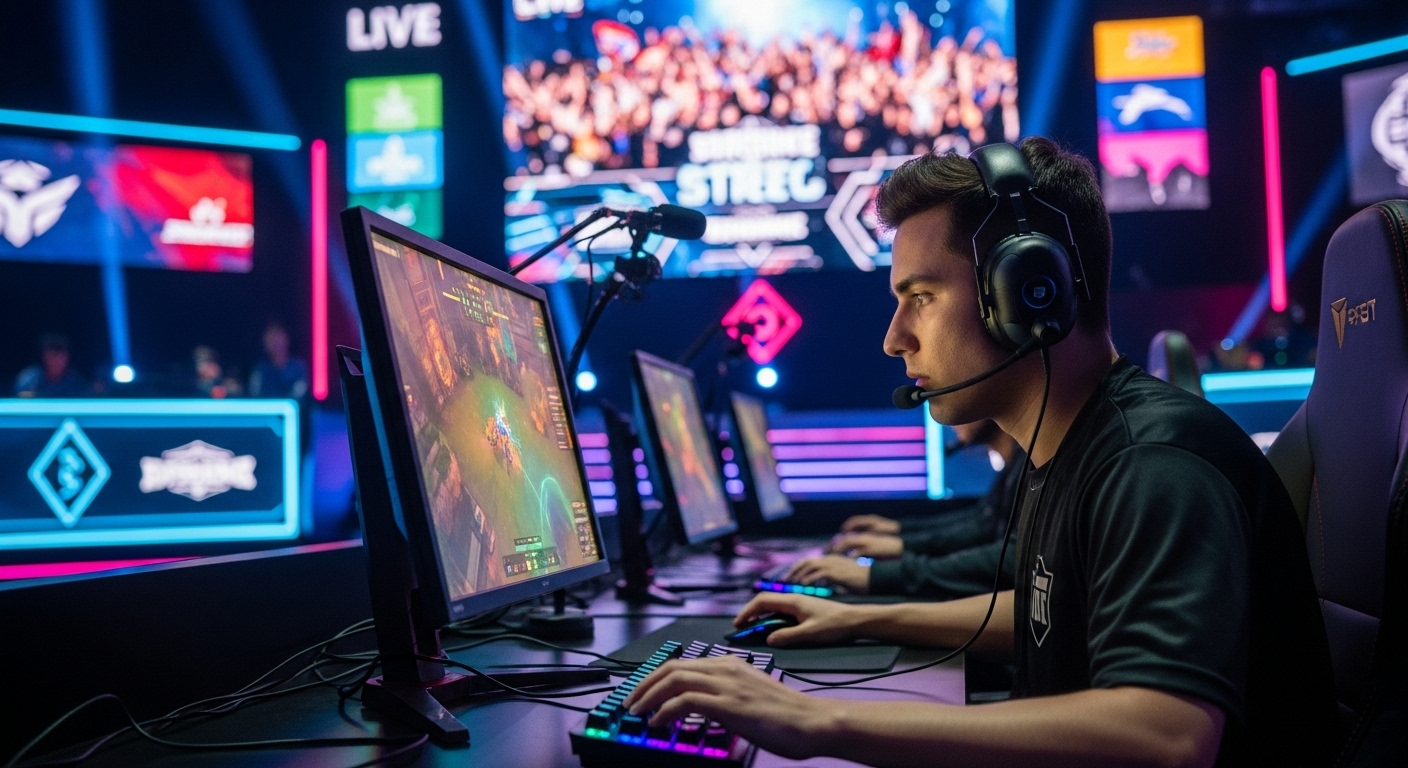
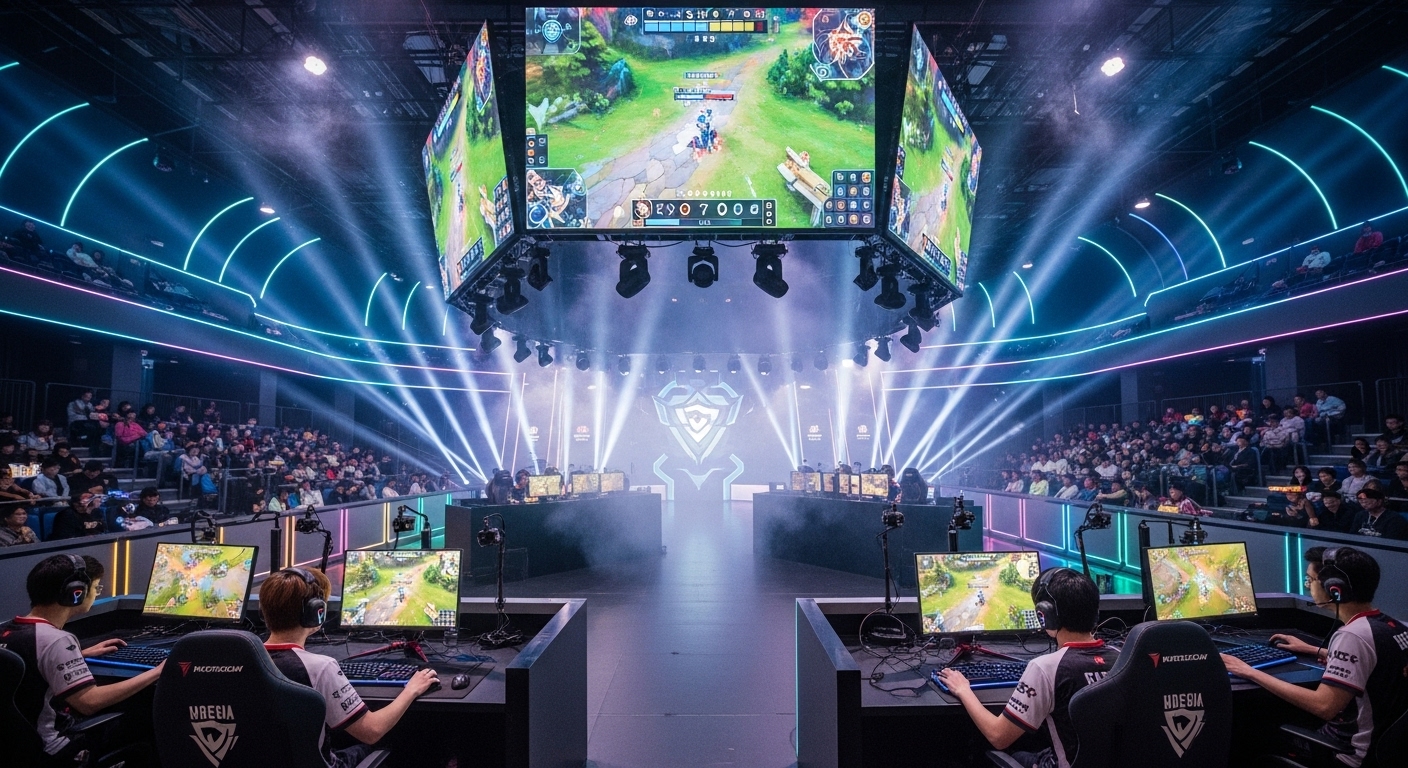
Esports, or electronic sports, has come a long way from its humble beginnings. Once a niche hobby enjoyed by a select group of gamers, esports is now a multi-billion-dollar industry that commands the attention of millions of fans around the globe. In this blog post, we will explore the evolution of esports, its current state, its impact on traditional sports, and what the future holds for this rapidly growing phenomenon.
The Origins of Esports: From LAN Parties to Global Competitions
Esports traces its origins back to the early 2000s when gaming tournaments were held in small, local settings, often in the form of LAN (Local Area Network) parties. These events typically took place in rented venues, where gamers gathered to compete in popular titles like Quake, StarCraft, and Warcraft III. Back then, esports was seen more as a hobby for passionate gamers rather than a mainstream form of entertainment.
The concept of competitive gaming, however, existed long before LAN parties became a common occurrence. Early examples of competitive gaming can be seen in arcade competitions, where players would battle for high scores on games like Pac-Man and Space Invaders. But it wasn’t until the rise of the internet and the development of online multiplayer games that esports truly began to evolve into the global phenomenon it is today.
The Rise of Esports Tournaments
In the mid-2000s, major gaming titles such as Counter-Strike, Warcraft III, and StarCraft began to pave the way for large-scale competitive tournaments. Events like the World Cyber Games (WCG) and Electronic Sports World Cup (ESWC) emerged as the first internationally recognized esports tournaments, offering substantial prize money and attracting professional players from all corners of the world.
Esports tournaments were still relatively small in scope compared to what we see today, but they provided a glimpse of what the future would hold. With the development of more sophisticated streaming platforms like Twitch in 2011, esports gained a new way to reach global audiences. These platforms allowed fans to watch live streams of tournaments from the comfort of their own homes, opening the door for esports to transition from niche competitions to mainstream entertainment.
The Evolution of Esports: From Gaming to a Cultural Phenomenon
As technology advanced and internet speeds improved, esports grew exponentially. Titles like League of Legends, Dota 2, Counter-Strike: Global Offensive, and Overwatch became household names in the gaming community, attracting millions of players and fans worldwide. Esports began to evolve beyond simple competitions into full-fledged entertainment experiences.
Professional players, many of whom started as casual gamers, began to make a name for themselves. The rise of esports organizations, teams, and sponsorship deals brought a new level of professionalism to the scene. These players were no longer just hobbyists; they were athletes in their own right, competing in highly organized leagues and tournaments for significant cash prizes.
With the introduction of game publishers such as Riot Games, Valve, and Blizzard, esports leagues and competitions were structured in a way that mirrored traditional sports. League of Legends, for example, introduced the League of Legends Championship Series (LCS), while Valve launched the Dota 2 International, one of the largest prize-pool tournaments in the world.
Esports and Traditional Sports: A Blurred Line
One of the most fascinating aspects of esports’ growth has been its intersection with traditional sports. In the past decade, esports has experienced a tremendous increase in viewership, sponsorship, and media coverage, mirroring the rise of traditional sports leagues like the NBA, NFL, and FIFA. Major companies that once focused solely on traditional sports have now started to invest in esports, bridging the gap between the two worlds.
The rise of esports has led to traditional sports teams and athletes entering the gaming scene. For example, football clubs like Manchester City and Paris Saint-Germain have established their own esports teams to compete in games like FIFA and Rocket League. Basketball stars such as Michael Jordan and Shaquille O’Neal have also shown interest in the esports space, either by investing in esports organizations or launching their own initiatives.
Moreover, esports events have begun to take place in major arenas and stadiums, much like traditional sporting events. The League of Legends World Championship finals, for instance, have been held in venues such as the Staples Center in Los Angeles and the Bird’s Nest in Beijing. The production value of these events rivals that of major traditional sports broadcasts, with elaborate stages, high-end graphics, and even live music performances.
The Esports Ecosystem: A Global Industry
At the heart of the esports industry lies a complex ecosystem that encompasses players, teams, sponsors, fans, and media. This interconnected system has allowed esports to thrive and sustain itself as a global industry.
- Players and Teams: Professional esports players are the stars of the show, often competing under the banner of well-known organizations. Teams such as T1 (formerly SK Telecom T1), Cloud9, Team Liquid, and Fnatic have earned global recognition for their success in various games. Players, many of whom are now considered celebrities in the gaming community, often train for hours each day to perfect their skills.
- Sponsors and Investors: As esports continues to gain in popularity, companies from various industries have recognized the potential for advertising and brand partnerships. Major tech companies like Intel, Nvidia, and AMD have long been sponsors of esports events, but the trend has expanded to include brands from non-tech sectors, such as Coca-Cola, Nike, and Mercedes-Benz. These sponsorships have played a crucial role in funding tournaments, securing larger prize pools, and increasing the overall visibility of esports.
- Media and Streaming Platforms: Platforms like Twitch, YouTube, and Facebook Gaming have become essential to the esports ecosystem. These platforms allow fans to watch live streams of their favorite players and teams, while also giving esports organizations the ability to engage with their fanbase directly. The ease of access to esports content has helped fuel the global fanbase, with millions of viewers tuning in to watch major tournaments.
- Game Developers: Game developers play an essential role in shaping the esports landscape. Titles such as League of Legends, Fortnite, and Valorant have been built with competitive play in mind, featuring regular updates, balance changes, and events to keep the game fresh and engaging for players and fans alike. The constant evolution of these games helps maintain the interest of the competitive community, ensuring that esports remains a dynamic and exciting industry.
The Future of Esports: Where Do We Go from Here?
Looking ahead, the future of esports seems incredibly bright. As technology continues to advance, we can expect even more immersive experiences, including virtual and augmented reality esports events. New gaming platforms and innovations in game design will likely give rise to new genres and competitions that further expand the reach of esports.
One area of potential growth is the inclusion of esports in the Olympics. While it’s still a controversial topic, discussions about integrating esports into the Olympic Games have been ongoing. The 2022 Asian Games included esports as a medal event, and it’s possible that we could see more traditional sports organizations embracing esports as a legitimate form of competition in the future.
Additionally, the continued rise of mobile esports presents an exciting opportunity. Games like PUBG Mobile, Arena of Valor, and Free Fire have exploded in popularity, particularly in regions like Southeast Asia and India. With the increasing accessibility of smartphones and mobile internet, mobile esports could become the dominant form of competitive gaming in the coming years.
Conclusion: A New Era of Sports Entertainment
Esports is no longer just a pastime for gamers; it has evolved into a major form of entertainment that rivals traditional sports in terms of viewership, revenue, and cultural impact. As the industry continues to grow, it will continue to shape the way we think about competition, entertainment, and the role of technology in our lives.
Esports represents a new era of sports, one that is more inclusive, digital, and global. As we look to the future, there’s no telling how far this vibrant and rapidly growing industry will go. For gamers, fans, and investors alike, the esports revolution is just beginning—and the best is yet to come.