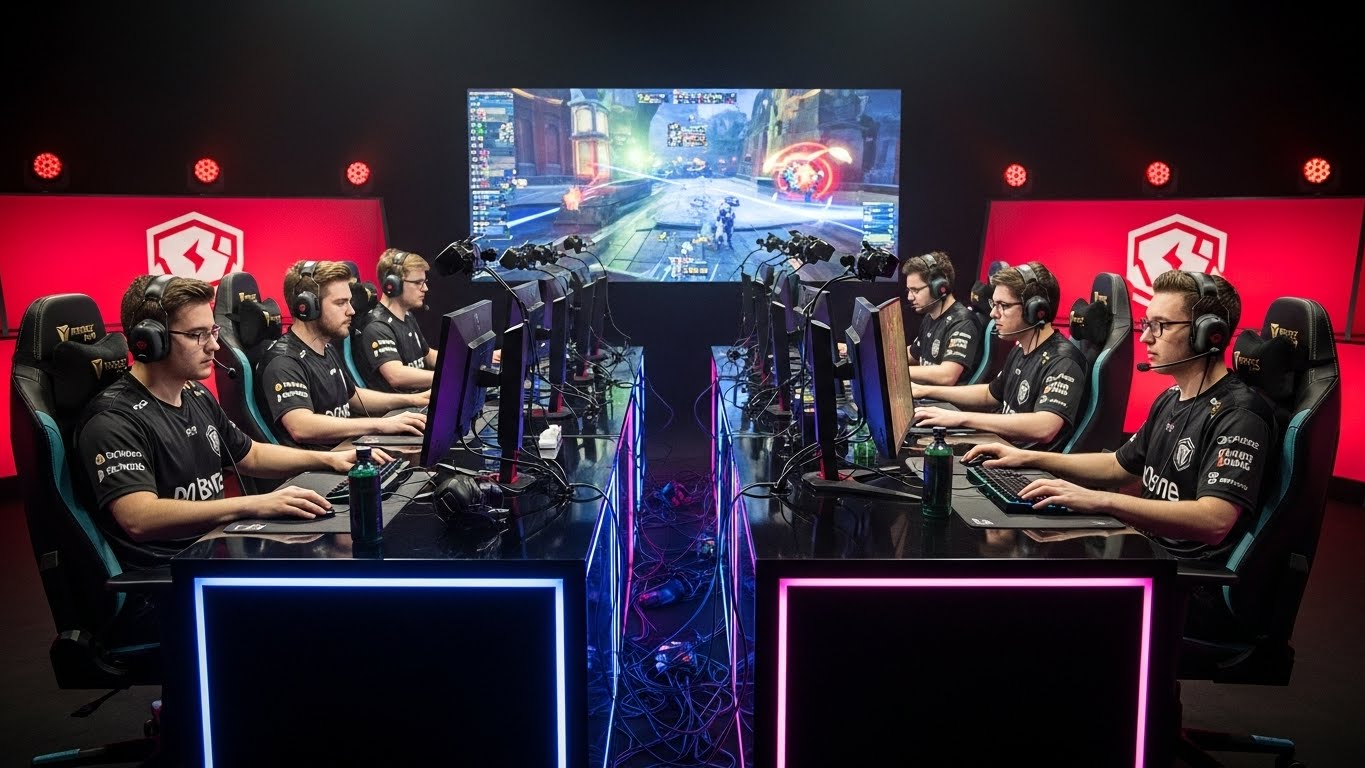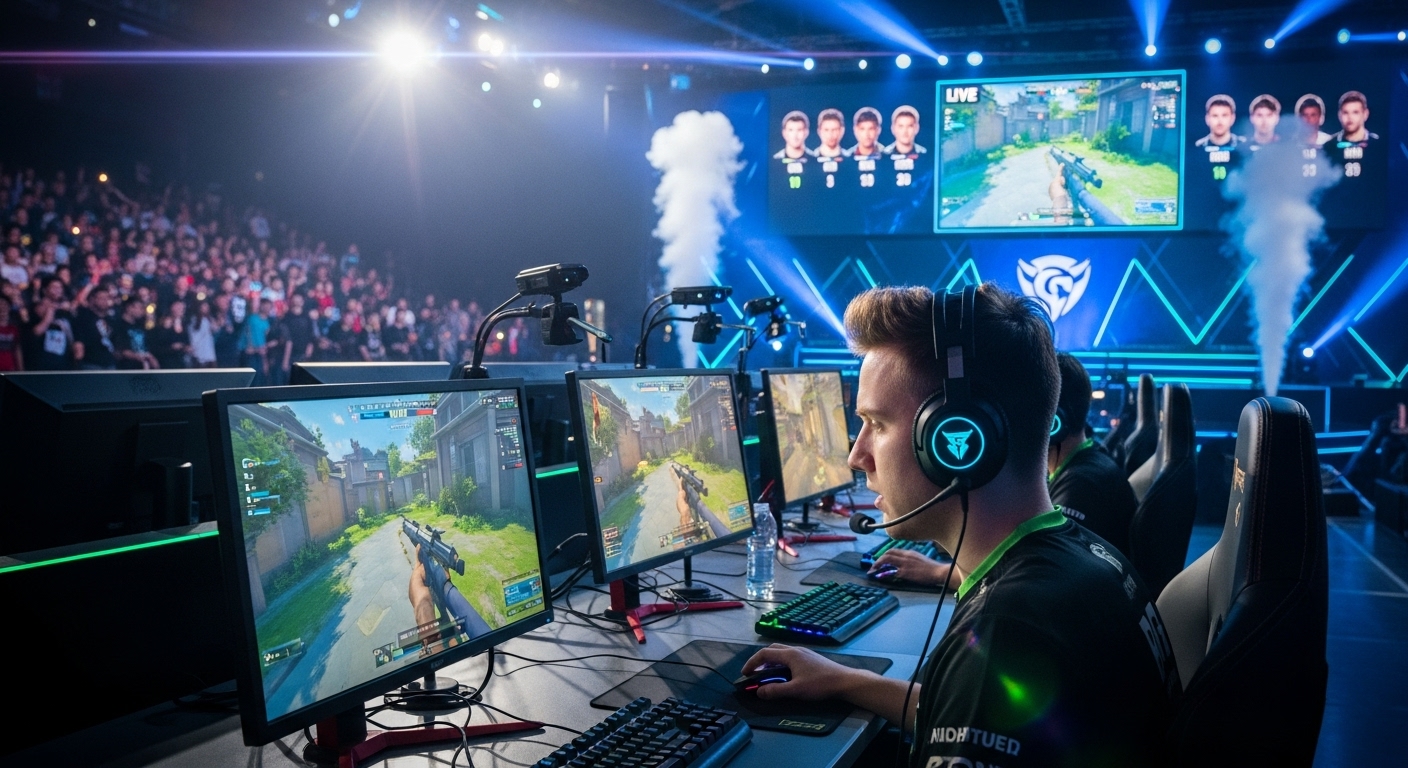
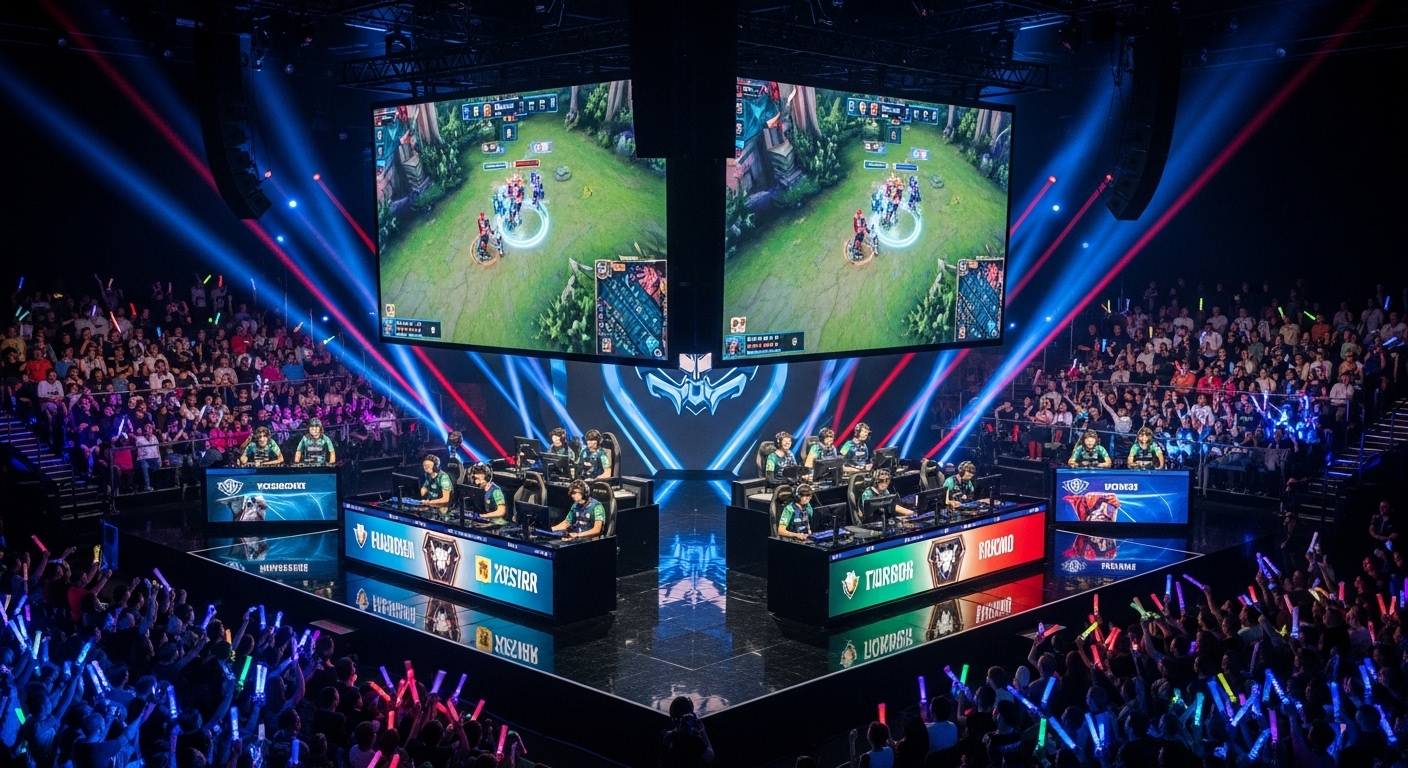
Esports, or electronic sports, has become a global phenomenon in recent years, rapidly growing from a niche hobby to a full-fledged, billion-dollar industry. With competitive gaming attracting millions of players, fans, and viewers worldwide, it’s clear that esports is here to stay. This blog post explores the rise of esports, its impact on gaming culture, and its potential future in the broader entertainment and sports landscape.
The Evolution of Competitive Gaming
Esports, in its simplest form, refers to organized, multiplayer video game competitions. These events can range from local tournaments to massive international championships, drawing in audiences comparable to traditional sports events. But the journey to this point has been long and complex.
In the early days of video gaming, competitions were informal and small-scale. The first notable esports event, the “Intergalactic Spacewar Olympics,” was held in 1972 at Stanford University. The game played was “Spacewar,” a popular arcade game at the time. As technology advanced, so did the scope of competitive gaming, with games like “Street Fighter” and “Quake” beginning to attract competitive players in the 1990s.
However, it wasn’t until the mid-2000s that esports began to take shape as a legitimate competitive industry. Games like “Warcraft III,” “StarCraft,” and “Counter-Strike” played a significant role in building the esports ecosystem. Online gaming platforms like Battle.net and Steam enabled players to compete against each other on a global scale, while websites and forums dedicated to esports began to pop up.
The rise of platforms like Twitch in 2011 revolutionized esports, allowing players to stream their gameplay to massive audiences. Twitch made it easier for fans to follow their favorite players and teams, significantly contributing to esports’ mainstream appeal.
The Impact of Esports on the Gaming Community
Esports has had a profound effect on the gaming community. For many years, video games were primarily seen as a form of entertainment, often associated with a “lonely” or “anti-social” stereotype. However, with the rise of esports, gaming has transformed into a social, collaborative, and highly competitive activity.
Players, streamers, and fans have developed a sense of community around esports. Online forums, social media platforms, and streaming services like Twitch, YouTube, and Discord have allowed players to connect with one another in real-time, share strategies, and engage in conversations about their favorite games. In many ways, esports has redefined the relationship between players and games, as individuals can now follow and support their favorite players, teams, and events as avidly as they would any other sport.
Furthermore, esports has contributed to a more inclusive gaming environment. Games that once catered primarily to a niche audience have now attracted players of all skill levels, genders, and backgrounds. This inclusivity has helped break down the stereotypes surrounding gaming and foster a diverse community of players, content creators, and fans.
The Growth of Esports as a Business
Esports is not just a recreational activity; it has become a highly lucrative industry. According to recent reports, the global esports industry is expected to generate over $1 billion in revenue in 2025. This figure includes income from sponsorships, advertising, media rights, ticket sales, and merchandise. Major tech companies, including Intel, Nvidia, and Samsung, have all invested heavily in esports sponsorships, and established brands like Coca-Cola, Red Bull, and Nike have also joined the esports ecosystem.
One of the key drivers behind esports’ financial growth has been its appeal to brands seeking to reach a young, tech-savvy audience. Esports fans are often highly engaged, and many are eager to support the brands associated with their favorite games and players. This has led to lucrative partnerships between esports organizations and top-tier companies, contributing to the overall growth of the industry.
Esports teams, similar to traditional sports teams, are also becoming increasingly valuable assets. Top-tier organizations like Team Liquid, Cloud9, and Fnatic have not only built a reputation in competitive gaming but also expanded their presence in the lifestyle and entertainment industries. These teams frequently collaborate with sponsors, launch merchandise, and even open gaming-related retail spaces.
The expansion of esports into mainstream media is another factor driving its financial growth. Traditional broadcasters like ESPN and cable networks have begun airing major esports tournaments, while streaming platforms like YouTube and Twitch remain at the heart of esports viewership. The increasing media rights for esports events, along with live broadcasts of tournaments and leagues, have made it clear that esports is a lucrative market for both investors and advertisers.
Esports Tournaments: The Modern-Day Olympics of Gaming
Esports tournaments have become the cornerstone of the industry. These events bring together the best players from around the world to compete for prestigious titles and substantial cash prizes. Some of the most notable esports tournaments include “The International” for “Dota 2,” “League of Legends World Championship,” and “CS:GO Major Championships.” These events attract millions of viewers, both online and in person.
One of the defining features of esports tournaments is the large-scale prize pools. For instance, the prize pool for “The International 2021” (Dota 2’s premier tournament) reached a staggering $40 million, with the winning team taking home more than $18 million. This level of financial reward has helped elevate esports players to celebrity status, with some professional gamers earning salaries and sponsorships that rival those of athletes in traditional sports.
Esports tournaments are now held in massive arenas, often in iconic venues like the “Madison Square Garden” in New York or the “Mercedes-Benz Arena” in Berlin. These tournaments often have multiple stages, with preliminary rounds leading to exciting finals. The electrifying atmosphere at these events, combined with live audiences, has helped create a unique experience for both players and fans.
The global nature of esports is another factor contributing to its success. Major tournaments often feature international teams competing in various titles, with players traveling from all corners of the world. This cross-cultural element adds to the appeal of esports and allows fans to witness the convergence of gaming cultures from different regions.
The Future of Esports: A Mainstream Phenomenon
The future of esports looks incredibly bright. As technology continues to evolve, new opportunities will arise for players, fans, and investors alike. With the rise of Virtual Reality (VR) and Augmented Reality (AR), it’s possible that we’ll see new immersive experiences for esports tournaments, providing fans with a more engaging way to watch events.
Furthermore, esports’ growing presence in educational institutions is another promising sign of its future. Many universities and colleges around the world are offering esports scholarships, supporting the development of competitive gaming programs, and even hosting their own esports tournaments. This shift toward legitimizing esports in academia will likely produce a new generation of skilled esports players, coaches, and analysts.
Esports is also on track to become more integrated into traditional sports media. Major sports organizations have started to recognize the appeal of esports, and we can expect further collaboration between the two industries. It’s not out of the question that, in the future, esports could be included in global sporting events like the Olympics, further cementing its place in the global entertainment landscape.
Conclusion: Esports as a Global Cultural Phenomenon
Esports has evolved from a fringe hobby into a global, billion-dollar industry that rivals traditional sports in terms of audience size, engagement, and revenue. It has revolutionized the gaming community, offering new opportunities for players, fans, and brands alike. With its rapid growth, esports shows no signs of slowing down, and its impact on global culture will continue to be felt for years to come.
As the industry continues to mature, it’s clear that esports is more than just a passing trend. It is a new era in entertainment, one where gaming has become a respected and celebrated form of competition. Whether you’re a casual gamer, an aspiring professional, or a dedicated fan, esports represents the future of how we play, watch, and engage with video games.
As the esports industry continues to expand, one thing is certain: gaming is no longer just for fun; it’s a legitimate, globally recognized sport that deserves its place in the spotlight.