Introduction
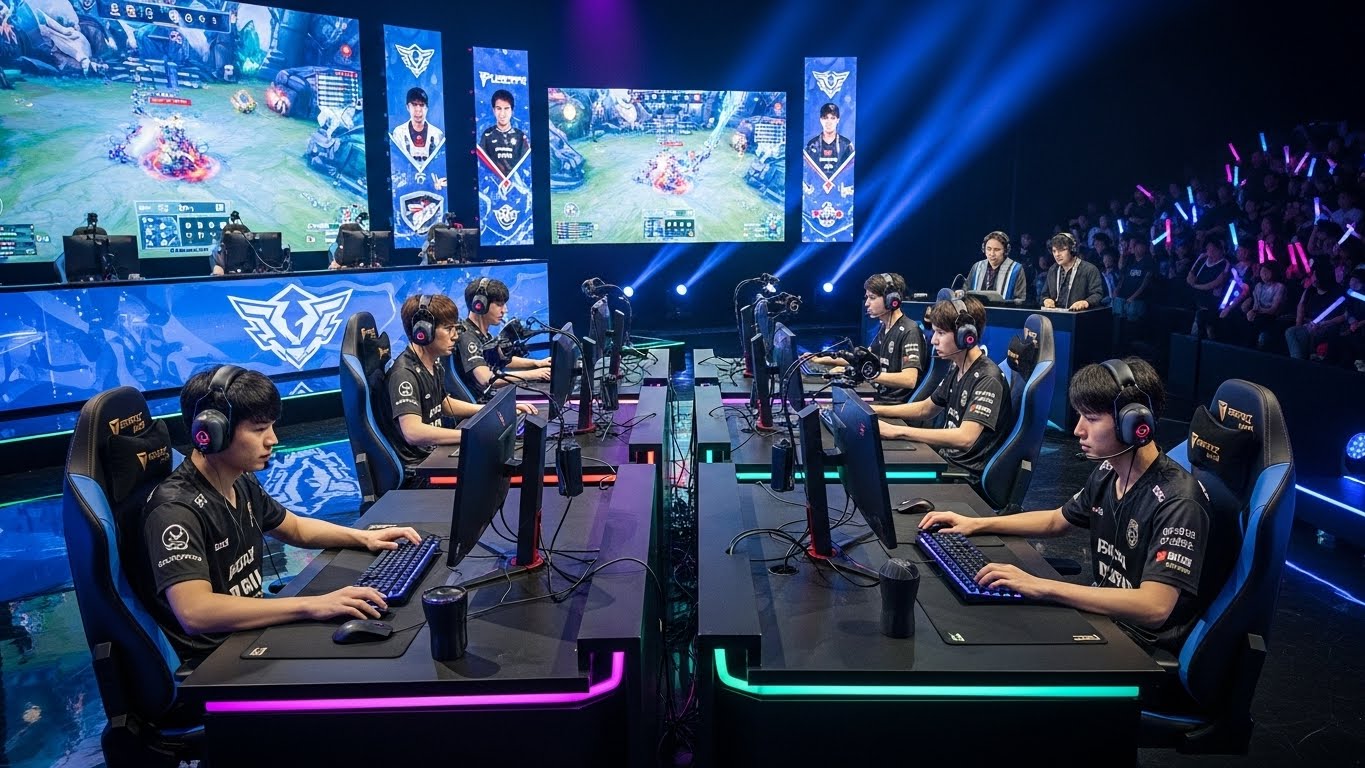
Two decades ago, gaming was something people did for fun after school or work. A way to relax, connect with friends, or escape into virtual worlds. Fast forward to today, and gaming has evolved into something far bigger — a multibillion-dollar global industry known as Esports. What started as casual matches between friends in living rooms has transformed into professional tournaments filling stadiums, streamed to millions of viewers around the world. Esports has changed how we view competition, entertainment, and even careers.
This post dives deep into how Esports grew from niche communities into a cultural and economic powerhouse. We’ll explore its origins, evolution, business side, player lifestyle, technology, and the challenges it faces as it continues to expand.
The Early Days of Competitive Gaming
The story of Esports begins long before streaming platforms or gaming PCs became household staples. Competitive gaming traces back to the early 1970s when universities like Stanford hosted small-scale video game tournaments. The prizes were modest, but the passion for competition was already evident.
By the 1980s and 1990s, arcade gaming created a culture around high scores and local bragging rights. Titles like Pac-Man, Space Invaders, and Street Fighter II set the foundation for what competitive gaming could become. Magazines started publishing leaderboards, and televised segments occasionally featured top players. It was still underground compared to traditional sports, but the seed had been planted.
The real momentum came with the internet. As online multiplayer games appeared in the late 1990s, especially StarCraft, Counter-Strike, and Quake, the idea of large-scale competition became viable. Gamers could now compete against opponents around the world, forming early teams and communities that would later evolve into professional organizations.
The 2000s: From LAN Parties to Global Tournaments
The early 2000s marked a turning point. Broadband internet became more accessible, and so did online gaming. LAN parties — where gamers gathered to play together in person — became major social and competitive events. Titles like Halo, Warcraft III, and Call of Duty built the foundation for structured team-based gameplay.
In South Korea, Esports exploded into mainstream culture. Television networks began broadcasting StarCraft matches to massive audiences. Players like BoxeR and Flash became national icons, and gaming houses were established where teams lived and trained together. This professional model inspired the rest of the world and showed that gaming could be a legitimate spectator sport.
By the late 2000s, organizations like Major League Gaming (MLG) in the United States began hosting large-scale tournaments. Prize pools started to climb, sponsors took interest, and fans treated players like rockstars. Esports was no longer just about playing games — it was becoming a profession.
The 2010s: Esports Goes Mainstream
If the 2000s were about building infrastructure, the 2010s were about domination. Streaming platforms like Twitch and YouTube Gaming gave Esports global visibility. Anyone, anywhere, could now watch tournaments live and chat in real time with millions of others.
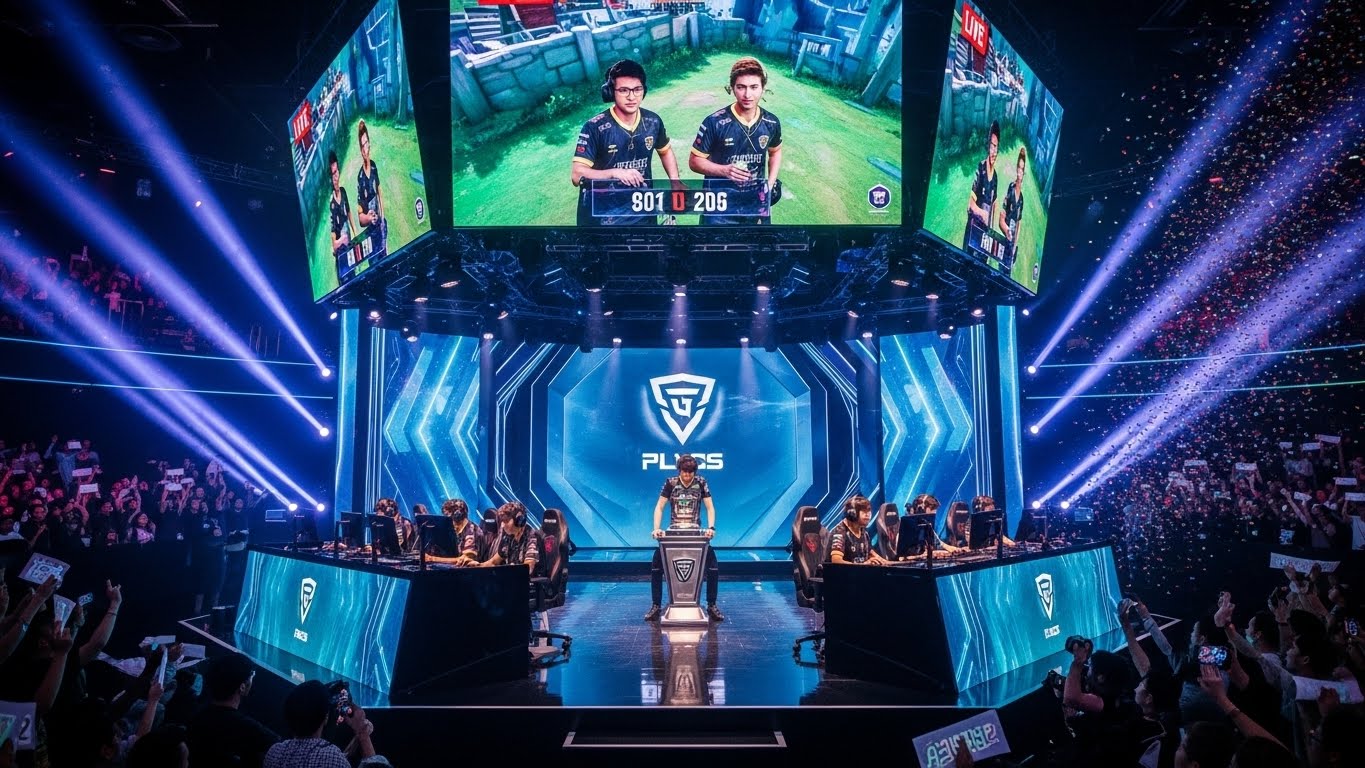
Games like League of Legends, Dota 2, and Counter-Strike: Global Offensive led the charge. Riot Games launched the League of Legends World Championship, packing arenas and offering multimillion-dollar prizes. Valve’s Dota 2 International followed, funded through in-game purchases by fans — a groundbreaking model that united communities and boosted prize pools beyond traditional sports payouts.
Suddenly, gaming wasn’t just something people did — it was something people watched. Esports stars like Faker, s1mple, and Ninja became household names, with social media followings rivaling traditional athletes. The line between gamer and celebrity blurred completely.
Mainstream brands like Coca-Cola, Intel, and Mercedes-Benz joined the scene. Universities began offering Esports scholarships. ESPN started broadcasting matches. The legitimacy of Esports as both entertainment and competition was now undeniable.
The Globalization of Esports
One of the most remarkable things about Esports is its universal appeal. Unlike many traditional sports that are regional or culture-specific, Esports crosses language and geographic barriers effortlessly.
Players from different countries can compete on the same team, united by skill rather than nationality. Fans in Brazil can support a team from Denmark just as passionately as their own. The accessibility of gaming — needing only a console, PC, or even a phone — means anyone can join, regardless of where they’re from.
Asia remains a powerhouse in the Esports landscape, especially South Korea and China. North America and Europe have established strong leagues and teams. Meanwhile, countries like Brazil, India, and Indonesia are emerging as new giants, thanks to affordable mobile gaming and faster internet.
The result is a vibrant global ecosystem where tournaments are watched in multiple languages, and international rivalries drive excitement much like the World Cup in traditional sports.
The Business Behind the Games
Behind every successful Esports event lies an intricate business structure. Teams operate as full-fledged organizations, complete with managers, coaches, analysts, and marketing departments. They secure sponsorships, negotiate contracts, and develop fan engagement strategies similar to football or basketball clubs.
Revenue comes from multiple sources: sponsorships, advertising, media rights, merchandise, and ticket sales for live events. Game publishers also play a central role, often organizing or licensing tournaments to ensure consistent branding and integrity.
For example, Riot Games runs the League of Legends Championship Series (LCS), while Activision Blizzard oversees the Overwatch League and Call of Duty League. These leagues adopt models inspired by traditional sports — complete with franchising, regional teams, and revenue sharing.
Investment from venture capital firms and traditional sports franchises has skyrocketed. NBA teams like the Golden State Warriors and football clubs like Paris Saint-Germain have entered the Esports arena. The industry’s valuation surpassed a billion dollars globally before 2020 and continues to grow steadily.
The Life of an Esports Player
At first glance, playing video games professionally might sound like a dream job. But behind the glamour lies intense discipline, pressure, and sacrifice.
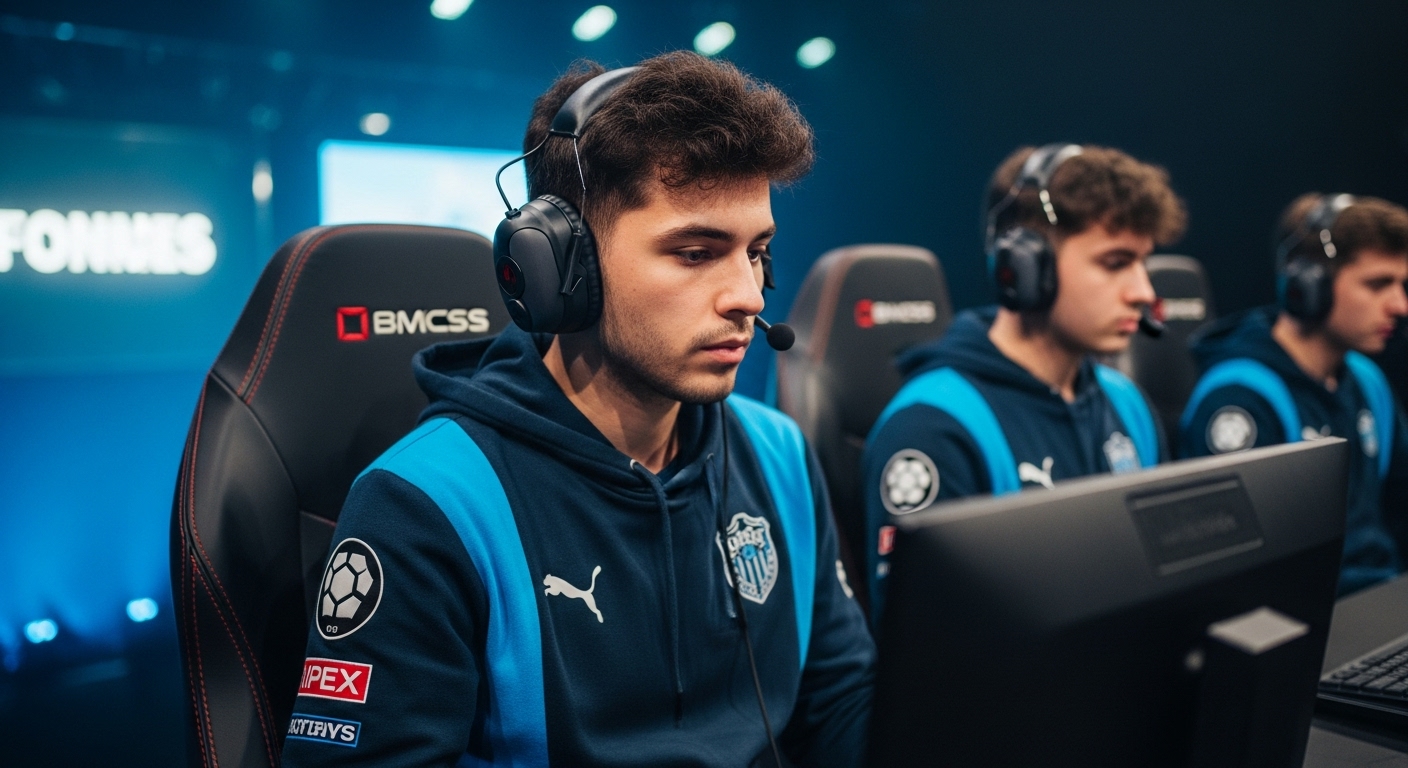
Top Esports players often train 8 to 12 hours a day, analyzing gameplay, studying opponents, and refining strategies. Team chemistry, communication, and reaction time are just as vital as physical conditioning in traditional sports. Many players work with nutritionists, mental health coaches, and physiotherapists to maintain performance.
The career span, however, tends to be short. Reflexes decline with age, and younger players continuously enter the scene hungry to prove themselves. Retirement often comes by the late 20s, though many transition into coaching, streaming, or content creation afterward.
Despite the challenges, the rewards can be significant. Top players earn salaries, sponsorships, and tournament winnings worth hundreds of thousands — even millions — per year. And beyond the money, they earn the respect of a passionate, loyal fan base.
The Role of Technology in Esports
Technology is the backbone of Esports. Advances in gaming hardware, high-speed internet, and streaming software have made global competition seamless.
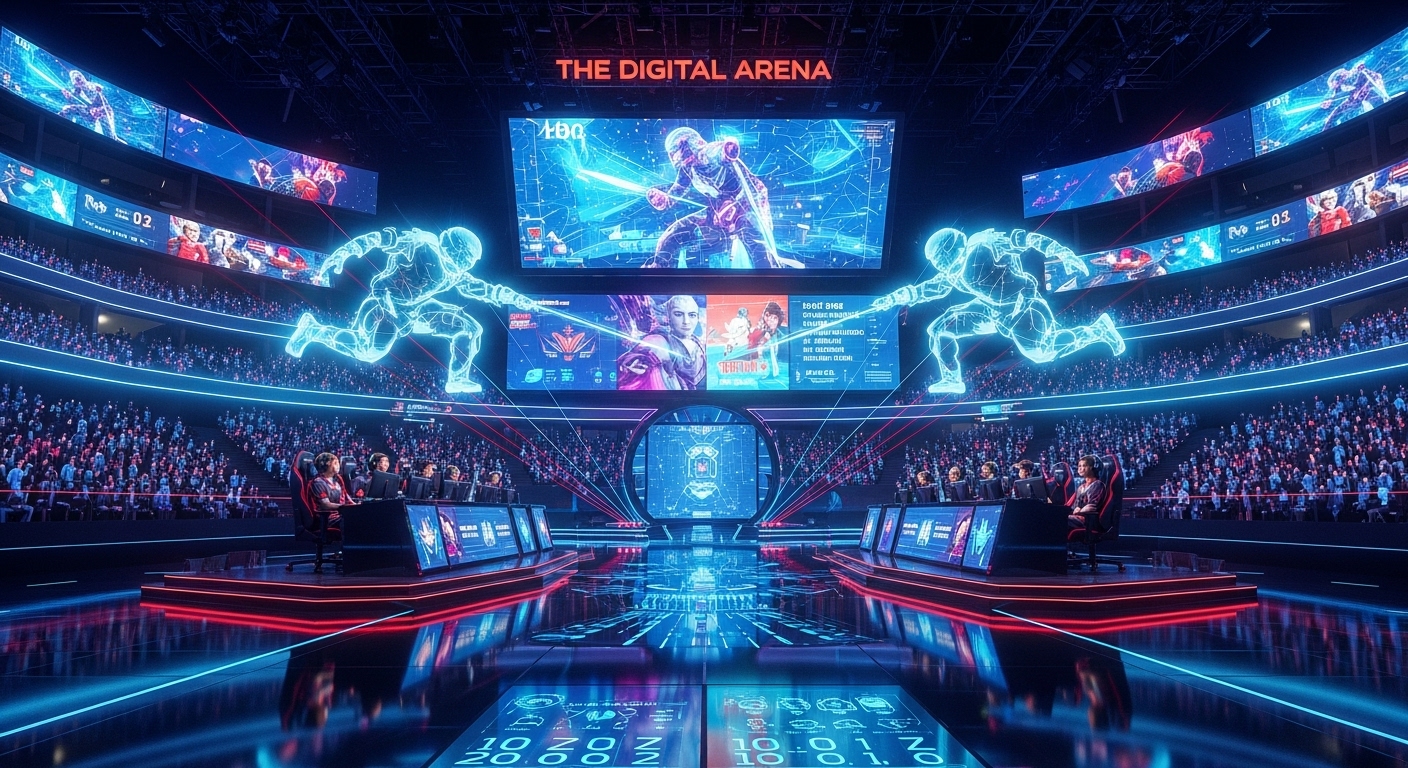
High-refresh-rate monitors, mechanical keyboards, and gaming mice with pinpoint accuracy are now standard tools of the trade. Virtual reality and augmented reality are pushing boundaries further, opening possibilities for immersive experiences for both players and spectators.
Streaming technology has also revolutionized accessibility. Anyone can start a career by broadcasting their gameplay, and platforms allow direct fan interaction. This has built a culture of transparency and connection rarely seen in other entertainment industries.
Cloud gaming and AI-powered coaching tools are now part of training programs. Teams use analytics to evaluate player performance, much like professional sports teams study game footage and data metrics.
The Impact of Mobile Esports
In recent years, mobile gaming has transformed Esports accessibility. Titles like PUBG Mobile, Free Fire, and Mobile Legends have brought competitive gaming to millions who might not own high-end PCs or consoles.
Mobile tournaments attract massive audiences, particularly in regions like Southeast Asia, India, and Latin America. For many players, mobile Esports has become an entry point into professional gaming.
This shift has also changed the demographic landscape. Esports is no longer dominated by PC players from developed nations. Instead, mobile Esports has given rise to diverse talents and fanbases, making the industry more inclusive than ever.
Esports as a Career Path
The rise of Esports has created an entirely new range of professions. Beyond players and coaches, there are shoutcasters (commentators), analysts, content creators, event organizers, and marketing specialists.
Educational institutions are now offering degrees in Esports management, production, and marketing. Students learn how to organize tournaments, handle branding, and manage teams. These programs prepare a new generation of professionals who will shape the industry’s future.
For young gamers, the dream isn’t just to “go pro” anymore. Many see Esports as a gateway into tech, media, and entertainment careers — all connected to gaming’s growing influence.
Esports and the Entertainment Industry
Esports has changed how people consume entertainment. Viewers are no longer passive spectators; they are part of an interactive experience. Chat rooms, fan polls, and social media engagement turn tournaments into live digital festivals.
Collaborations between gaming and entertainment industries are becoming more common. Music artists perform during Esports finals, and film studios partner with game developers for promotions. The crossover appeal continues to blur lines between gaming, pop culture, and mainstream media.
The success of virtual events, especially during the pandemic, proved that Esports can thrive even when traditional sports paused. This adaptability ensures its place as a cornerstone of modern entertainment.
Challenges Facing Esports
Despite its growth, Esports faces significant challenges. Player burnout is a persistent issue, with long hours and constant travel taking a toll on mental health. The lack of universal regulation also creates inconsistencies in contracts, pay, and working conditions across regions.
Cheating and match-fixing remain threats to competitive integrity. Game publishers and tournament organizers continue developing technologies and policies to detect and prevent manipulation.
There’s also the question of sustainability. As the industry grows, maintaining fair competition, supporting grassroots communities, and ensuring long-term fan engagement are vital to keeping Esports stable.
Diversity is another area of focus. While the player base is broad, representation in professional teams and leadership roles still has room to grow. Efforts are underway to create safer, more inclusive environments for everyone.
The Future of Esports
The future of Esports looks bright and boundless. With new technologies, evolving games, and growing investment, the possibilities are endless.
Virtual reality tournaments could bring physical movement into digital competition. Cloud gaming will make high-quality Esports accessible from any device. Artificial intelligence could help design smarter training systems and even adaptive opponents.
But the real power lies in community. Fans drive the culture, support the players, and shape what Esports becomes next. As long as passion for gaming exists, Esports will continue to evolve, inspire, and unite people across the globe.
We might soon see Esports included in global sporting events like the Olympics, further blurring the line between digital and physical sports. What was once seen as a niche hobby has proven itself to be a defining part of 21st-century culture.
Conclusion
Esports isn’t just about competition — it’s about connection, creativity, and evolution. It’s a world where strategy meets storytelling, where skill meets technology, and where millions gather to celebrate what they love.
From dimly lit arcades to packed stadiums, from LAN parties to worldwide broadcasts, the journey of Esports is one of the most remarkable success stories of modern entertainment. It represents how far gaming has come and how much further it can go.
As technology advances and the world becomes more connected, Esports will continue to redefine what it means to be an athlete, an entertainer, and a fan. It’s not just a game anymore. It’s a movement — one that’s here to stay.