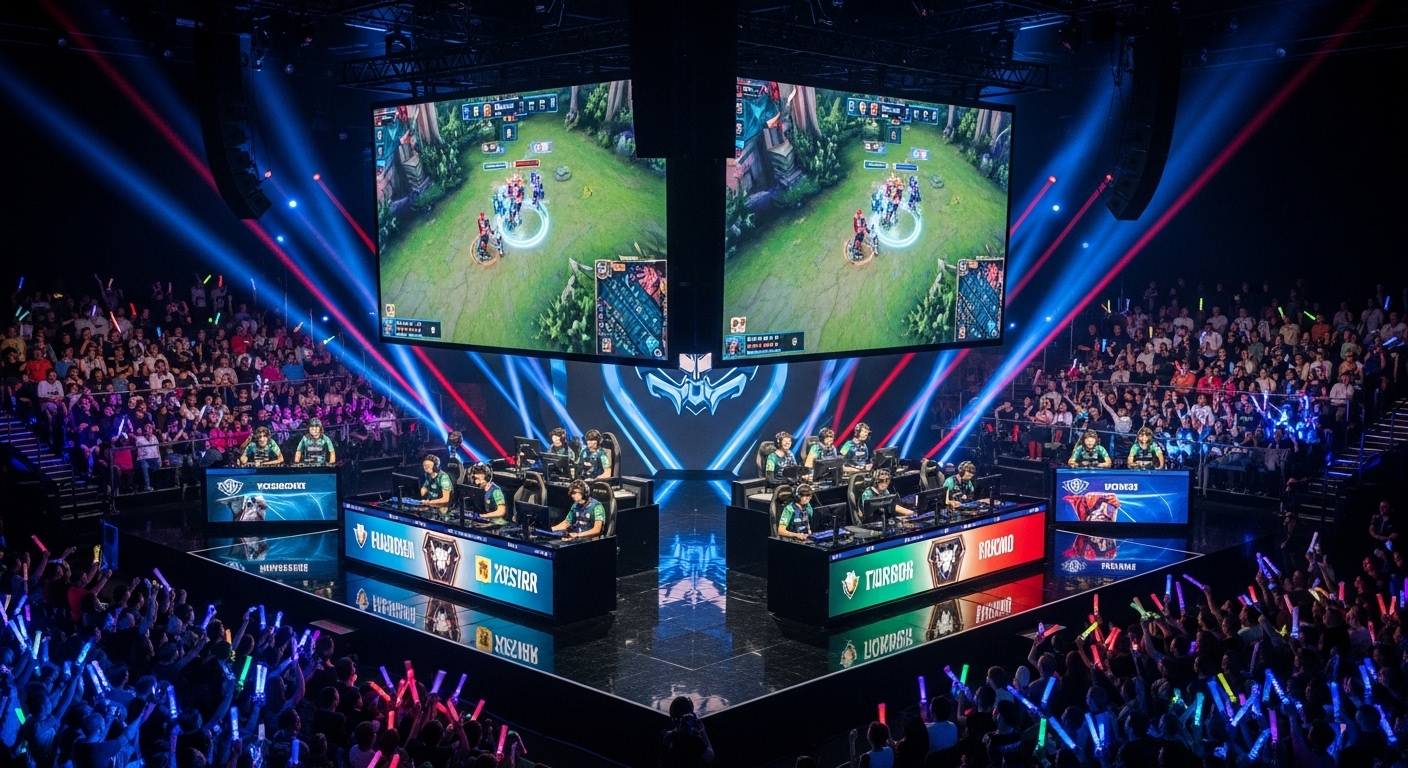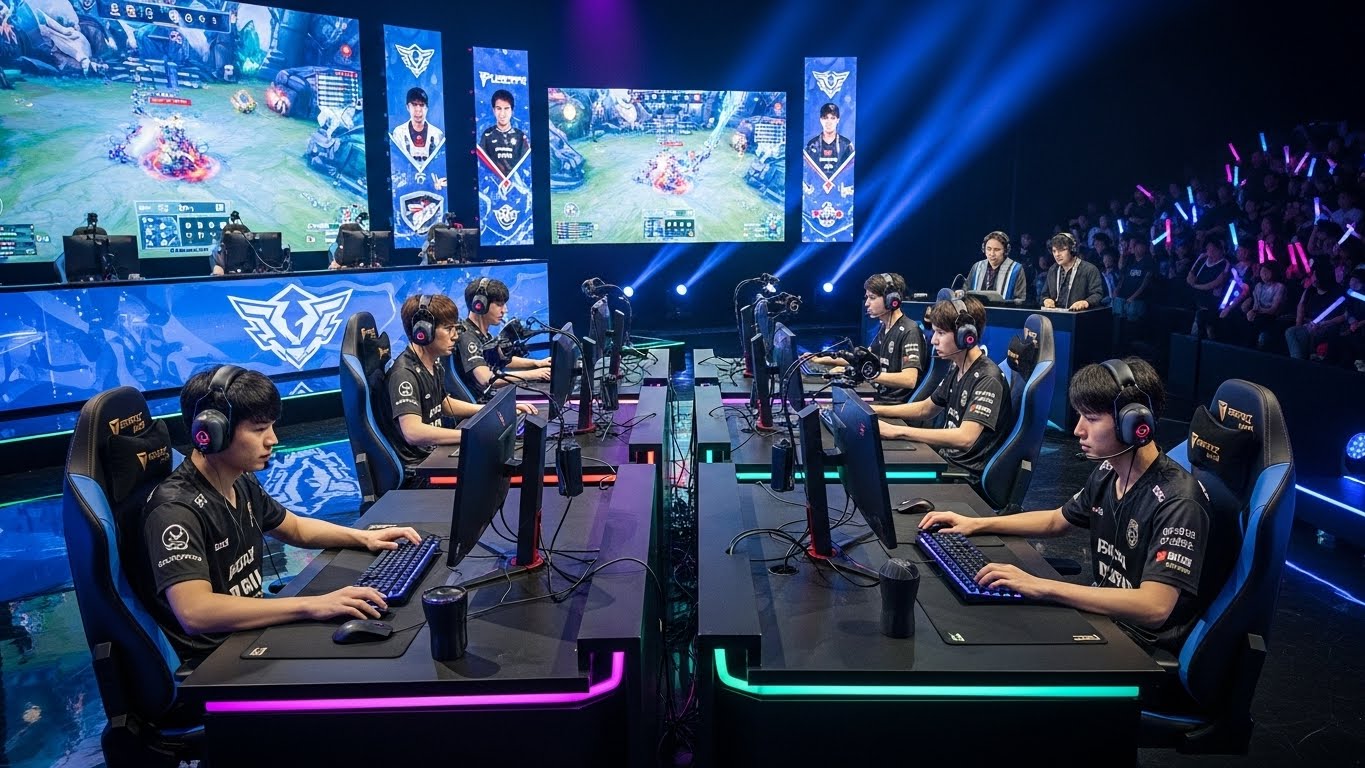
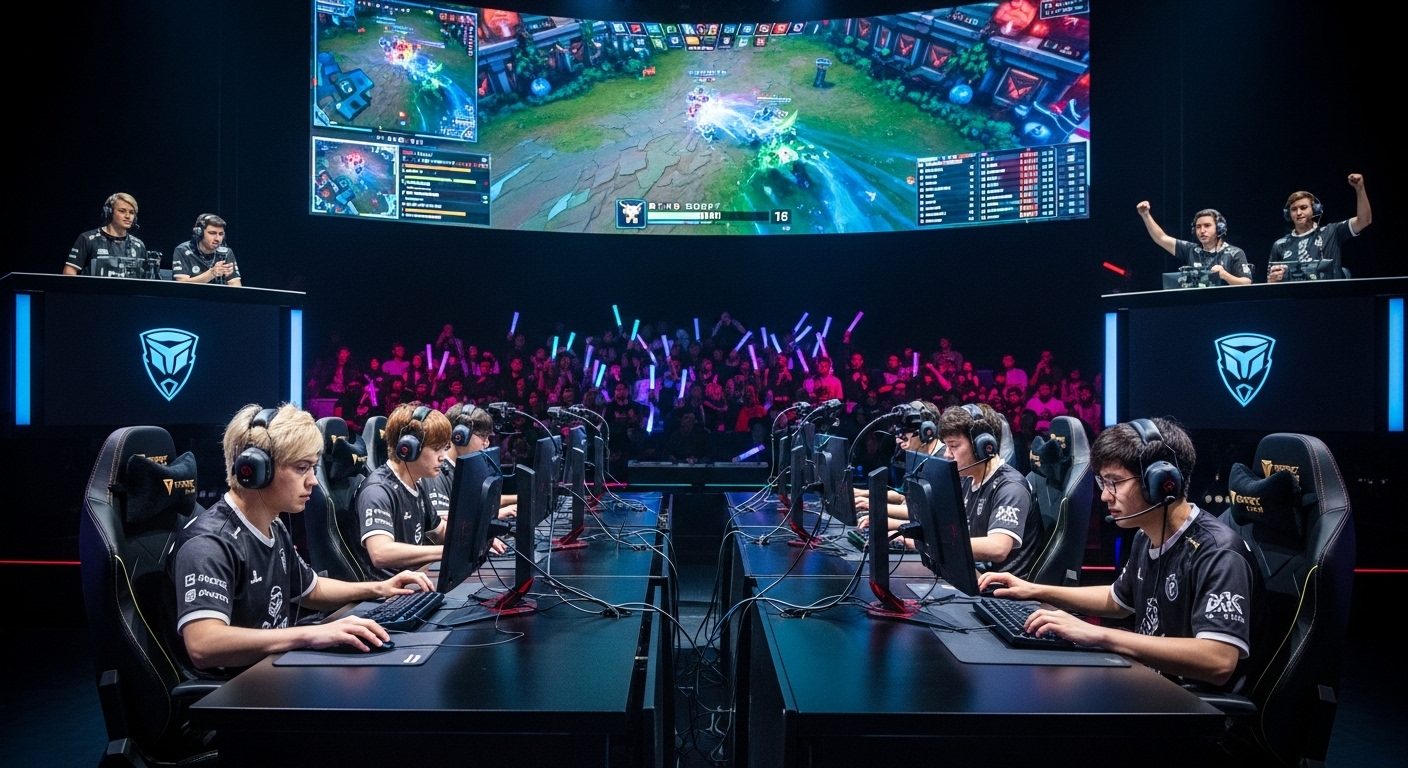
Esports, or competitive video gaming, has experienced extraordinary growth over the past few decades. What once was considered a niche hobby has transformed into a multi-billion-dollar global industry, captivating millions of fans, players, and investors worldwide. Esports encompasses a broad spectrum of games, from strategy-based MOBAs to fast-paced first-person shooters, survival-oriented battle royales, and immersive sports simulations. Unlike traditional sports, esports relies heavily on cognitive skills, reflexes, teamwork, and strategic thinking, making it a unique form of competition that combines entertainment, technology, and culture.
The appeal of esports lies not only in its competitive nature but also in the communities it builds. Fans engage with their favorite teams, players, and content creators through streaming platforms, social media, and live events. The industry has developed into a complex ecosystem with professional leagues, sponsorships, merchandise, and global tournaments. Beyond being an entertainment medium, esports has become a legitimate career path, a technological driver, and a cultural phenomenon, redefining what it means to compete and succeed in a digital age.
The Origins of Competitive Gaming
Esports has its roots in the early days of video gaming. In the late 1970s and early 1980s, arcade games such as Space Invaders, Pac-Man, and Donkey Kong introduced players to competitive play through high-score challenges. While these contests were informal, they demonstrated the appeal of skill-based gaming and the potential for organized competition. Players would travel to arcades to test their abilities and establish reputations, laying the groundwork for more structured tournaments in the future.
The 1990s brought a new era with the rise of personal computers and online gaming. Games like Doom, Quake, and StarCraft allowed players to compete over local area networks and the internet. LAN parties became popular, creating social spaces for gamers to compete, collaborate, and strategize. These gatherings fostered early esports communities and established the foundations for professional competition. With cash prizes, leaderboards, and organized tournaments, competitive gaming began to attract serious players and set the stage for professionalization.
The Professionalization of Esports
By the early 2000s, esports had moved beyond casual competitions into professional territory. Players began forming teams, signing contracts, and receiving salaries. South Korea became a pioneer in professional gaming, particularly in StarCraft, where players achieved celebrity status and were featured in mainstream media. Esports leagues emerged, bringing structure and legitimacy to the industry. Sponsorship deals, broadcast coverage, and dedicated venues helped transform esports into a professional pursuit.
Professional esports requires dedication, discipline, and continuous skill development. Players spend hours each day practicing mechanics, strategizing with teammates, and analyzing opponents. Coaches, analysts, and support staff contribute to refining team performance. Mental resilience is essential, as players must perform under high pressure in front of live audiences or millions of online viewers. The professionalization of esports has elevated gaming to a serious, career-oriented activity, bridging the gap between entertainment and sports.
Major Esports Genres and Games
Esports encompasses a wide variety of genres, each attracting different audiences and skill sets. Multiplayer Online Battle Arenas, or MOBAs, such as League of Legends and Dota 2, emphasize strategy, teamwork, and long-term planning. Players must understand character abilities, coordinate with teammates, and control objectives on complex maps. First-Person Shooters like Counter-Strike: Global Offensive and Call of Duty focus on precision, reflexes, and tactical awareness. Real-Time Strategy games like StarCraft II test players’ decision-making, resource management, and adaptability. Battle Royale games, including Fortnite and Apex Legends, combine survival, quick thinking, and high-intensity competition.
Each genre cultivates unique competitive communities. MOBAs attract fans who enjoy analyzing complex strategies and teamwork. FPS games engage audiences who appreciate fast-paced action and precision. Battle Royale games captivate fans with unpredictable outcomes, high stakes, and dynamic gameplay. The diversity of genres ensures that esports appeals to a broad audience while fostering specialized communities around each type of game.
Esports Tournaments and Global Competition
Tournaments are the lifeblood of esports. These events gather the best players and teams from around the world to compete for prestige, prize money, and recognition. High-profile tournaments such as The International for Dota 2, the League of Legends World Championship, and the Fortnite World Cup attract millions of viewers and feature multi-million-dollar prize pools. They combine competitive intensity, production spectacle, and audience engagement, creating an experience similar to traditional sports finals.
Esports tournaments test both individual skill and team coordination. Players must make split-second decisions, adapt to opponents’ strategies, and maintain focus throughout high-pressure matches. The narrative elements of tournaments—underdogs, rivalries, and championship journeys—create compelling stories that resonate with fans. Spectators are not merely passive observers; they participate through live chat, social media, and fan communities, making esports an interactive experience.
The Role of Streaming Platforms
Streaming platforms have transformed esports into a global entertainment medium. Services such as Twitch and YouTube Gaming allow fans to watch professional matches, interact with players, and become part of online communities. Streaming has also provided players with opportunities to build personal brands, generate income, and engage directly with fans outside of tournaments.
The democratization of esports through streaming allows amateur players to showcase their talents to worldwide audiences. Fans can discover new players, participate in live discussions, and follow their favorite teams. Interactive features such as chat, polls, and digital rewards enhance engagement and create a participatory culture, bridging the gap between players and viewers.
Cultural Influence and Global Reach
Esports has grown into a significant cultural force. It has influenced fashion, music, social media trends, and lifestyle choices. Professional players are recognized as celebrities, with fan followings rivaling traditional athletes. Team branding, merchandise, and sponsorships contribute to a culture that extends beyond gaming, impacting entertainment and youth culture worldwide.
Esports challenges traditional notions of sports and competition. It demonstrates that mental acuity, strategy, and teamwork are as valuable as physical strength. International competition encourages cultural exchange and collaboration, connecting players and fans across borders. Esports communities foster inclusivity, diversity, and shared passion, creating a global network united by gaming.
Careers Beyond Professional Players
The esports industry offers numerous career opportunities beyond playing professionally. Coaches, analysts, commentators, event organizers, content creators, marketers, and software developers all play crucial roles. Tournament organizers manage logistics and production, ensuring smooth events, while analysts and data scientists provide insights that improve gameplay and strategies. Marketing professionals and sponsors drive engagement and revenue, and journalists cover the industry for global audiences.
Educational institutions are increasingly recognizing esports, offering programs, research initiatives, and scholarships. These programs train students in game design, management, media production, and competitive strategy, contributing to the professionalization and sustainability of the industry. Esports is not only a career path but also a multidisciplinary ecosystem that intersects technology, business, and entertainment.
Technological Innovations Driving Esports
Technology is at the heart of esports. High-performance computers, low-latency networks, advanced gaming peripherals, and immersive streaming platforms are essential for competitive play. Artificial intelligence and analytics allow teams to study opponents, optimize strategies, and improve performance. Emerging technologies such as virtual reality, augmented reality, and cloud gaming promise to create new immersive experiences for both players and spectators.
Technological advancements also enhance the spectator experience. Interactive broadcasts, real-time statistics, and AI-driven insights engage audiences on a deeper level. Advanced training tools allow players to refine skills, simulate scenarios, and gain a competitive edge. The symbiotic relationship between technology and esports ensures continuous innovation and growth within the industry.
The Globalization of Esports
Esports is a truly global phenomenon. South Korea is known for its professional StarCraft and League of Legends players, China dominates games like Dota 2 and Honor of Kings, and North America and Europe produce top-tier FPS and MOBA players. Emerging regions in Latin America, Southeast Asia, and the Middle East are expanding competitive gaming scenes, creating a truly international ecosystem.
Globalization fosters diversity in strategies, gameplay, and fan engagement. Players and teams from different backgrounds compete and collaborate, building cultural exchange and cross-border rivalries. Fans support teams worldwide, creating a sense of community and shared passion that transcends geographic boundaries. Esports has become a universal language, connecting people through competition, entertainment, and shared experiences.
The Future of Esports
The future of esports is bright and full of potential. Advances in virtual reality, augmented reality, and cloud gaming will enhance immersion and accessibility. AI-driven analytics will refine player performance, coaching methods, and strategic planning. Tournaments will grow in scale, production quality, and global reach, attracting larger audiences and sponsorships.
Esports will continue integrating with mainstream entertainment, education, and business. Universities and schools will expand programs and scholarships, while media companies increase coverage and content creation. The industry will influence lifestyle, culture, and technology, continuing to redefine how people play, watch, and engage with competitive entertainment.
Conclusion
Esports has transformed from casual gaming into a global, multi-billion-dollar industry that combines skill, strategy, technology, and culture. Professionalization, streaming platforms, international tournaments, and technological innovation have legitimized competitive gaming as both a career and cultural phenomenon. It connects players and fans worldwide, challenges traditional perceptions of sports, and creates opportunities for professional, educational, and entrepreneurial growth.
Esports is more than just playing video games—it is a competitive, cultural, and technological force. It fosters global communities, inspires innovation, and provides thrilling entertainment for millions. As technology advances and audiences grow, esports will continue to evolve, redefine competition, and cement its place as a dominant form of entertainment in the modern era.
The world of esports is vast, dynamic, and unstoppable, proving that digital competition has become one of the most exciting and influential forms of global entertainment.