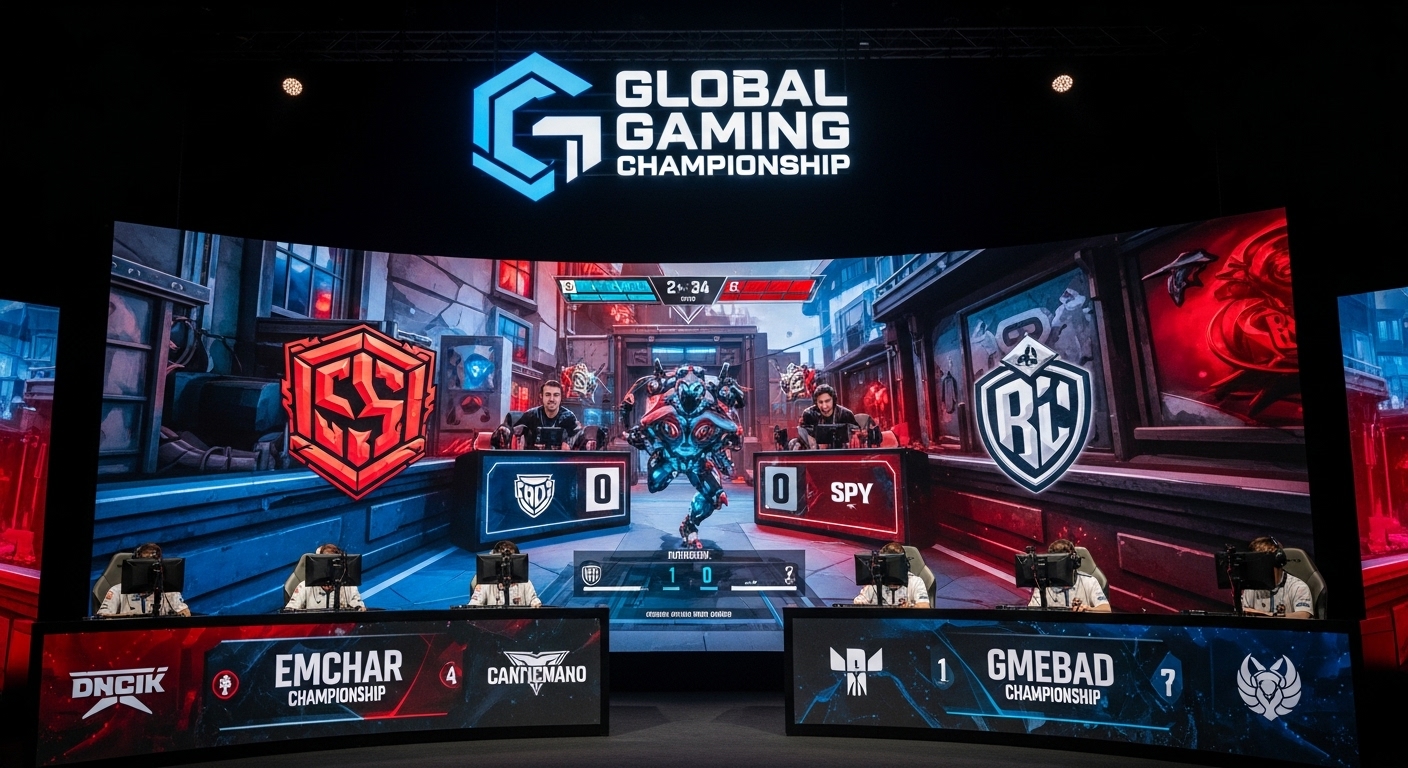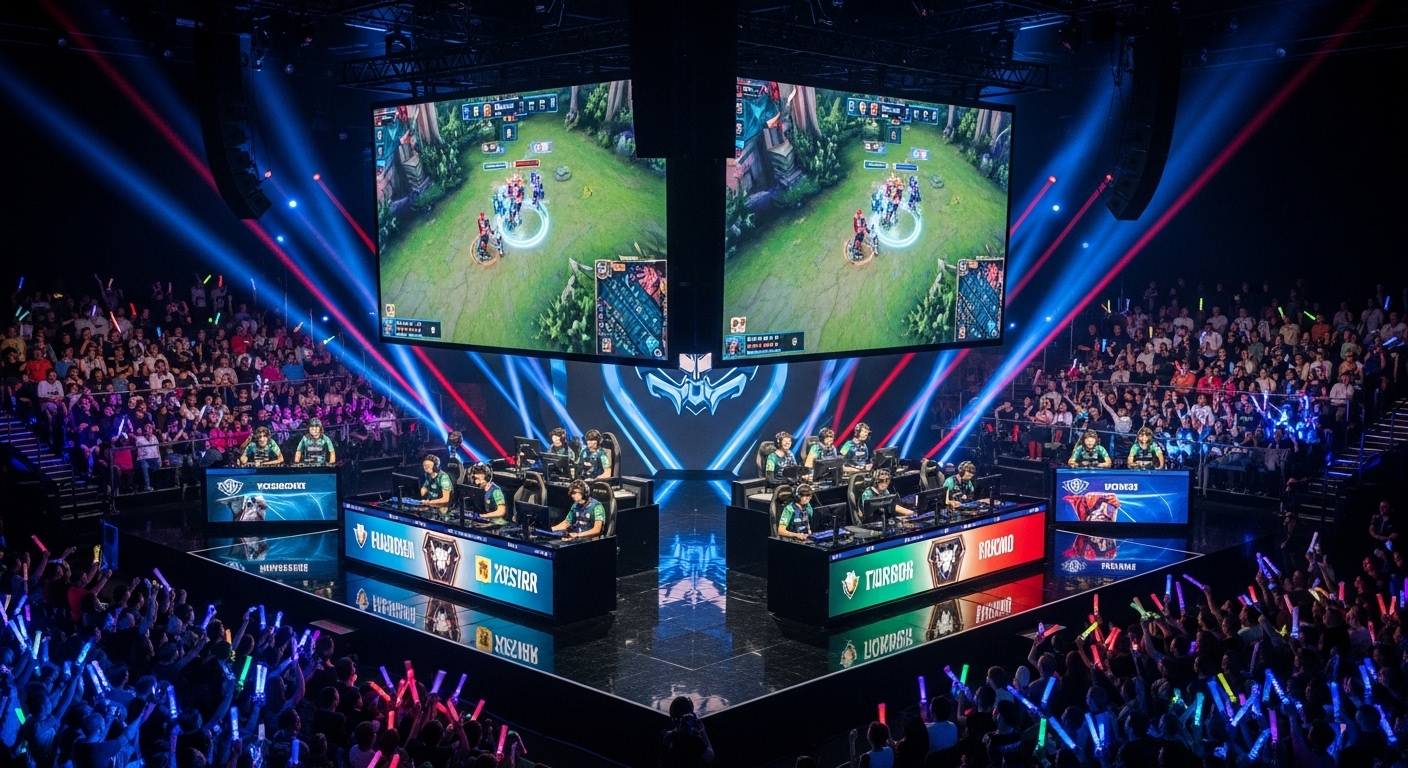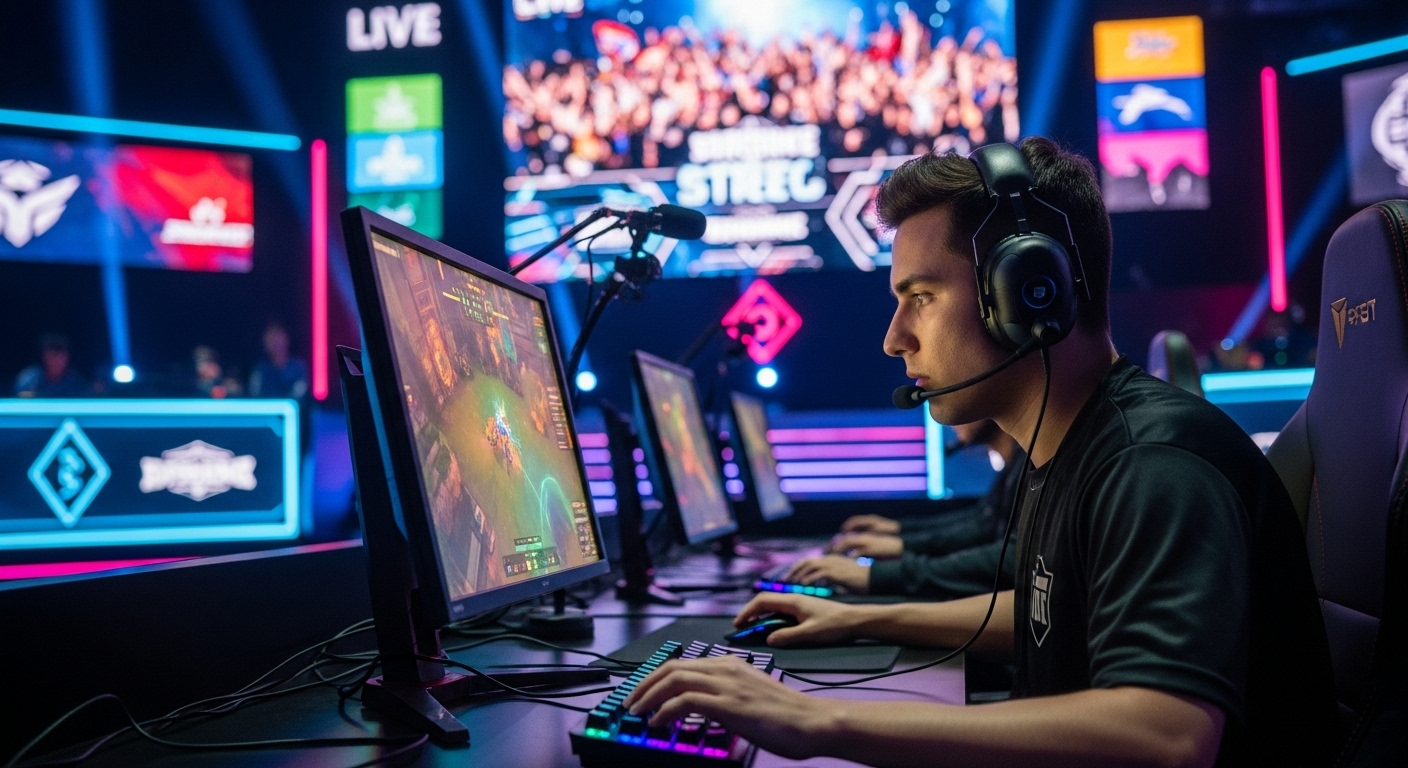
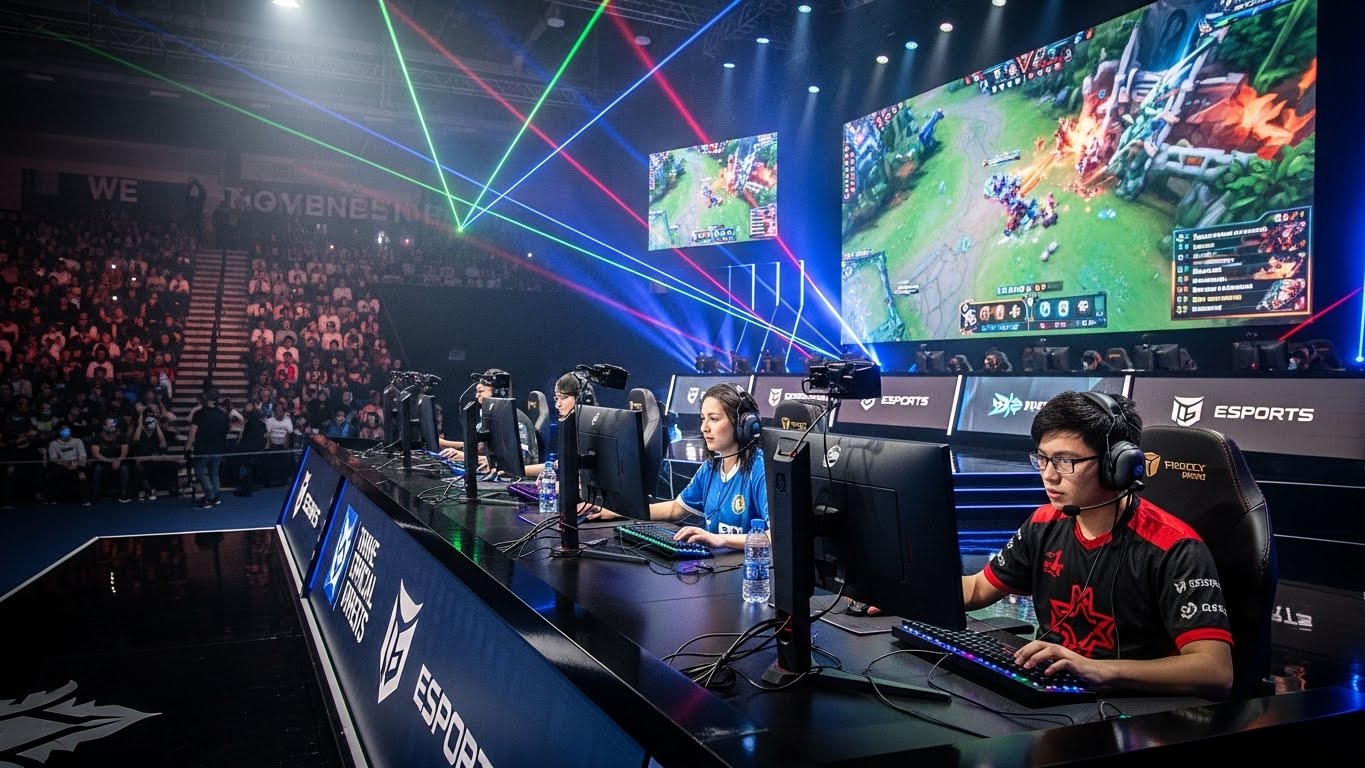
Over the past decade, the world of competitive gaming has transformed from a niche hobby to a global phenomenon. Esports, short for electronic sports, is no longer just about playing video games for fun; it’s a multi-billion-dollar industry, complete with professional teams, massive tournaments, sponsorships, and even a growing fan base that rivals traditional sports in scale. With millions of people tuning in to watch their favorite players and teams battle it out for glory, esports has solidified its place as a cornerstone of digital entertainment.
In this blog post, we will explore the evolution of esports, the factors contributing to its rapid rise, its impact on the gaming and entertainment industries, and the future potential of competitive gaming.
What is Esports?
At its core, esports is organized, multiplayer video gaming in which players or teams compete against each other in various video game titles. These competitions can take place online or in live, on-site events. Games like League of Legends, Dota 2, Counter-Strike: Global Offensive, Fortnite, Overwatch, and Call of Duty have become household names in the esports scene, each hosting high-stakes tournaments with prize pools worth millions of dollars.
Esports is not just about gaming; it’s a complete entertainment ecosystem. Players undergo extensive training, develop strategies, and even create content for their fans on platforms like Twitch and YouTube. The industry is supported by teams, coaches, analysts, broadcasters, and event organizers, all working together to create the electrifying experience fans have come to expect.
The Growth of Esports: From Hobby to Profession
Esports didn’t emerge overnight. Its journey began in the early days of online gaming in the 1990s. Early titles like StarCraft and Quake had modest competitive scenes that were mainly community-driven. However, as the internet became more accessible and game developers began designing games specifically for competitive play, esports began to take shape as an organized and professional endeavor.
The Influence of Streaming Platforms
A critical turning point for esports was the rise of streaming platforms like Twitch and YouTube. These platforms allowed gamers to broadcast their gameplay in real-time, giving esports players the opportunity to build large, dedicated fan bases. Viewers could watch high-level gameplay, interact with players, and follow their favorite teams. This accessibility helped esports move into the mainstream, turning players into celebrities and their tournaments into major events.
Twitch, launched in 2011, played an instrumental role in transforming competitive gaming from a fringe activity into a legitimate form of entertainment. With millions of viewers tuning in to watch esports tournaments and streamers, the platform quickly became the primary hub for esports content.
Professionalization of the Industry
In addition to streaming platforms, the rise of esports organizations and sponsors helped legitimize esports as a profession. As more companies recognized the commercial potential of competitive gaming, they began investing in esports teams, leagues, and events. Sponsorships from major brands like Coca-Cola, Intel, and Mercedes-Benz brought the necessary financial backing to elevate the esports industry. Professional players began earning salaries, securing sponsorships, and gaining media attention, further driving the appeal of esports as a legitimate career.
The emergence of major tournaments, such as The International (Dota 2’s annual championship) and the League of Legends World Championship, also played a crucial role in solidifying esports as a professional arena. These events attract millions of viewers, both online and in-person, and feature prize pools that can reach into the tens of millions of dollars. The rising prestige of these competitions made it clear that esports was no longer just a pastime; it was a serious and profitable industry.
The Global Impact of Esports
Today, esports is a truly global industry. Competitive gaming is enjoyed in almost every country, with events held all over the world. The reach of esports is staggering—tournaments such as The International and League of Legends Worlds attract millions of viewers from various countries, with top players earning salaries and sponsorship deals comparable to professional athletes in traditional sports.
Cultural Phenomenon and Fanbase
Esports has cultivated a global fan base that spans across age groups, demographics, and geographical regions. Fans engage in esports not just by watching tournaments, but by attending live events, following their favorite teams on social media, and even purchasing team merchandise. Esports has become more than just a form of entertainment; it’s a community of like-minded individuals who share a passion for gaming.
The cultural impact of esports extends beyond just its fanbase. Esports athletes, also known as “pro gamers,” have become influencers, with a significant presence on social media platforms. Many esports stars have become household names, their personal lives and achievements followed closely by millions of fans. These athletes, many of whom are in their teens and early twenties, are shaping the future of both gaming and entertainment.
The Growth of Esports in Asia
Asia has been at the epicenter of the esports boom, particularly in countries like South Korea, China, and Japan. South Korea, for example, is considered the birthplace of modern esports, with games like StarCraft and League of Legends gaining enormous popularity in the region. The country’s robust esports infrastructure, including dedicated esports arenas and government support, has made it a leader in the global esports scene. Chinese gaming giants like Tencent have also played a significant role in expanding esports in Asia and beyond, investing in both domestic and international esports ventures.
Esports in the West
In the West, esports has followed a slightly different trajectory but has still experienced massive growth. The United States and Europe have emerged as major esports hubs, with organizations, tournaments, and teams quickly establishing themselves in these regions. Companies like Riot Games (developer of League of Legends) and Blizzard Entertainment (developer of Overwatch and Hearthstone) have helped create and popularize esports leagues in the West. The rise of esports betting and fantasy leagues also contributed to the mainstreaming of competitive gaming as a major entertainment product.
The Business of Esports: Sponsorships, Media Rights, and Merchandising
Esports is not just a form of entertainment; it’s also a billion-dollar business. The industry generates revenue from various streams, including sponsorships, media rights, ticket sales, merchandise, and digital content. Sponsorship deals with major brands have become a cornerstone of the esports ecosystem, with companies eager to tap into the growing audience.
Sponsorships and Partnerships
Sponsorships are the lifeblood of many esports teams and tournaments. Major brands are flocking to esports to reach younger, tech-savvy audiences who may be harder to reach through traditional advertising channels. These sponsors range from tech companies like Intel and NVIDIA to consumer goods giants like Red Bull and Nike. In return for their investment, sponsors receive brand exposure during live broadcasts, on team jerseys, and at event venues.
Media Rights and Broadcasting
Esports’ increasing popularity has also led to significant deals around media rights. Platforms like ESPN, TBS, and even traditional broadcast networks are beginning to air esports events, recognizing the massive viewership that these tournaments attract. In addition, streaming platforms like Twitch, YouTube, and Facebook Gaming are essential for reaching global audiences. These media rights deals bring in substantial revenue for event organizers and teams, further solidifying esports as a profitable venture.
Merchandising and Licensing
The esports fan base is highly engaged, and many fans enjoy showing their support by purchasing team merchandise. Esports organizations sell jerseys, hats, hoodies, and other branded products, creating an additional revenue stream. Licensing deals with major clothing brands, such as Puma and Adidas, also help esports teams expand their reach and brand presence.
The Future of Esports: What Lies Ahead?
As esports continues to grow, the future of the industry is filled with exciting possibilities. We can expect to see even more professionalization, increased global viewership, and the integration of esports into mainstream entertainment.
Incorporation of New Technologies
New technologies like virtual reality (VR) and augmented reality (AR) have the potential to revolutionize the esports experience. Imagine watching a match where you can switch between perspectives, fly above the battlefield, and immerse yourself in the action like never before. VR and AR could bring a level of interactivity that will change how fans engage with esports events.
Esports in the Olympics?
One of the most hotly debated topics in esports’ future is its potential inclusion in the Olympic Games. While esports has not yet been accepted as an Olympic sport, the International Olympic Committee (IOC) has expressed interest in exploring the possibility. Some see this as a natural progression for the industry, while others argue that esports doesn’t fit the traditional definition of sport. Regardless, discussions around esports in the Olympics highlight the increasing mainstream recognition of competitive gaming.
Expansion of Mobile Esports
Mobile gaming is on the rise, particularly in regions like Southeast Asia and India. As smartphones become more powerful, mobile esports titles like PUBG Mobile and Free Fire have emerged as competitive staples. Mobile esports is expected to continue growing, attracting a new wave of players and fans who may not have access to high-end gaming PCs or consoles.
Conclusion: Esports is Here to Stay
Esports has proven that it is more than just a passing trend; it’s a global, thriving industry that shows no signs of slowing down. With millions of fans, professional players, and organizations across the world, esports has become a cultural force that is reshaping entertainment as we know it. As the industry continues to mature, esports will undoubtedly carve out its place alongside traditional sports, offering new opportunities for fans, players, and investors alike.
The future of esports is bright, with innovations in technology, new forms of competition, and even greater mainstream acceptance on the horizon. Whether you’re a die-hard fan or someone just starting to explore the world of esports, one thing is clear: this digital revolution is just getting started.