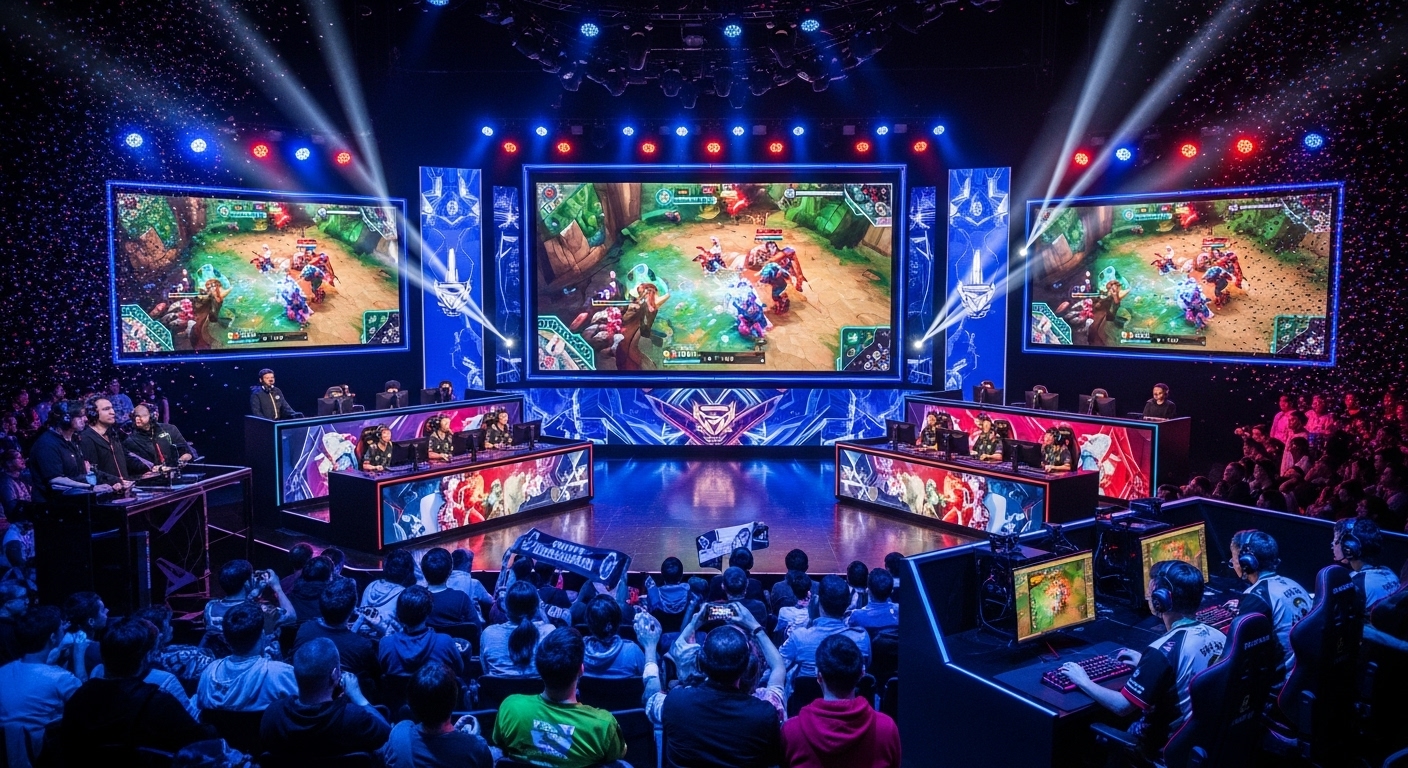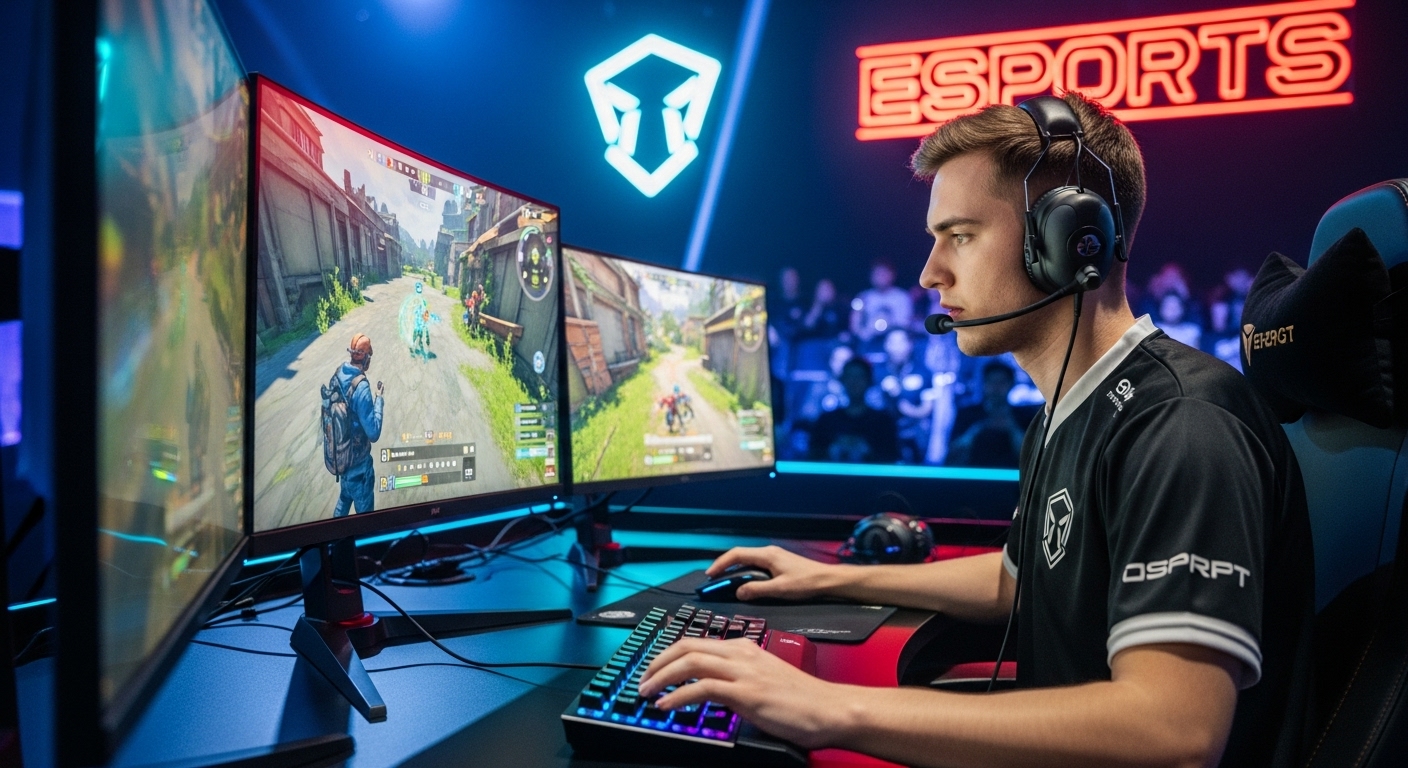
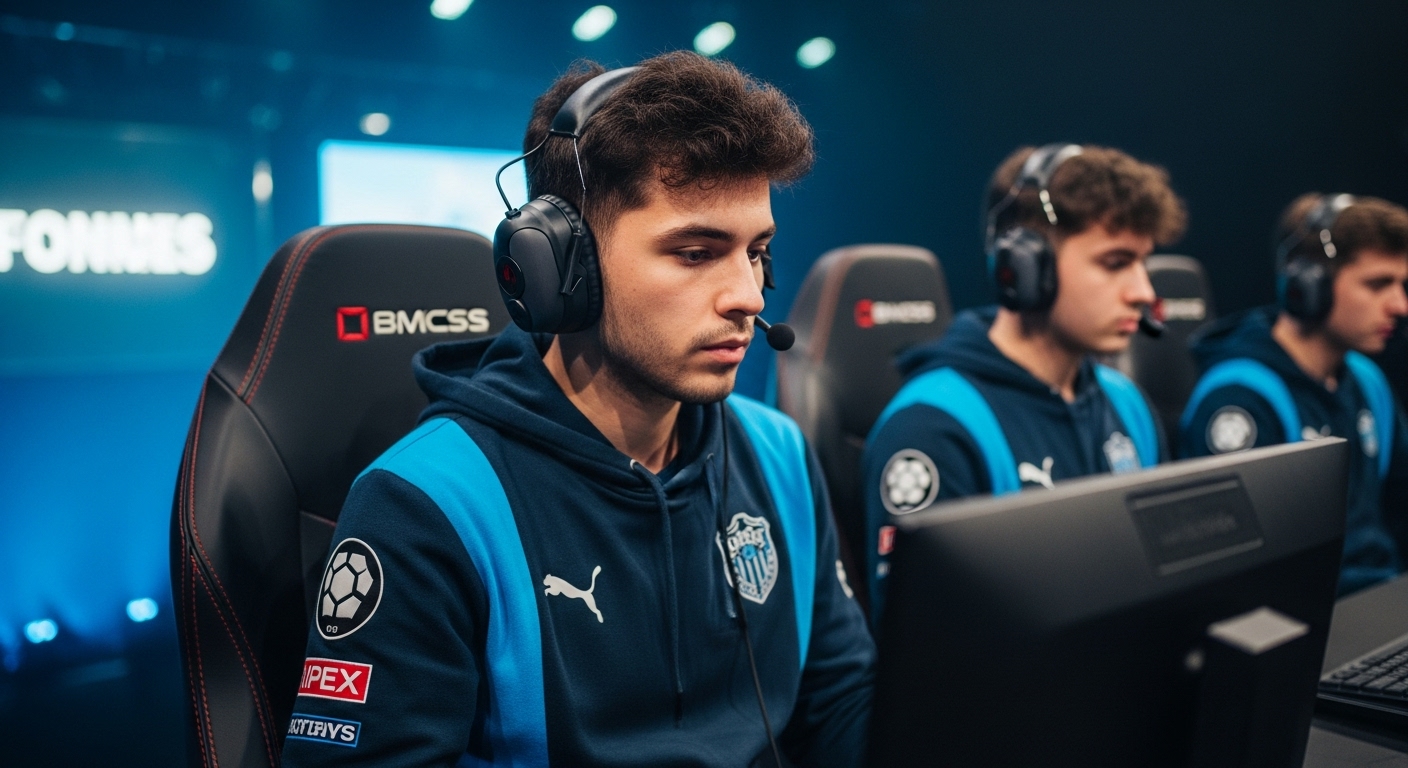
Esports, short for electronic sports, has evolved from niche gaming competitions to a global phenomenon. Once considered a pastime for hobbyists, competitive gaming has transformed into a professional industry attracting millions of players, spectators, and sponsors worldwide. The evolution of Esports reflects not just technological advancements but also a cultural shift in how society perceives gaming as a legitimate form of competition and entertainment.
The Origins of Esports
The roots of Esports can be traced back to the late 1970s and early 1980s when arcade competitions became popular. The first known gaming tournament was held at Stanford University in 1972 for the game Spacewar!. However, Esports began to gain real traction in the 1990s with the advent of personal computers and networked gaming. Titles such as Doom, Quake, and StarCraft became staples of competitive gaming, fostering communities and organized tournaments.
The 2000s marked a pivotal point for Esports with the growth of broadband internet and online multiplayer platforms. South Korea emerged as a hub for competitive gaming, particularly for StarCraft: Brood War. Television networks began broadcasting competitions, offering monetary rewards for top players, thus legitimizing gaming as a potential career. This era set the foundation for the modern Esports ecosystem.
Popular Esports Titles
Esports today encompasses a wide range of game genres, each with its own dedicated community and competitive scene. Multiplayer online battle arenas (MOBAs) like League of Legends and Dota 2 dominate the global stage. These games emphasize strategic teamwork, reflexes, and coordination, drawing millions of viewers for tournaments such as The International and World Championship.
First-person shooters (FPS) such as Counter-Strike: Global Offensive and Valorant showcase precision, tactical awareness, and fast reflexes. FPS tournaments are characterized by intense matches that often come down to split-second decisions, making them thrilling for spectators. Battle royale games like Fortnite and PUBG have also emerged as mainstream Esports, combining survival elements with competitive shooting mechanics.
Fighting games, including Street Fighter, Tekken, and Super Smash Bros., have nurtured a passionate community. These games focus on one-on-one competition, highlighting individual skill and reaction time. Additionally, sports simulation games like FIFA and NBA 2K allow players to compete virtually in familiar real-world sports settings, attracting fans from traditional sports communities.
The Structure of Competitive Esports
Esports competitions are organized across multiple levels, ranging from amateur tournaments to professional leagues. Local competitions often serve as training grounds for aspiring players, offering smaller prizes and opportunities for skill development. Regional leagues provide a platform for teams to compete consistently, often acting as qualifiers for larger international events.
At the pinnacle of Esports are global tournaments and leagues. These events feature professional players representing teams sponsored by corporations, gaming brands, and entertainment companies. Prize pools for major tournaments can reach millions of dollars, reflecting the growing financial stakes within the industry. For example, The International 2023 for Dota 2 boasted a prize pool exceeding thirty million dollars, demonstrating the economic scale of competitive gaming.
Esports Teams and Players
Professional Esports teams operate similarly to traditional sports organizations. They maintain coaching staff, analysts, and support personnel to optimize player performance. Teams often recruit players globally, scouting talent through online leaderboards, amateur competitions, and tryouts.
Players dedicate countless hours to practice, refining strategies, improving reaction times, and maintaining physical and mental health. Unlike traditional sports, Esports requires mastery of virtual environments, game mechanics, and team coordination. Successful players often become influencers and public figures, building personal brands alongside their competitive careers.
Streaming and the Rise of Esports Content
The growth of Esports is closely tied to streaming platforms. Services like Twitch, YouTube Gaming, and Facebook Gaming provide a medium for players to broadcast gameplay live, reaching millions of viewers globally. Streaming has enabled players to monetize their content through subscriptions, donations, sponsorships, and ad revenue.
Spectator engagement is a critical component of Esports. Fans interact with players in real-time through chat, participate in fantasy leagues, and follow esports news through dedicated platforms. This interactivity has created a unique culture where the audience is an active participant, rather than a passive observer, contributing to the growth and popularity of the industry.
Esports as a Career
Esports has become a viable career path, offering opportunities beyond competitive play. Professional players earn income through salaries, prize winnings, sponsorships, and content creation. Coaches, analysts, event organizers, and shoutcasters (commentators) also form part of the Esports ecosystem, providing additional career avenues.
Educational institutions have begun recognizing Esports, offering scholarships and programs tailored for aspiring players. These programs focus on game strategy, teamwork, and even physical fitness, preparing students for competitive careers. The professionalization of Esports has raised its credibility, bridging the gap between gaming and mainstream recognition.
The Economics of Esports
The Esports industry has grown into a multi-billion-dollar market. Revenue streams include sponsorships, media rights, merchandise, ticket sales, and streaming partnerships. Major brands invest in teams and tournaments, recognizing the potential to reach younger, tech-savvy audiences.
Sponsorship deals often involve apparel brands, energy drinks, technology companies, and even non-endemic brands such as automotive or financial services. These investments fuel the development of infrastructure, improve tournament production quality, and increase prize pools, further elevating the competitive scene.
Global Impact of Esports
Esports has a profound cultural and social impact worldwide. It has brought together communities across different countries, creating a shared passion for gaming. International tournaments foster cross-cultural exchange, as players and fans from diverse backgrounds interact through competition.
The industry has also influenced mainstream media, with Esports personalities appearing on television, talk shows, and even in movies. Celebrities and traditional sports figures engage with Esports through sponsorships, participation, and fandom, blurring the lines between conventional entertainment and competitive gaming.
Challenges Facing Esports
Despite its rapid growth, Esports faces significant challenges. One major concern is player burnout, as the demands of professional gaming can be mentally and physically exhausting. Long practice hours, travel schedules, and high-stakes competition contribute to stress and health issues among players.
Another challenge is the lack of standardized regulations. While some leagues have formal rules and governance structures, others operate in a decentralized manner, creating disparities in fairness, player rights, and contractual obligations. Additionally, concerns about cheating, match-fixing, and doping have prompted calls for stricter oversight.
The Future of Esports
The future of Esports looks promising, with advancements in technology and gaming culture driving growth. Virtual reality (VR) and augmented reality (AR) are poised to revolutionize gameplay and spectator experiences. Cloud gaming and AI-driven analytics could further enhance strategy development and player performance.
As Esports becomes more integrated into mainstream entertainment, it may achieve parity with traditional sports in terms of recognition, media coverage, and revenue. Educational initiatives, professional infrastructure, and global tournaments will continue to solidify its position as a major industry.
Conclusion
Esports is no longer a niche hobby; it is a thriving global phenomenon that combines skill, strategy, and entertainment. From its humble beginnings in arcade competitions to the massive international tournaments of today, Esports represents the evolution of gaming into a legitimate form of professional competition. With increasing investment, technological innovation, and cultural acceptance, Esports will continue to shape the future of entertainment, redefining what it means to be a competitive athlete in the digital age.