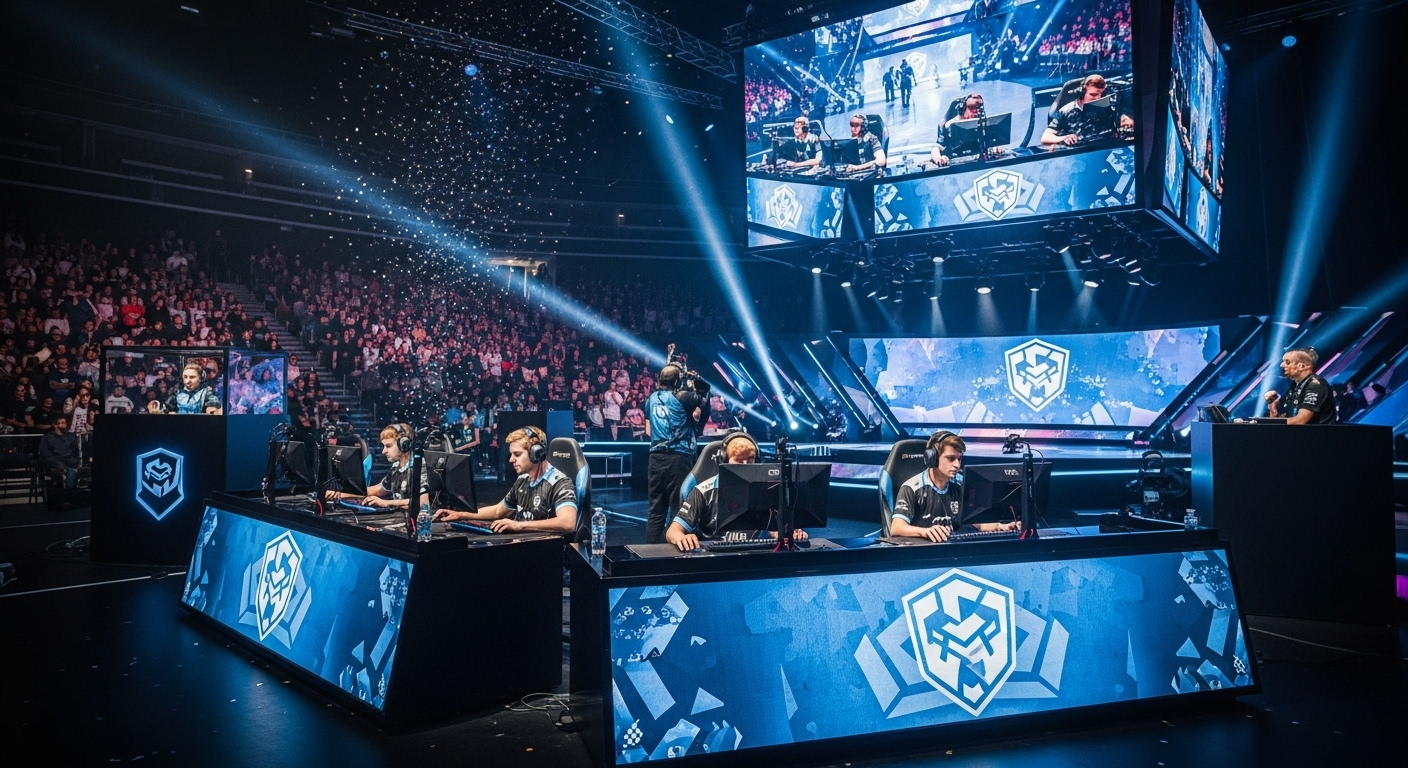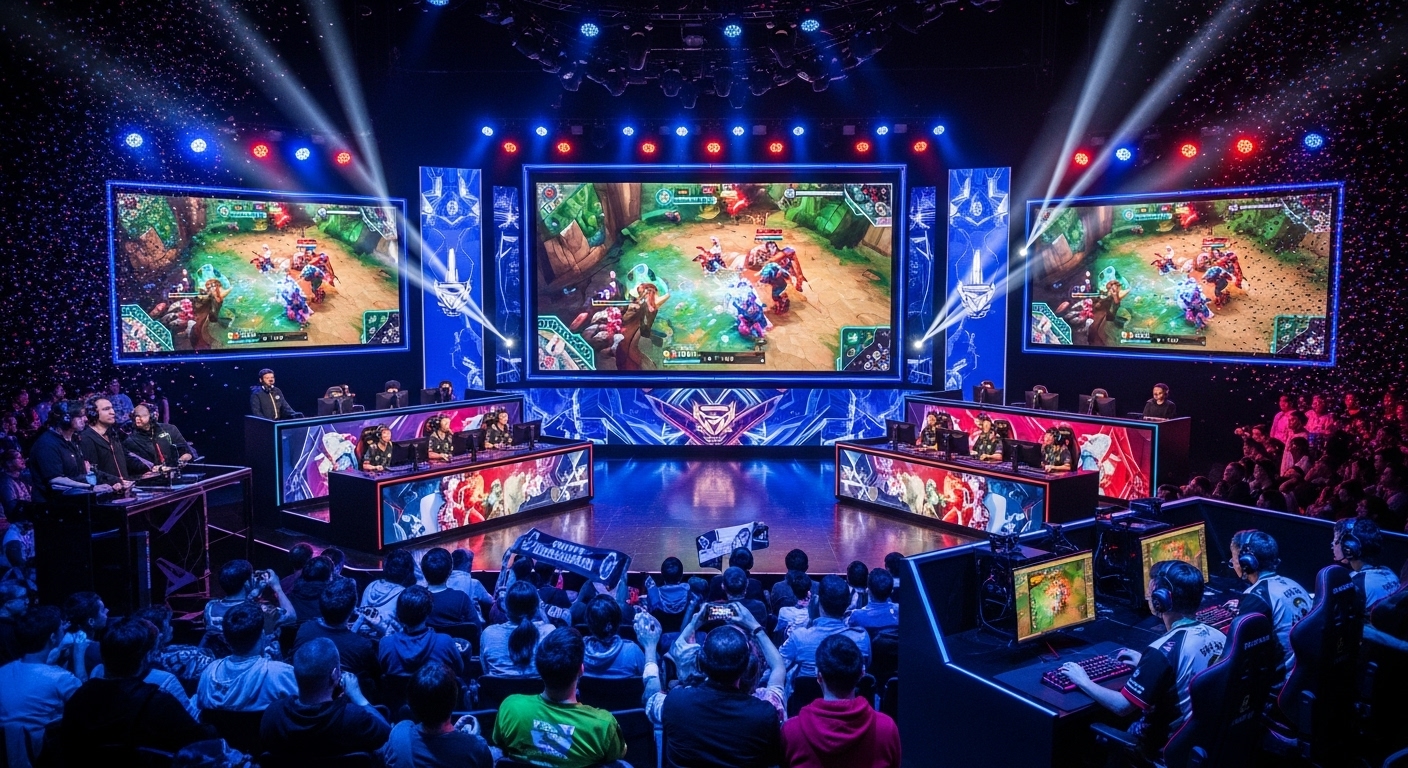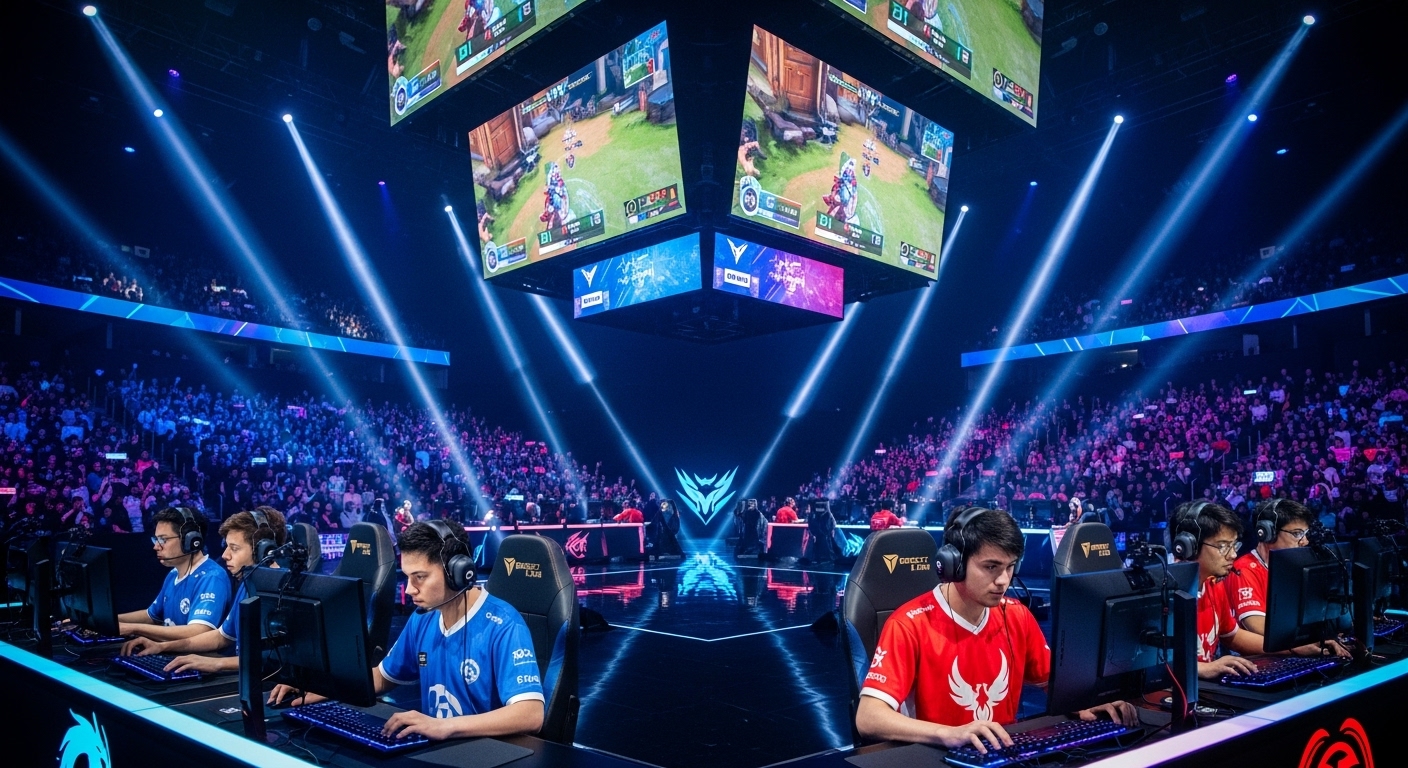

Introduction: The Intersection of Technology and Entertainment
In the past decade, esports has transformed from a niche activity into a global phenomenon. What was once considered a hobby or pastime is now a multi-billion-dollar industry with millions of passionate players, spectators, and investors. This explosive growth has made esports an essential component of the modern entertainment landscape, alongside traditional sports and music.
But what exactly is esports? At its core, esports refers to competitive video gaming, where players or teams compete against each other in various video games, often in front of large audiences. These competitions range from local tournaments to large-scale global events with millions of viewers. Titles like League of Legends, Dota 2, Fortnite, Counter-Strike: Global Offensive, and Valorant have become household names, attracting players, viewers, and sponsors alike.
In this blog post, we’ll delve deep into the world of esports, exploring its history, rapid growth, the psychology behind it, and its potential future.
The Beginnings of Esports: From Arcade Machines to Online Tournaments
Esports isn’t as recent as many might think. The roots of competitive gaming date back to the early days of arcade games in the 1980s. Tournaments like the Space Invaders Championship in 1980 were among the first organized events, drawing hundreds of competitors. However, it wasn’t until the late 1990s and early 2000s that esports began to take the shape we recognize today.
The arrival of the internet, combined with the rise of online multiplayer games, provided the ideal environment for esports to flourish. Titles such as StarCraft (1998) and Quake III Arena (1999) became the first major esports staples, with international competitions and leagues emerging. These games established a competitive culture that drew players from around the world, laying the foundation for the global esports ecosystem we see now.
Esports Today: A Multi-Billion Dollar Industry
Fast forward to 2025, and esports is a multi-billion-dollar industry that spans the globe. According to a 2023 report by Newzoo, the global esports market was valued at over $1 billion, with projections showing steady growth for the foreseeable future. This growth has been fueled by a combination of factors, including the rise of streaming platforms like Twitch and YouTube Gaming, the increasing number of professional esports organizations, and the massive viewership numbers that esports events are now drawing.
The structure of the esports ecosystem has become increasingly complex. In addition to the players, teams, and game developers, esports involves a wide range of stakeholders, including broadcasters, event organizers, sponsors, advertisers, and even the fans themselves. Major brands such as Coca-Cola, Intel, Red Bull, and Mercedes-Benz have entered the esports space, recognizing its potential as a marketing platform that reaches a highly engaged and youthful audience.
Esports has also expanded beyond traditional gaming. Several high-profile tournaments now offer prize pools in the millions of dollars, and top players can earn substantial salaries through sponsorships, streaming, and tournament winnings. In some cases, professional esports athletes have become celebrities in their own right, with massive followings across social media platforms.
The Appeal of Esports: Why Do People Watch?
While many people still question why anyone would watch other people play video games, the reality is that esports offers an entertainment experience like no other. There are several key factors that contribute to its massive appeal:
1. The Thrill of Competition
At its heart, esports is about competition. Watching skilled players compete at the highest level is exhilarating, especially when you’re invested in a particular team or player. Esports events, much like traditional sports, offer thrilling moments of victory and heartbreak, which create a deep emotional connection for viewers. Whether it’s a clutch play in Counter-Strike or a high-stakes team fight in League of Legends, the competitive nature of these games provides constant excitement.
2. Skill and Strategy
Esports requires a combination of fast reflexes, sharp decision-making, and strategic thinking. For viewers, part of the appeal is seeing these elements unfold in real-time. In games like Dota 2 or StarCraft II, players need to outsmart and outplay their opponents, which requires an intricate understanding of the game’s mechanics and strategies. This level of skill and expertise is fascinating to watch, even for people who are not gamers themselves.
3. Community and Fandom
Esports is not just about the games—it’s about the people who play and watch them. The sense of community and camaraderie among fans is one of the driving forces behind esports’ growth. Many esports fans develop strong attachments to particular teams or players, following them through their careers and sharing in their victories and losses. Esports organizations and players often interact with fans through social media, fostering a sense of connection that strengthens the fan base.
4. Accessibility
One of the unique aspects of esports is its accessibility. Traditional sports require physical space, equipment, and facilities, whereas esports can be played and watched by anyone with a computer or mobile device and an internet connection. This makes esports a highly inclusive activity, reaching global audiences without the barriers of geography or physical capability. Additionally, the lower entry cost for players (compared to traditional sports) means that more people can participate, whether at the casual or professional level.
The Psychology of Esports: Why Do Players Compete?
The psychology of competitive gaming is an area of interest for many researchers and enthusiasts. Why do players devote hours of practice and training to their craft? What drives them to push themselves to the limits in such a high-stakes environment?
1. The Desire to Win
At the core of every esports player’s motivation is the desire to win. The intense drive to succeed is often fueled by a combination of personal ambition and external pressures. For many, esports is not just a hobby—it’s a career. Professional players often face strict training schedules, intense competition, and a constant need to perform at their best. The rewards for success can be substantial, ranging from large cash prizes to sponsorship deals and fame.
2. The Need for Mastery
Esports is an incredibly skill-intensive activity. Players spend countless hours practicing their gameplay, learning the mechanics of the game, and studying their opponents. This drive for mastery is a key motivator for many esports athletes. Just like in traditional sports, the pursuit of improvement is an ongoing process, and players often experience a sense of personal fulfillment as they continue to develop their skills.
3. The Rush of Adrenaline
Competitive gaming can be a highly adrenaline-charged activity. High-level esports competitions often take place under immense pressure, with players making split-second decisions that can affect the outcome of a game. The rush of adrenaline that comes with making a clutch play or securing a victory is one of the reasons players are drawn to the esports world. For many, the experience of competing at the highest level is exhilarating and addicting.
4. The Social Connection
Another key factor in the psychology of esports is the sense of belonging and social connection it provides. Many players form strong bonds with their teammates and fellow competitors, creating a sense of camaraderie that transcends the virtual world. Esports teams often train and live together, creating a unique, team-oriented environment that fosters loyalty and shared purpose. This sense of community and connection is one of the reasons esports has become so popular in recent years.
The Future of Esports: What’s Next?
As esports continues to evolve, it’s clear that the future holds exciting possibilities. While it’s impossible to predict the exact trajectory of the industry, there are several key trends that are likely to shape the future of esports.
1. Esports as an Olympic Sport?
One of the most discussed possibilities for the future of esports is its potential inclusion in the Olympic Games. While this has been a topic of debate for years, the growing popularity of esports has made this conversation more relevant than ever. In recent years, the International Olympic Committee (IOC) has explored the idea of including esports in the Games, citing its broad appeal to younger audiences.
However, there are challenges to overcome, particularly in terms of defining what games would be considered “esports” for the purposes of the Olympics. While esports advocates argue that the skills involved in competitive gaming are on par with traditional sports, others remain skeptical. Regardless, the possibility of esports being included in the Olympics is a sign of how far the industry has come.
2. Mobile Esports on the Rise
Mobile gaming is one of the fastest-growing segments in the gaming industry. Games like PUBG Mobile and Mobile Legends have garnered huge player bases, and mobile esports tournaments are becoming increasingly common. With the growing accessibility of smartphones and the improvement of mobile gaming technology, mobile esports is expected to continue its rapid growth. In the coming years, mobile esports could rival its PC and console counterparts in terms of both player participation and viewership.
3. The Evolution of Virtual Reality (VR) and Augmented Reality (AR)
Another area of potential growth for esports lies in the realm of virtual reality (VR) and augmented reality (AR). As VR and AR technology continues to evolve, it’s possible that we could see entirely new forms of esports that immerse players in virtual worlds like never before. Imagine competing in a first-person shooter or strategy game in full VR, or participating in a massive multiplayer battle that blends real and virtual elements. The combination of esports and cutting-edge technology could redefine the way we experience competitive gaming.
Conclusion: Esports and Its Cultural Impact
Esports has come a long way since its humble beginnings in the 1980s, evolving into a multi-billion-dollar industry with a global reach. Its appeal is rooted in the combination of skill, strategy, competition, and community