Introduction: The Phenomenon of Esports
Esports, or electronic sports, has rapidly transformed from a niche hobby into a global multi-billion-dollar industry. In just two decades, it has evolved from simple competitive gaming to a complex, highly organized ecosystem that mirrors traditional sports in many ways. This meteoric rise is a testament to the power of technology, the evolution of gaming culture, and the increasing convergence of entertainment and competition in the digital age.
From its humble beginnings in local LAN tournaments to global events like the League of Legends World Championship or The International for Dota 2, esports has captivated millions of viewers, players, and stakeholders worldwide. In this blog post, we will explore the history of esports, its current state, its influence on pop culture, and its promising future.
The Early Days of Esports
The Birth of Competitive Gaming
The roots of esports can be traced back to the early 1980s, when competitive gaming first began to take shape. In the early days, video games were primarily seen as a form of entertainment rather than a competitive sport. However, in 1980, the first documented video game competition took place in the United States. The event was called the “Space Invaders Championship,” and it attracted over 10,000 participants. This event signaled the beginning of a new era for gaming.
As the 1990s rolled around, multiplayer gaming and online connectivity started to gain traction. Games like Doom and Quake were pivotal in shaping the early competitive gaming landscape. They introduced players to the concept of online play, and tournaments began to sprout up around these games. However, esports was still a niche interest at this point, with very few mainstream media outlets recognizing it as a legitimate form of competition.
The Role of LAN Tournaments
The real turning point for esports came with the advent of LAN (Local Area Network) tournaments. These events allowed players to compete in the same physical space, connected through a local network. One of the earliest examples of such tournaments was the Cyberathlete Professional League (CPL), which started in 1997. The CPL helped set the stage for the professional esports leagues and events we see today.
By the early 2000s, games like Counter-Strike and StarCraft: Brood War were the major players in the competitive gaming scene. These games brought together a mix of strategy, skill, and teamwork, and their competitive scenes began to thrive with large-scale tournaments offering significant cash prizes.
The Rise of Esports in the 2010s
Esports Goes Mainstream
The 2010s were a defining decade for esports. As the internet became faster and more accessible, live streaming platforms like Twitch, YouTube, and later Facebook Gaming, enabled fans to watch their favorite players and teams compete from anywhere in the world. This brought a level of accessibility to esports that had never been seen before, and the fanbase grew exponentially.
In 2011, League of Legends (LoL) was released by Riot Games, and it became one of the most influential games in the history of esports. The League of Legends World Championship quickly grew into one of the largest and most-watched esports events globally. With huge sponsorships, professional players, and massive live audiences, LoL became a key driver in the mainstream acceptance of esports.
Games like Dota 2, Overwatch, Hearthstone, and Counter-Strike: Global Offensive also contributed to the burgeoning esports ecosystem. Esports organizations were formed, players turned professional, and broadcasters began covering tournaments on mainstream television. Esports was no longer just a hobby for the dedicated few; it was a legitimate, thriving industry.
Sponsorships and Media Rights
One of the key factors in esports’ rise to mainstream recognition was the influx of sponsorships and media rights deals. Traditional sports organizations and major brands recognized the potential of esports as a marketing tool to reach younger audiences. Companies like Coca-Cola, Intel, Red Bull, and Mercedes-Benz began investing heavily in esports events and teams.
In addition to sponsorships, media rights deals began to reshape the industry. Major networks like ESPN, TBS, and Fox Sports began broadcasting esports tournaments, often with multi-million-dollar contracts. The League of Legends World Championship attracted millions of viewers across multiple platforms, surpassing even traditional sports events in terms of viewership in some instances. This signaled the growing influence of esports as a cultural phenomenon.
The Emergence of Esports Franchises
In the latter part of the 2010s, the esports scene began to mirror traditional sports in terms of organization and structure. Major esports titles like Overwatch, League of Legends, and Call of Duty adopted a franchise-based system, where teams would compete in structured leagues, much like the NBA, NFL, or Premier League.
These franchises are often backed by investors and have the financial resources to sign top-tier players, create team content, and establish global fanbases. For example, the Overwatch League launched in 2018 with 12 city-based franchises, each with its own team of players. This model brought a level of professionalism and stability to the industry, making esports even more attractive to investors and media companies.
Esports Today: The Current State of the Industry
Esports as a Multi-Billion Dollar Industry
Esports has firmly established itself as a major global industry. In 2023, the esports industry was valued at over $1 billion, and its revenue is expected to continue growing year after year. This growth is driven by several factors, including increased sponsorships, media rights deals, ticket sales for live events, and the revenue generated from streaming platforms.
One of the key drivers of esports’ financial success is its ability to attract a young, engaged audience. A report by Newzoo found that over 450 million people globally watched esports content in 2022, and this number is expected to grow. These viewers are highly engaged, with many spending significant amounts of time watching live streams, attending tournaments, and supporting their favorite teams and players.
The Expansion of Esports Infrastructure
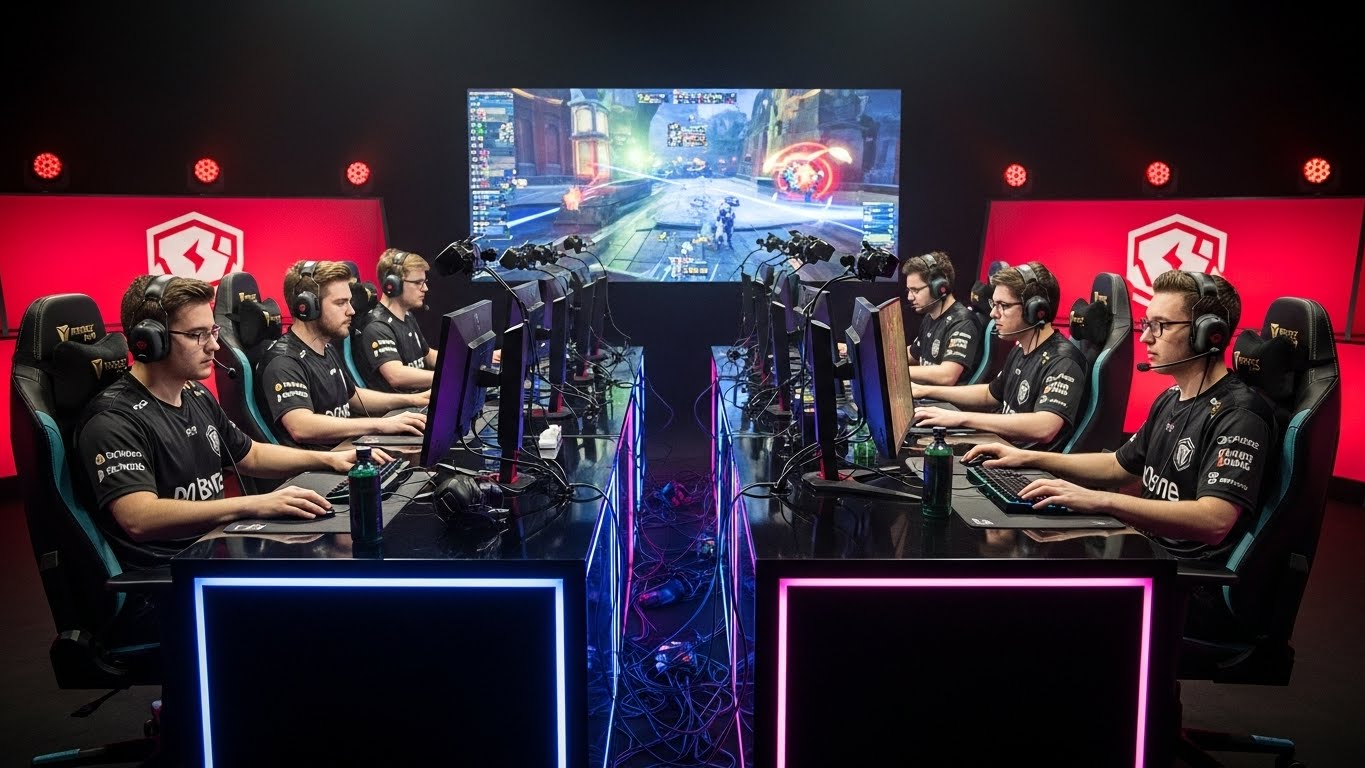
Esports infrastructure has also expanded rapidly. Professional teams now have dedicated training facilities, coaches, analysts, and support staff. Players no longer just play the game—they are athletes who train intensively, work on strategy, and even participate in team-building exercises. The level of professionalism within esports organizations is on par with that of traditional sports teams.
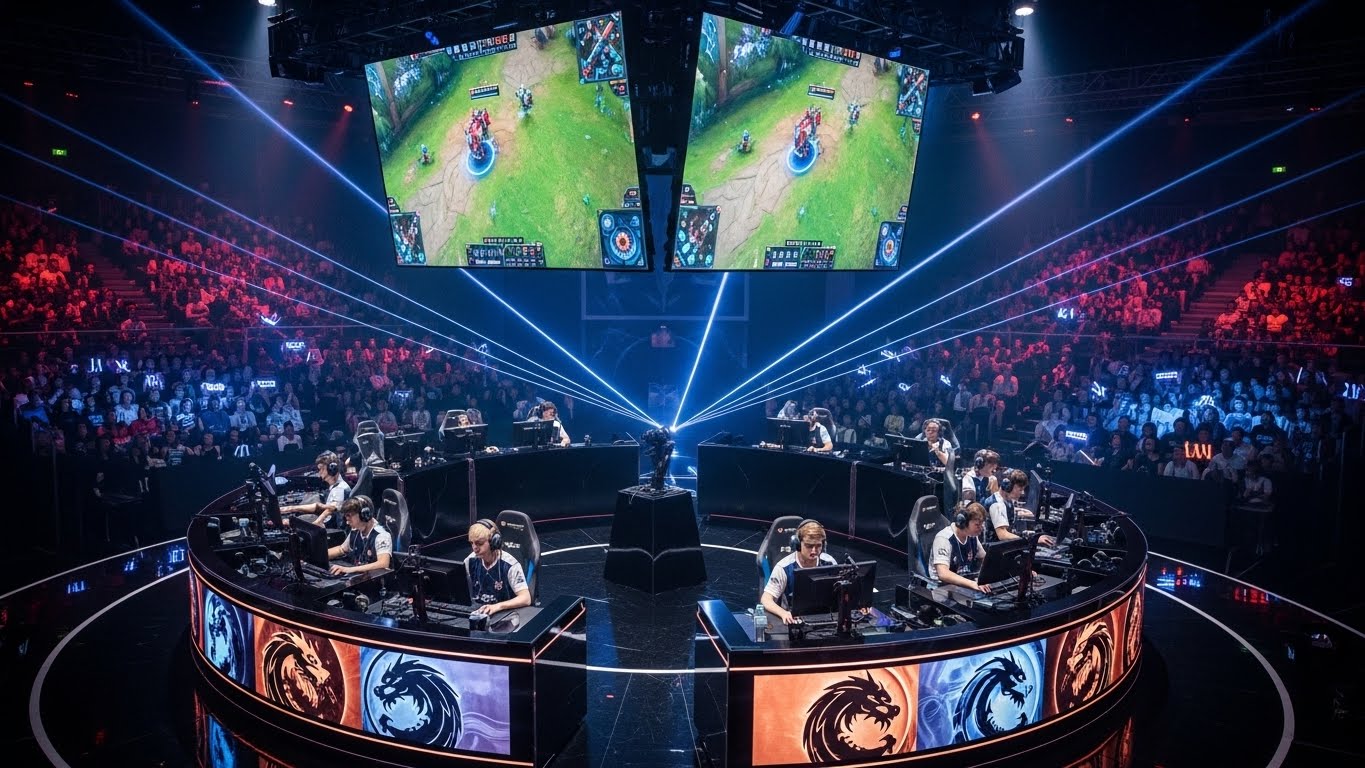
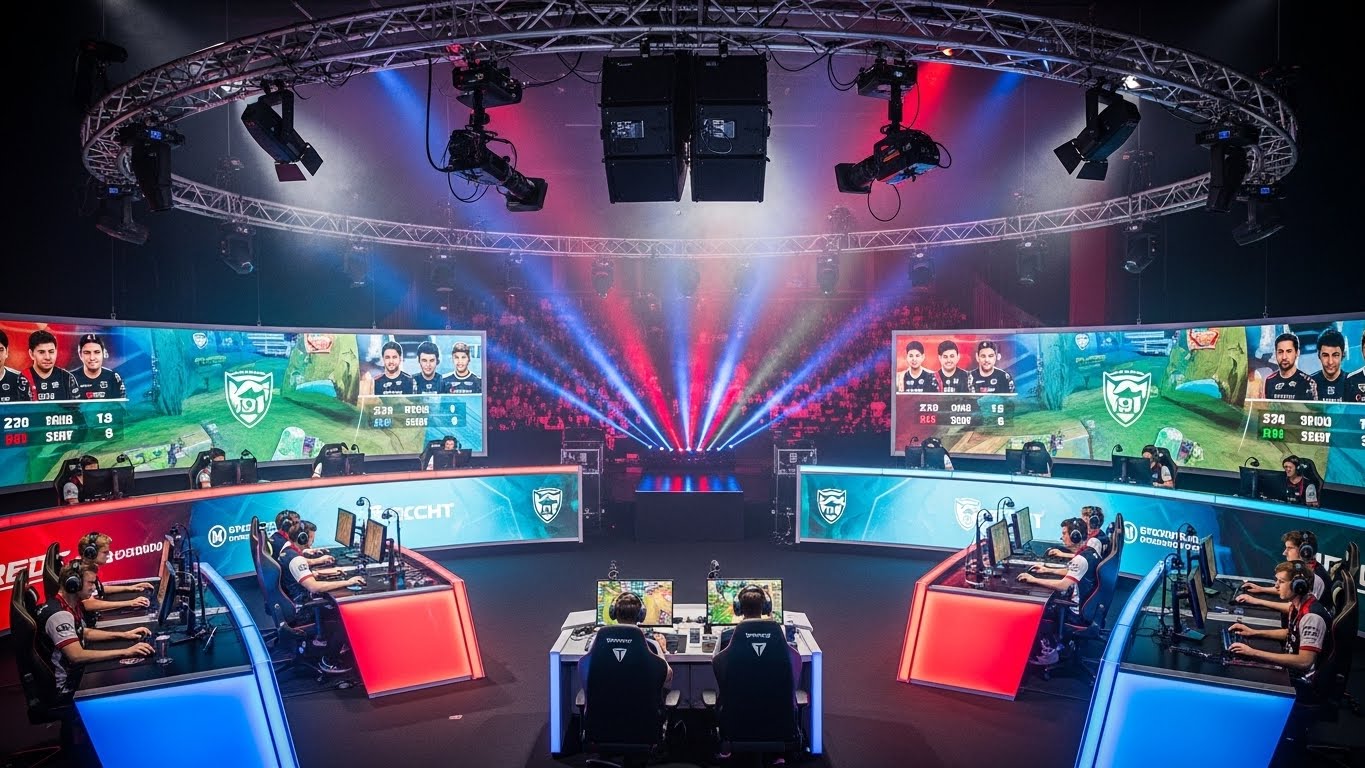
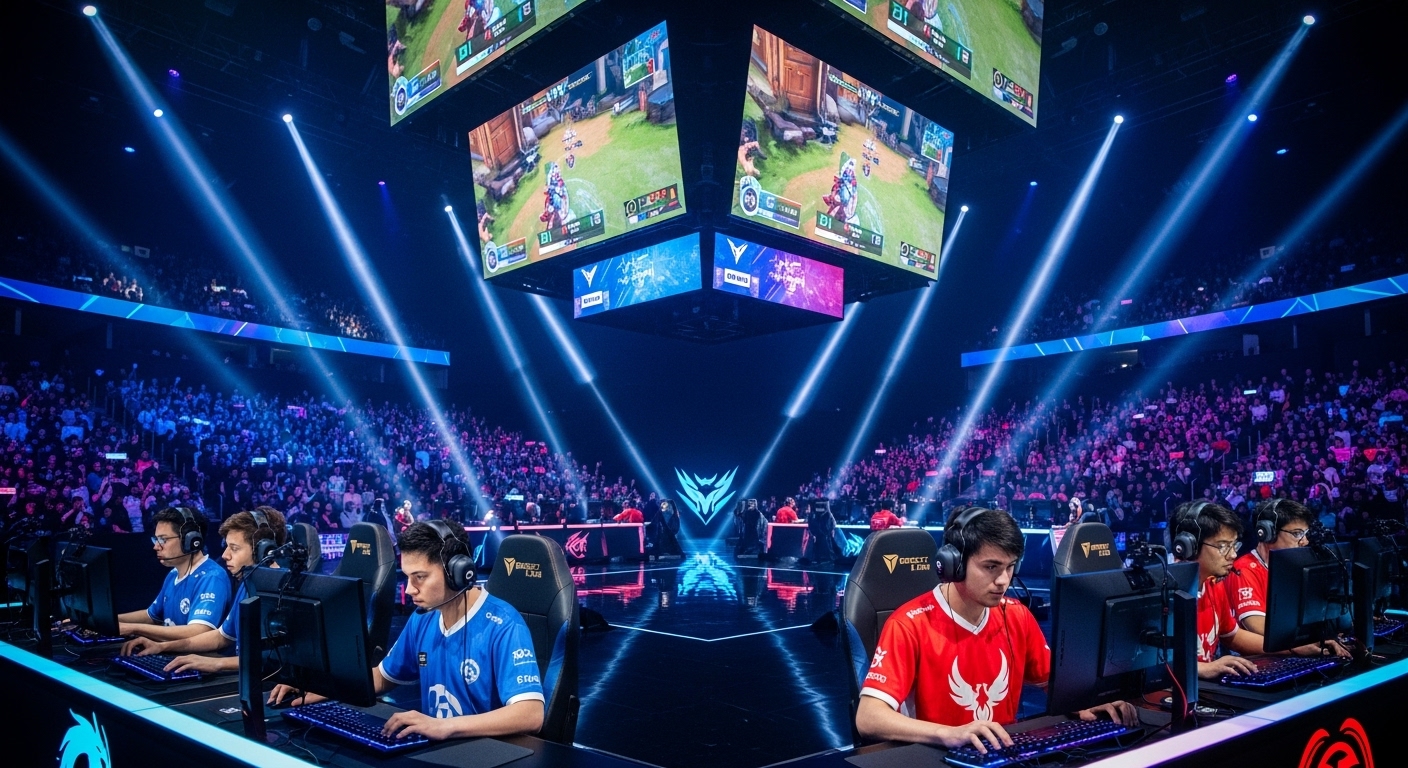
The rise of esports stadiums is another sign of the industry’s growth. Cities like Los Angeles, Seoul, and Shanghai now host large-scale esports events in dedicated venues designed specifically for competitive gaming. These stadiums feature state-of-the-art technology, broadcasting capabilities, and the necessary infrastructure to support esports events on a grand scale.
The Role of Streaming Platforms
Streaming platforms like Twitch and YouTube Gaming remain at the heart of esports’ success. These platforms have become not only a place for fans to watch esports content but also a place where players and teams can build personal brands and engage directly with their audiences. Popular streamers have become celebrities in their own right, amassing millions of followers and monetizing their content through subscriptions, donations, and sponsorships.
The rise of live streaming has also allowed for more grassroots esports events to flourish. Smaller-scale tournaments, community-driven competitions, and fan engagement have all played a crucial role in building the esports ecosystem. Platforms like Twitch have democratized esports, enabling anyone with a computer and an internet connection to participate in or enjoy competitive gaming.
Esports as a Career Path
As esports has grown, it has provided a viable career path for a wide range of individuals. Professional players are at the forefront, earning significant salaries and prize money from tournaments. Some top players have become celebrities, with sponsorships, streaming deals, and media appearances contributing to their income.
Behind the scenes, there are a variety of career opportunities in esports, including team management, event production, broadcasting, marketing, and even game development. Universities and educational institutions have also started offering degrees and courses tailored to the esports industry, helping to train the next generation of esports professionals.
The Cultural Impact of Esports
Esports in Popular Culture
Esports has become an integral part of popular culture, with references to gaming and esports appearing in movies, television shows, and music. The cultural crossover between gaming and other forms of entertainment has created a new wave of interest in competitive gaming.
For example, the 2016 movie Warcraft based on the hugely popular video game series World of Warcraft introduced millions to the world of gaming. Similarly, the rise of influencers like Ninja, who played Fortnite and streamed on Twitch, has made gaming more mainstream than ever. Esports is now part of a larger cultural conversation about entertainment, competition, and the future of sports.
Community and Identity in Esports
One of the most fascinating aspects of esports is its ability to bring people together. Whether it’s a local tournament, a global event, or a live stream, esports has created a sense of community for millions of fans worldwide. Fans form bonds with their favorite teams, players, and even with one another, creating a strong sense of identity and belonging within the esports ecosystem.
Esports communities often extend beyond the games themselves. Fans engage in discussions on social media, create fan art, and even organize meet-ups and fan conventions. Esports has evolved into a culture that transcends competitive gaming, with its own set of values, traditions, and language.
The Future of Esports
The Growth of Virtual and Augmented Reality
As technology continues to evolve, esports is poised for even greater growth. Virtual and augmented reality are already beginning to make their mark on the industry, offering new ways for players to compete and for fans to experience the action.
VR esports, in particular, could be the next big frontier. Games like Beat Saber and Echo Arena have demonstrated the potential of VR gaming in a competitive setting. As VR technology becomes more accessible, we may see a rise in VR tournaments and leagues, offering a whole new level of immersion for both players and fans.
Global Expansion
Esports is no longer confined to its roots in the West or East Asia. The Middle East, Latin America, and Africa are emerging as significant players in the esports scene. In particular, countries like Saudi Arabia and Brazil have invested heavily in esports infrastructure, hosting international events and attracting top-tier talent.
This global expansion will continue in the coming years, as esports becomes more accessible to players and fans in all corners of the world. Local leagues, international tournaments, and sponsorships will help bridge the gap between regions and foster a more inclusive global esports ecosystem.
The Role of AI and Machine Learning
Artificial intelligence (AI) and machine learning are starting to play an increasingly important role in esports. From AI-driven game analysis and matchmaking to player training and performance optimization, AI is poised to revolutionize how players and teams prepare for competitions.
AI can provide players with insights into their gameplay, helping them to identify areas of improvement and adjust their strategies. As AI continues to advance, it will undoubtedly become a vital tool in the competitive gaming space.
Conclusion: A Bright Future Ahead
Esports has come a long way since its inception in the early days of gaming. Today, it is a global industry with a massive following, professional players, major sponsorships, and a thriving ecosystem. As technology continues to evolve and the industry expands, esports will only continue to grow in influence, shape, and impact.
The future of esports looks incredibly bright. With virtual reality, global expansion, and the increasing integration of AI, the competitive gaming scene is poised to enter a new era. Whether you’re a player, a fan, or a casual observer, the rise of esports is something that can’t be ignored—it’s here to stay, and it’s only going to get bigger.