In the last two decades, a cultural and technological phenomenon has reshaped how we view competitive gaming: Esports. Short for “electronic sports,” Esports refers to organized, competitive video gaming where professional players and teams compete in various video games for fame, prize money, and fan recognition. While video games have existed since the 1970s, it wasn’t until the early 2000s that competitive gaming began to resemble the structured, high-stakes industry we know today.
Esports has grown from a niche hobby into a multi-billion-dollar global industry, bridging the gap between traditional sports, entertainment, and digital culture. Today, professional tournaments fill arenas, attract millions of online viewers, and create celebrity status for players once considered gamers in their basements. This blog explores the evolution, economics, culture, and future of Esports, providing insight into its transformative role in the digital age.
The Origins of Competitive Gaming
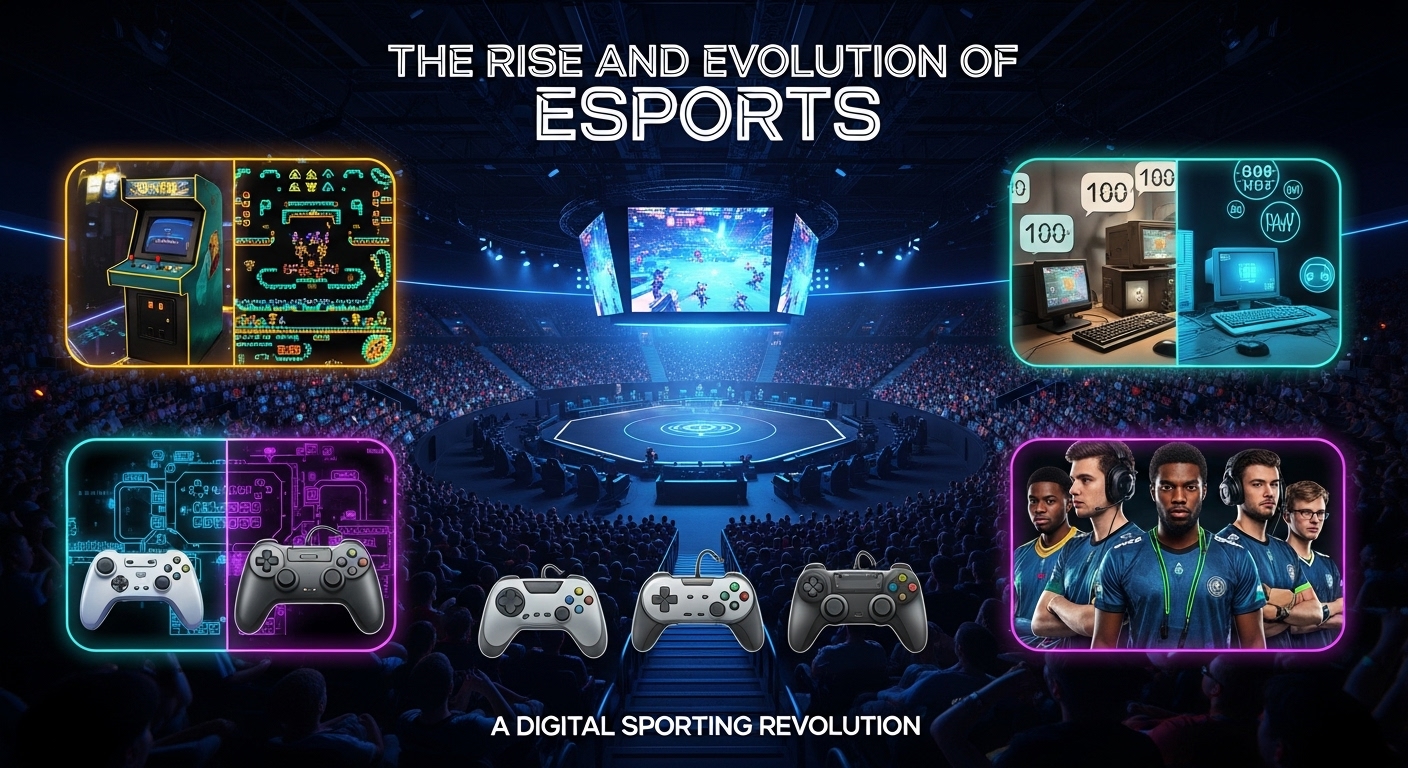
Esports did not appear overnight; it emerged from decades of gaming culture. In the 1970s, arcade competitions were the first form of competitive gaming. Games like Pong and Space Invaders were not only played for leisure but also featured in tournaments, often with small local prizes. By the 1980s, gaming consoles like the Nintendo Entertainment System (NES) and Atari introduced multiplayer experiences that allowed friends and competitors to challenge each other in more structured formats.
The 1990s saw the rise of personal computers and internet connectivity, which revolutionized competitive gaming. Games such as Quake, Counter-Strike, and StarCraft became the first widely recognized Esports titles. LAN (Local Area Network) tournaments enabled gamers to compete in real time, and online communities began forming around these competitions. StarCraft, in particular, became a national obsession in South Korea, laying the foundation for the modern Esports industry.
Esports in the 2000s: Professionalization Begins
The early 2000s marked the professionalization of competitive gaming. Professional teams emerged, sponsorship deals began, and televised broadcasts of tournaments made their first appearances. One of the defining features of this era was the establishment of large-scale tournaments such as the World Cyber Games (WCG) and Electronic Sports World Cup (ESWC). These events provided legitimacy to competitive gaming, presenting it as a serious pursuit rather than a pastime.
In South Korea, professional leagues, particularly for StarCraft, were broadcast on national television, and professional players became household names. The infrastructure for professional gaming—including team organizations, sponsorships, and structured leagues—began to mirror traditional sports.
The Esports Ecosystem: Players, Teams, and Tournaments
Today, Esports is an intricate ecosystem with multiple stakeholders. At the center are the players, who dedicate countless hours to mastering their craft. Top-tier players train like athletes, with structured schedules, coaching, and analytics guiding their practice. Just like in traditional sports, teamwork, strategy, and mental endurance play critical roles in determining success.
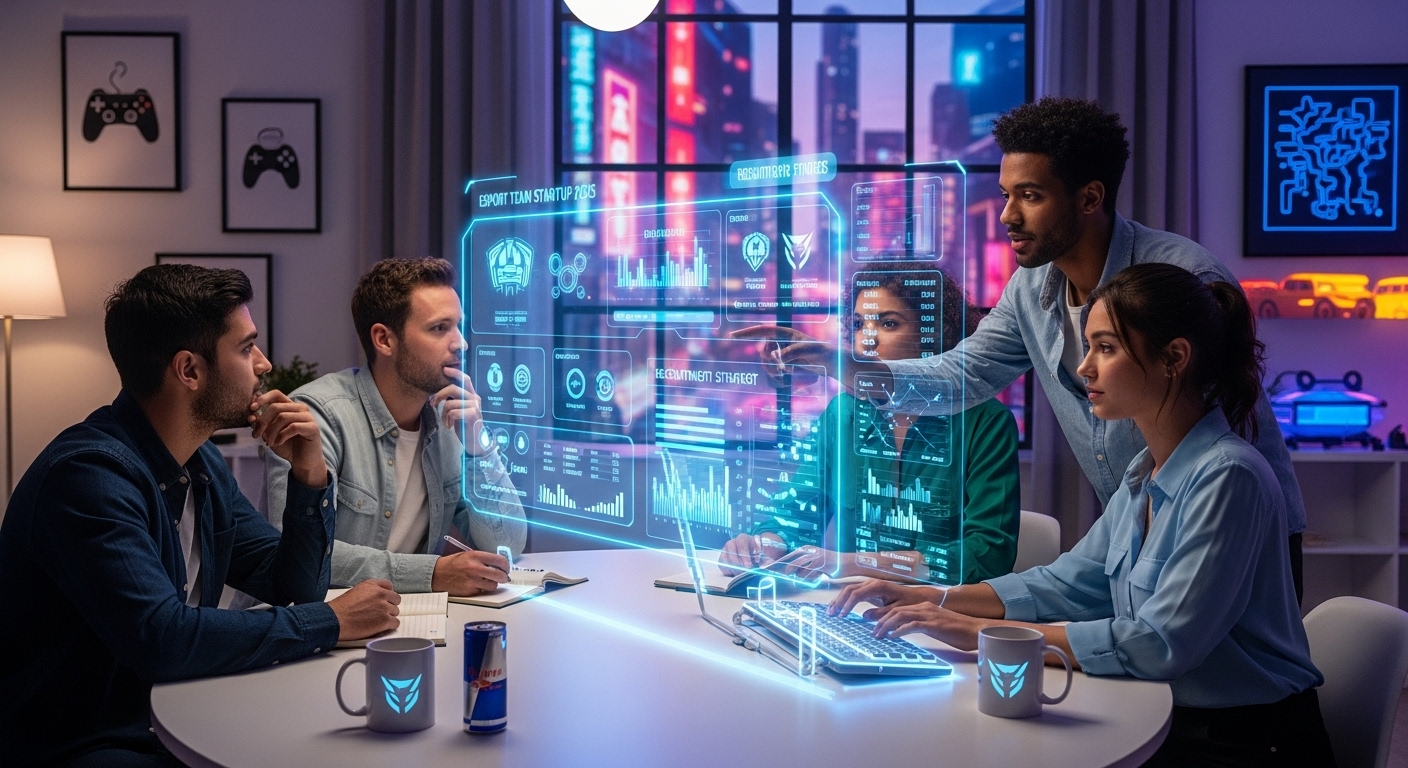
Teams are another pillar of the Esports industry. They operate like sports franchises, employing managers, coaches, analysts, and marketing staff. Popular teams like Team Liquid, Fnatic, and T1 have built global fan bases, complete with merchandise, branding, and sponsorship deals.
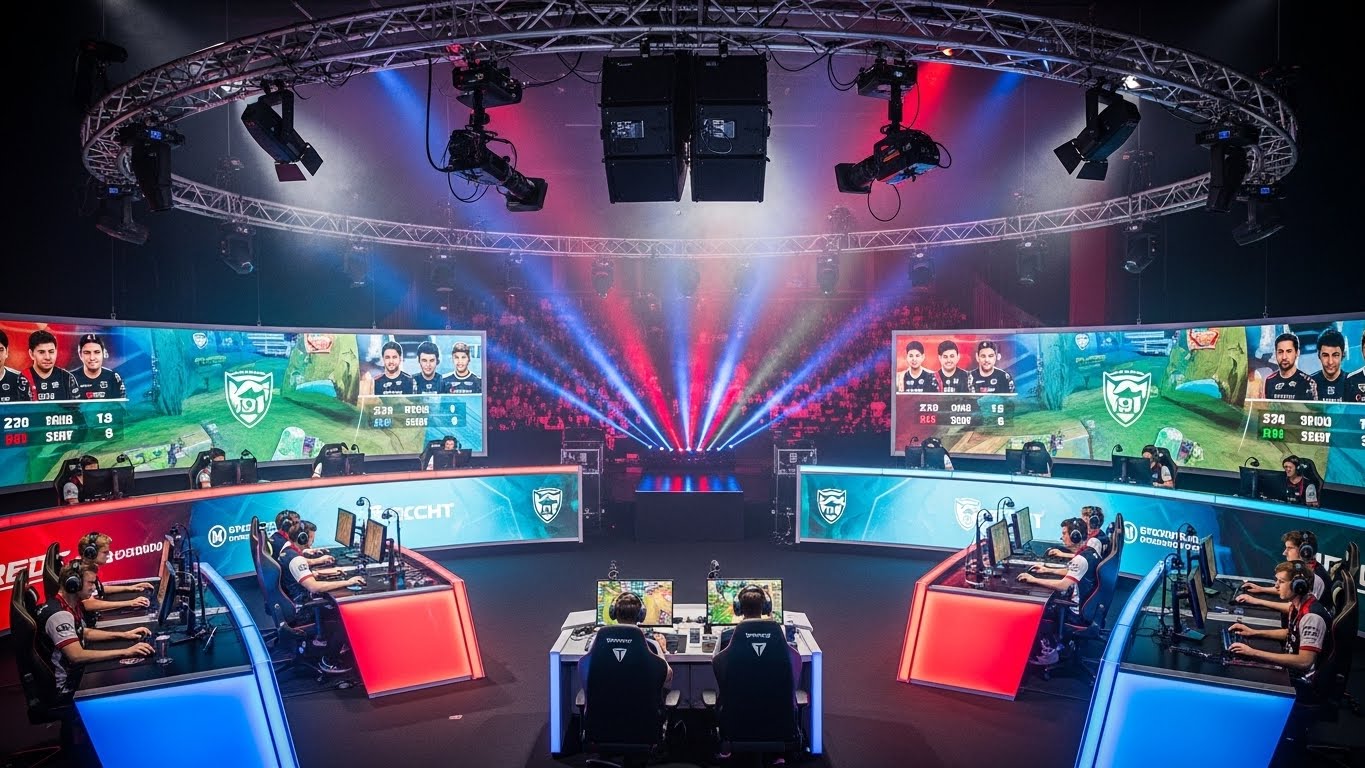
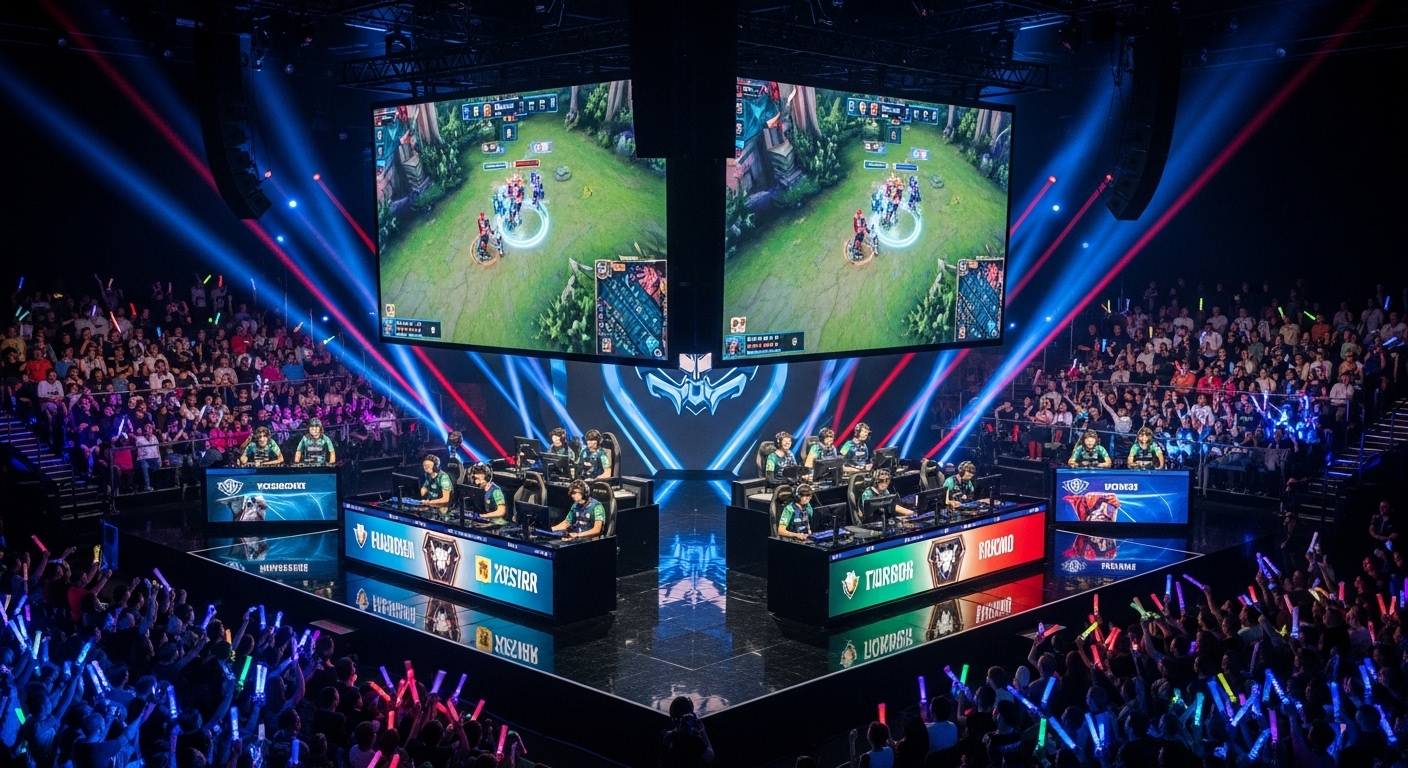
Tournaments serve as the battlegrounds for competition and the stage for spectacle. Major events like The International (Dota 2), League of Legends World Championship, and CS:GO Major Championships attract millions of viewers online and sometimes fill entire stadiums in person. Prize pools have reached astronomical levels; for instance, The International has offered over $40 million in prize money in recent years, making competitive gaming a lucrative career path.
Esports Titles: Genres and Influence
Esports encompasses a variety of game genres, each with its own culture, fan base, and competitive style. Some of the most popular include:
- MOBA (Multiplayer Online Battle Arena): Games like League of Legends and Dota 2 require strategic teamwork and quick decision-making.
- FPS (First-Person Shooter): Titles such as CS:GO, Call of Duty, and Overwatch focus on precision, reflexes, and coordination.
- Battle Royale: Games like Fortnite and PUBG emphasize survival, adaptability, and quick thinking.
- Sports Simulations: FIFA, NBA 2K, and Madden NFL bring traditional sports into the digital arena, attracting fans of both gaming and physical sports.
- Fighting Games: Street Fighter and Tekken maintain a dedicated competitive scene focusing on individual skill, timing, and strategy.
Each genre fosters distinct communities and has contributed to the broader acceptance of Esports as a legitimate competitive endeavor.
The Business of Esports
The financial growth of Esports is nothing short of remarkable. According to industry reports, the global Esports market has surpassed $1 billion in revenue, driven by sponsorships, advertising, media rights, merchandise, and ticket sales.
Sponsorships play a crucial role in funding tournaments and teams. Major brands from tech companies to non-endemic sponsors like beverage and fashion brands invest in Esports to reach younger, digitally engaged audiences.
Streaming platforms such as Twitch, YouTube Gaming, and recently TikTok have transformed how fans consume content, enabling live streaming of tournaments, player personalities, and behind-the-scenes content. These platforms provide a constant revenue stream through subscriptions, donations, and ad revenue.
Media rights and broadcasting have also become a revenue engine. Just as traditional sports have TV deals, Esports leagues and events negotiate streaming rights, often generating millions from exclusivity agreements.
Finally, merchandising and in-game purchases, particularly cosmetic items in games, contribute significantly to the financial ecosystem. This creates a cyclical economy where fans support their favorite players and teams both online and offline.
Cultural Impact of Esports
Esports is not just about competition; it has deeply influenced digital culture and social trends. The rise of professional players has created new forms of celebrity, with fans following personalities as much as gameplay. Online communities have grown around these celebrities, fostering discussions, memes, fan art, and content creation.
Esports has also impacted education. Universities around the world now offer Esports scholarships and programs, recognizing it as a legitimate career path. Students can pursue degrees in game design, marketing, and Esports management, all while competing at a collegiate level.
Moreover, Esports has challenged traditional gender norms in sports. While still male-dominated, there is a growing presence of women in competitive gaming, with tournaments and teams promoting inclusivity and representation.
Challenges Facing the Esports Industry
Despite its meteoric rise, Esports faces several challenges. Player burnout is a significant issue, as professional gamers often train 8-12 hours a day under high pressure, leading to mental and physical health concerns.
Cheating and integrity problems also persist, particularly in online tournaments where hacking, exploiting, and match-fixing can occur. Governing bodies and game developers continuously work to enforce fair play.
Sustainability of revenue is another challenge. While some top teams and players earn millions, the vast majority struggle to make a living. The industry must balance growth with financial stability to avoid bubbles and collapses.
Finally, regulation and recognition remain inconsistent worldwide. While some countries recognize Esports as an official sport, others lack formal frameworks, affecting funding, visas for international players, and professionalization.
The Future of Esports
The future of Esports is bright, with technology driving its evolution. Virtual reality (VR) and augmented reality (AR) could redefine gameplay, providing immersive experiences for players and fans alike. AI and advanced analytics may revolutionize training, offering insights similar to those in traditional sports.
Esports is also poised to continue its integration with mainstream culture. Collaborations with music, fashion, and traditional sports leagues are increasing, blending entertainment sectors. The potential for global tournaments to rival the audience and spectacle of events like the Super Bowl is no longer science fiction—it is increasingly plausible.
Furthermore, accessibility continues to improve. With mobile gaming on the rise, Esports is expanding into regions and demographics previously underserved, fostering a truly global competitive ecosystem.
Conclusion
Esports has evolved from humble arcade beginnings to a global, multi-billion-dollar industry. It has created new career opportunities, fostered vibrant communities, and influenced digital culture in profound ways. From the intense strategy of MOBAs to the high-speed precision of FPS games, Esports offers a level of skill, dedication, and excitement that rivals traditional sports.
As technology continues to advance and global interest grows, Esports is positioned not only as a competitive endeavor but also as a cultural phenomenon that transcends age, geography, and convention. The digital playing field is no longer just a pastime—it is a professional, celebrated, and transformative arena of human achievement.