Introduction to Esports
In the modern digital age, the rise of esports has become one of the most fascinating developments in global entertainment. What was once considered a simple pastime for gamers has evolved into a billion-dollar industry that rivals traditional sports in terms of viewership, sponsorship, and professional opportunities. Esports, short for electronic sports, refers to organized video game competitions where players or teams compete against each other for recognition, fame, and significant prize money. This phenomenon has transformed gaming into a legitimate profession and a source of cultural expression.
The journey of esports from small local tournaments in internet cafés to massive international championships in packed arenas is a story of innovation, community, and technological progress. As gaming continues to become more accessible, esports has created a new kind of athlete, one who thrives in digital arenas rather than physical stadiums. The story of esports is not merely about games but about how technology, culture, and competition have combined to create an entirely new global movement.
The Early Days of Esports
Esports did not emerge overnight. Its history stretches back to the late 1970s and early 1980s, when video games first became popular among the public. The earliest known esports event took place in 1972 at Stanford University, where students competed in the game Spacewar. While this event was small, it marked the beginning of organized competitive gaming.
By the 1980s, arcade games such as Pac-Man, Donkey Kong, and Space Invaders became central to the gaming culture. The Space Invaders Championship in 1980 attracted more than 10,000 participants in the United States, making it one of the first large-scale gaming tournaments. These competitions, though primitive compared to today’s standards, showed that people enjoyed watching others play and compete.
The 1990s brought significant advancements in technology and connectivity, laying the foundation for modern esports. Games like Street Fighter, Quake, and StarCraft became immensely popular in competitive circles. South Korea, in particular, played a pivotal role during this period, building a strong esports infrastructure that supported players, teams, and tournaments. Internet cafés, or PC bangs as they are known in South Korea, became hubs for young gamers to practice and compete, leading to the birth of professional gaming as a career path.
The Technological Evolution that Shaped Esports
The success of esports is deeply connected to technological progress. The spread of high-speed internet, the availability of powerful gaming hardware, and the development of online streaming platforms have been essential in shaping the esports landscape.
In the early 2000s, online multiplayer games began to dominate the gaming industry. Titles like Counter-Strike, Warcraft III, and Halo allowed players from around the world to compete without being physically present in the same location. This shift enabled the formation of international tournaments and professional teams that could train and compete online.
The introduction of platforms such as Twitch and YouTube Gaming revolutionized how esports was consumed. Viewers could now watch their favorite players and tournaments live from anywhere in the world. The interactive nature of these platforms allowed fans to engage with players in real-time, creating a unique community-driven experience that traditional sports could not easily replicate.
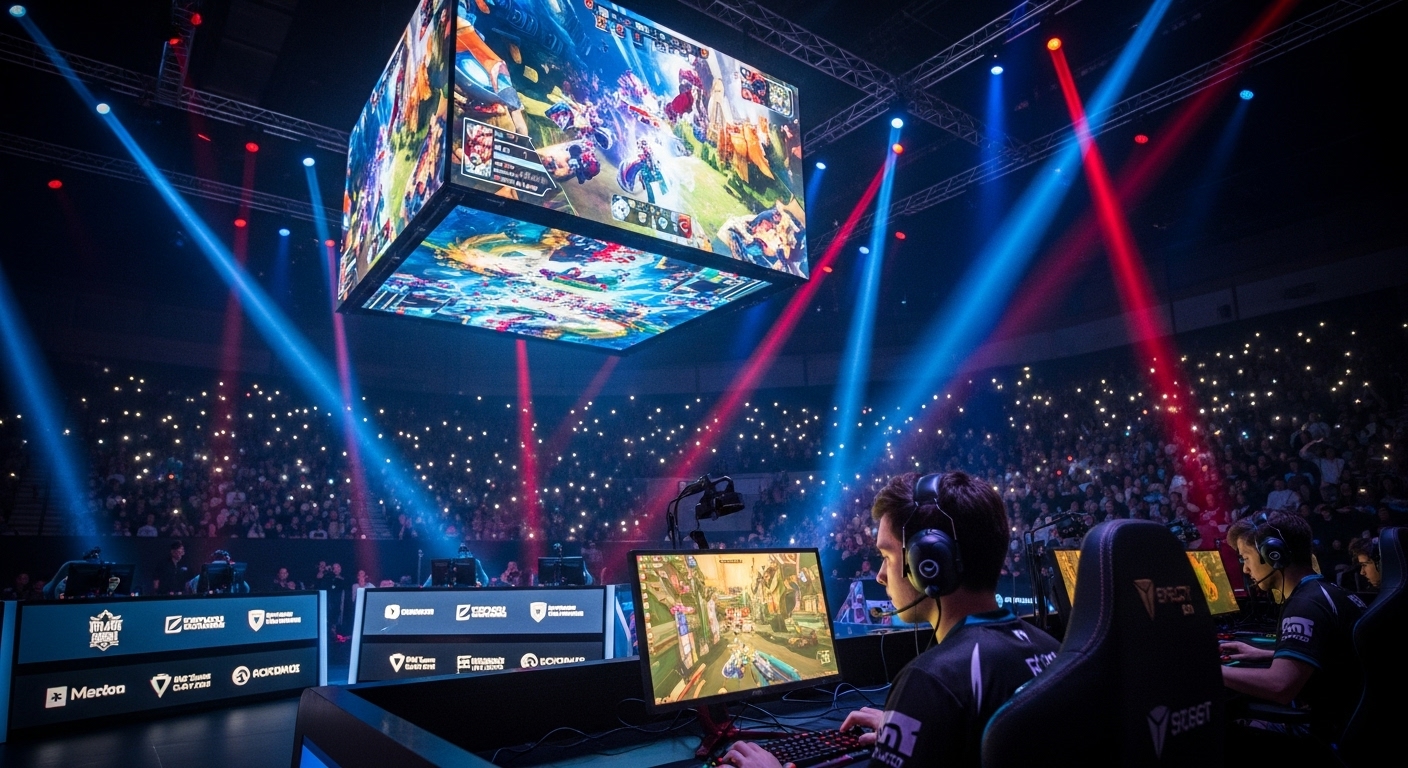
Additionally, the advancement of graphics and game design made esports more visually appealing. Spectators could follow the action through dynamic camera angles, commentary, and professional production, transforming esports tournaments into grand spectacles comparable to televised sporting events.
The Growth of Professional Esports
By the 2010s, esports had firmly established itself as a professional industry. Tournaments began offering multi-million-dollar prize pools, and professional players were signed by major organizations with salaries, sponsorships, and media contracts. Games such as League of Legends, Dota 2, and Counter-Strike: Global Offensive became pillars of the competitive scene, attracting global audiences.
The Dota 2 International Tournament, for example, became famous for its enormous prize pools funded by community contributions. League of Legends developed a structured league system with regional competitions culminating in a world championship that draws millions of viewers annually. Meanwhile, games like Fortnite and Valorant introduced new audiences to the esports ecosystem, blending entertainment, creativity, and competition.
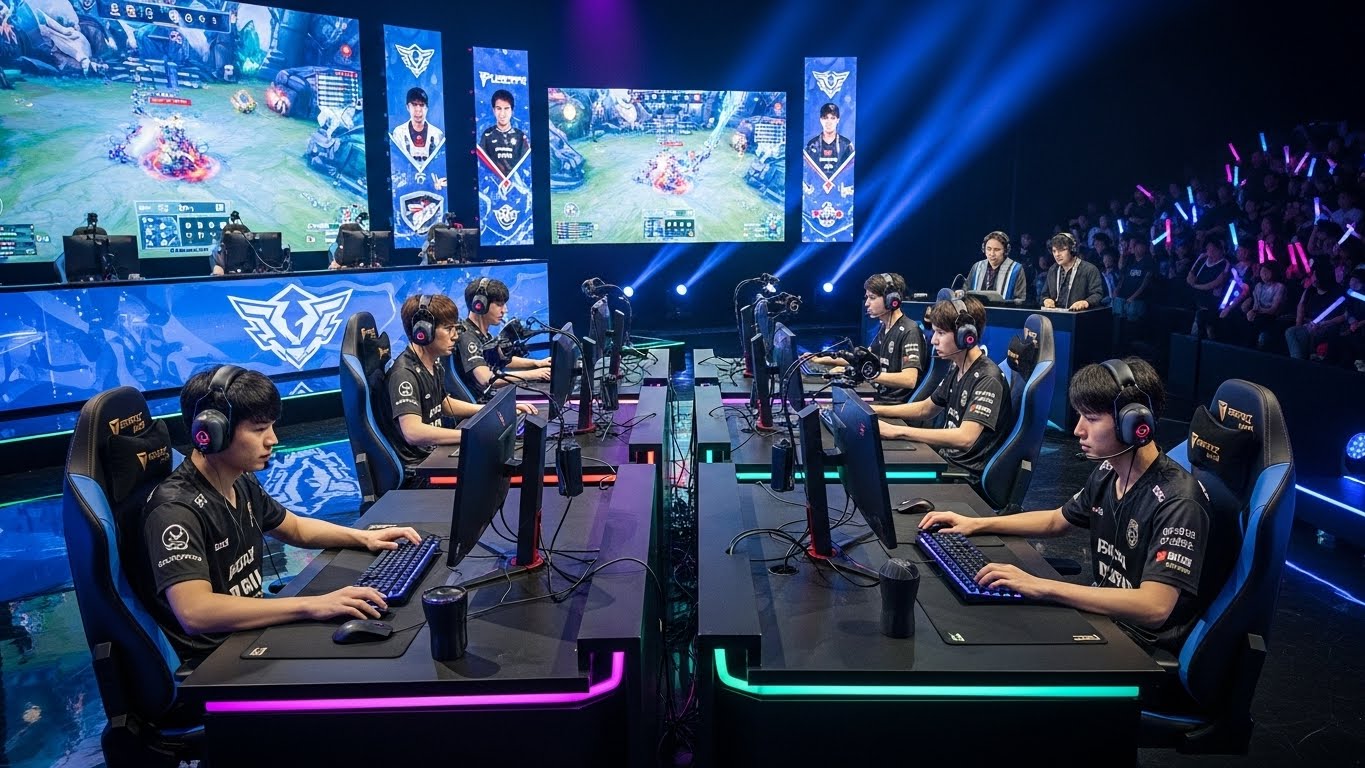
Professional players began to be recognized as athletes, dedicating countless hours to training, strategy, and teamwork. Many live in gaming houses where they practice daily, follow strict schedules, and work with coaches and analysts to improve their performance. The dedication and discipline required in esports rival that of traditional sports, challenging outdated stereotypes that gamers are casual or lazy.
The Role of Esports Organizations and Sponsors
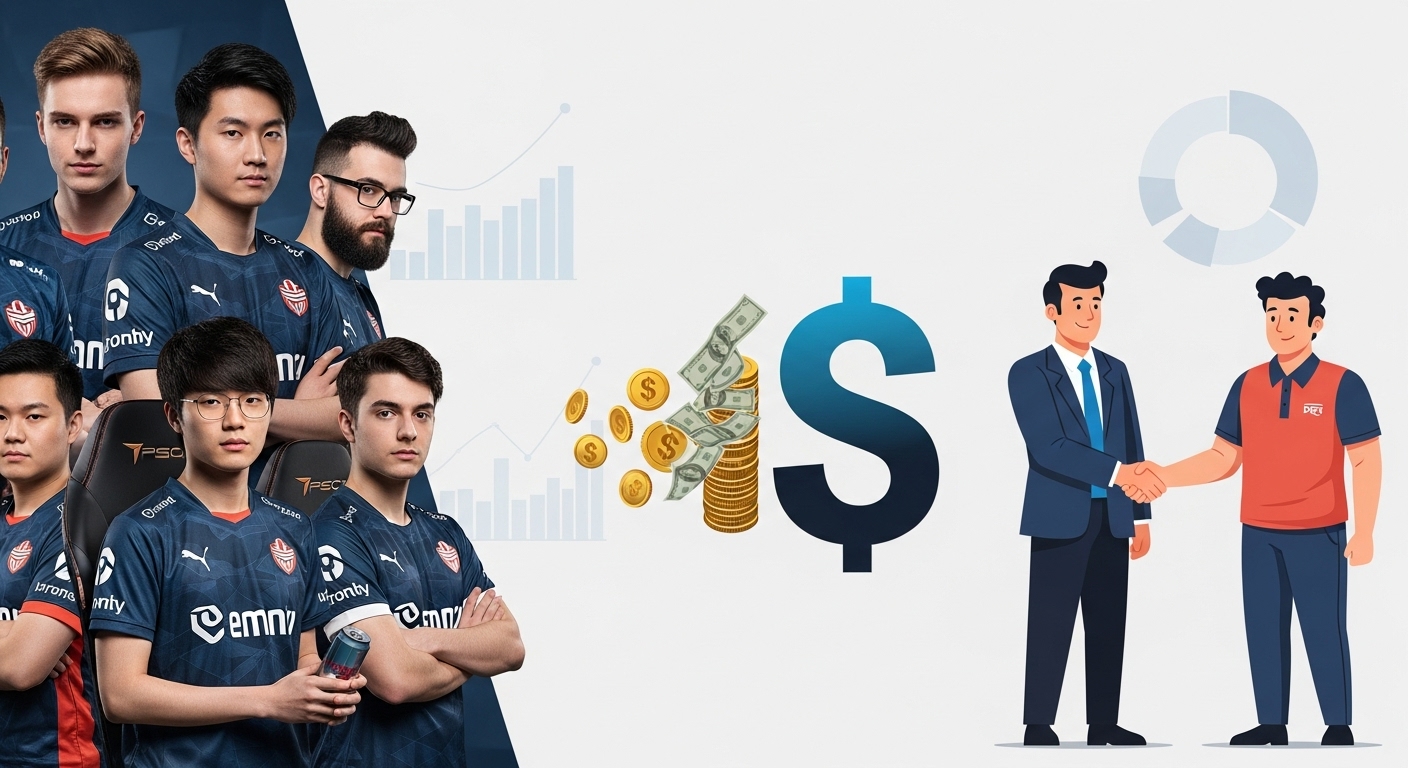
The professionalization of esports would not have been possible without the rise of structured organizations and sponsorships. Esports teams function similarly to traditional sports clubs, with managers, coaches, analysts, and support staff. They participate in multiple tournaments throughout the year, representing brands and sponsors that provide financial stability.
Major corporations recognized the marketing potential of esports and began investing heavily. Technology companies, beverage brands, automobile manufacturers, and even luxury fashion houses have entered the esports scene. Their sponsorships not only help fund teams and events but also give legitimacy to esports as a mainstream form of entertainment.
Organizations such as Team Liquid, FaZe Clan, T1, and Cloud9 have become global brands with millions of fans. They operate across different games, manage content creators, and run merchandise lines. This expansion shows how esports has evolved beyond competition to become part of a larger cultural and business ecosystem.
Esports as a Global Phenomenon
Esports is no longer confined to one region or demographic. It has become a truly global movement, uniting players and fans from every corner of the world. Different countries have developed their own esports cultures, influenced by local preferences and gaming traditions.
Asia, especially South Korea and China, remains at the forefront of esports innovation. South Korea’s government recognizes esports as an official sport and supports its development through infrastructure and education. China hosts massive tournaments and has one of the largest gaming markets in the world.
In North America and Europe, esports has gained mainstream acceptance, with events broadcast on television and covered by major media outlets. Universities have started offering esports scholarships, treating it as seriously as traditional athletics. Meanwhile, in regions like South America, the Middle East, and Africa, esports is growing rapidly as internet access expands and mobile gaming becomes more popular.
The global reach of esports demonstrates its unique ability to bridge cultural and linguistic barriers. Players and fans may come from different backgrounds, but they share a universal passion for gaming and competition.
The Rise of Mobile Esports
One of the most significant developments in recent years has been the rise of mobile esports. With smartphones becoming more powerful and affordable, mobile gaming has opened the door for millions of new players. Games like PUBG Mobile, Free Fire, and Mobile Legends have created massive competitive scenes, particularly in regions where high-end PCs and consoles are less common.
Mobile esports tournaments attract millions of viewers online and fill stadiums during international events. This accessibility has made esports more inclusive, allowing anyone with a smartphone to participate and compete. Mobile esports also show the flexibility of the industry, adapting to changing technology and audience behavior.
The Cultural Impact of Esports
Beyond competition, esports has significantly influenced global culture. It has redefined what it means to be an athlete, a fan, and an entertainer in the digital age. Esports personalities, streamers, and content creators have become celebrities with large followings. They influence trends, fashion, and even music.
Esports has also become a form of social interaction. Online communities form around favorite teams, games, and tournaments, creating friendships and collaborations across borders. The culture of esports promotes creativity, teamwork, and critical thinking, challenging the outdated notion that gaming is antisocial or unproductive.
Additionally, esports has entered mainstream entertainment. Traditional sports organizations have established their own esports divisions, while movies and TV shows feature gaming-inspired stories. Concerts, cosplay, and fan conventions often coincide with esports events, creating a festive and diverse environment that appeals to multiple generations.
Challenges Facing the Esports Industry
Despite its impressive growth, the esports industry faces several challenges that it must navigate to sustain its momentum. One major issue is player burnout. Professional gamers often train for long hours, which can lead to physical and mental exhaustion. The fast-paced nature of gaming and the constant pressure to perform at a high level make it difficult for many players to maintain long careers.
Another challenge is regulation and governance. Unlike traditional sports, esports lacks a universal governing body. Each game publisher sets its own rules and tournament structures, which can create inconsistencies. Efforts are being made to create standardized systems that protect players’ rights and ensure fair competition, but this process is ongoing.
Toxic behavior and cheating also pose problems. The anonymity of online environments can lead to harassment or unsportsmanlike conduct, which affects the community’s image. Game developers and tournament organizers are implementing stricter measures to combat these issues, such as better moderation tools and anti-cheat systems.
Finally, the financial sustainability of esports organizations can be uncertain. While top teams and tournaments generate large revenues, many smaller organizations struggle to stay profitable. Balancing the commercial aspects of esports with the well-being of players and fans will be crucial for the future.
The Future of Esports
Looking ahead, the future of esports appears brighter than ever. Emerging technologies such as virtual reality, augmented reality, and artificial intelligence promise to make esports even more immersive and interactive. The integration of blockchain and digital collectibles is also transforming how fans engage with their favorite games and players.
Education and career development in esports are expanding. Many universities now offer degrees and courses in esports management, broadcasting, and game design. This growing academic recognition highlights the legitimacy of esports as an industry that provides real professional opportunities.
As younger generations grow up with gaming as a central part of their lives, esports will continue to shape modern culture. The line between sports and esports will blur further, with both coexisting as complementary forms of entertainment. The inclusivity, creativity, and technological innovation at the heart of esports ensure its lasting impact on society.
Conclusion
Esports is more than just gaming—it is a global cultural revolution. It represents the power of technology to connect people, the passion of competition, and the creativity of digital entertainment. From small beginnings in university basements and arcades to massive international stages, esports has redefined what it means to be a competitor in the modern age.
Its influence extends beyond the games themselves, affecting education, business, media, and culture. Esports has given millions of people around the world a platform to express their skills, connect with communities, and pursue careers they once only dreamed of.
As the world continues to evolve digitally, esports stands as a testament to how human creativity and competition adapt to new frontiers. The future of esports is not just about who wins the next championship—it is about how this dynamic industry continues to shape the world we live in, inspiring generations to come.