Introduction: A New Era in Entertainment
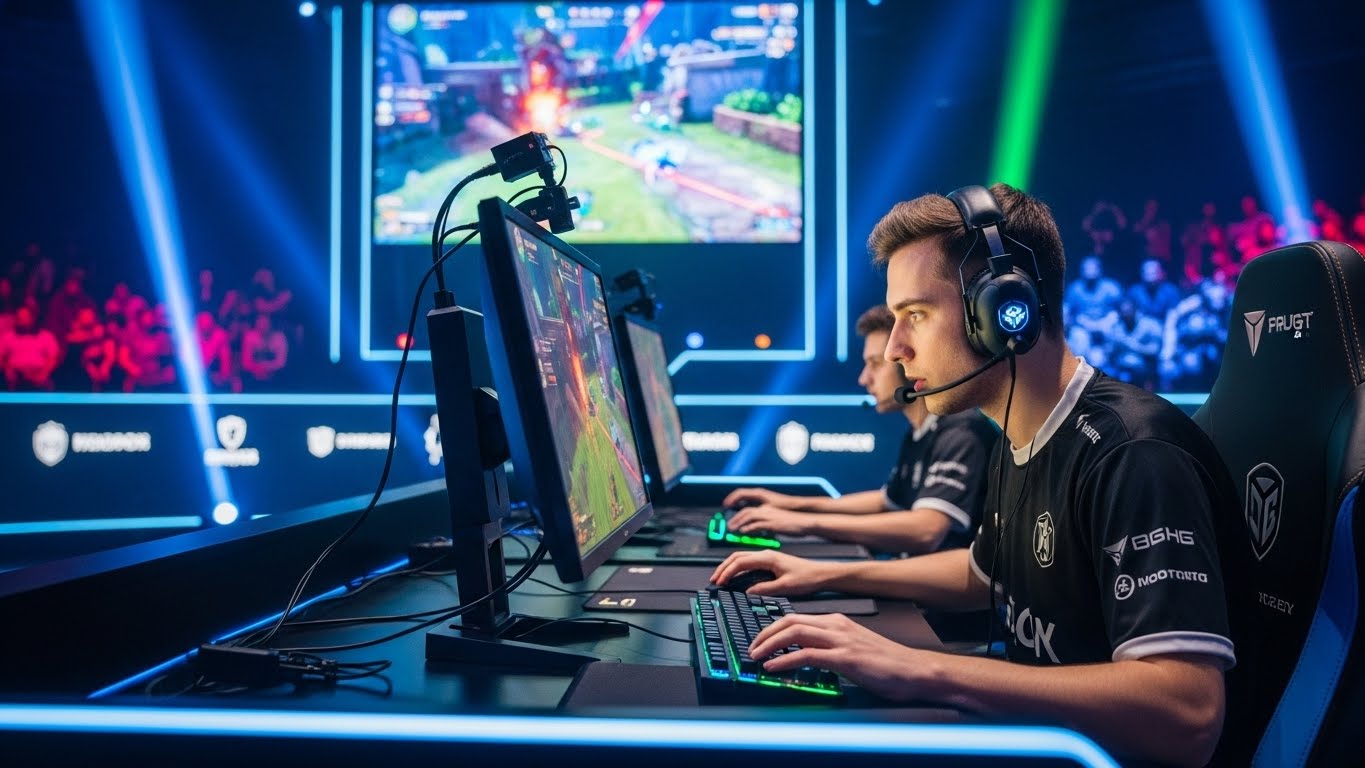
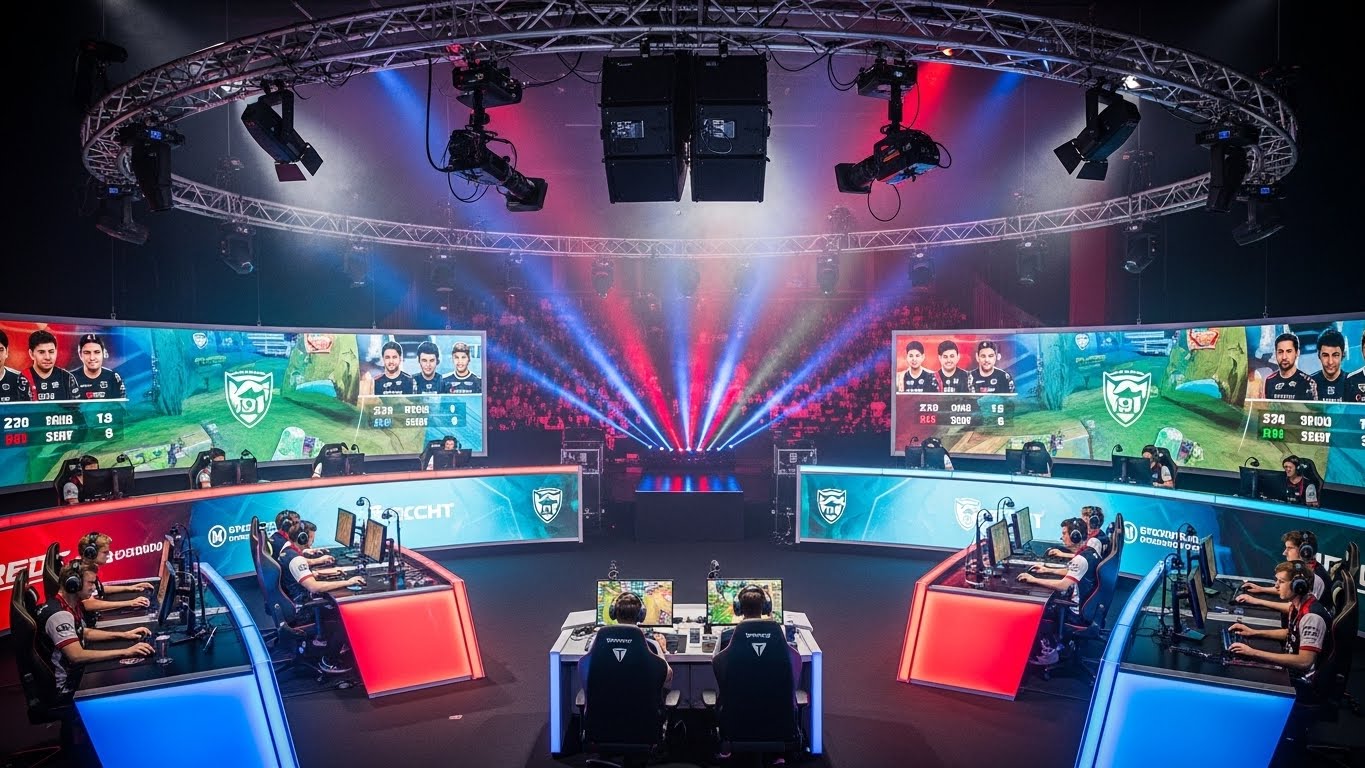
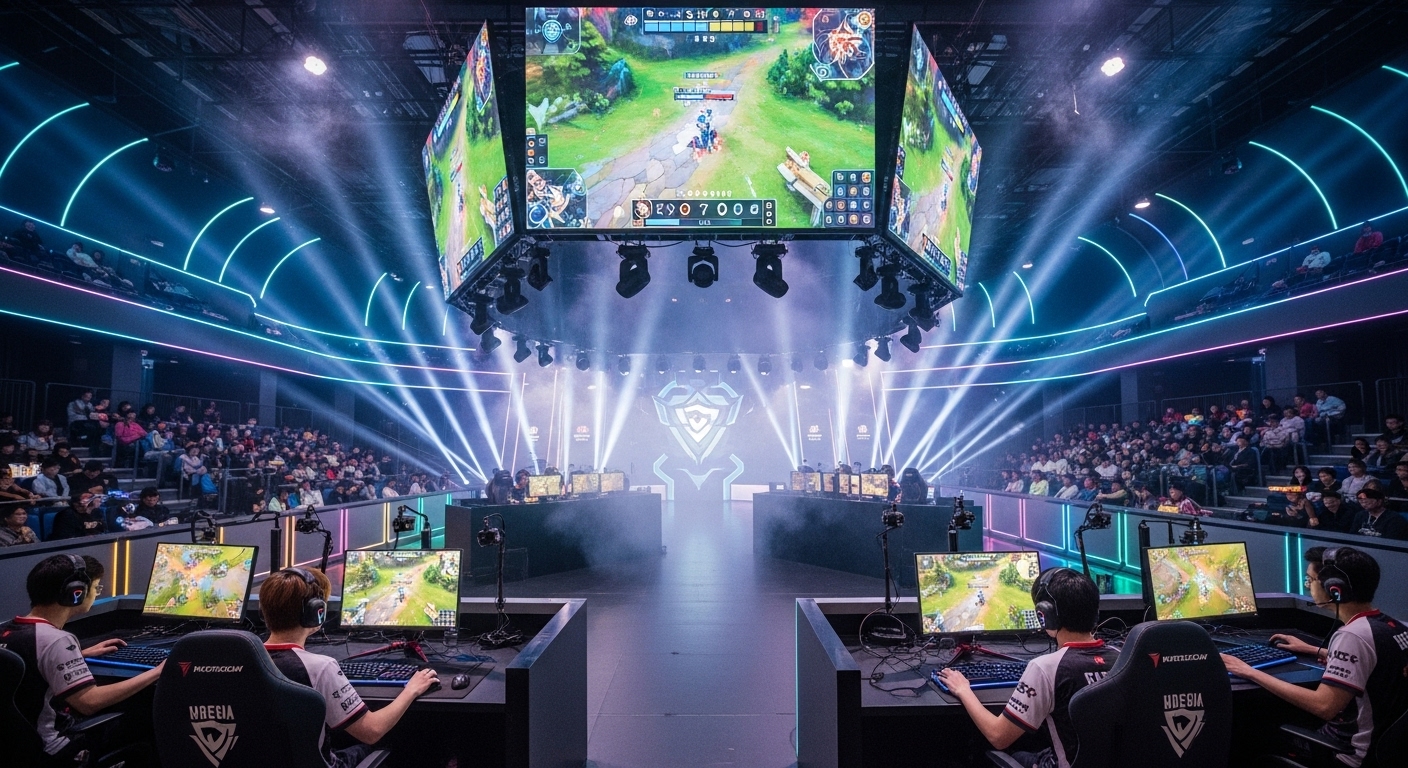
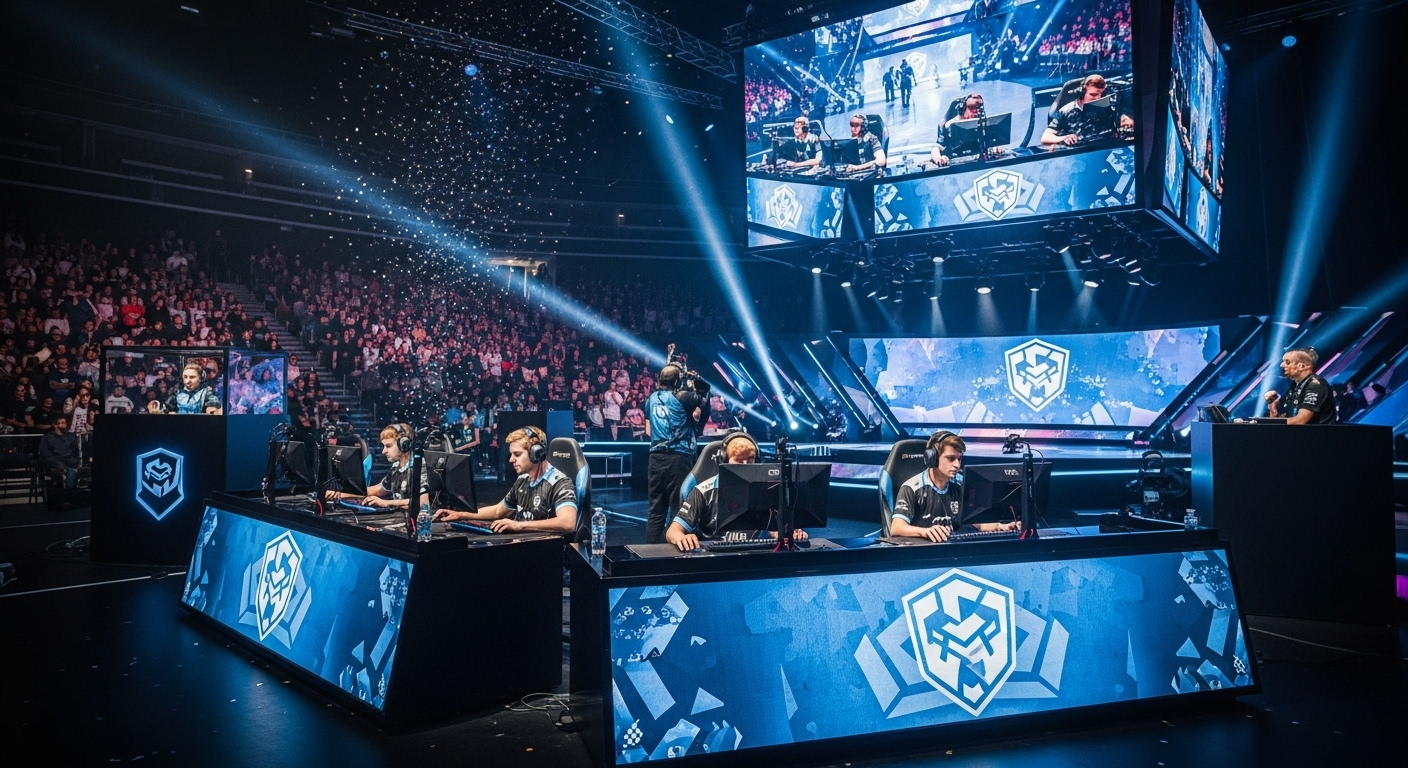
In the past two decades, esports has undergone a remarkable transformation. Once considered a niche activity for enthusiasts, competitive gaming is now a multi-billion-dollar industry with millions of fans worldwide. From humble beginnings in arcades and local LAN parties to major international tournaments broadcast across multiple platforms, esports has evolved into a global cultural phenomenon. But what exactly is driving this explosive growth, and how has esports become a legitimate career path for players, coaches, analysts, and content creators? In this blog post, we will explore the rise of esports, its professionalization, its impact on traditional sports, and the cultural shift it represents.
The Birth of Esports: Competitive Gaming’s Humble Beginnings
The concept of competitive gaming dates back to the earliest days of video games. In the 1970s and 1980s, arcade games like Pong and Space Invaders provided the first opportunities for players to compete for high scores. But it wasn’t until the 1990s, with the advent of multiplayer networked games, that competitive gaming began to gain serious traction. Games like Quake and Warcraft allowed players to connect via local area networks (LAN) and compete against one another in real-time, setting the stage for the first esports tournaments.
One of the first major esports events, the Red Annihilation tournament in 1997, featured Quake players competing for the top spot. This event was a turning point for esports, marking the beginning of larger-scale competitive gaming. During this period, esports was still relatively small, with players competing primarily within local communities or specific regions. However, these early competitions demonstrated the potential of gaming as a competitive, spectator-friendly activity.
The Rise of Esports in the 2000s
The early 2000s saw a significant leap forward for esports, especially in South Korea, where StarCraft became a national obsession. The South Korean government recognized esports as a legitimate form of entertainment, establishing the Korean e-Sports Association (KeSPA) in 2000 and launching televised StarCraft tournaments. These events garnered huge viewership, making South Korea the birthplace of esports as we know it today. The country’s esports scene exploded, and professional players gained widespread recognition, comparable to traditional sports athletes.
The global esports scene began to expand around the same time. Major tournaments, including the World Cyber Games (WCG) and Electronic Sports World Cup (ESWC), began attracting international players, sponsors, and media coverage. The arrival of online streaming platforms, particularly Twitch, in 2011 brought esports into the mainstream. Now, fans could watch live competitions, follow their favorite players, and interact with them in real-time. This accessibility changed the nature of esports forever, allowing it to grow rapidly in both scale and popularity.
Esports Becomes a Profession: The Emergence of Competitive Leagues
The growth of esports as a spectator sport paved the way for professionalization. Major gaming companies recognized the potential of esports and began organizing official leagues, tournaments, and competitions. Riot Games, for example, created the League of Legends Championship Series (LCS) in 2013, which is now one of the biggest esports leagues in the world. Similarly, Valve’s Dota 2 and Blizzard’s Overwatch followed suit by organizing their own professional leagues with impressive prize pools and international prestige.
In addition to the rise of organized leagues, esports began to resemble traditional sports in many ways. Professional teams were formed, complete with coaches, analysts, and staff members. Players signed contracts with organizations, and the competition became more structured. Just like athletes in traditional sports, esports professionals dedicated themselves to long hours of practice and strategy. Teams participated in regular-season matches and playoffs, culminating in global tournaments like the League of Legends World Championship or The International for Dota 2, both of which offer prize pools that can exceed $30 million.
Esports and the Digital Revolution: Streaming, Social Media, and Global Reach
Streaming platforms have been instrumental in the success of esports. Twitch, YouTube Gaming, and other platforms have created a space where gamers can stream their gameplay, engage with fans, and build personal brands. Professional players and content creators now have the ability to monetize their content through ads, donations, subscriptions, and sponsorships. Streaming has not only provided players with a career path but has also allowed esports to build an even more engaged fanbase.
Esports is a spectator sport that can be accessed from anywhere in the world. Fans can watch major tournaments live, participate in real-time chats, and connect with others who share the same passion. Esports has taken the social aspect of gaming to the next level, creating communities where fans interact with their favorite players, teams, and brands. The accessibility and community-oriented nature of esports has made it incredibly appealing to younger generations who are deeply immersed in digital culture.
Esports and Traditional Sports: A Growing Comparison
As esports continues to grow, many are beginning to draw comparisons between esports and traditional sports. Both require immense skill, strategy, and teamwork. Esports players spend countless hours practicing and refining their techniques, just as professional athletes do in sports like football or basketball. In fact, professional esports players face a similar level of pressure and expectation, as they compete at the highest level and represent their teams in major tournaments.
However, there are key differences between esports and traditional sports. Esports is entirely digital, meaning that players do not require physical fields or courts to practice. Instead, players can compete from the comfort of their homes or dedicated gaming facilities, as long as they have the necessary equipment and internet access. This accessibility has played a major role in esports’ rapid growth, as it allows players from all over the world to compete against one another with minimal barriers to entry.
Esports also differs from traditional sports in its reliance on technology. The introduction of virtual reality (VR), augmented reality (AR), and cloud gaming could further enhance the gaming experience, offering new ways for players and spectators to engage with competitions. These technological innovations have the potential to make esports even more immersive and accessible, creating new opportunities for growth.
The Economic Impact of Esports
Esports has become a massive economic force in recent years. The industry generates billions of dollars through ticket sales, sponsorships, merchandise, media rights, and advertising. Major brands such as Coca-Cola, Intel, and Red Bull have all made significant investments in esports, sponsoring tournaments and teams. The rise of esports has also created job opportunities for a wide range of professionals, including event organizers, game developers, broadcasters, analysts, and marketers. The economic impact of esports is not limited to the players and organizations involved—it also extends to the local economies of cities hosting major events.
In 2021, the global esports industry was valued at over $1 billion, and projections indicate that the industry will continue to grow in the coming years. The success of esports has also led to the development of esports arenas and facilities, as well as an increase in esports scholarships and educational programs. Universities are now offering courses in esports management, marketing, and broadcasting, providing aspiring professionals with the tools they need to succeed in this rapidly growing industry.
The Social Impact of Esports
Beyond its economic influence, esports has had a profound social impact. Gaming has always been a social activity, but esports has taken this to a new level by creating global communities of fans and players. People from different countries, cultures, and backgrounds can come together through their shared love of competitive gaming. Esports has the power to unite people and break down barriers, providing a platform for social interaction that extends beyond the game itself.
Furthermore, esports has become a career option for individuals who may not have had access to traditional sports. Many professional gamers come from modest backgrounds, and esports offers them the chance to achieve recognition and success on a global scale. This democratization of competition has opened up new opportunities for talented players who might otherwise have been overlooked in traditional sports.
Challenges Facing Esports
Despite its rapid growth, esports still faces several challenges. One of the most pressing issues is the health and well-being of players. The long hours spent practicing and competing can take a toll on mental and physical health. Many esports professionals face stress, anxiety, and burnout, leading to calls for better support systems and mental health resources within the industry. Additionally, players are often under pressure to perform at an extremely high level, which can lead to intense scrutiny from fans and media.
Esports also struggles with issues related to fairness and integrity, such as cheating, match-fixing, and the use of performance-enhancing drugs. While these problems are not unique to esports, they have been a source of concern as the industry continues to expand. Esports organizations and governing bodies are working to address these issues by implementing stricter regulations, increasing transparency, and promoting ethical practices.
The Future of Esports: What Lies Ahead
The future of esports is incredibly promising. As technology continues to evolve, so will the opportunities for growth. The rise of VR and AR could provide new ways for players and fans to experience esports, offering more immersive and interactive experiences. Mobile gaming is also on the rise, with games like PUBG Mobile and Fortnite attracting a huge global audience. The integration of esports into traditional sports leagues and the Olympics could further legitimize the industry and attract more mainstream attention.
Esports is also likely to continue its upward trajectory in terms of viewership and revenue. With millions of fans already following major tournaments, esports is on track to become an even more significant part of global entertainment. As the industry matures, esports will continue to break down barriers and redefine what it means to be a professional athlete.