Introduction: The Rise of Esports
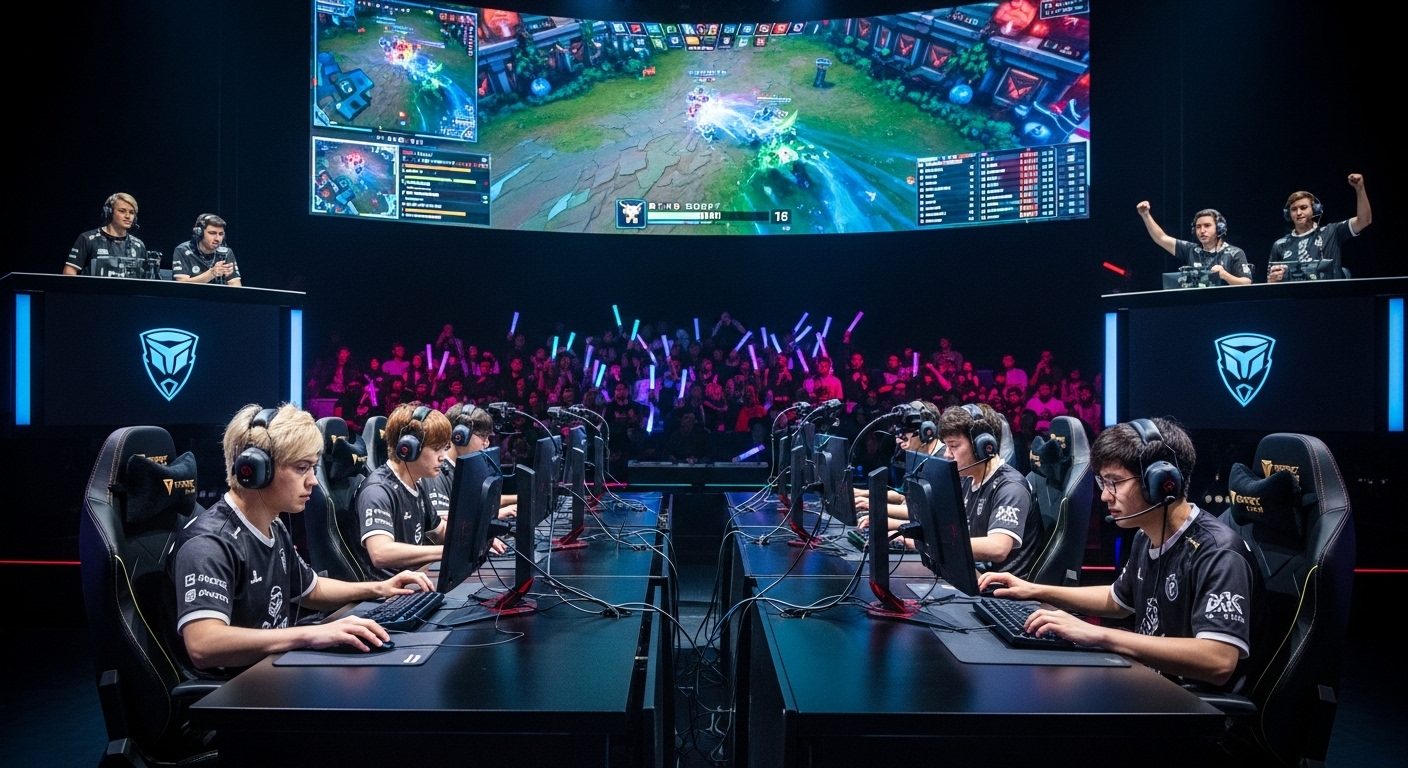
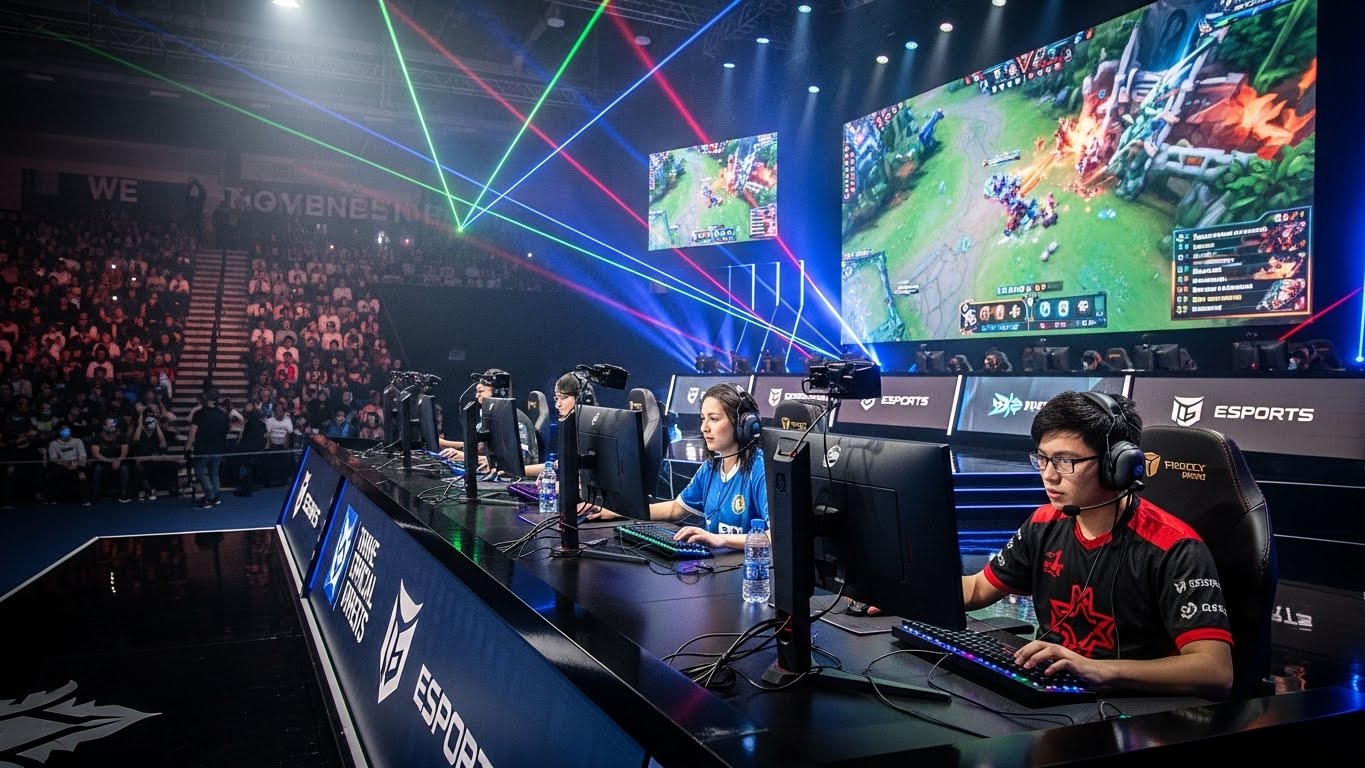
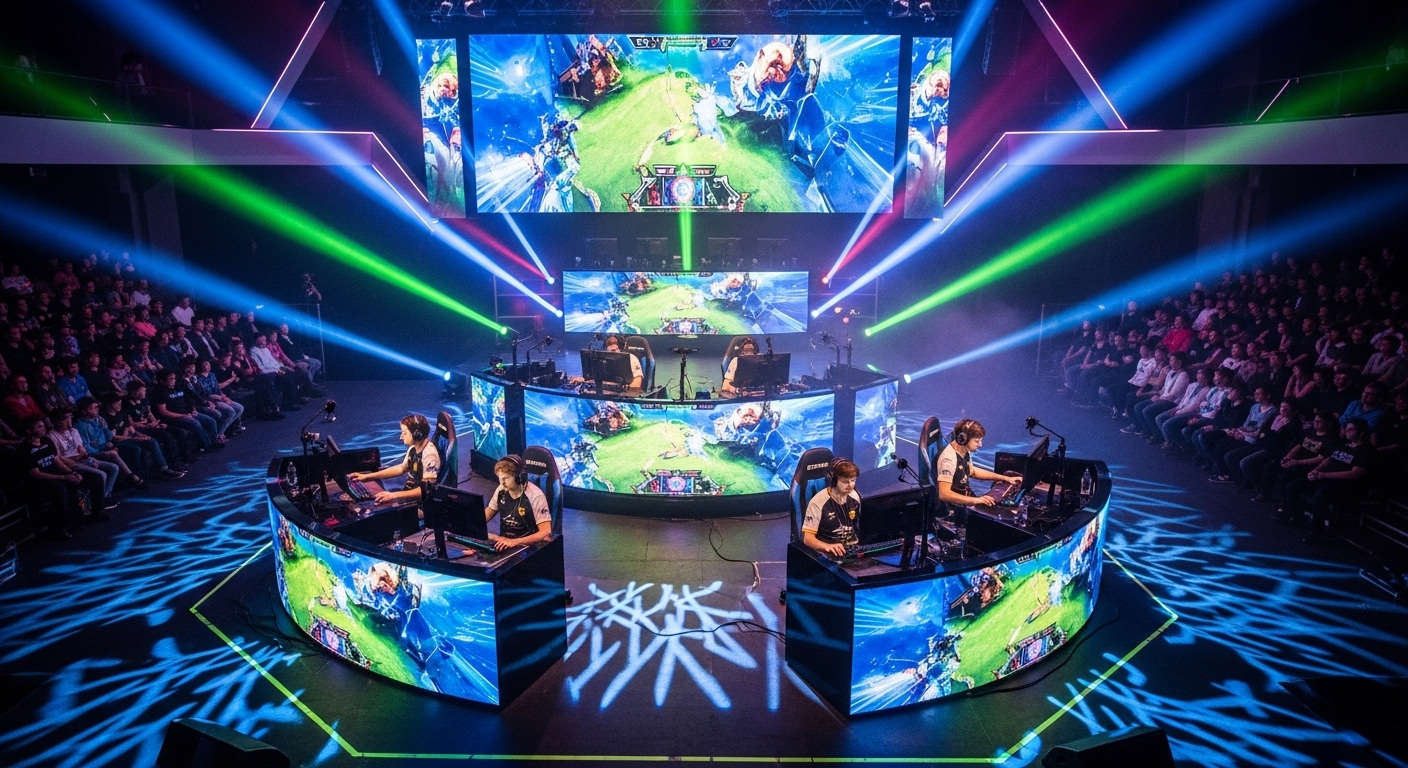
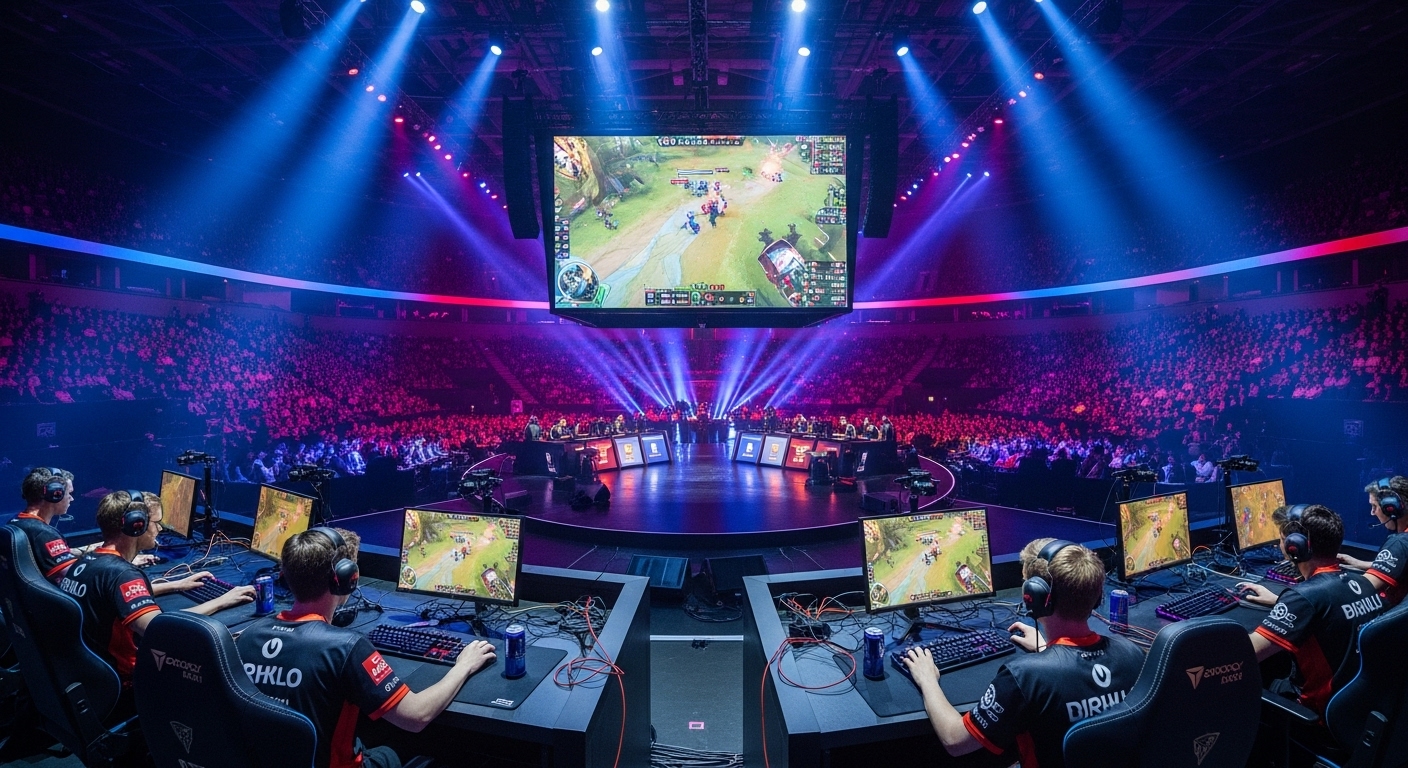
Esports, short for electronic sports, refers to competitive video gaming at a professional level, where players and teams compete in organized tournaments and leagues for prestige, fame, and often, enormous prize pools. What began as a small niche hobby has transformed into a billion-dollar global industry that rivals traditional sports in audience size and cultural influence. From small LAN parties to grand arenas filled with fans cheering for their favorite players, esports has evolved into a dominant force in modern entertainment. The phenomenon of esports reflects not only the growing popularity of gaming but also a shift in how people perceive competition, community, and digital culture in the 21st century.
The Early Roots of Esports
The history of esports dates back to the early days of video gaming in the 1970s and 1980s. One of the first recognized gaming competitions took place in 1972 at Stanford University, where students competed in a game called Spacewar!. The prize for the winner was a year’s subscription to a magazine, but the event planted a seed that would eventually grow into a massive global movement.
In the 1980s, the arcade culture exploded, giving rise to competitive high-score challenges. Games like Donkey Kong and Pac-Man drew crowds of players trying to claim the top spot on the leaderboard. However, the technology and infrastructure for large-scale gaming events did not yet exist. It wasn’t until the late 1990s, with the advent of broadband internet and multiplayer online games, that esports began to take a recognizable shape.
The Birth of Competitive Online Gaming
As internet access became widespread in the late 1990s, online multiplayer games revolutionized the gaming landscape. Titles like StarCraft, Counter-Strike, and Quake allowed players to compete with others around the world, creating the first global gaming communities. South Korea, in particular, became the epicenter of early esports development. The government invested in internet infrastructure, and professional gaming quickly became a respected career path. StarCraft tournaments attracted massive audiences, both live and on television, establishing a foundation for future esports industries.
By the early 2000s, esports was no longer confined to internet cafés. Dedicated organizations and leagues began to emerge, such as the Cyberathlete Professional League (CPL) and the World Cyber Games (WCG). These early tournaments gave structure to competitive gaming, introducing professional standards, sponsorships, and official rankings.
The Mainstream Explosion
The 2010s marked the decade when esports truly entered the mainstream. Streaming platforms like Twitch and YouTube Gaming allowed millions of fans to watch their favorite players and teams live, free of charge. This accessibility made esports entertainment available to anyone with an internet connection, breaking geographical and cultural barriers.
Games like League of Legends, Dota 2, and Counter-Strike: Global Offensive became household names within the esports world. Massive tournaments, such as The International for Dota 2 and the League of Legends World Championship, began offering multimillion-dollar prize pools, rivaling traditional sports competitions in both scale and excitement. Esports arenas were filled with cheering fans, while millions more watched online, creating a new kind of global sporting event that existed entirely in the digital realm.
The Business Behind Esports
Esports today is a thriving industry with multiple revenue streams. Sponsorships and advertising form the backbone of its financial structure, as brands from energy drinks to computer hardware companies invest heavily in reaching the young, tech-savvy audience that esports attracts. Ticket sales for live events, media rights, and in-game purchases also contribute to the growing profitability of the industry.
Professional teams have become organizations with management, coaches, analysts, and marketing departments, much like traditional sports franchises. Players sign contracts, receive salaries, and are often treated like celebrities, complete with fanbases and endorsement deals. Major corporations and sports franchises have entered the scene, investing in or establishing their own esports teams. This level of professionalism has elevated esports to a legitimate sporting business that generates billions annually.
Popular Esports Titles and Genres
The diversity of esports titles is one of the reasons for its widespread appeal. Different genres attract different audiences, and each game offers unique styles of play and competition.
Multiplayer Online Battle Arenas (MOBAs) such as League of Legends and Dota 2 require teamwork, strategy, and precision. These games feature complex gameplay mechanics and dynamic team compositions, making them highly engaging for both players and spectators.
First-Person Shooters (FPS) like Counter-Strike: Global Offensive, Valorant, and Call of Duty focus on reaction speed, accuracy, and tactical coordination. The intensity and quick pacing of these games make them thrilling to watch and perfect for high-stakes tournaments.
Battle Royale games such as Fortnite and PUBG have introduced new formats, combining survival mechanics with large-scale competitive play. These titles have brought in younger audiences and created opportunities for new forms of creative competition.
Sports Simulation titles like FIFA and NBA 2K blur the lines between traditional and digital sports. Players often mirror real-world teams and athletes, attracting fans from both the gaming and sports communities.
Each genre contributes to the overall ecosystem of esports, ensuring that there is something for every type of viewer and player.
The Role of Streaming and Content Creation
The rise of live streaming has been crucial to the growth of esports. Platforms such as Twitch, YouTube, and Facebook Gaming have given gamers a way to broadcast their gameplay to global audiences, creating a new form of entertainment where viewers can interact with their favorite players in real time.
Streaming has also blurred the line between professional esports players and content creators. Many top esports athletes maintain active streaming channels, building personal brands that attract sponsorships and fan engagement. This has made esports not just about tournaments but also about personalities, entertainment, and community building.
Content creation around esports has expanded to include documentaries, highlight reels, analysis shows, and even animated shorts. These materials add depth to the storytelling aspect of esports, helping fans connect with teams and players beyond the competition itself.
The Global Reach of Esports
One of the most remarkable aspects of esports is its truly global nature. Unlike traditional sports, which may be limited by geography or infrastructure, esports can be played anywhere with a stable internet connection. This accessibility has allowed players from every continent to compete on an equal footing.
Asia remains the strongest region in esports, with countries like South Korea, China, and Japan leading in both viewership and professional development. North America and Europe have also cultivated massive audiences and strong competitive scenes. Meanwhile, regions such as Southeast Asia, South America, and the Middle East are experiencing rapid growth as local organizations and governments recognize the potential of esports to drive digital innovation and youth engagement.
Esports and Education
Esports has also found its way into educational institutions. High schools and universities around the world have started offering esports programs, scholarships, and even degrees related to gaming management and game design. These programs recognize the growing demand for professionals in the esports industry, from coaches and analysts to marketers and event managers.
Collegiate esports leagues allow students to compete on behalf of their schools, promoting teamwork, leadership, and communication skills similar to traditional sports. This academic integration demonstrates that esports is more than just entertainment—it is also a field of study and career development.
The Cultural Impact of Esports
Esports has reshaped the way society views gaming and competition. Once considered a solitary pastime, gaming has become a social, cultural, and professional pursuit. Esports events bring people together from diverse backgrounds, united by their shared love of gaming.
The influence of esports extends beyond the games themselves. It has affected fashion, music, and even media production. Famous musicians collaborate with gaming companies for live performances within games, and major brands release limited-edition gaming merchandise. Esports celebrities appear on talk shows, in commercials, and at major cultural events, showcasing how mainstream gaming has become.
Moreover, esports has created new communities that transcend borders and languages. Fans connect online, discussing strategies, analyzing plays, and supporting their favorite teams. The culture of esports emphasizes inclusivity, creativity, and collaboration, making it one of the most dynamic and forward-thinking movements of modern entertainment.
Challenges Facing the Esports Industry
Despite its success, esports faces several challenges as it continues to grow. One major issue is player burnout. Professional gamers often train for extremely long hours, sometimes up to twelve hours a day, leading to mental and physical fatigue. There are increasing calls for organizations to provide better health management and work-life balance for their players.
Another challenge is maintaining fair play. With large sums of money and fame at stake, issues such as cheating, match-fixing, and hacking can threaten the integrity of competitions. Developers and tournament organizers must constantly update their security measures and enforce strict regulations to preserve trust in the system.
Additionally, the esports industry is still working toward stable global governance. Unlike traditional sports with well-established federations, esports consists of multiple game titles, each owned by private companies. This fragmentation creates inconsistencies in rules, prize distribution, and player representation. Establishing a unified regulatory framework remains an ongoing discussion within the community.
The Future of Esports
Looking ahead, the future of esports appears brighter than ever. Technological advancements such as virtual reality, augmented reality, and artificial intelligence promise to enhance both gameplay and spectator experiences. As internet speeds improve and cloud gaming becomes more accessible, esports will continue to reach new audiences around the world.
Esports is also expected to play a significant role in shaping the future of entertainment and sports. With increasing crossover events, collaborations between game developers and media companies, and the potential inclusion of esports in major sporting events, the boundaries between digital and physical sports may continue to blur.
Furthermore, as younger generations grow up in a digital-first world, esports will remain a central part of their culture and identity. The next decade will likely see more government recognition, corporate investment, and academic programs supporting esports, solidifying its place as a lasting and legitimate industry.
Conclusion: A Revolution in Competition and Culture
Esports represents more than just video games—it is a revolution in how people compete, connect, and create. What began as casual gaming among friends has transformed into a global spectacle that unites millions across cultures and continents. The esports phenomenon showcases human skill, creativity, and the power of technology to bring people together.
As esports continues to evolve, it challenges traditional notions of what defines an athlete, a fan, and even a sport. With its unique blend of entertainment, strategy, and community, esports is not just a trend but a lasting cultural movement that will continue to shape the digital age.
In every sense, esports is the sport of the modern era—a testament to human innovation and passion in the virtual arena.