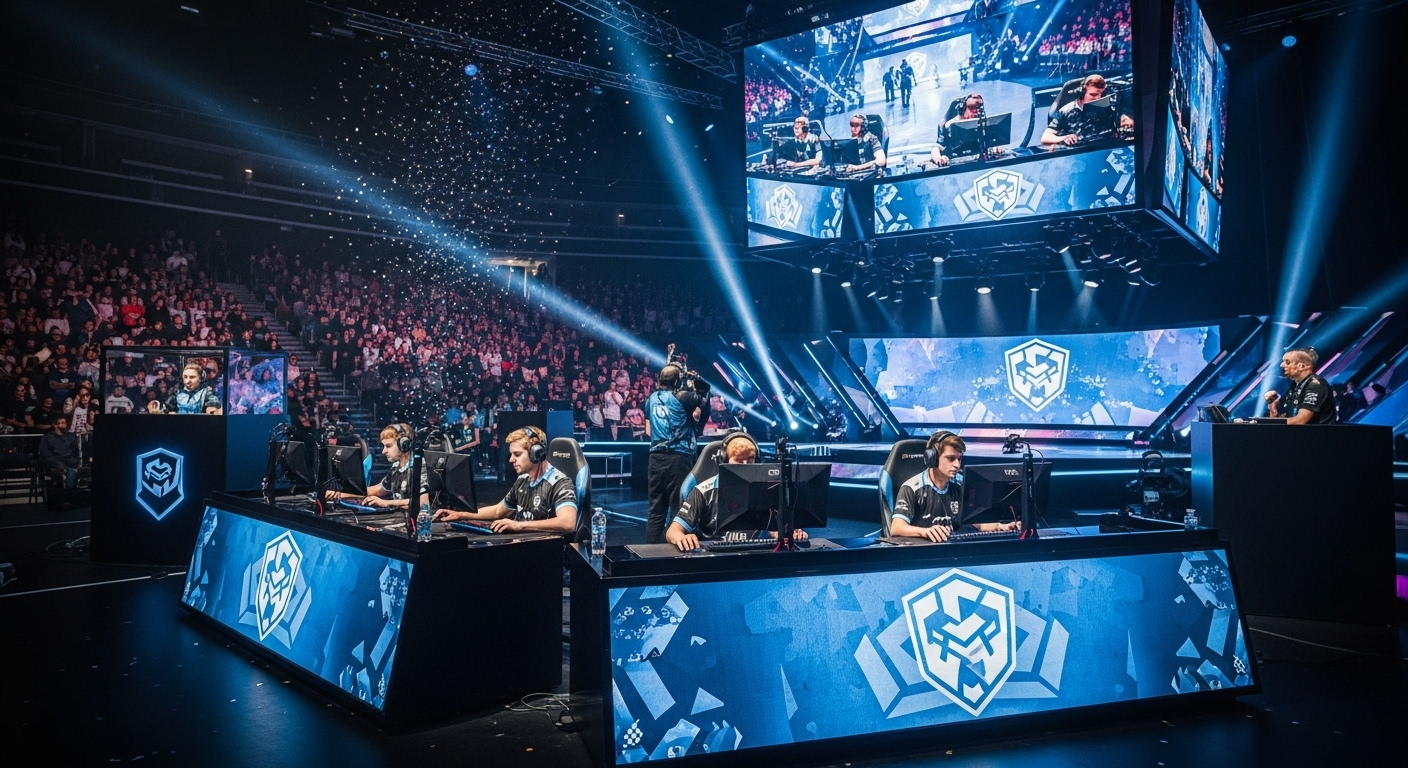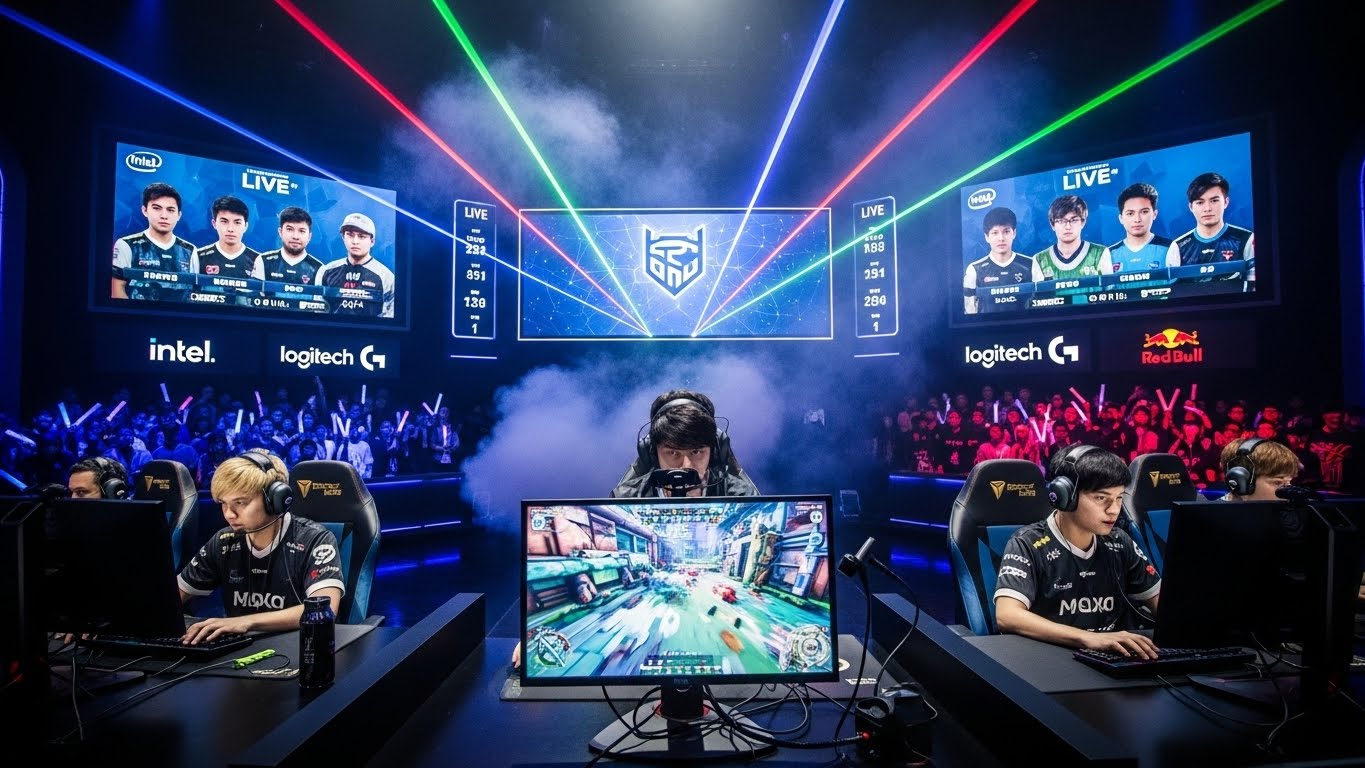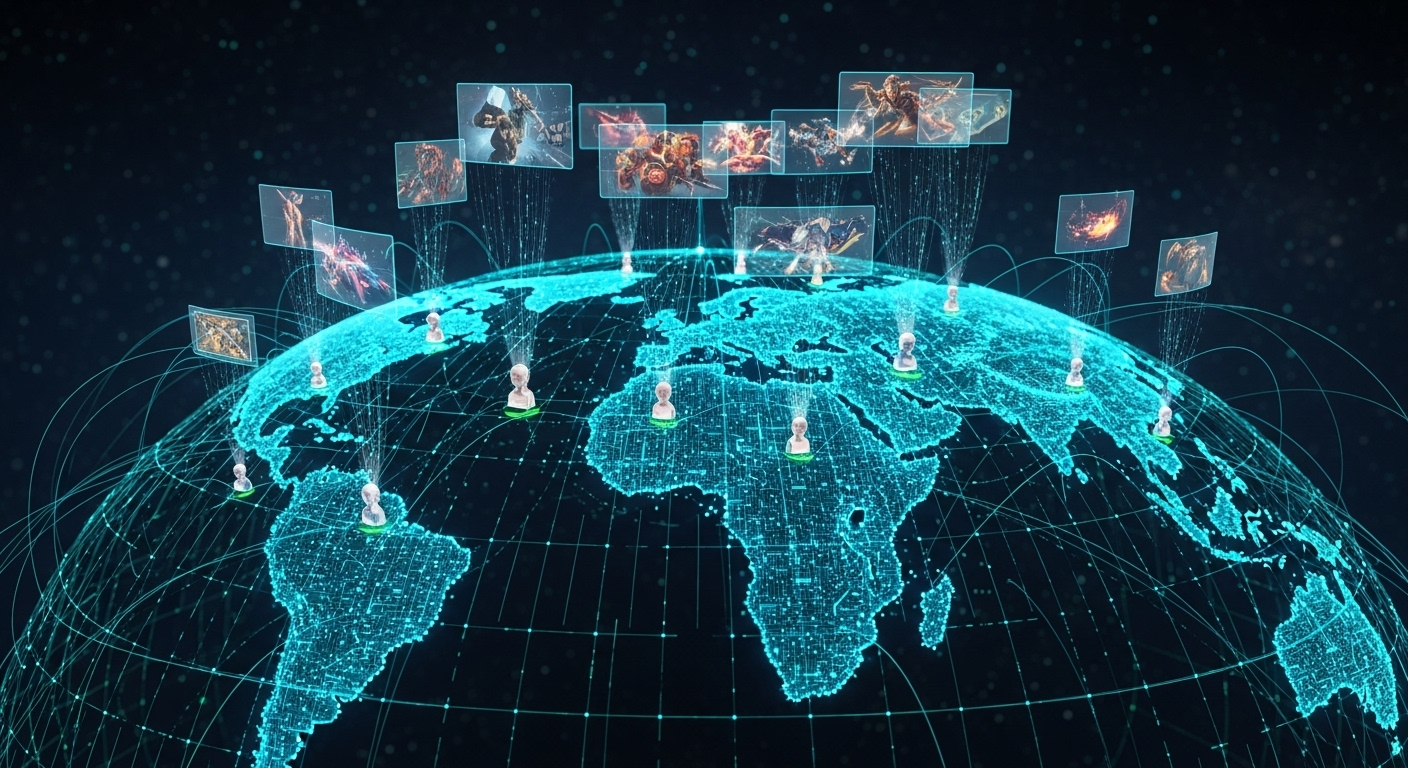
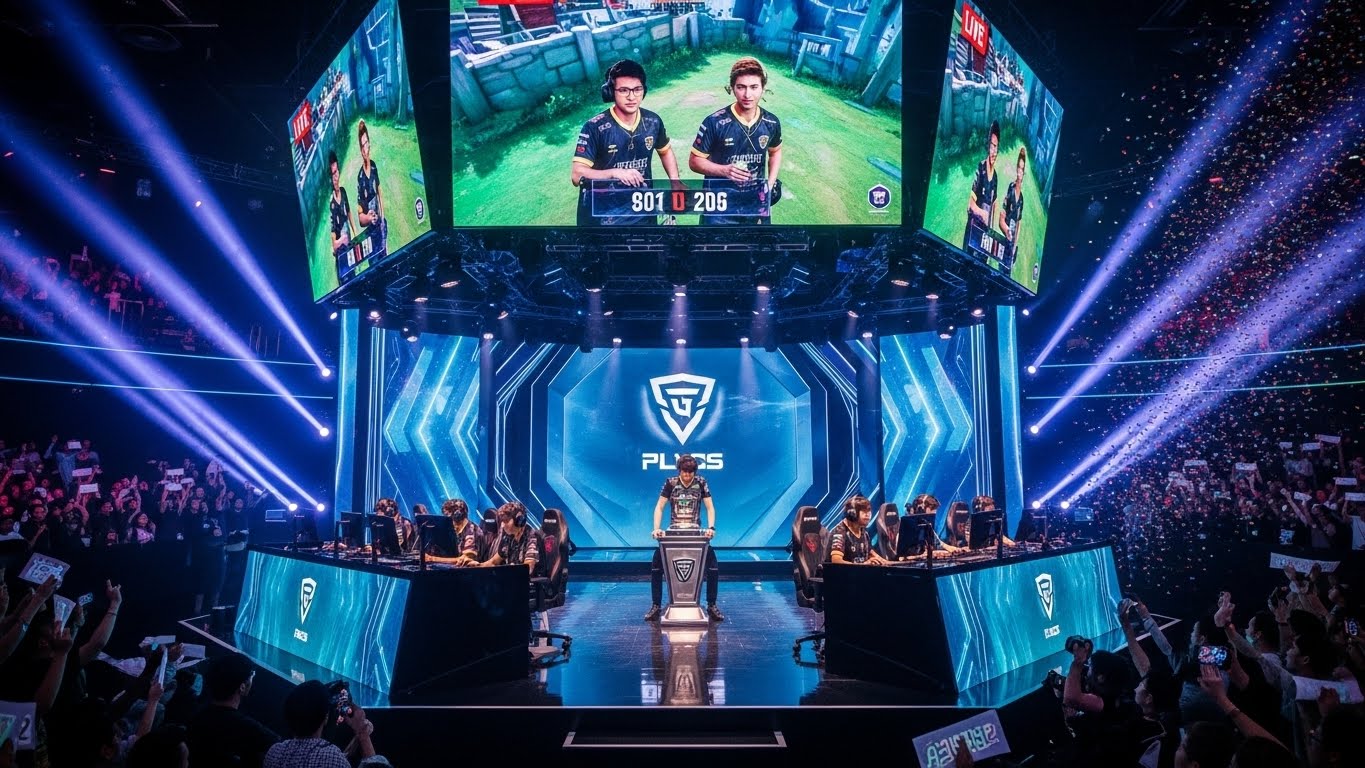
Esports, short for electronic sports, has transformed from a niche hobby into a global phenomenon over the past few decades. What started as small, local gaming tournaments has now become a multi-billion-dollar industry. Today, esports is a massive global enterprise that attracts millions of viewers, professional players, and sponsors, making it an integral part of the entertainment and sports landscape. This blog will explore the explosive rise of esports, its impact on the gaming industry, and the future prospects of competitive gaming.
The Birth of Esports: A Digital Revolution
The roots of esports can be traced back to the late 1990s and early 2000s when competitive gaming began to take shape. The concept of multiplayer gaming, where players could compete against each other remotely, was revolutionary. Early esports tournaments focused on games like StarCraft, Quake, and Warcraft. These games not only had intricate mechanics that required skill and strategy but also built online communities that fostered competition.
The first recognized esports tournaments took place in the late 90s, with events like the Red Annihilation Tournament (1997) and Cyberathlete Professional League (CPL) (1997), laying the foundation for what would become the massive esports ecosystem we know today. The games featured at these tournaments were often first-person shooters (FPS) and real-time strategy (RTS) games, but as time progressed, the variety of esports titles expanded to include multiplayer online battle arena (MOBA) games, sports simulations, and battle royales.
The Rise of Esports in the 2010s: From Underground to Mainstream
The real turning point for esports came in the 2010s when the industry started to grow exponentially. The introduction of League of Legends (LoL) in 2009, developed by Riot Games, proved to be a game-changer. LoL became the cornerstone of modern esports, offering a free-to-play model with an online competitive ladder that appealed to millions of players worldwide. The game’s accessibility and deep strategic elements made it a perfect fit for the rapidly growing esports scene. Riot Games invested heavily in developing a professional esports league, culminating in the League of Legends World Championship, which attracted millions of viewers.
At the same time, other games like Dota 2, Counter-Strike: Global Offensive (CS: GO), and Overwatch gained substantial followings, adding diversity to the esports ecosystem. These titles not only attracted competitive players but also helped to establish a fanbase that transcended geographic boundaries. The 2010s saw the rise of professional esports organizations, including teams like Cloud9, Team Liquid, and Fnatic, who would go on to dominate competitions across various titles.
Major esports events, such as The International (Dota 2’s premier tournament), became huge spectacles, with prize pools reaching tens of millions of dollars. This helped establish esports as a serious and lucrative career choice for talented players, coaches, and analysts. Companies like Intel, Coca-Cola, and Red Bull became key sponsors, further legitimizing esports as an established industry.
The Shift to Global Recognition: Esports as Mainstream Entertainment
By the mid-2010s, esports began to gain mainstream recognition, thanks in part to increased media coverage, sponsorships, and the rise of streaming platforms like Twitch and YouTube Gaming. These platforms allowed fans to watch live streams of competitive gaming events, interact with players, and even engage in gaming-related content outside of competitions.
In addition, the rise of traditional sports organizations and celebrities investing in esports teams further legitimized the scene. Famous athletes like Michael Jordan, Shaquille O’Neal, and David Beckham became involved in esports, either as investors or owners of esports franchises. This helped bridge the gap between traditional sports fans and esports enthusiasts, creating a more interconnected fanbase.
Major television networks like ESPN also began broadcasting esports tournaments, bringing them into the living rooms of people who may not have otherwise been exposed to the competitive gaming world. The collaboration with traditional sports media outlets opened the door for wider mainstream exposure, helping to normalize esports as a form of entertainment.
The Impact of Esports on Gaming Culture
Esports has not only transformed the competitive gaming landscape but also had a significant impact on gaming culture as a whole. One of the most notable changes is the way professional gaming has influenced the way games are designed and played. Developers now incorporate esports-friendly features into their games, such as ranking systems, spectator modes, and custom tournaments, all of which enhance the competitive experience.
The success of games like Fortnite, Apex Legends, and Valorant can be attributed, in part, to their appeal in both casual and competitive gaming environments. These games offer mechanics that are easy to understand but difficult to master, which is a hallmark of most successful esports titles. This balance of accessibility and complexity has allowed a new generation of players to engage with esports in ways that weren’t possible in the early days of gaming.
Another aspect of gaming culture that has been influenced by esports is the growth of fan communities. Fans now follow not only their favorite teams but also individual players who have gained celebrity status. Players like Faker (Lee Sang-hyeok) from League of Legends, S1mple (Oleksandr Kostyliev) from CS: GO, and Ninja (Tyler Blevins) from Fortnite have become household names. These players often engage with their fanbases through social media, streaming, and sponsorships, which creates a closer connection between players and fans than ever before.
The Economic Impact: Sponsorships, Media Rights, and Prize Pools
Esports is now a multi-billion-dollar industry, and its economic impact cannot be overstated. The biggest drivers of growth in esports are sponsorships, media rights, and large prize pools. According to estimates, the global esports market was worth over $1.1 billion in 2023, and it is expected to grow steadily in the coming years. Brands are increasingly looking to invest in esports as a way to engage with younger, digitally-savvy audiences.
Sponsorships play a central role in the funding of esports tournaments and teams. Major brands like Nike, Mercedes-Benz, and Coca-Cola have partnered with esports leagues and players to reach a global audience. These sponsorships often include advertising, product placement, and exclusive partnerships, which help to sustain the growth of the industry. Teams themselves also secure lucrative sponsorship deals to fund their operations, allowing them to recruit top talent and compete at the highest levels.
Media rights have become another key revenue stream for the esports industry. Platforms like Twitch, YouTube, and Facebook Gaming have negotiated exclusive broadcasting deals with major esports leagues. These deals not only generate revenue but also allow esports tournaments to reach an even wider audience.
The size of prize pools has also seen a significant increase over the years. The prize pool for The International, Dota 2’s flagship tournament, reached a record $40 million in 2021, with individual players taking home multi-million-dollar earnings. Other tournaments, like the League of Legends World Championship, also offer millions in prize money, ensuring that top players can make a career out of esports.
The Challenges of Esports: A Rapidly Evolving Landscape
Despite its rapid growth, the esports industry still faces several challenges. One of the most pressing issues is the lack of regulation and standardization. As the esports ecosystem is still evolving, there is no single governing body or set of universal rules for all tournaments, which can lead to inconsistencies in tournament formats, player contracts, and other logistical aspects. Additionally, the fast-paced nature of the industry means that games and teams can rise and fall in popularity relatively quickly, which can make long-term career stability difficult for players.
Another issue is the mental and physical health of professional players. Esports players often train for long hours, which can lead to burnout and stress. The pressure to perform at the highest level can take a toll on mental health, and the physical strain of hours of gaming can lead to issues like carpal tunnel syndrome and eye strain. More attention needs to be given to player welfare, including proper training regimens and mental health support.
The Future of Esports: Virtual Reality, Blockchain, and AI
Looking ahead, the future of esports seems incredibly bright. As technology continues to advance, we can expect esports to integrate more cutting-edge innovations. Virtual reality (VR) and augmented reality (AR) could revolutionize the way esports tournaments are played and viewed. VR could offer a fully immersive experience, allowing players to interact with their environments in a more lifelike way, while AR could create dynamic, interactive viewing experiences for fans.
Blockchain technology could also play a major role in the future of esports, particularly in terms of player rewards, digital collectibles, and the monetization of in-game items. NFTs (Non-Fungible Tokens) are already being explored in gaming, and they could become a significant part of the esports economy.
Finally, artificial intelligence (AI) will likely have a large impact on the esports industry, both in terms of game development and player performance analysis. AI could be used to create smarter, more challenging in-game opponents, improve matchmaking systems, and even assist in coaching players by analyzing their performance and providing personalized advice.
Conclusion: The Boundless Potential of Esports
Esports has come a long way from its humble beginnings, and it shows no signs of slowing down. The industry has already had a profound impact on gaming culture, entertainment, and business, and its future looks incredibly promising. As technology advances and the esports ecosystem continues to evolve, we are likely to see even more growth, innovation, and global engagement.