Introduction: The Digital Arena Awakens
Over the past decade, esports has evolved from a niche recreational pursuit into a global cultural and economic powerhouse. What was once a quiet corner of gaming forums has grown into massive stadium events watched by millions around the world. Today, esports stands shoulder-to-shoulder with traditional sports, offering not only thrilling competitions but also vibrant communities, career opportunities, and a rapidly expanding industry. This blog explores how esports rose to prominence, why it resonates so deeply with modern audiences, and where this digital phenomenon is heading next.
The Birth of a New Competitive Culture
At its core, esports describes organized video game competitions featuring professional players and teams. While competitive gaming has existed since the early days of arcades, the modern version began to flourish in the early 2000s as internet connectivity improved and online multiplayer games became mainstream. Titles like strategy-based arena games and first-person shooters laid the foundation for structured tournaments and international championships.
Unlike traditional sports, esports had no physical boundaries. Anyone with a computer or console and an internet connection could participate, practice, or simply spectate. This accessibility helped cultivate a global community where players from different countries could compete on equal ground. Over time, communities formed around specific games, creating passionate fanbases that mirrored those of football or basketball clubs.
The Growth of Professional Esports Teams
With rising popularity came the demand for organization. Professional esports teams emerged, complete with managers, coaches, analysts, and training regimens. These teams became brands in themselves, building loyalty through talent, personality, and strategic innovation. Players trained for hours each day, refining reflexes, teamwork, and decision-making skills.
The life of an esports professional requires discipline comparable to traditional athletes. Reaction time, memory retention, communication efficiency, and stress management are key components of success. Many teams established training facilities designed to improve both physical health and cognitive performance, recognizing that a holistic approach was necessary for long-term success.
This shift toward professionalism also attracted sponsors and investors, from gaming hardware companies to mainstream brands seeking exposure to younger audiences. As a result, esports grew into a multi-billion-dollar industry supported by advertising, merchandise, team franchising, and tournament circuits.
The Role of Streaming Platforms in Esports Popularity
Streaming platforms played a crucial role in shaping esports into a mainstream form of entertainment. Instead of relying on traditional sports networks, esports leveraged live-streaming communities where fans could watch matches, engage in chat discussions, and follow their favorite players in real time. This interactive viewing experience made the community feel more personal and connected.
What set esports streaming apart was its accessibility. Viewers could watch professional matches or casual content for free, allowing new audiences to join effortlessly. Gamers could build personal brands as streamers, offering insights into gameplay, behind-the-scenes moments, and genuine interactions with fans. Some streamers grew massive followings, becoming both entertainers and ambassadors of the gaming world.
This blend of competitive gameplay and community-driven entertainment turned esports into an everyday cultural presence rather than a seasonal event, reinforcing its consistent growth.
Why Esports Resonates with Modern Audiences
Several factors explain the deep connection between esports and its audience. First, esports represents a digital form of entertainment naturally aligned with a generation that grew up online. Instead of simply watching sports on television, younger audiences prefer interactive and immersive experiences where they can participate, engage, and react instantly.
Second, esports champions inclusivity. Traditional sports often favor physical attributes such as height, strength, or age. Esports, however, offers a more level playing field where talent, strategy, dedication, and teamwork matter above all else. Players from diverse backgrounds and countries can rise to stardom based purely on skill.
Third, gamers view esports competitors not just as athletes but as relatable figures who share similar backgrounds and interests. Many professionals started as casual players whose passion elevated them to competitive heights. This shared journey strengthens the bond between players and fans, fostering a sense of community and identity.
The Science Behind Competitive Gaming
Competitive gaming is not only about quick reflexes and flashy plays. It involves complex mental processes, strategic planning, and rapid adaptation to constantly changing scenarios. Players analyze maps, predict enemy behavior, coordinate team strategies, and manage resources under intense time pressure.
Scientific studies have shown that esports athletes possess heightened hand-eye coordination, fast reaction times, strong working memory, and superior multitasking abilities. Training programs focus on cognitive drills, communication exercises, and situational practice sessions that replicate real tournament environments.
Furthermore, as the industry matures, sports psychologists and fitness coaches have become essential to player health and performance. Mental resilience is critical, especially during international tournaments where the stakes and stress are immense. By nurturing well-being both inside and outside the game, teams help players sustain long and successful careers.
Esports in Education: A New Pathway for Students
In recent years, schools and universities have begun to embrace esports as a legitimate extracurricular and academic pursuit. Educational institutions now host recreational leagues, varsity teams, and scholarship programs, recognizing the benefits of structured competitive gaming.
Esports teaches valuable life skills such as strategic thinking, leadership, teamwork, and time management. Students involved in esports often develop strong communication abilities and learn to perform under pressure. Moreover, esports can open doors to careers in broadcasting, game design, coaching, marketing, and event management.
Some universities even offer specialized degrees related to esports management, reflecting the industry’s growing need for educated professionals who can navigate its business, technological, and creative landscapes.
The Global Stage: Major Esports Tournaments
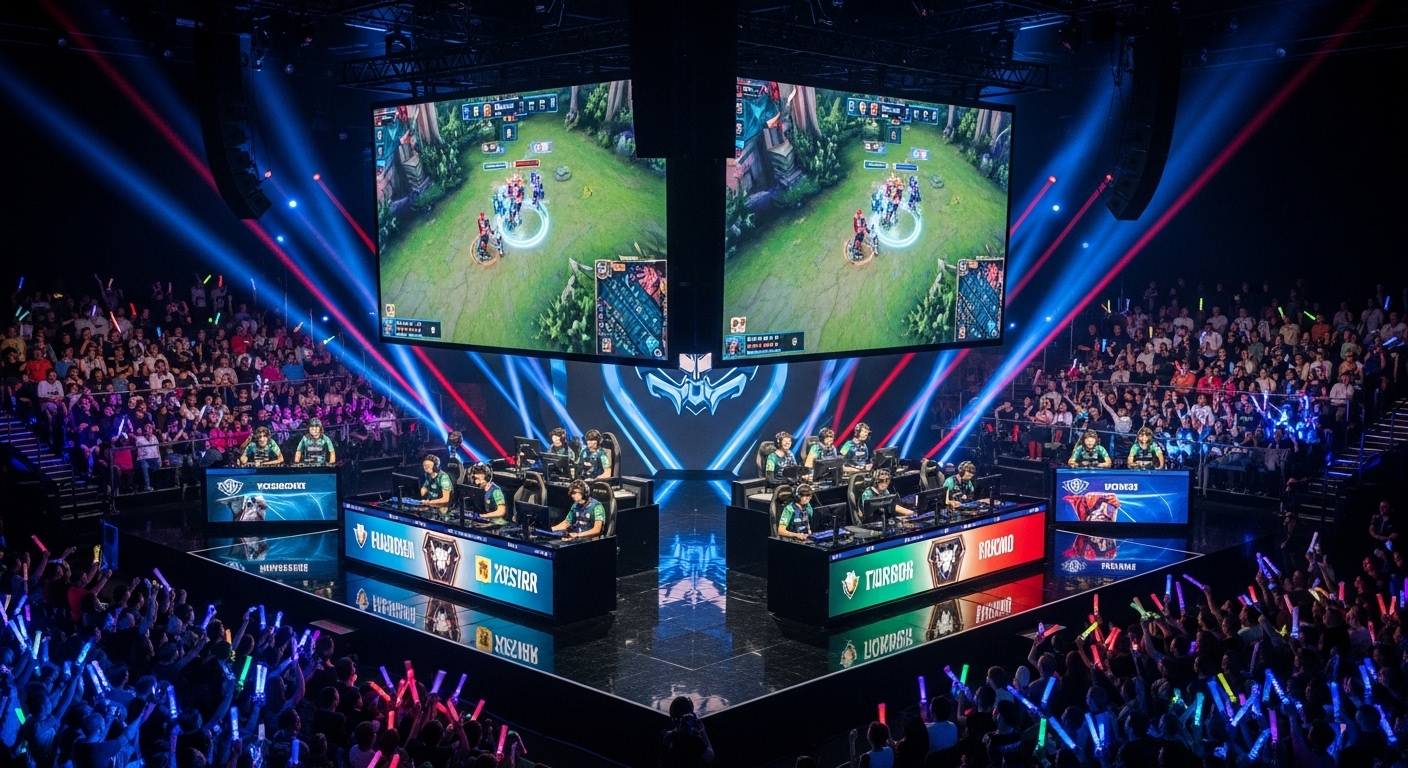
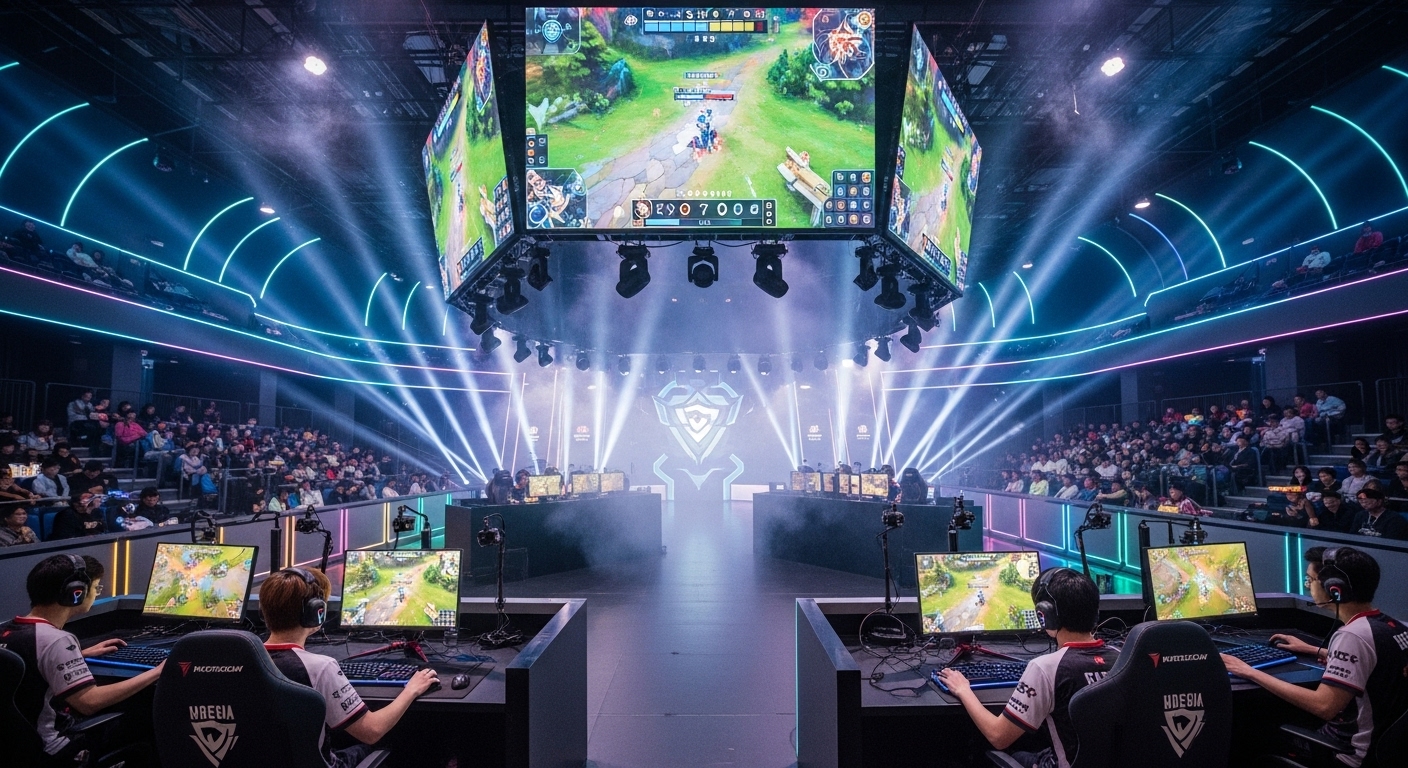
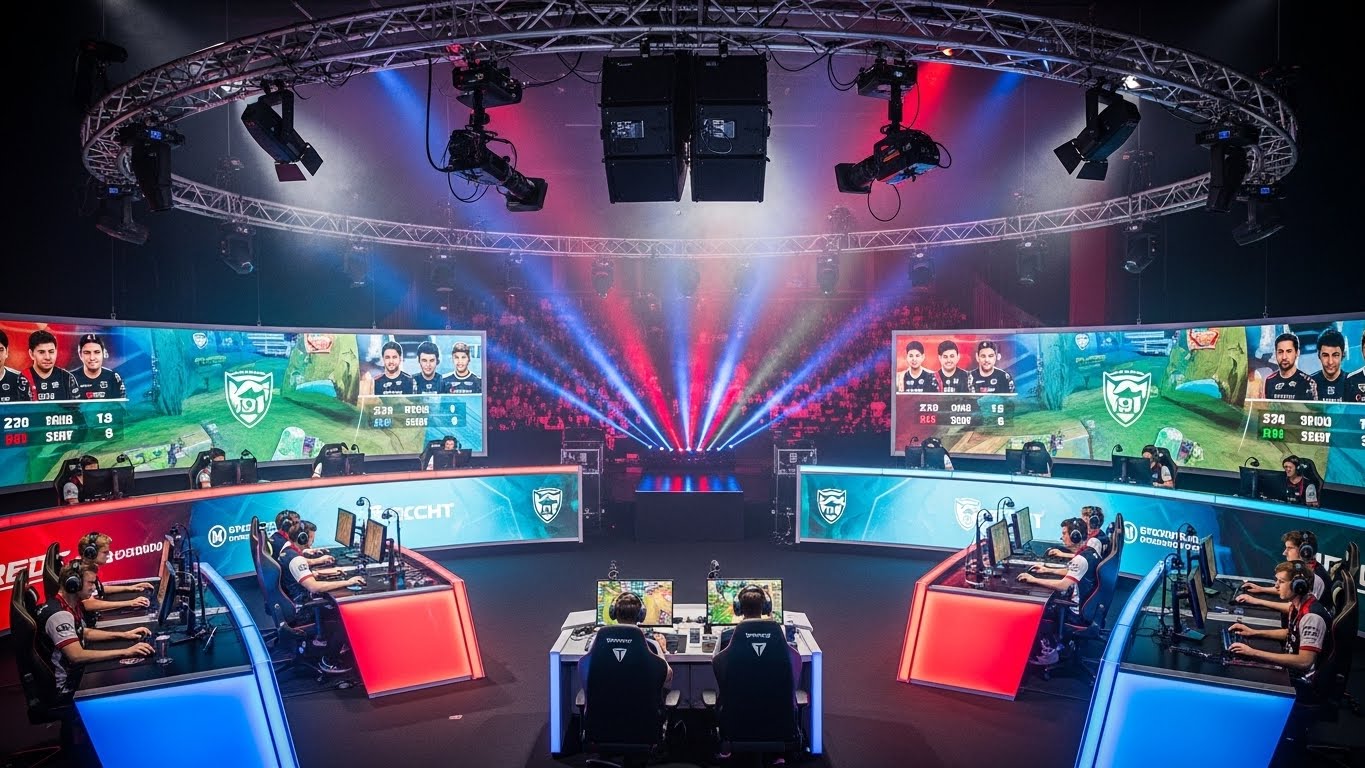
The largest esports tournaments attract millions of viewers and fill arenas with passionate fans. Spectators cheer for their favorite teams, celebrate major plays, and enjoy elaborate productions complete with commentators, analysts, and immersive stage designs. These tournaments rival traditional sporting finals in excitement and scale.
Each major event serves as a cultural celebration of the gaming world, featuring cosplay contests, fan meet-ups, merchandise booths, and live entertainment. The energy of these gatherings showcases the vibrant and diverse community that surrounds esports. What was once considered a solitary pastime has transformed into a dynamic social experience.
Prize pools for top tournaments often reach impressive figures, rewarding players not only for winning but also for their commitment, discipline, and creative gameplay. These events help propel esports into the mainstream spotlight, demonstrating its potential to continue expanding worldwide.
Challenges Facing the Esports Industry
Despite its growth, esports faces several challenges that require careful navigation. Player burnout is a significant issue due to intense training schedules, frequent travel, and constant competition. Encouraging balanced lifestyles, adequate rest, and health support is vital for the long-term sustainability of players’ careers.
Another challenge involves maintaining fairness and integrity. As esports grows, it must address concerns such as cheating, match-fixing, and security vulnerabilities. Organizations have introduced regulations, monitoring systems, and standardized rules to ensure transparency and protect competitive integrity.
Additionally, the industry must continue promoting diversity and inclusion. While esports is inherently accessible, there is still room to expand representation and opportunities for players of all identities and backgrounds.
The Future of Esports: A Digital Renaissance
The future of esports is rich with possibilities. As technology advances, virtual reality, augmented reality, and cloud gaming may reshape the competitive landscape. Fans may experience matches in new immersive ways, stepping inside digital arenas or analyzing plays from innovative camera angles.
Mobile esports continues to surge, making competitive gaming even more accessible to global audiences who may not own high-end gaming systems. Meanwhile, cross-platform compatibility opens the door for even larger and more diverse tournaments.
Esports will likely continue blending with entertainment, education, and technological innovation. As generations grow up embracing both digital and physical culture, the line between traditional sports and esports may blur further, forming a unified landscape of competitive entertainment.
Conclusion: More Than Just a Game
Esports is no longer simply about playing games. It is about community, innovation, dedication, and shared passion. It has created opportunities for millions of people worldwide, from professional athletes and commentators to educators, developers, and fans. It reflects the evolution of modern culture—dynamic, connected, and ever-changing.
As esports continues its incredible rise, it stands as a testament to the power of human creativity and competition. Whether you’re a long-time gamer, a curious newcomer, or someone seeking the next major evolution in entertainment, the digital arena has a place for you. And this is only the beginning of its story.