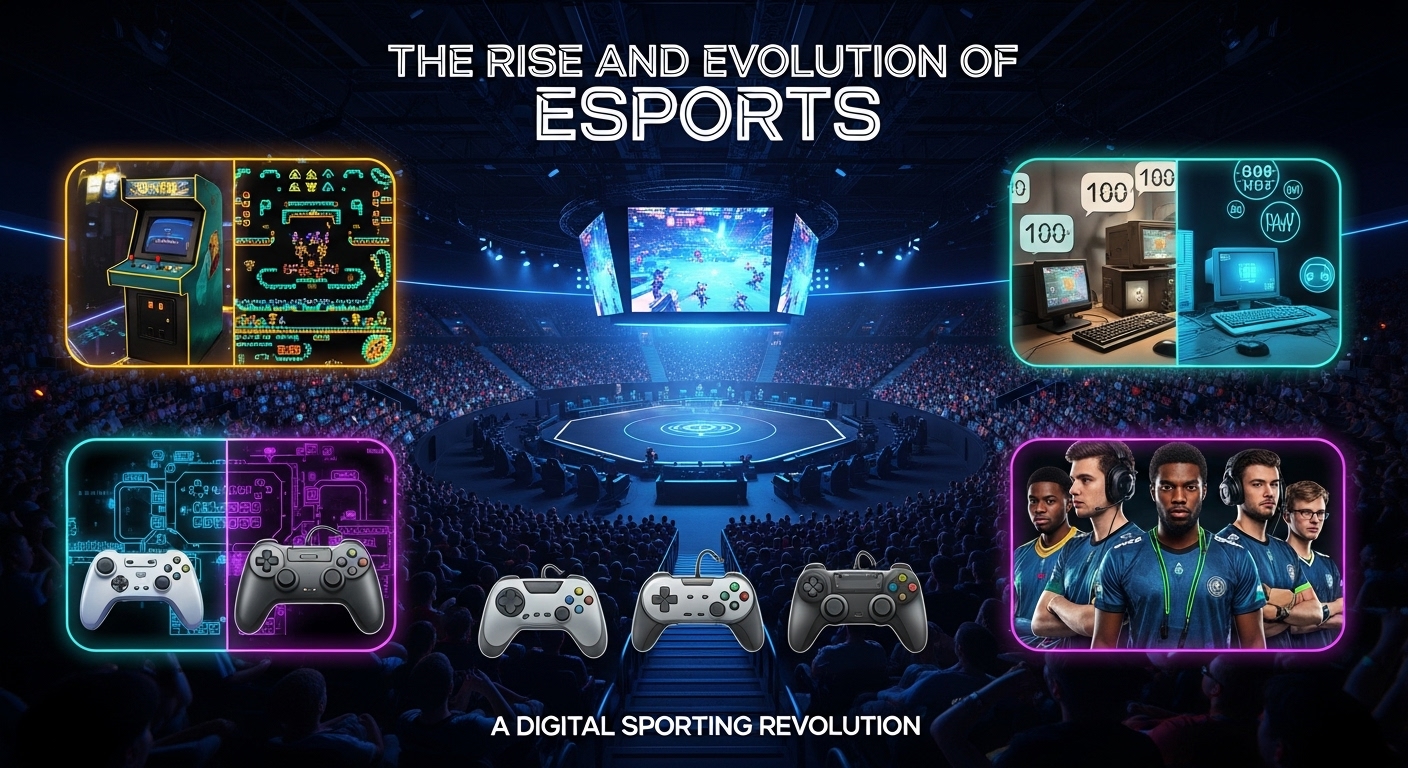
Esports has transformed from a niche pastime into a worldwide cultural phenomenon. What was once seen as a hobby for a small group of dedicated gamers is now a billion-dollar industry with massive tournaments, global sponsorships, and professional athletes who train as rigorously as traditional sports stars. This blog explores how esports rose to prominence, why it continues to captivate millions, and what the future might hold for this evolving digital battleground.
The Humble Beginnings of Competitive Gaming
Long before stadiums filled with cheering fans and prize pools soared into the millions, competitive gaming began in smaller, quieter rooms. In the early days, video game competitions took place in arcades, college labs, and living rooms. Players competed for high scores, bragging rights, and small prizes. The excitement came from the challenge itself rather than the scale of the events.
Games like classic fighters, early strategy titles, and pioneering first-person shooters laid the foundation for what would later become professional esports. As technology progressed, multiplayer gaming moved from local setups to online platforms, allowing players from around the world to face each other. This leap marked the true beginning of a competitive ecosystem that was not limited by geography.
The Explosion of Global Esports Titles
Esports truly began to flourish when certain titles captured massive player bases and supported organized competition. Games such as strategy, battle arenas, shooters, and sports simulations evolved into esports staples because they offered high skill ceilings, dynamic gameplay, and strong developer support. Their developers nurtured a competitive environment by hosting tournaments, balancing gameplay, and creating spectator-friendly formats.
The rise of online streaming played a major role in this growth. Players and fans could now watch high-level gameplay from any location, learning from professionals and engaging with communities around the world. This level of access helped solidify esports as not only a form of entertainment but also a global digital sport that connected millions.
Building a Professional Esports Ecosystem
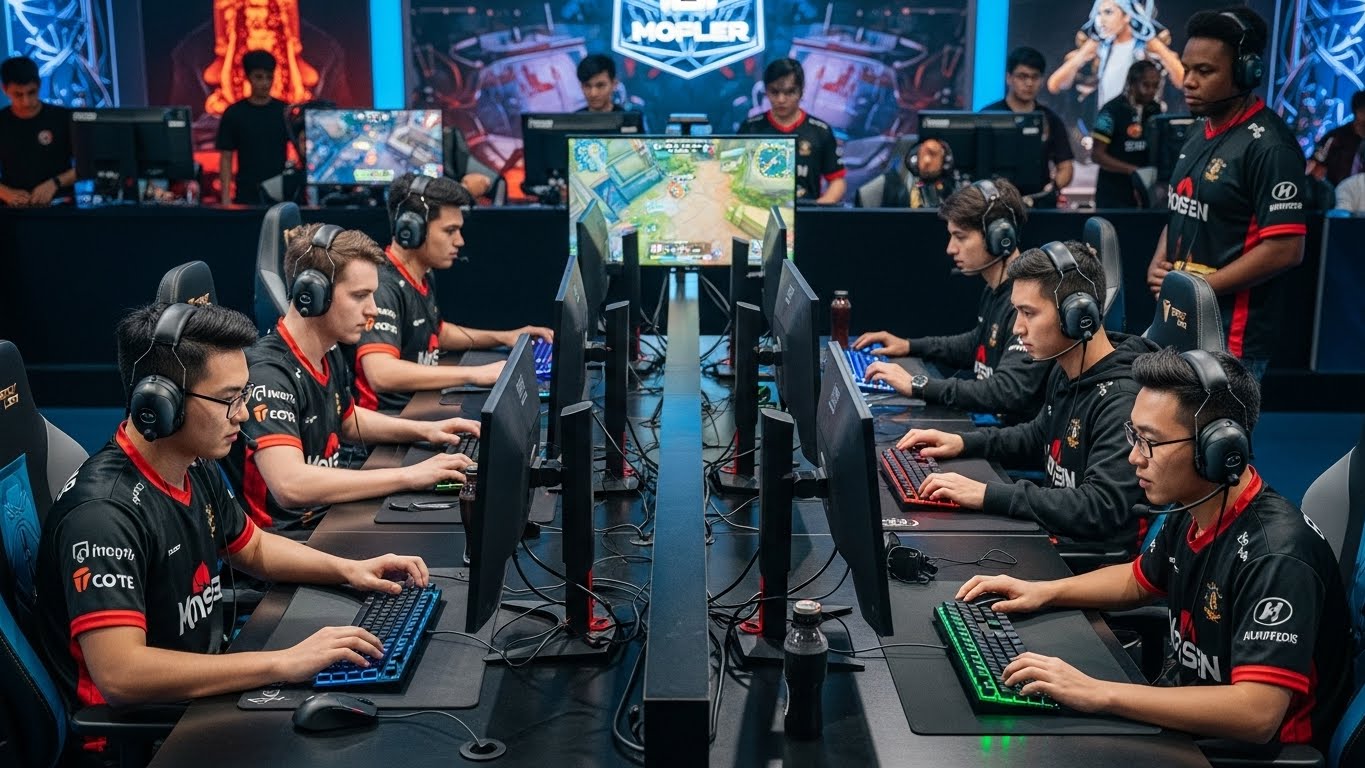
As esports gained traction, the need for structure became more evident. Modern esports now mirrors traditional sports in many ways. Professional teams formed across continents, backed by organizations with coaching staff, analysts, and managers. These teams provide salaries, performance support, and long-term career development for players.
Training facilities offer spaces where athletes hone their mechanics, study strategies, and practice teamwork. Nutritionists, psychologists, and fitness trainers are increasingly part of the esports environment as organizations recognize the importance of both physical and mental health for sustained performance. This professional approach has elevated esports to a level that rivals long-established athletic fields.
The Experience of Watching Esports Live
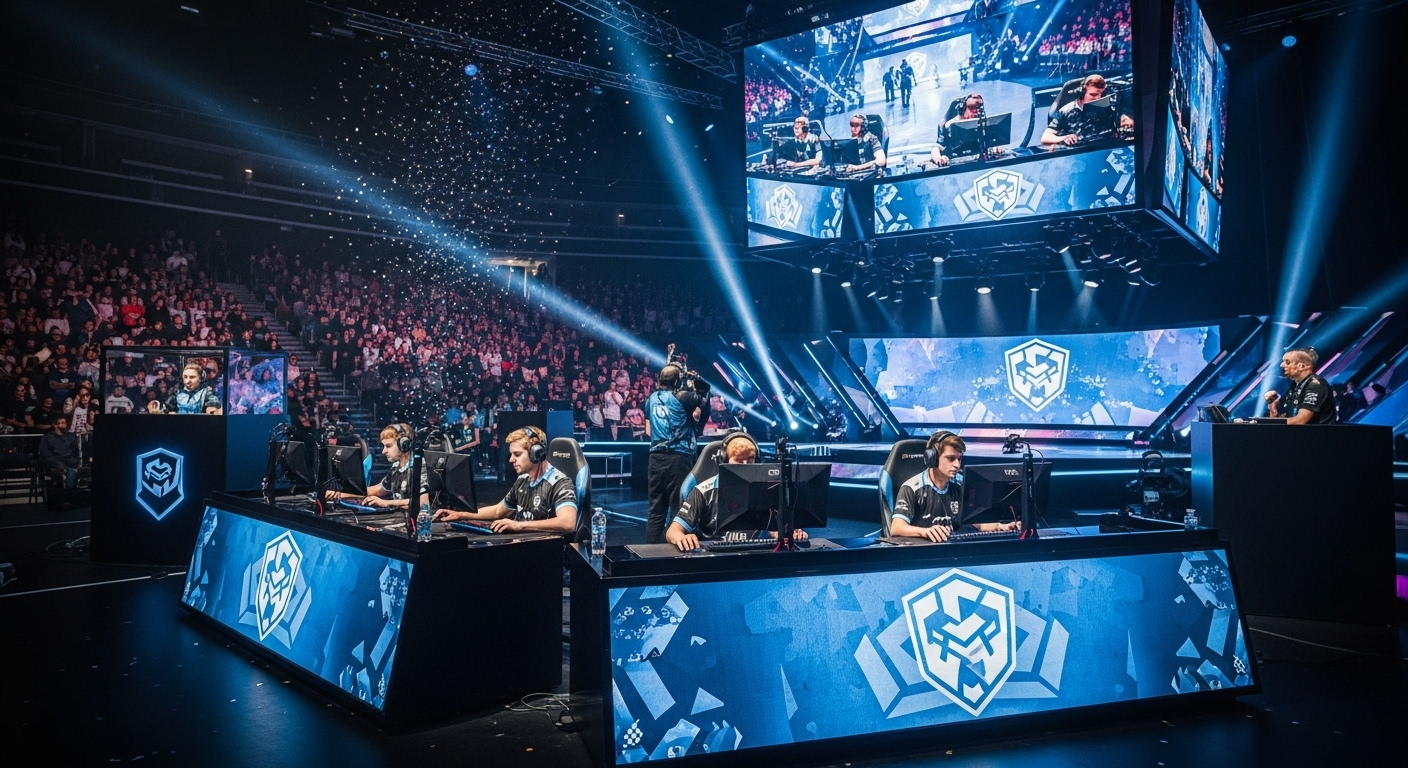
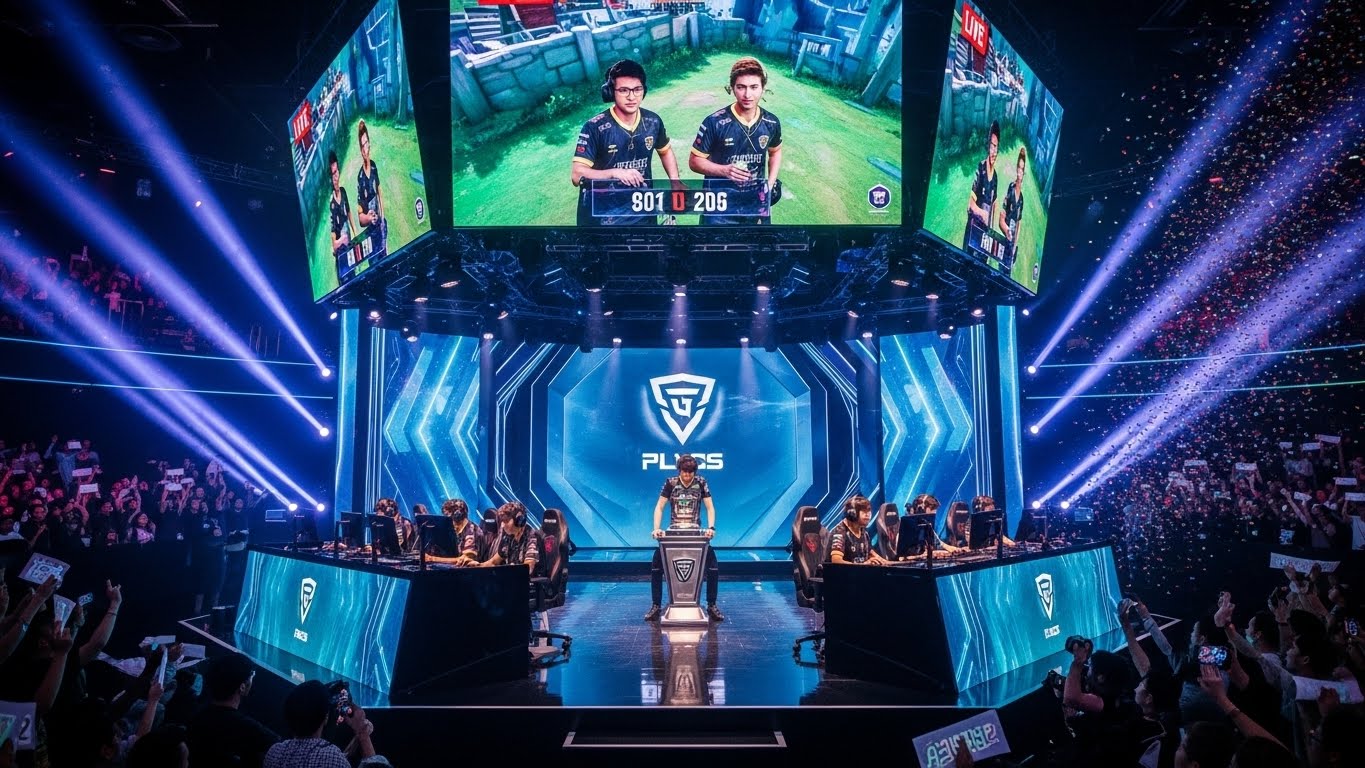
One of the defining features of esports is the spectator experience. Whether online or in person, watching a high-stakes match delivers incredible energy. The crowd roars as teams execute impossible strategies, clutch victories, or unexpected turnarounds. Large screens display every moment with dramatic commentary, and fans cheer for their favorite players as if they were watching a world-class soccer or basketball match.
These tournaments often feature elaborate stage designs, music performances, and opening ceremonies. The atmosphere feels like a mix of sports championship, theatrical production, and festival. The passion of the community is unlike anything else, creating a shared experience that transcends cultural and linguistic barriers.
The Rise of Streaming and Influencer Culture
The success of esports is deeply tied to online streaming. Platforms dedicated to live gaming broadcasts have created new forms of celebrity. Professional players, retired competitors, and content creators can build massive audiences and become influencers with international followings.
Streaming allows fans to engage with their favorite personalities in real time. They can ask questions, watch behind-the-scenes practice sessions, and share insights with communities of like-minded enthusiasts. This accessibility has blurred the line between competitor and viewer, giving esports a sense of inclusivity that traditional sports rarely achieve.
Esports as a Career Path
A decade ago, pursuing a career in gaming might have been considered unrealistic. Today, it is a legitimate and respected profession. Professional players sign contracts, earn salaries, receive sponsorship deals, and win prize money. Beyond playing competitively, there are many career paths within esports, including coaching, commentary, event organization, production, analysis, and game design.
Universities worldwide now offer scholarships for esports athletes and academic programs focused on esports management. These opportunities show how deeply esports has integrated into modern culture and education.
The Impact of Esports on Technology and Innovation
Esports has pushed the boundaries of technology. High-performance gaming hardware, fast internet connections, and advanced streaming tools developed rapidly in response to esports demand. Companies invest heavily in creating optimized peripherals, graphics systems, and communication software that support both players and spectators.
Virtual reality, augmented reality, and mobile gaming are also shaping the next generation of esports experiences. These innovations are transforming gaming from a screen-based interaction into a fully immersive sport, allowing for new forms of competition and engagement.
The Social and Cultural Influence of Esports
Esports is far more than entertainment. It has become a social movement that influences fashion, music, and lifestyle. Team jerseys, gaming accessories, and streetwear collaborations have created a unique fashion culture inspired by gaming.
Communities built around esports are diverse and international. People from different backgrounds connect through shared passion, breaking down language and cultural barriers. Friendships form across continents, and events bring together fans from around the world to celebrate their favorite teams and players.
Esports has also given rise to important discussions about inclusivity, representation, mental health, and online behavior. As the community grows, so does the responsibility to promote positive values and supportive environments.
Challenges Facing the Esports Industry
Despite its enormous growth, esports also faces obstacles. Player burnout is one of the biggest concerns. Athletes often train for long hours, which can lead to stress and health issues. Organizations are working to implement better regulations and support systems to protect players’ well-being.
Another challenge is the rapidly changing nature of gaming. Unlike traditional sports with consistent rules, esports evolves with every game update. Maintaining competitive balance can be difficult, requiring careful coordination between developers, tournament organizers, and professional teams.
Sustainability of organizations is also a topic of ongoing debate. As the industry grows, ensuring stable financial structures and long-term planning is essential. These challenges, however, are signs of an industry maturing into a truly global sport.
The Future of Esports
The future of esports looks incredibly promising. As technology continues to advance, fans can expect more immersive viewing experiences, smarter analytics, and deeper engagement. Traditional sports organizations are already investing in esports, suggesting a future where physical and digital competitions blend seamlessly.
Youth interest in gaming is stronger than ever, and schools are incorporating esports into extracurricular activities. With increasing mainstream acceptance, esports may one day become part of global athletic events and educational systems.
Esports is not just a trend; it is a cultural shift. It represents the next evolution of competition, community, and entertainment in a digital world.
Final Thoughts
Esports has grown from small-scale gaming competitions into a thriving global industry that captures the imagination of millions. Its rise reflects the power of technology, passion, and creativity. Whether you are a casual gamer, a devoted fan, or a curious observer, the world of esports offers excitement, innovation, and limitless potential.
As digital arenas continue to expand, esports stands poised to redefine what competition means in the modern era. It is more than a sport; it is a movement shaping the future of entertainment and global culture.