Introduction
Esports has emerged as one of the most influential forms of modern entertainment, transforming video games into a global competitive spectacle. What once began as casual gameplay among friends has evolved into an industry filled with professional teams, international tournaments, passionate fan bases, and lucrative career opportunities. Esports is no longer limited to screens and consoles; it has become a cultural movement shaping how people view competition, technology, and community in the digital age.
This blog explores the journey of esports from its early beginnings to its current global status. It examines the structure of the esports ecosystem, its cultural and economic impact, the challenges it faces, and the future it continues to build.
The Early Foundations of Esports
The origins of esports lie in the earliest days of video gaming. During the arcade era, players competed for high scores and recognition, often gathering around machines to watch skilled individuals perform. These informal competitions planted the seeds of competitive gaming by introducing rivalry, skill comparison, and audience engagement.
As home gaming systems and personal computers became widespread, multiplayer games allowed players to compete beyond physical spaces. Local tournaments and community-hosted events began appearing, driven purely by passion rather than profit. These early communities built the foundation for what would later become organized esports.
The Rise of Online Competition
The growth of the internet changed everything for competitive gaming. Online multiplayer games enabled players from different regions to compete in real time, removing geographical barriers. Matchmaking systems, ranked ladders, and online leaderboards added structure and motivation to competitive play.
Communities expanded rapidly as players shared strategies, discussed gameplay, and organized tournaments online. Competitive gaming was no longer limited to local spaces; it had become a global phenomenon. This shift marked the transition from casual competition to a more serious and organized form of esports.
Professionalization of Esports
The professional era of esports began when tournaments introduced significant prize pools and consistent structures. Players started forming dedicated teams, practicing full time, and competing under official banners. Organizations recognized the potential of esports as both a business and an entertainment product.
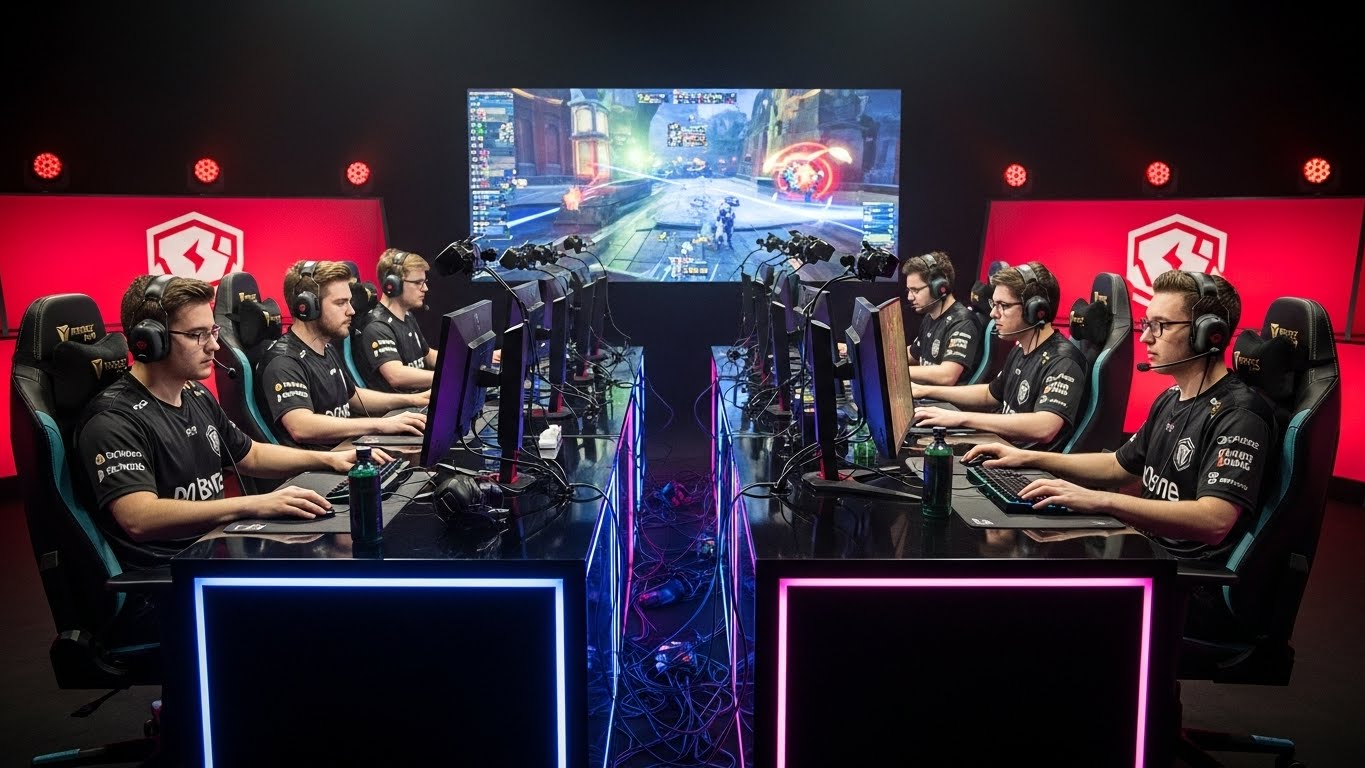
Professional esports introduced contracts, salaries, sponsorships, and training facilities. Coaches, analysts, and support staff became essential parts of teams. This professional framework elevated competitive gaming to a level comparable with traditional sports, earning respect and legitimacy worldwide.
Structure of the Esports Ecosystem
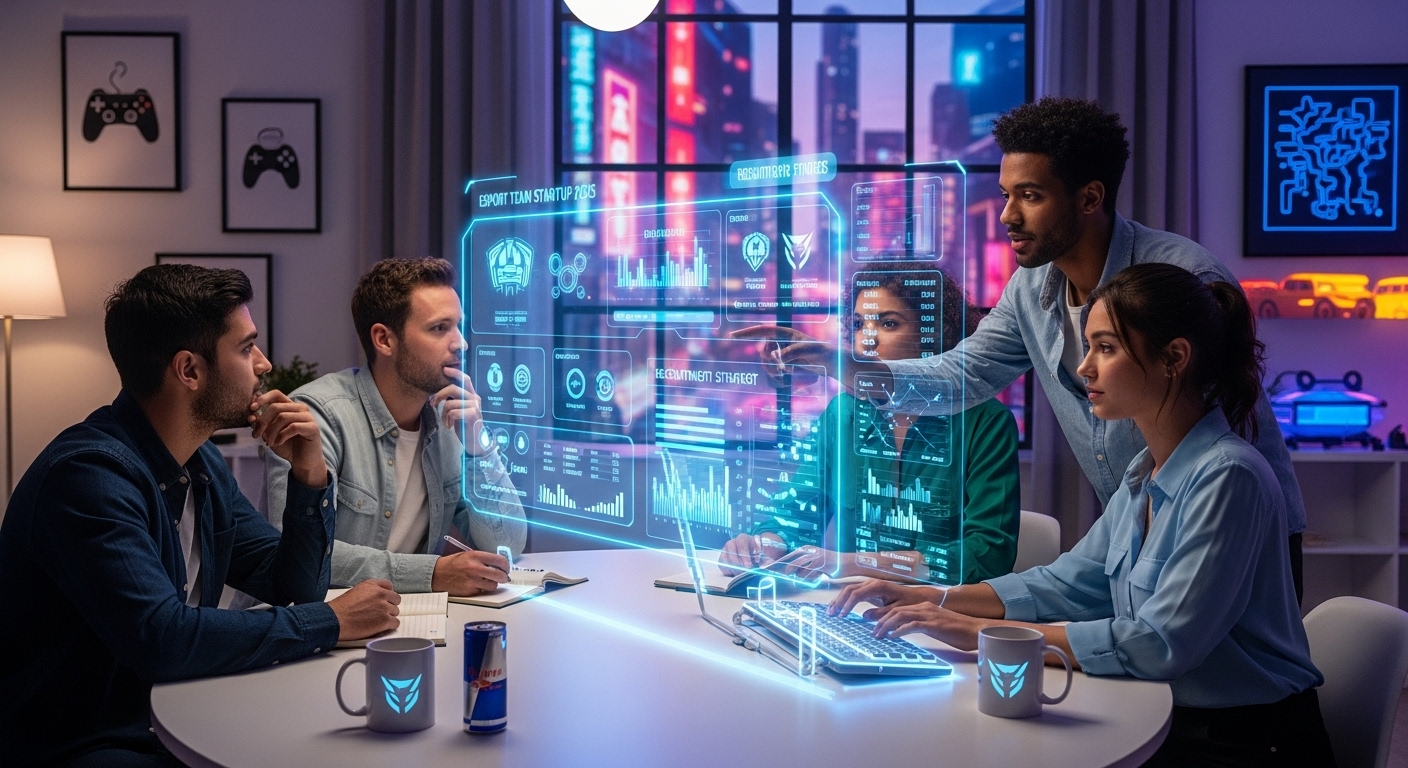
Esports operates within a multifaceted ecosystem that relies on collaboration among many roles. At its center are professional players who dedicate countless hours to refining their skills, mastering strategies, and maintaining peak mental performance.
Teams manage player development, branding, marketing, and logistics. Coaches and analysts study gameplay data, opponent tendencies, and performance metrics to gain competitive advantages. Tournament organizers create events that showcase talent while ensuring fairness and entertainment.
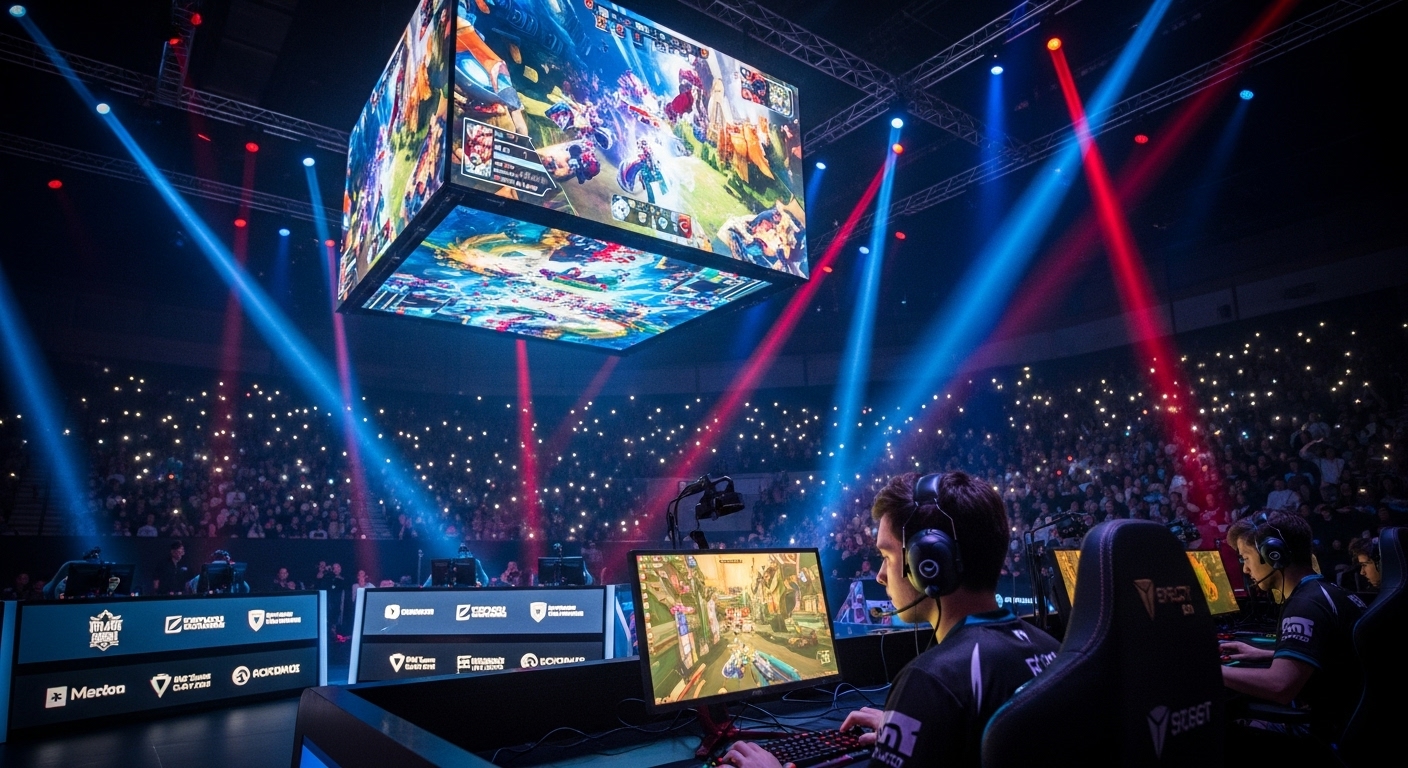
Broadcasters, commentators, and production crews transform matches into engaging viewing experiences. Fans support the ecosystem through viewership, social interaction, and community participation. Each component is essential for sustaining the industry’s growth.
Global Reach and Audience Growth
One of esports’ greatest strengths is its global accessibility. Unlike traditional sports that often require physical infrastructure, esports can be played and watched anywhere with adequate technology. This accessibility has helped esports reach millions of fans across continents.
International tournaments bring together players from diverse cultural backgrounds, fostering global unity through competition. Fans connect regardless of language or nationality, united by shared passion for games and teams. This global reach continues to drive esports’ rapid expansion.
Cultural Impact of Esports
Esports has become deeply embedded in modern digital culture. Professional players and content creators influence fashion, slang, and online trends. Gaming personalities often serve as role models for younger audiences, inspiring dedication, creativity, and self-expression.
Esports also redefines athleticism. Success depends not only on physical reflexes but also on strategic thinking, teamwork, adaptability, and mental endurance. This shift challenges traditional definitions of sports and highlights the importance of cognitive skills in competitive environments.
Technology as the Backbone
Technology is the foundation upon which esports exists. High-performance computers, consoles, and peripherals enable precise and responsive gameplay. Stable internet connections and advanced game engines support competitive balance and global participation.
Broadcasting technology enhances the spectator experience through high-quality visuals, real-time statistics, instant replays, and expert commentary. Fans can follow matches closely, analyze strategies, and deepen their understanding of the game.
As technology evolves, innovations such as artificial intelligence, cloud gaming, and immersive environments are expected to further transform esports competition and viewership.
Economic Growth of Esports
Esports has become a powerful economic force. Revenue streams include sponsorships, advertising, merchandise, media rights, and live event ticket sales. Major brands invest in esports to reach engaged, tech-savvy audiences.
The industry also creates employment opportunities beyond players. Careers exist in marketing, event management, production, coaching, game design, journalism, and content creation. Educational institutions are beginning to recognize esports as a legitimate field of study, offering programs related to gaming and digital media.
Career Paths Within Esports
While professional play is the most visible role, esports offers many career options. Commentators and analysts bring matches to life for viewers. Content creators entertain and educate fans through videos and live broadcasts.
Behind the scenes, graphic designers, video editors, social media managers, and community moderators contribute to team branding and fan engagement. These roles allow individuals with diverse talents to participate in the esports industry without being professional players.
Physical and Mental Demands on Players
Esports competition demands exceptional focus, fast decision-making, and mental resilience. Players often practice for long hours, studying opponents and refining techniques. High-pressure matches can be mentally exhausting, making stress management crucial.
Physical health is also important. Poor posture, repetitive movements, and extended screen time can lead to injuries if not managed properly. Many organizations now emphasize physical exercise, proper nutrition, and mental coaching to support player well-being.
Challenges Facing the Esports Industry
Despite its success, esports faces several challenges. Inconsistent regulations across regions and games can create uncertainty regarding player rights and competition standards. Establishing clear governance is essential for long-term stability.
Community behavior is another concern. Toxicity and harassment can discourage participation and harm the industry’s image. Promoting sportsmanship, inclusivity, and respectful competition remains a priority.
Career longevity is also limited for many players, as competitive peaks often occur early. Preparing players for life beyond competition through education and skill development is increasingly important.
Esports in Education and Youth Development
Esports is gaining recognition in educational settings. Schools and universities are forming esports teams and incorporating gaming-related programs. These initiatives teach teamwork, leadership, communication, and strategic thinking.
Structured esports programs provide positive environments for young players, balancing competition with personal growth. They also offer pathways into careers within the broader gaming and technology industries.
The Future of Esports
The future of esports is filled with opportunity. Continued technological advancement will enhance gameplay, broadcasting, and fan interaction. As mainstream acceptance grows, esports may integrate further with traditional sports and entertainment industries.
Grassroots development will play a key role in sustaining growth. Local tournaments, youth leagues, and community events help identify talent and foster inclusivity. Ethical practices, player welfare, and innovation will define the next phase of esports evolution.
Conclusion
Esports has grown from humble beginnings into a global competitive powerhouse. It blends technology, skill, entertainment, and community into a unique cultural phenomenon. Through professionalization, innovation, and global connectivity, esports has reshaped how competition is experienced in the digital age.
As the industry continues to evolve, esports will remain a symbol of modern competition, creativity, and connection. From pixels to prestige, esports stands as a testament to how passion and technology can redefine the future of sports.