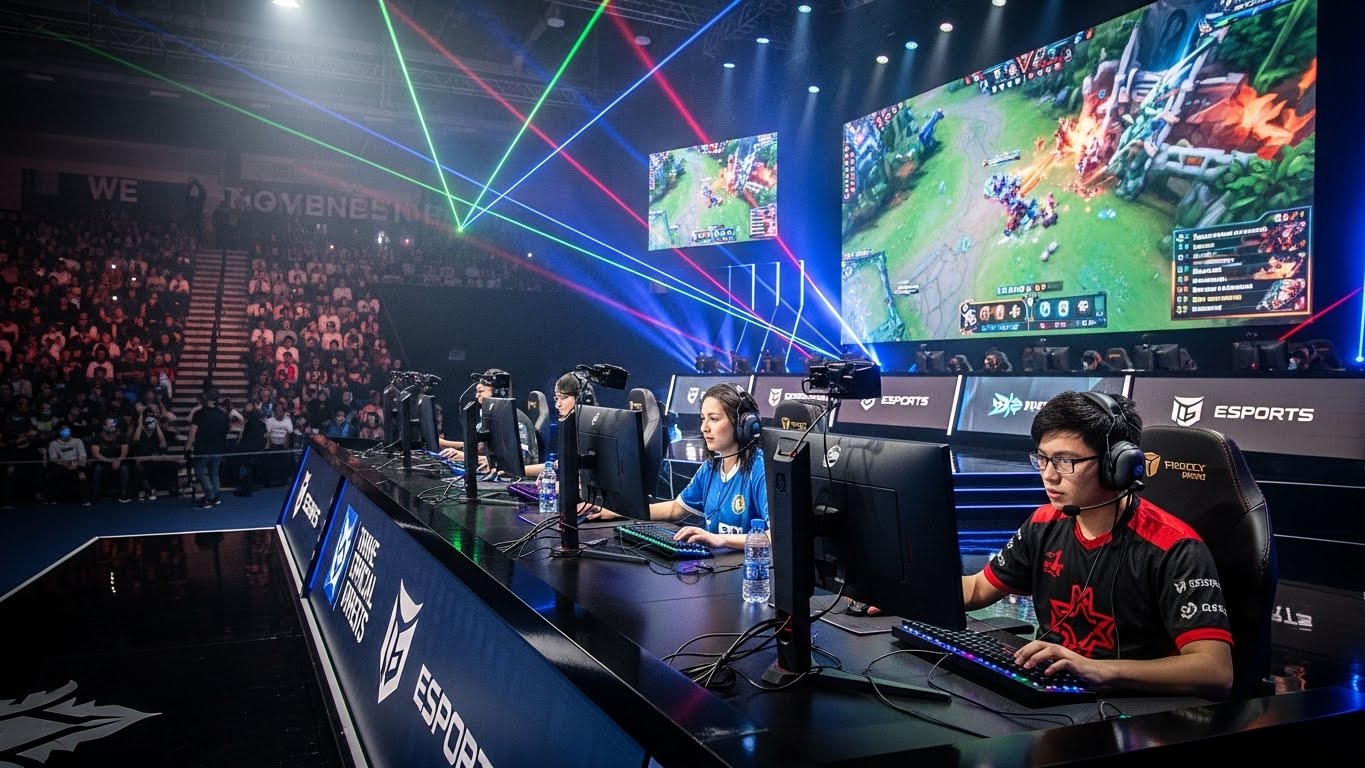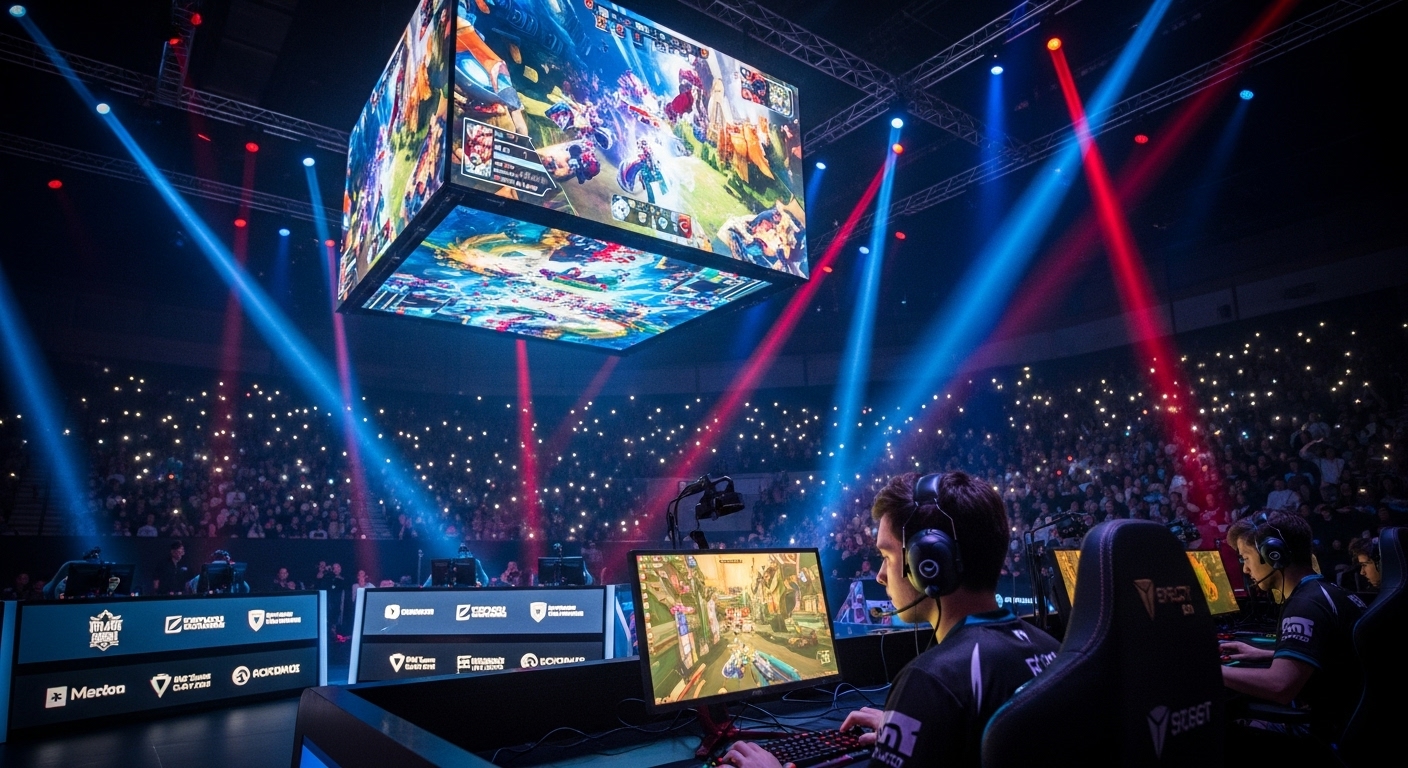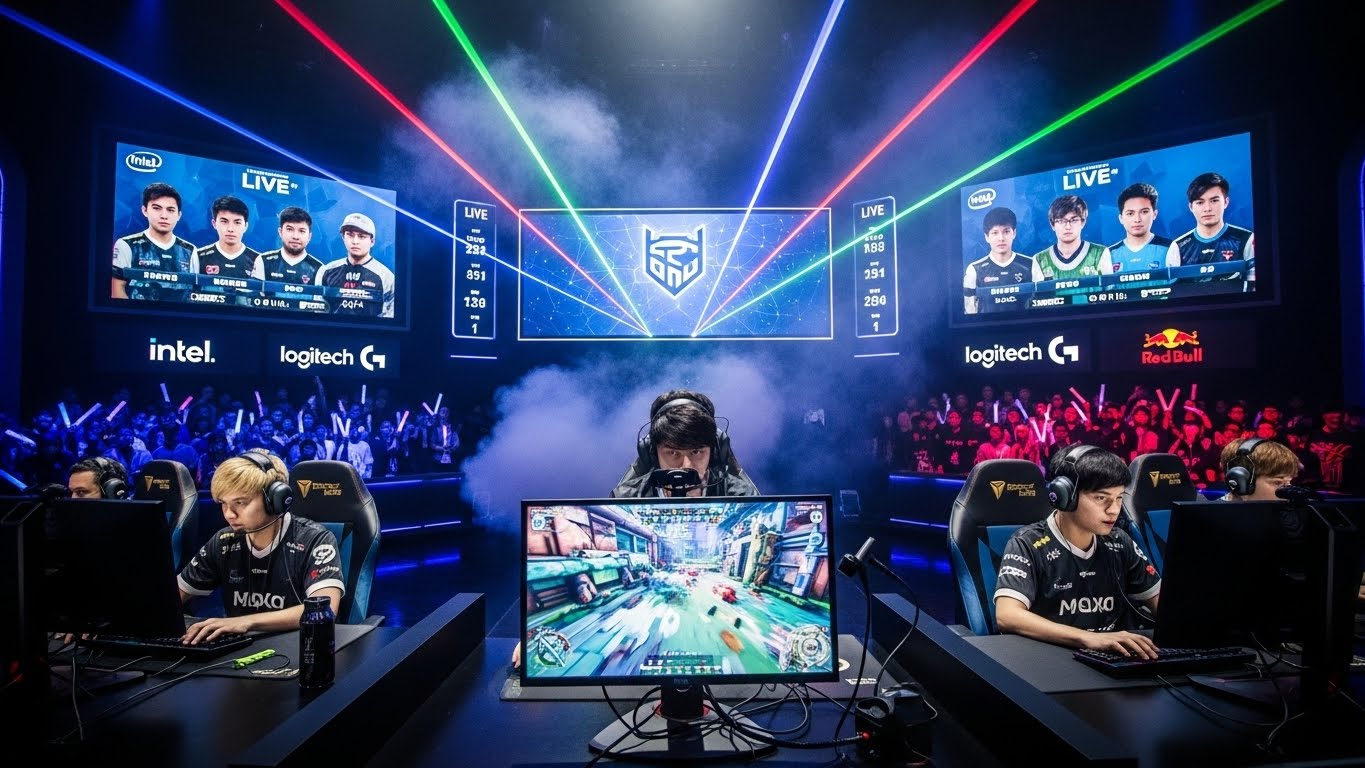
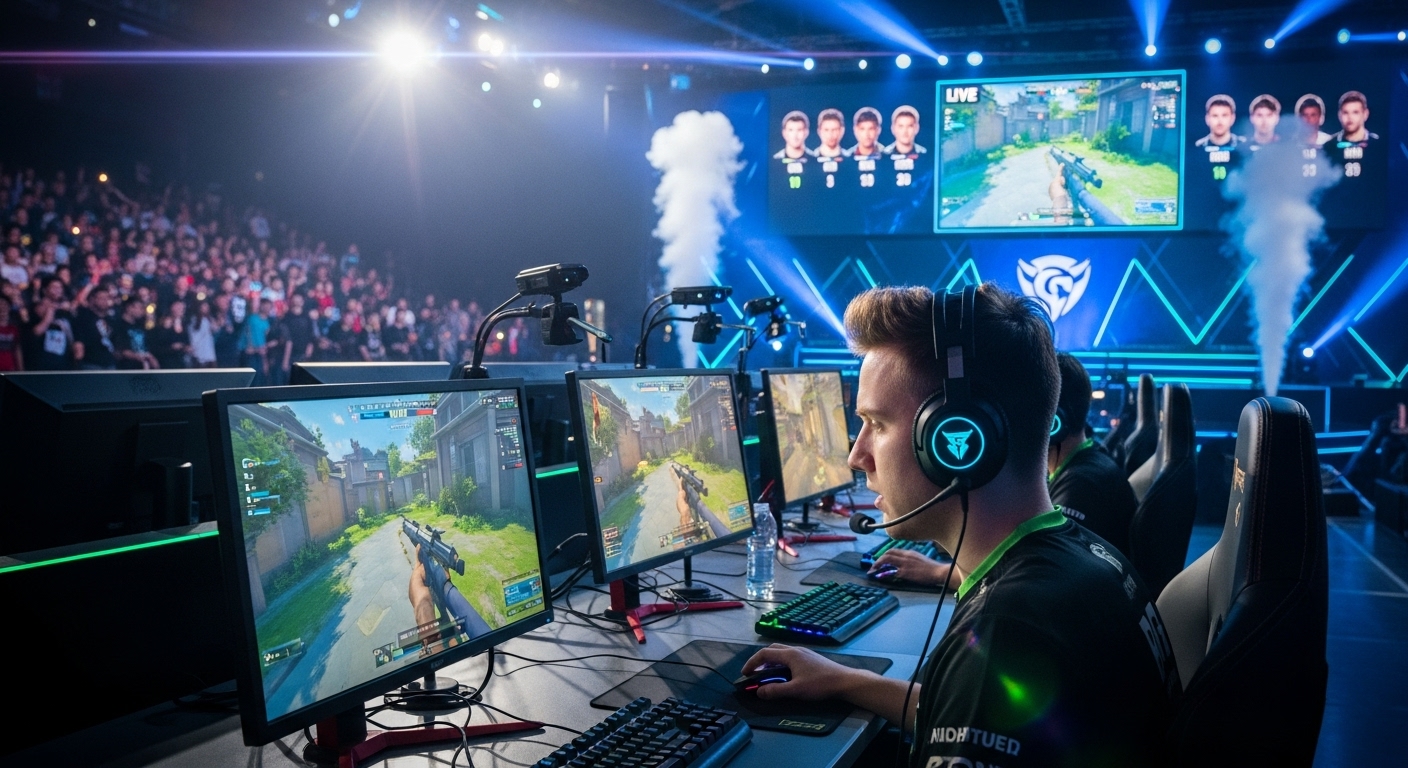
Esports, or electronic sports, has grown from a niche pastime into a global phenomenon. What was once small-scale competitions in internet cafes or living rooms has evolved into large-scale events with millions of viewers and substantial prize pools. Behind every successful esports tournament lies a complex network of planning, logistics, coordination, and technology. Understanding how these tournaments are organized and run offers insight into the immense effort and professionalism involved in the esports industry today.
The Rise of Esports and Its Tournament Culture
Before diving into the specifics of organizing tournaments, it’s important to understand how esports evolved to require such formal structures. Esports has its roots in competitive video gaming communities that began organizing informal competitions in the 1990s. Titles like StarCraft, Counter-Strike, and later League of Legends and Dota 2, fueled a growing demand for competitive play.
As esports audiences grew, so did the need for professionally managed tournaments. Today, esports tournaments range from small local events to massive international spectacles held in arenas and streamed to millions globally. The stakes have increased dramatically, necessitating careful organization to ensure fair play, engaging viewer experiences, and smooth event execution.
Types of Esports Tournaments
Esports tournaments come in various formats, and the organization process often depends on the type of competition. Some common tournament structures include:
- Single Elimination: Players or teams compete in matches, and losers are immediately eliminated.
- Double Elimination: Teams get a second chance after their first loss by moving to a lower bracket.
- Round Robin: Each competitor plays against all others, often used in league formats.
- Swiss System: Players compete in rounds against opponents with similar records.
- League Formats: Extended series of matches over weeks or months, culminating in playoffs.
Understanding the tournament format is the first step in planning the event, as it affects scheduling, venue requirements, and the number of participants.
Planning and Pre-Event Preparation
Organizing an esports tournament starts long before the first match begins. The initial planning phase sets the foundation for a successful event.
Defining the Scope and Objectives
Organizers must clarify the purpose of the tournament. Is it a local amateur event, a regional qualifier, or a major international championship? Objectives influence decisions regarding budget, prize pools, participant eligibility, and marketing strategies.
Selecting the Game and Format
The game title significantly impacts tournament logistics. Each game has unique rules, technical requirements, and community expectations. Organizers need to decide on the version of the game, match settings, and rules such as map pools or banned characters.
Budgeting and Funding
Budget planning covers venue rental, equipment, prize money, staffing, marketing, and broadcasting costs. Funding might come from sponsors, ticket sales, merchandise, or crowdfunding. Securing reliable financial support early helps avoid last-minute setbacks.
Choosing the Venue
Depending on the scale, tournaments may be online, held in local gaming centers, or hosted in large arenas. The venue must support high-speed internet, power supply, seating for spectators, and space for teams, commentators, and production crews.
Scheduling and Timeline
Organizers create detailed schedules for registration, qualifiers, main events, and side activities. This includes match times, breaks, and ceremonies. The timeline also allocates periods for technical setup and rehearsals.
Securing Partnerships and Sponsors
Sponsors play a critical role by providing financial backing and promotional support. Partnership agreements outline branding rights, activations, and product placements within the event.
Registration and Player Management
A key part of running a tournament is managing participants.
Open Registration vs Invitational
Some tournaments allow open registration where anyone meeting criteria can sign up, while others are invitational, featuring top-ranked players or teams selected by organizers.
Verification and Eligibility
Organizers verify player identities to prevent cheating and enforce age or region restrictions. This can involve submitting identification documents or verifying gaming accounts.
Team Rosters and Substitutions
For team-based games, player rosters are submitted ahead of time. Rules regarding substitutions or player changes during the tournament are clarified.
Communication Channels
Effective communication is essential for updates, rule clarifications, and scheduling changes. Organizers often use dedicated platforms such as Discord or tournament management software.
Technical Setup and Infrastructure
Esports tournaments rely heavily on technology to function seamlessly.
Hardware and Network Requirements
High-performance PCs or consoles must meet the game’s specifications. Network infrastructure should provide low latency and high bandwidth to minimize lag.
Server Management
For online tournaments, dedicated game servers are set up to host matches. Ensuring server stability and security against DDoS attacks is crucial.
Anti-Cheat Systems
Preventing cheating is a top priority. Organizers deploy anti-cheat software and monitor gameplay to detect irregularities.
Broadcasting Equipment
High-quality cameras, microphones, and streaming hardware enable live broadcasting. Production teams handle overlays, replays, and commentary.
Tournament Execution
The event day(s) is the culmination of all planning efforts.
Match Scheduling and Operations
Matches start according to the schedule, with referees ensuring compliance with rules. Time management is critical to avoid delays.
Referees and Officials
Trained officials oversee matches to resolve disputes, check for rule violations, and enforce penalties.
Player Support
Support staff assist players with technical issues, scheduling questions, and ensure they are ready for their matches.
Audience Engagement
Whether in-person or online, organizers strive to create an exciting atmosphere through host commentary, interactive chat, giveaways, and social media interaction.
Real-Time Scoring and Bracket Updates
Scores are updated live on tournament platforms, allowing fans and participants to track progress instantly.
Post-Tournament Activities
After the competition ends, several follow-up tasks are important.
Award Ceremonies
Winners receive trophies, medals, and prize money. Ceremonies often include speeches and media interviews.
Feedback and Reporting
Organizers collect feedback from players, staff, and viewers to improve future events. Detailed reports analyze what worked and what didn’t.
Content Distribution
Highlight reels, match recordings, and interviews are edited and distributed to promote the tournament and maintain audience engagement.
Prize Distribution and Financial Reconciliation
Prize money is disbursed according to the rules, and all financial accounts are settled.
Challenges in Esports Tournament Organization
Organizing esports tournaments comes with unique challenges that differ from traditional sports.
Technical Issues
Connectivity problems, hardware failures, and software glitches can disrupt matches and frustrate participants.
Cheating and Fair Play
Ensuring a level playing field requires constant vigilance and technological solutions.
Time Zone Coordination
International tournaments must navigate different time zones, making scheduling complex.
Maintaining Audience Interest
Balancing competition intensity with entertainment value is key to attracting and retaining viewers.
Legal and Regulatory Compliance
Organizers must adhere to local laws regarding gambling, age restrictions, and intellectual property rights.
The Role of Technology and Innovation
Technology continues to transform how esports tournaments are organized and run.
Automated Tournament Management Tools
Software platforms automate registration, scheduling, and bracket management, reducing administrative burdens.
Advanced Broadcasting Techniques
Virtual reality, augmented reality, and AI-driven commentary enhance viewer experiences.
Data Analytics
Real-time statistics and player performance metrics provide insights for commentators and coaches.
Cloud Gaming
Cloud platforms enable tournaments to run without requiring all players to be physically present.
The Future of Esports Tournaments
Esports is still a rapidly evolving field. As the industry grows, tournaments will likely become more immersive, accessible, and integrated with traditional sports frameworks.
Expansion into New Regions
Emerging markets will host more tournaments, diversifying player pools and audiences.
Increased Professionalization
Standardized rules, player contracts, and league structures will become more common.
Sustainability Initiatives
Events will adopt environmentally friendly practices, such as reducing electronic waste and carbon footprints.
Hybrid Events
Combining online qualifiers with offline finals will maximize participation and safety.
Conclusion
Organizing and running an esports tournament is a complex, multifaceted process that requires careful planning, technical expertise, and operational precision. From selecting the game and securing sponsors to managing players and broadcasting the event, every detail contributes to the success of the competition. As esports continues to grow and captivate audiences worldwide, the role of professional tournament organization becomes even more vital, shaping the future of competitive gaming.