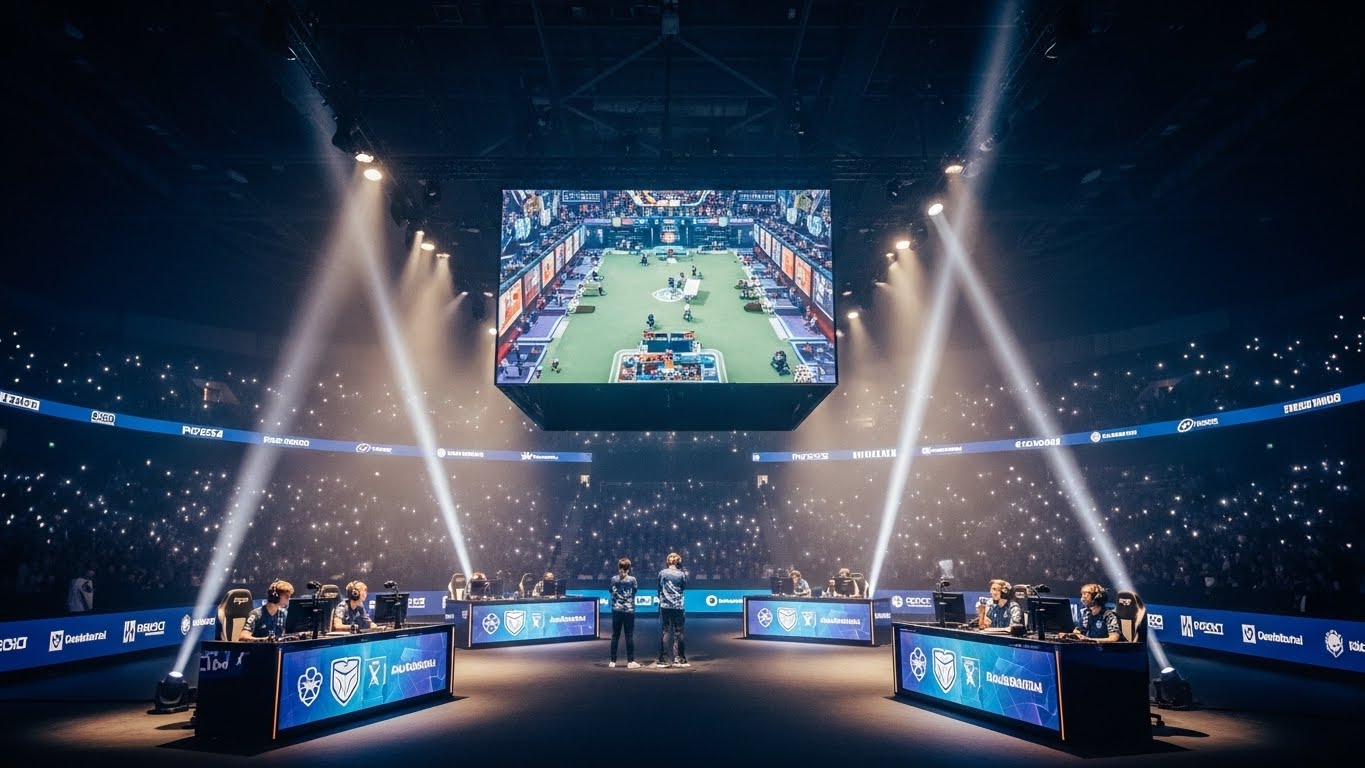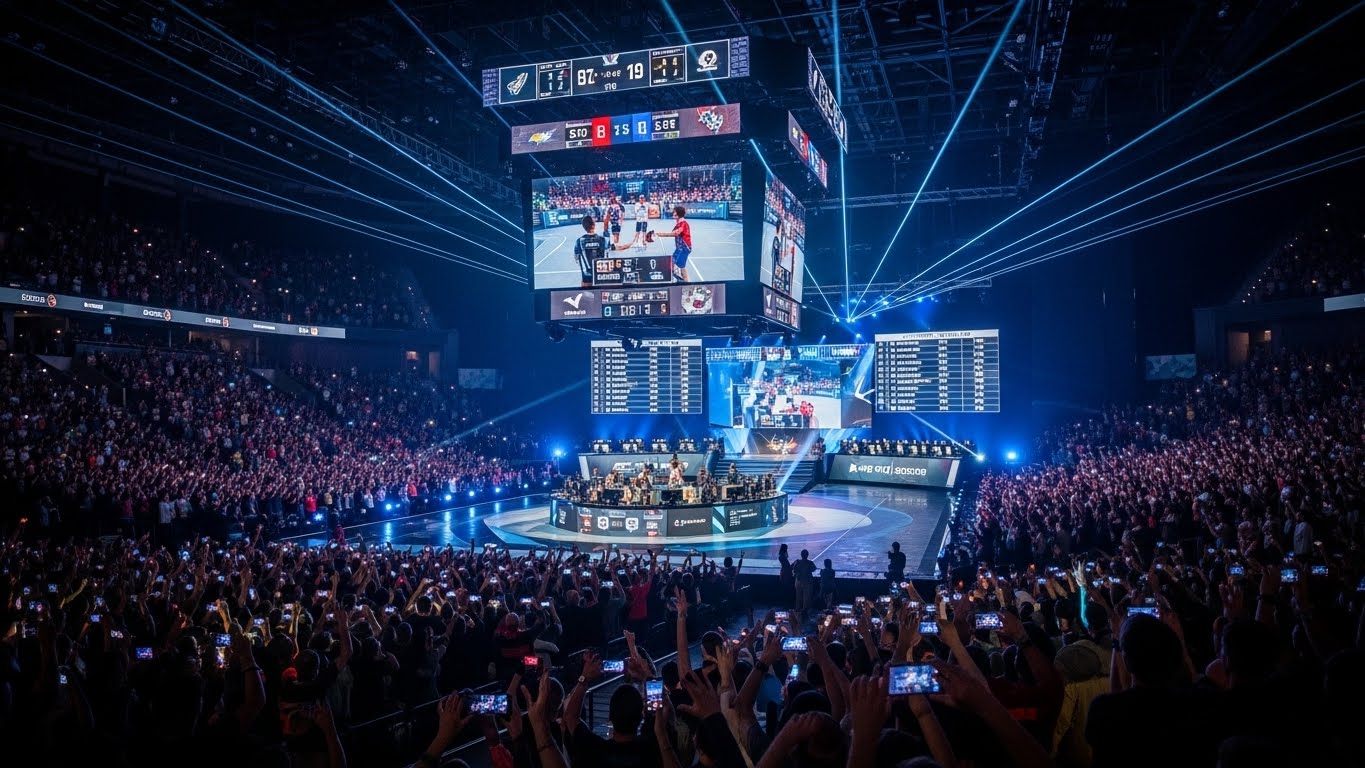
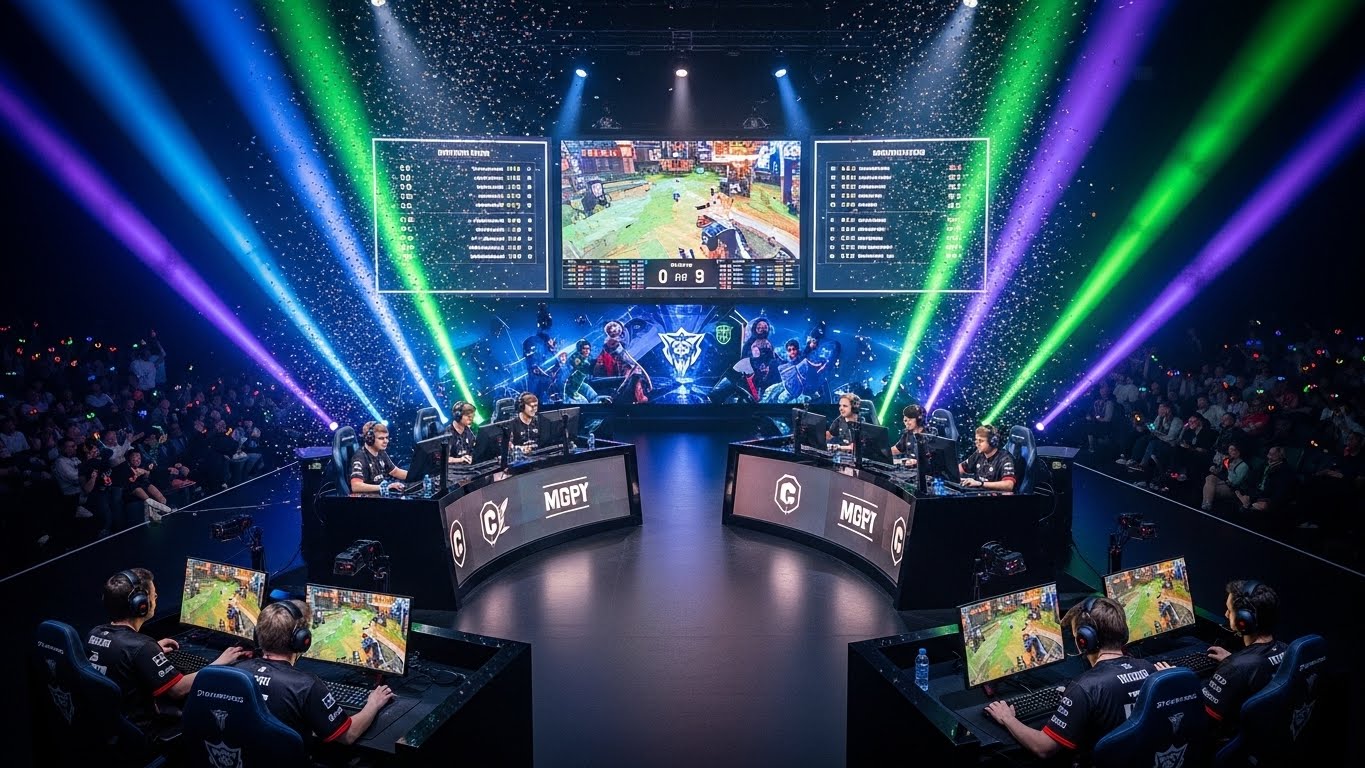
The world of competitive gaming, or esports, has emerged as one of the most groundbreaking developments in modern entertainment. Once seen as a niche pastime, esports has grown into a global industry that rivals traditional sports in popularity, viewership, and economic impact. It is a space where skill, strategy, and teamwork converge in digital arenas, and where millions of fans worldwide engage with players and teams passionately. Esports is no longer just about gaming; it represents a cultural, technological, and social movement that has redefined competition in the twenty-first century.
The Origins of Esports
Esports has its roots in the early days of video games, when enthusiasts organized small-scale competitions in arcades and college campuses. In the 1970s and 1980s, games like Space Invaders and Pac-Man became the center of informal contests, with players seeking recognition and bragging rights. These early competitions were simple yet demonstrated the human desire for challenge and mastery. The 1990s saw the introduction of multiplayer games and local area network (LAN) tournaments, which allowed players from different locations to compete together. Titles such as StarCraft and Counter-Strike became iconic for competitive play, setting the foundation for structured leagues and professional esports culture.
The Rise of Professional Esports
The transition from casual gaming to professional esports marked a turning point in the industry. Professional teams began to form, with dedicated coaching, analytics, and management structures to support players. The daily routines of professional gamers involve rigorous practice, strategy development, and teamwork exercises. Unlike traditional sports, esports relies heavily on mental agility, reflexes, and decision-making under pressure. Professional tournaments now offer substantial prize pools, sponsorships, and media exposure, making esports a legitimate and viable career. This professionalization demonstrates that esports demands not only talent but also discipline, perseverance, and resilience.
Core Skills Required in Esports
Success in esports requires a unique combination of technical, mental, and social skills. Players must possess quick reflexes, sharp hand-eye coordination, and an in-depth understanding of game mechanics. Equally important is strategic thinking, the ability to anticipate opponents’ moves, and adaptability to rapidly changing in-game situations. Team-based games emphasize communication, collaboration, and leadership, as players coordinate actions to achieve collective goals. Additionally, mental endurance and focus are essential, as competitions can last for hours under intense pressure. These qualities illustrate that esports demands the same dedication, if not more, as many traditional sports disciplines.
The Psychological Dimensions of Competitive Gaming
Esports is as mentally challenging as it is technical. Players often face extreme pressure to perform at the highest level, which can lead to stress, anxiety, and burnout if not managed properly. Maintaining focus, resilience, and emotional control is critical, particularly during high-stakes matches. Many professional teams have recognized the importance of psychological support, offering counseling, mindfulness practices, and mental conditioning programs. Understanding the psychological aspects of esports highlights the depth and complexity of the field, showing that players are not just competitors but highly trained professionals navigating intense mental challenges.
Esports as a Cultural Phenomenon
Esports has developed into a cultural force that extends beyond the games themselves. Fans participate actively through streaming platforms, forums, and social media, sharing strategies, celebrating victories, and creating content that strengthens community bonds. Large-scale tournaments attract global audiences, creating shared experiences that resemble traditional sporting events. Esports also fosters inclusivity by providing opportunities for players of diverse backgrounds, genders, and abilities to compete on an equal footing. The culture surrounding esports is dynamic, reflecting the values of teamwork, creativity, and digital innovation while shaping modern youth culture.
The Role of Technology in Esports
Technology is the backbone of esports, enabling both gameplay and spectator engagement. High-speed internet, advanced gaming hardware, and streaming platforms make competitive gaming accessible to players and viewers worldwide. Spectator technology allows audiences to experience matches in real-time, with detailed analytics, commentary, and interactive features. Game developers continuously innovate to enhance competitive balance, improve performance tracking, and maintain engagement. Emerging technologies, such as virtual reality and augmented reality, are beginning to expand the possibilities of esports, creating more immersive experiences for players and audiences alike.
Economic Impact of Esports
Esports has grown into a multi-billion-dollar industry with diverse revenue streams. Tournaments generate income through sponsorships, merchandise, media rights, and ticket sales. Professional teams operate as businesses, with marketing, management, and branding strategies comparable to traditional sports franchises. Esports events stimulate local economies by creating jobs in event management, broadcasting, game development, and content creation. The financial growth of esports underscores its legitimacy as an industry while demonstrating its ability to generate opportunities far beyond gaming itself. Investors and brands increasingly recognize esports as a sustainable and influential economic force.
Educational and Developmental Benefits
Esports offers educational and developmental opportunities that challenge common misconceptions about gaming. Competitive gaming fosters problem-solving, strategic thinking, teamwork, and leadership. Multiplayer games require communication and collaboration, which can enhance interpersonal skills. Some schools and universities have embraced esports as part of their curriculum, offering programs in game design, digital media, and professional gaming. These programs combine academic knowledge with practical skills, preparing students for careers in technology, entertainment, and business. Esports thus becomes not just entertainment, but a tool for learning, personal growth, and professional development.
Health and Wellbeing in Esports
While esports may appear sedentary, player health and wellbeing are critical for long-term success. Professional gamers spend hours training, requiring attention to ergonomics, posture, physical fitness, and rest. Teams increasingly integrate fitness routines, physiotherapy, and nutrition plans into their schedules to enhance cognitive performance and prevent injuries. Sleep, mental health management, and balance between practice and personal life are essential to sustaining high performance. This holistic approach reflects the evolution of esports as a serious professional field that values the health and longevity of its players.
Global Competitions and International Collaboration
Esports transcends national boundaries, connecting players and audiences across the globe. International tournaments showcase diverse strategies, playstyles, and cultural approaches to gaming. Players not only compete but also represent their countries or regions, fostering pride and recognition. Global competitions encourage cultural exchange and mutual respect, uniting people through shared passion for gaming. The international nature of esports highlights its role as a platform for collaboration, competition, and community building, proving that digital spaces can have real-world cultural significance.
The Future of Esports
The future of esports is filled with promise and potential. Advancements in technology, such as cloud gaming, virtual reality, and artificial intelligence, will continue to transform gameplay and spectator experiences. Mobile esports is expanding accessibility, allowing players from different regions to participate without expensive equipment. The mainstream acceptance of esports is growing, with increasing recognition from educational institutions, governments, and traditional media. The industry’s trajectory suggests that esports will continue to influence entertainment, technology, and culture on a global scale, redefining what it means to compete and succeed in a digital world.
Conclusion: Esports as a Modern Phenomenon
Esports is far more than a digital pastime. It represents a fusion of competition, technology, culture, and community, transforming the way people play, watch, and interact. From humble beginnings in arcades to professional leagues with global audiences, esports exemplifies the evolution of entertainment in the digital era. It teaches skill, resilience, and teamwork, while creating economic, educational, and social opportunities. As esports continues to grow, it challenges traditional definitions of sports and professional achievement, inspiring new generations to pursue excellence, innovation, and creativity in the digital battlefield. Its impact is profound, proving that competitive gaming is here to stay as a legitimate and influential force in modern society.