The world of competitive gaming, known as esports, has rapidly transformed from a niche hobby into a global phenomenon. What was once a pastime for a select group of gamers has now become one of the largest and most lucrative industries in the entertainment world. With massive tournaments, celebrity players, and an ever-expanding global audience, esports has not only changed the way people perceive gaming but also how entertainment is consumed in the digital age. In this blog post, we will explore the evolution of esports, its rise in popularity, the economic impact of the industry, and its potential future trajectory.
The Birth of Esports: From Arcade Games to Global Competitions
The roots of esports can be traced back to the 1970s and 1980s, when video games like Space Invaders and Pong introduced the concept of competition within gaming. These early games allowed players to compete for high scores, but it wasn’t until the 1990s, with the advent of home consoles and PCs, that competitive gaming started to evolve into something larger. The creation of multiplayer games and the rise of local area networks (LANs) allowed players to connect and battle against each other in real-time.
By the late 1990s and early 2000s, games like StarCraft and Quake were already seeing the first forms of organized competitive gaming, particularly in countries like South Korea. StarCraft, in particular, became a huge success in South Korea, where it gave rise to professional gaming leagues and massive television broadcasts. The seeds for modern esports had been planted, and the gaming industry began to realize that competitive gaming had the potential to grow beyond just casual play into a professional, spectator-driven sport.
The Esports Boom: Becoming a Cultural Phenomenon
The early 2010s saw a dramatic rise in the popularity of esports. The combination of advanced internet infrastructure, the proliferation of streaming platforms like Twitch, and the emergence of game genres designed specifically for competitive play helped propel esports into the mainstream. As games like League of Legends, Dota 2, and Counter-Strike: Global Offensive gained massive player bases, they also began to draw attention from both spectators and sponsors.
Tournaments like The International for Dota 2, with its multi-million-dollar prize pools, and the League of Legends World Championship, where global teams compete for supremacy, began attracting millions of viewers worldwide. The ability to stream these events live online, coupled with the growing interest in video game culture, helped esports thrive. Fans from across the globe could watch the action unfold in real-time, and the growing excitement surrounding these events made them just as thrilling as traditional sports competitions.
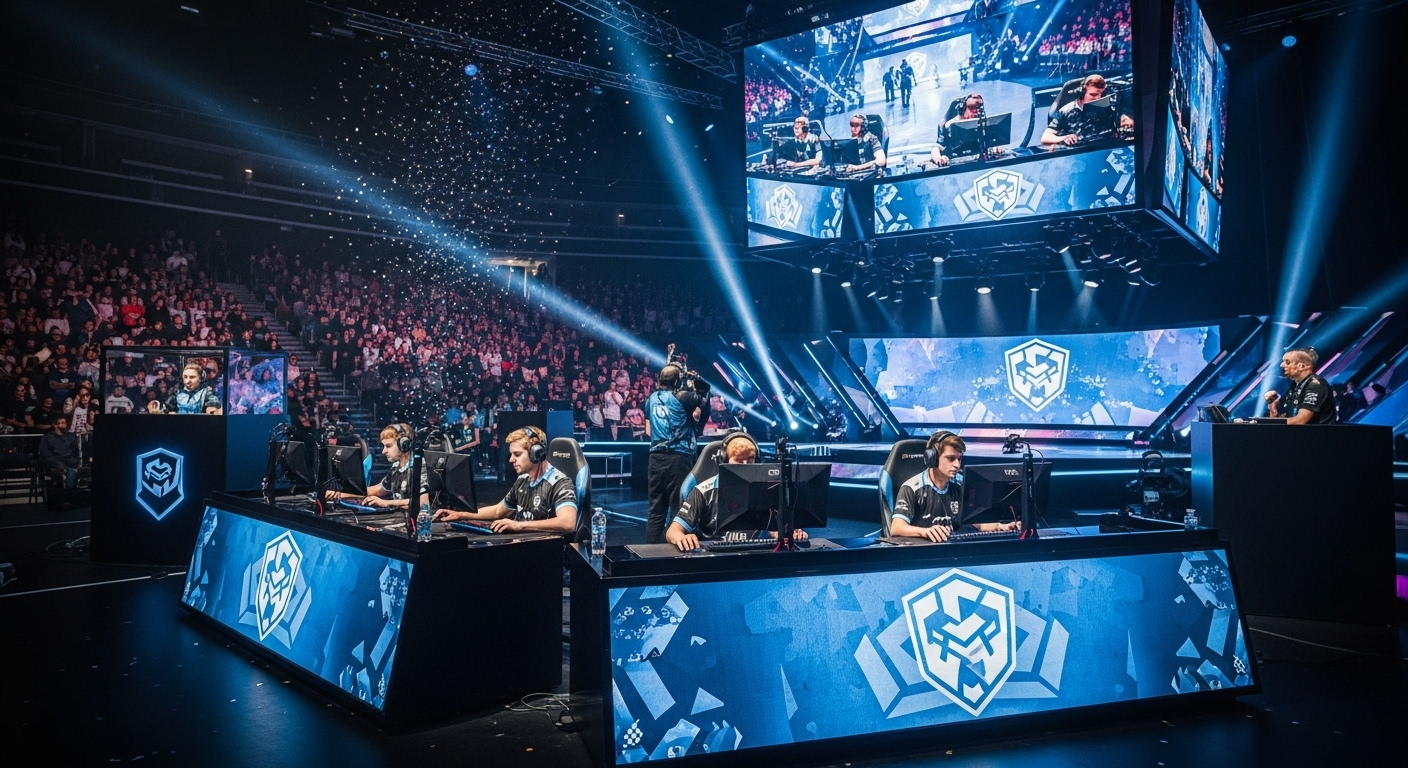
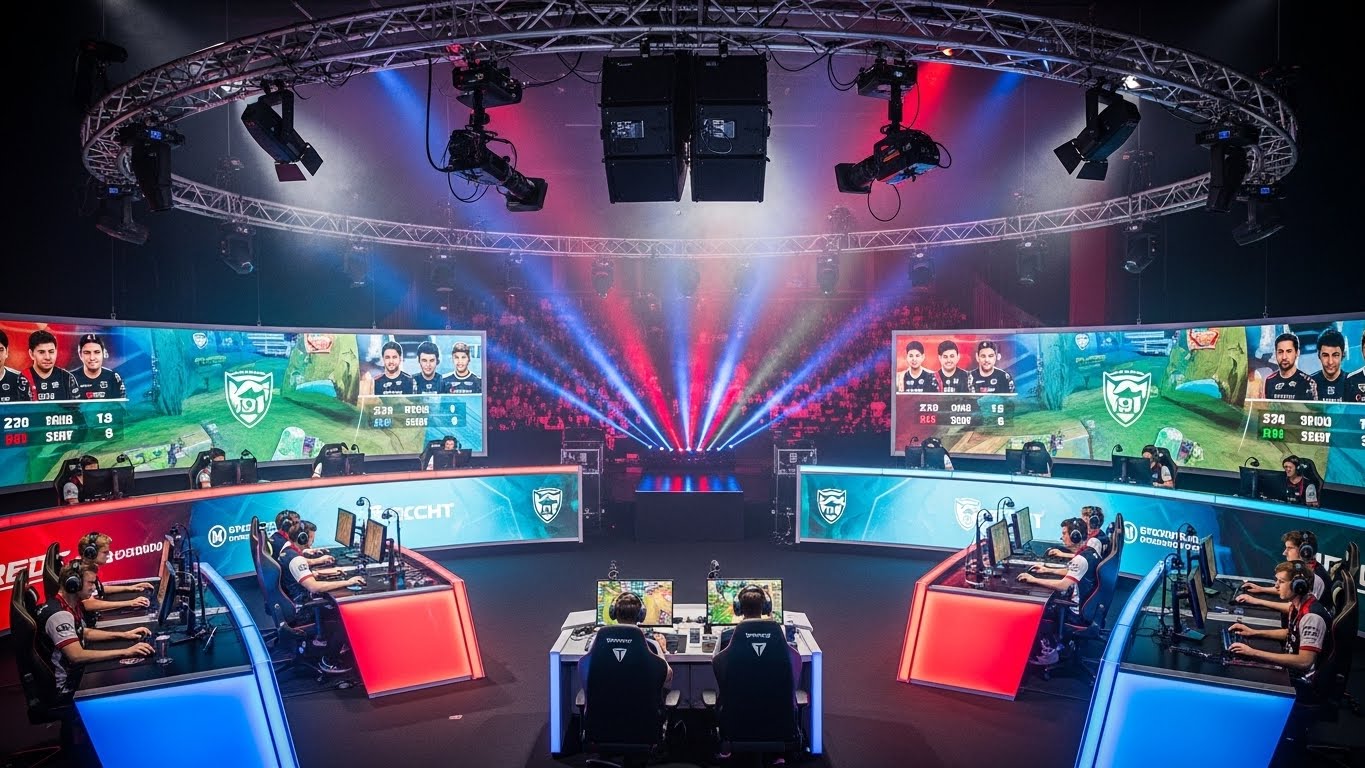
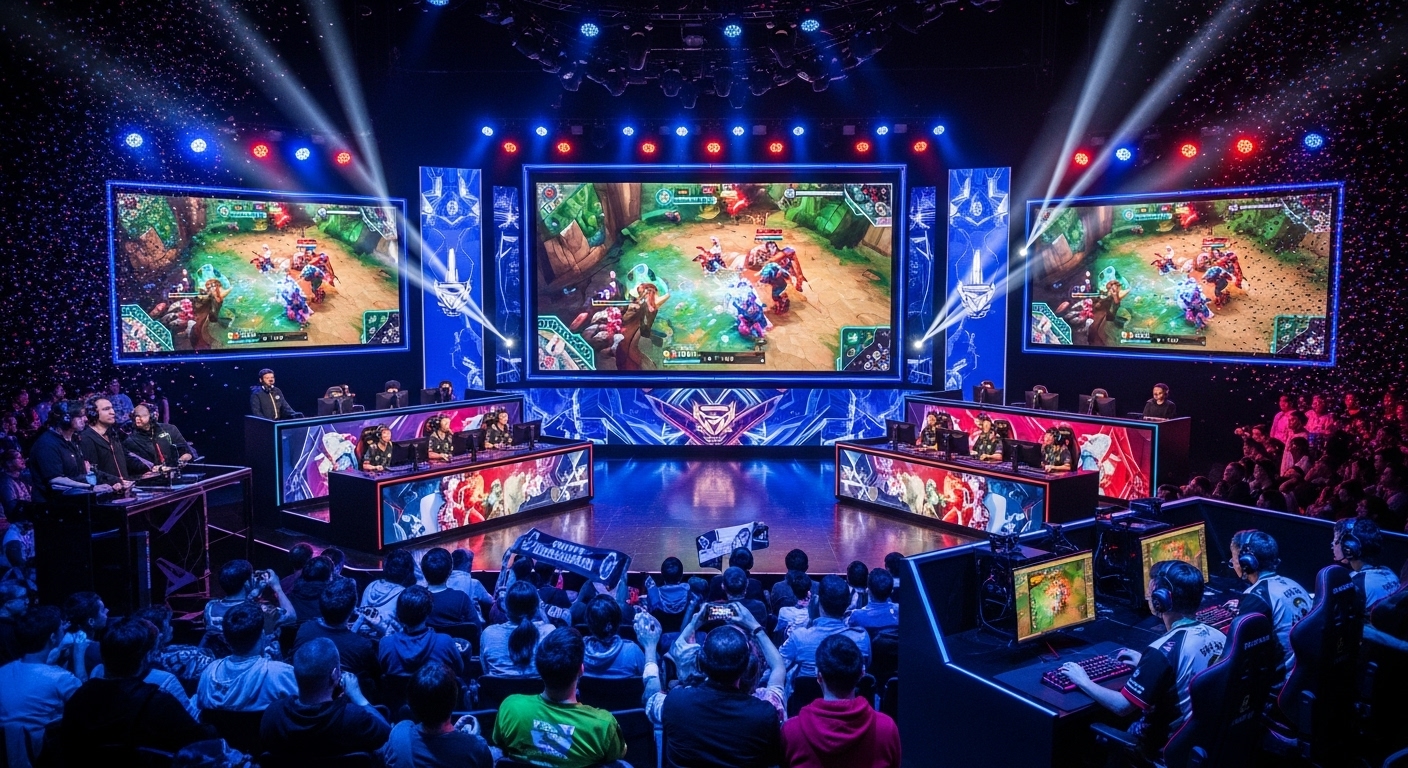
Today, esports tournaments are held in huge arenas, attracting tens of thousands of live spectators, while millions more tune in online. Major tournaments are often streamed across multiple platforms, with fans from all corners of the globe watching in real-time. The growth of esports as both a spectator and player-driven activity has led to a thriving ecosystem that includes everything from media coverage and sponsorships to merchandising and broadcasting rights.
The Role of Professional Esports Players: Athletes in the Digital Realm
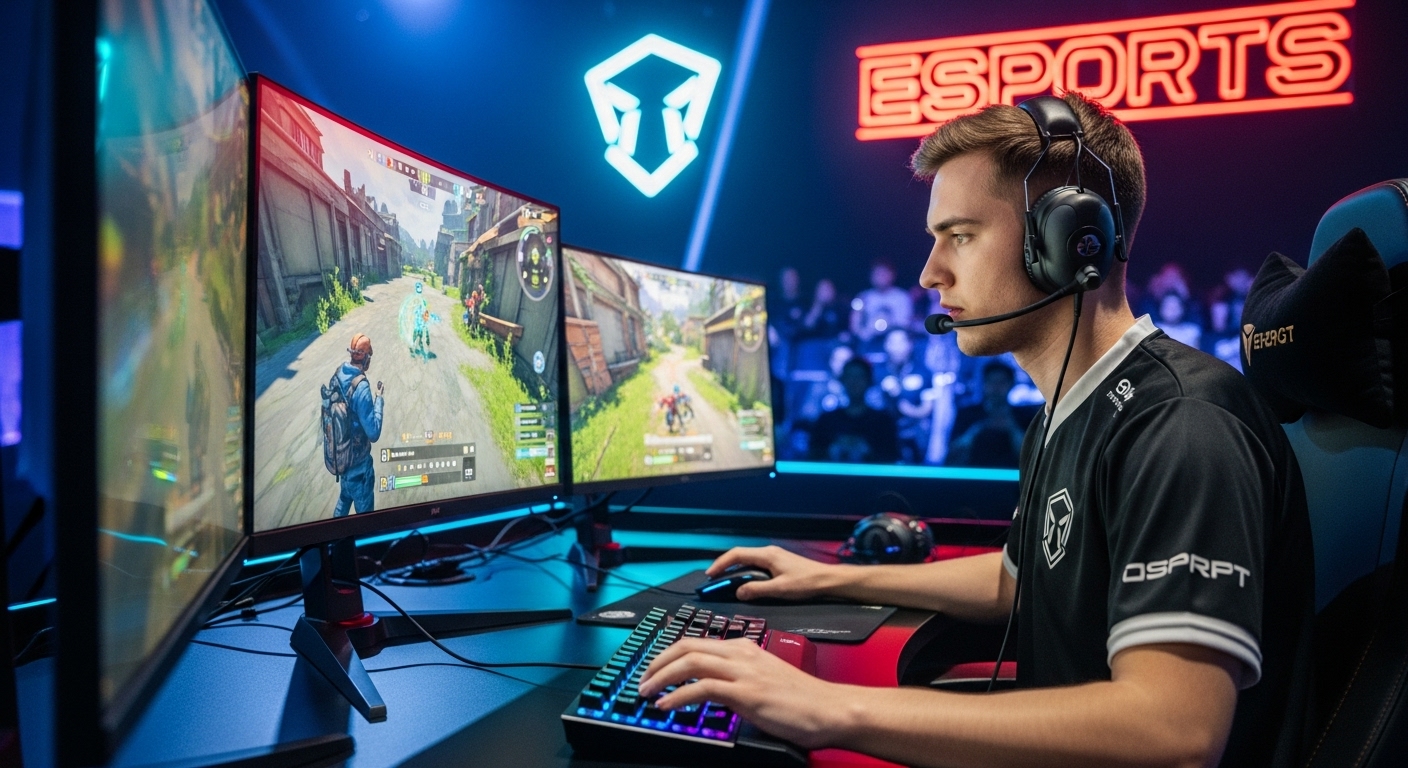
One of the most significant changes that have come with the rise of esports is the professionalization of players. Today’s esports athletes are just as dedicated, focused, and competitive as their counterparts in traditional sports. Professional players train for hours every day, practicing their skills, studying strategies, and developing team coordination. They are not just gamers; they are athletes in their own right.
The life of a professional esports player is demanding. Players typically spend long hours practicing their skills, reviewing gameplay footage, and preparing for tournaments. Just like any traditional athlete, esports players need to be at the top of their game, and this means intense preparation and mental focus. Additionally, as the industry has grown, so too has the infrastructure around professional esports teams. Organizations now invest in full-time coaches, analysts, and support staff to help players hone their craft.
In addition to the hours of practice, esports players must also manage their physical and mental well-being. The sedentary nature of gaming requires players to maintain good physical health, and many teams now employ fitness trainers and nutritionists to ensure their players remain in peak condition. Mental health is also a key focus, as the pressure of constant competition and the public nature of the industry can take a toll on players. As a result, mental health support has become an integral part of the professional esports landscape.
Esports as a Multi-Billion Dollar Industry: The Economics Behind the Growth
Esports has evolved into a massive global industry worth billions of dollars. The money pouring into the sector comes from a variety of sources, including sponsorships, media rights, ticket sales, and advertising. Major companies, from tech giants like Intel and Microsoft to consumer brands like Coca-Cola and Nike, have invested heavily in esports, recognizing its potential to reach younger, tech-savvy audiences.
Sponsorships and brand partnerships have become one of the main sources of revenue for esports organizations and tournaments. These brands see esports as a way to connect with the millennial and Gen Z demographics, who are often more likely to engage with online content and digital media than traditional television. Esports organizations also generate significant revenue from media rights, as networks and digital platforms pay for the rights to broadcast tournaments and matches.
In addition to corporate sponsorships, esports players and teams also benefit from individual sponsorships and endorsement deals. Popular players can secure lucrative contracts with gaming hardware companies, streaming platforms, and other relevant industries. For example, top players in League of Legends or Fortnite have endorsement deals with companies like Razer, Logitech, and Red Bull, further cementing their status as celebrities within the esports ecosystem.
With prize pools for major tournaments often reaching millions of dollars, esports has become an increasingly lucrative career for top-tier players. Teams, too, generate significant revenue through merchandise sales, digital content, and tournament winnings. As the industry continues to expand, more job opportunities are created within the esports ecosystem, ranging from marketing and broadcasting to event management and game development.
Streaming Platforms and the Growth of Esports Communities
A key factor driving the popularity of esports is the rise of streaming platforms. Platforms like Twitch and YouTube Gaming have become the central hubs for watching live esports competitions and for engaging with the gaming community. The ability to stream video game content and watch esports events live has brought the industry to a new level of accessibility and engagement.
These platforms not only allow fans to watch competitive gaming but also create opportunities for viewers to interact with players and teams. Streamers can build large followings, with some players amassing millions of subscribers who tune in to watch their gameplay. This has given rise to a new form of content creation, where gaming personalities and influencers can monetize their streams through advertising, sponsorships, and viewer donations.
The interaction between players and fans is one of the key reasons behind the success of esports streaming. Fans can chat with players in real-time, share tips, and even directly support their favorite streamers through tips and subscriptions. This sense of community has helped transform esports from a passive viewing experience to an interactive one, where fans feel directly connected to the action.
Esports and the Future of Competitive Gaming
As esports continues to grow, the future of competitive gaming looks even brighter. The global reach of esports means that players and teams can compete in tournaments regardless of where they are located. With the rise of mobile gaming, we are also seeing new opportunities for esports in developing regions where access to high-end gaming PCs or consoles may be limited. Mobile esports titles like PUBG Mobile and Clash Royale have already gained immense popularity in countries like India and Southeast Asia, further expanding the reach of competitive gaming.
Additionally, esports is likely to continue integrating with other technologies, such as virtual reality (VR) and augmented reality (AR), to create even more immersive and engaging experiences. VR esports, in particular, holds the potential to revolutionize the way players interact with the game world and could lead to entirely new formats for competitive play.
The growth of esports is also likely to be fueled by its inclusion in major international events. The inclusion of esports as a medal event in the 2022 Asian Games highlighted the growing recognition of competitive gaming as a legitimate form of sports. In the future, we may even see esports included in the Olympic Games, further legitimizing the industry as a mainstream form of competition.
Conclusion: The Digital Evolution of Sports
Esports has evolved from a hobby to a global industry that rivals traditional sports in both viewership and revenue. The combination of cutting-edge technology, dedicated players, passionate fans, and corporate support has transformed esports into a cultural phenomenon that shows no signs of slowing down.
The future of esports looks incredibly promising. As the industry continues to grow, we can expect more investment, more innovation, and more recognition of esports as a legitimate form of competition. Whether you are a casual gamer or a hardcore esports fan, one thing is clear: competitive gaming has firmly established itself as a cornerstone of digital entertainment, and its impact will continue to be felt for years to come.