Introduction: A New Era of Digital Competition
Esports has rapidly evolved from a niche hobby enjoyed by small gaming communities to a global entertainment powerhouse. What began as casual competitions among friends has transformed into a professional industry complete with leagues, teams, sponsorships, massive audiences, and athletes who train rigorously to compete at the highest levels. The rise of esports is reshaping how people view competition, entertainment, and even careers. This blog explores the history, growth, cultural impact, challenges, and future of esports as it cements itself as one of the most influential industries of the modern era.
The Origins of Esports
The concept of competitive gaming stretches back to the late 20th century. Early arcade titles inspired players to chase high scores and challenge their friends. However, the idea of large-scale gaming competitions began to take shape when personal computers and gaming consoles entered mainstream homes. Small tournaments held in local arcades or university halls marked the beginning of organized competitive play. Players competed for small prizes, recognition, or simply the thrill of winning.
As technology advanced, local competitions grew into national and eventually international events. Early tournaments showcased the potential for gaming as a serious competitive activity, laying the foundation for the massive esports ecosystem we see today.
The Rise of Professional Esports
The explosion of internet connectivity transformed competitive gaming into a global phenomenon. Online multiplayer games allowed players from around the world to compete instantly. This connectivity created larger communities, increased competition, and sparked the interest of organizations willing to invest in esports.
Professional gaming teams began forming, complete with coaches, managers, and analysts. Competitive leagues structured tournaments, created seasonal play, and established rules to maintain fairness. Prize pools grew from modest amounts to life-changing figures, attracting millions of aspiring players hoping to rise through the ranks.
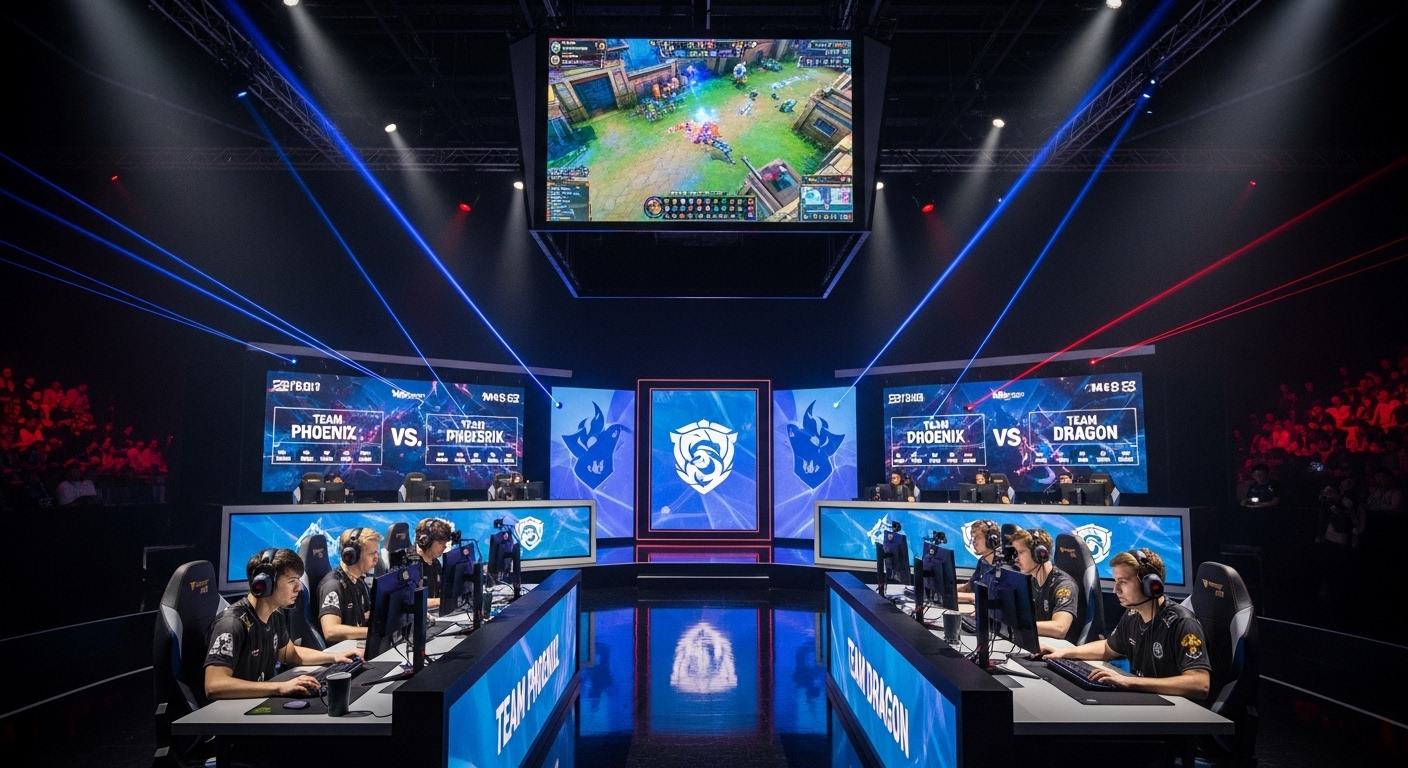
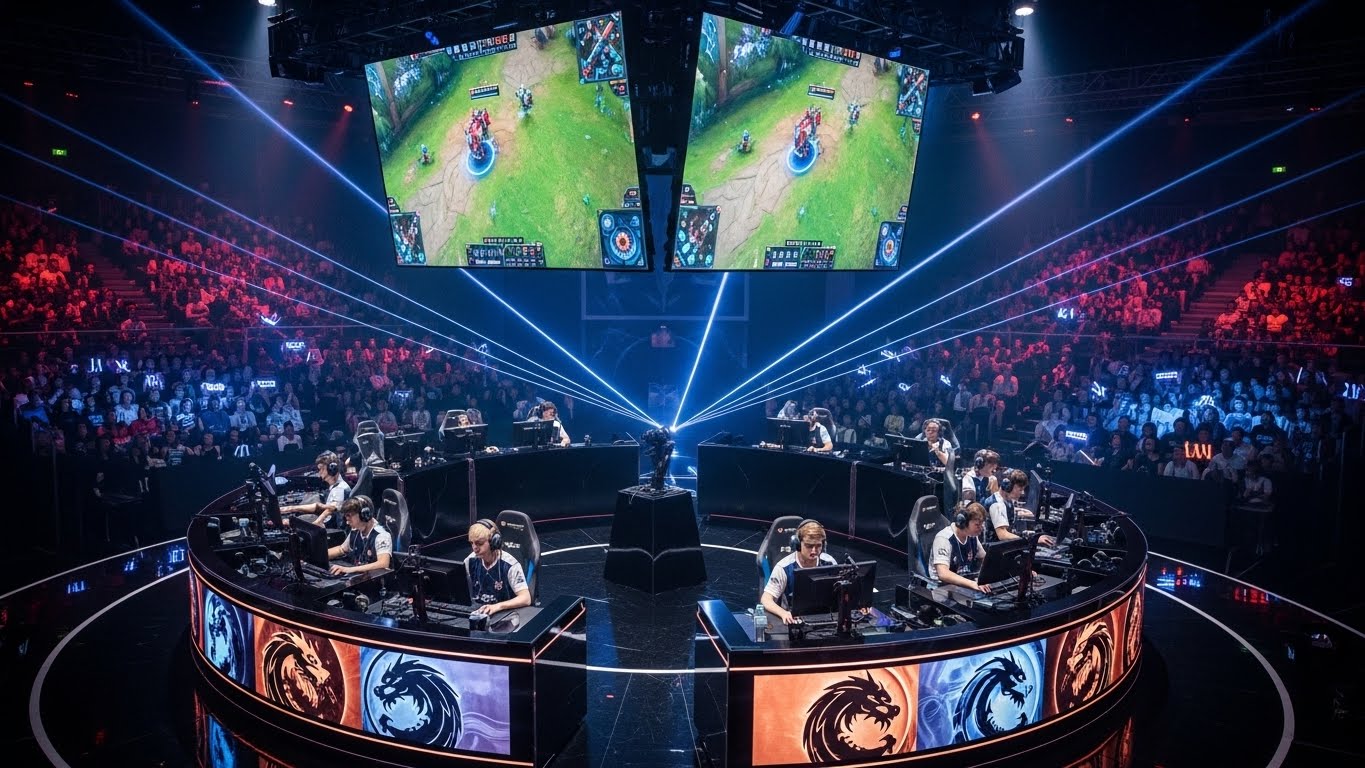
Esports quickly began drawing audiences comparable to traditional sports. Live events filled arenas, while online broadcasts attracted millions of viewers. The growth of esports signaled a shift in entertainment preferences, especially among younger generations who preferred interactive digital experiences over traditional television.
What Makes Esports So Engaging?
Skill and Strategy
Esports demands exceptional skill, reflexes, teamwork, and strategic thinking. Top players train for hours each day to perfect their mechanics, memorize in-game details, and develop advanced strategies. Much like traditional athletes, esports competitors must stay disciplined, improve their mental resilience, and collaborate with their teammates effectively.
Diverse Game Genres
One of the biggest strengths of esports is its diversity. Unlike traditional sports, which rely on physical abilities, esports offers competitive opportunities across a wide range of genres. Whether it is strategy, shooting, sports simulation, racing, or card games, there is a competitive path for every type of player. This diversity has attracted a wide and enthusiastic audience.
Community and Connection
Esports thrives because of its strong, passionate communities. Fans engage with players, teams, and fellow enthusiasts on social platforms, forums, and at live events. This sense of belonging creates a powerful emotional connection to the games and teams they support. Communities play a crucial role in driving the popularity and sustainability of esports.
The Global Impact of Esports
A Growing Economy
Esports contributes significantly to the global economy through sponsorships, merchandise, event hosting, training facilities, and media rights. Organizations invest millions in player salaries, team infrastructures, and content creation. Careers have expanded beyond players to include coaches, analysts, event hosts, production crews, marketing experts, and more.
Esports also contributes to the growth of related industries, such as hardware manufacturing, gaming accessories, and software development. As the industry expands, the opportunities for businesses and professionals continue to rise.
A Cultural Shift
Esports is reshaping cultural norms surrounding entertainment and competition. For many young people, watching esports is just as exciting and meaningful as watching traditional sports. Players are viewed as digital athletes, respected for their dedication, skill, and achievements.
Esports has also inspired new storytelling styles, content formats, and forms of fan engagement. From streaming personalities to team documentaries, esports has created a vibrant cultural ecosystem that influences fashion, music, and lifestyle trends.
Education and Career Development
Educational institutions around the world are recognizing the value of esports. Many universities now offer esports programs, scholarships, and degrees focused on game design, event management, marketing, and digital media. These opportunities reflect the growing legitimacy of esports as a professional pathway.
Schools and youth programs also use esports to teach teamwork, strategy, leadership, and problem-solving. Competitive gaming encourages students to engage in activities they enjoy while developing valuable skills for future careers.
Technological Advancements Driving Esports
Streaming and Broadcasting
The rise of digital streaming platforms has been instrumental in the success of esports. These platforms allow fans to watch live matches, follow their favorite players, and engage with content around the clock. Advanced broadcasting tools enhance the viewing experience with replays, commentary, and data-driven insights.
High-Performance Hardware
Esports requires powerful hardware, such as advanced graphics cards, high-refresh monitors, and optimized gaming peripherals. These innovations not only enhance player performance but also push technological boundaries that benefit all users, from casual gamers to professionals in other digital fields.
Network Infrastructure
Reliable high-speed internet is essential for online competition. Improved network technology ensures low latency, seamless gameplay, and stable connections, making competitive gaming more accessible and fair globally.
Challenges in the Esports Industry
Player Health and Well-Being
Esports athletes face significant physical and mental demands. Long hours of practice can lead to eye strain, musculoskeletal issues, and fatigue. Mental pressure from competition, public visibility, and team expectations can also impact well-being. Increasingly, organizations are prioritizing health by incorporating fitness routines, mental health coaching, and responsible training schedules.
Regulation and Fair Play
As esports grows, maintaining fairness is a challenge. Issues such as cheating, match-fixing, and hacking require strict regulations, monitoring, and enforcement. Standardized rules, anti-cheat systems, and tournament oversight help maintain integrity, but continual improvement is necessary as technology evolves.
Sustainability of Organizations
Esports teams often face financial challenges. Despite growing revenues, maintaining competitive rosters, training facilities, and marketing efforts requires substantial investment. Not all organizations can sustain the financial demands, leading to instability. Finding long-term revenue models remains a critical focus for the industry.
The Future of Esports
Integration with Traditional Sports
As esports gains mainstream recognition, partnerships with traditional sports organizations are increasing. Professional sports teams invest in esports divisions, host tournaments, and collaborate on events. This crossover creates new opportunities for growth, blending the worlds of physical and digital competition.
Virtual Reality and Technological Evolution
The future of esports may include more immersive experiences through virtual and augmented reality. These technologies could introduce entirely new genres, demanding different skills and offering spectators more interactive viewing experiences.
Global Expansion
Esports continues to grow rapidly in regions such as Asia, Europe, North America, and the Middle East. Emerging markets are investing heavily in gaming infrastructure, internet accessibility, and talent development. As the global footprint expands, esports will become even more diverse and inclusive.
Professionalization and Education
The industry is becoming more structured with standardized leagues, player contracts, and professional development programs. Educational institutions will continue to integrate esports into their curricula, shaping the next generation of players, coaches, developers, and industry leaders.
Conclusion: Esports as a Catalyst for a Digital Future
Esports is no longer just a form of entertainment; it is a global movement reshaping how people connect, compete, and create careers. It blends technology, creativity, teamwork, and passion into a dynamic ecosystem that continues to grow rapidly. As esports evolves, it will influence education, culture, business, and technology in profound ways.
From humble beginnings to global stadium events, esports represents the power of digital innovation and human competition. It stands as a testament to how far gaming has come and where the future of entertainment is headed. As the industry continues to rise, one thing is clear: esports is here to stay, and its impact on the world will only grow stronger.