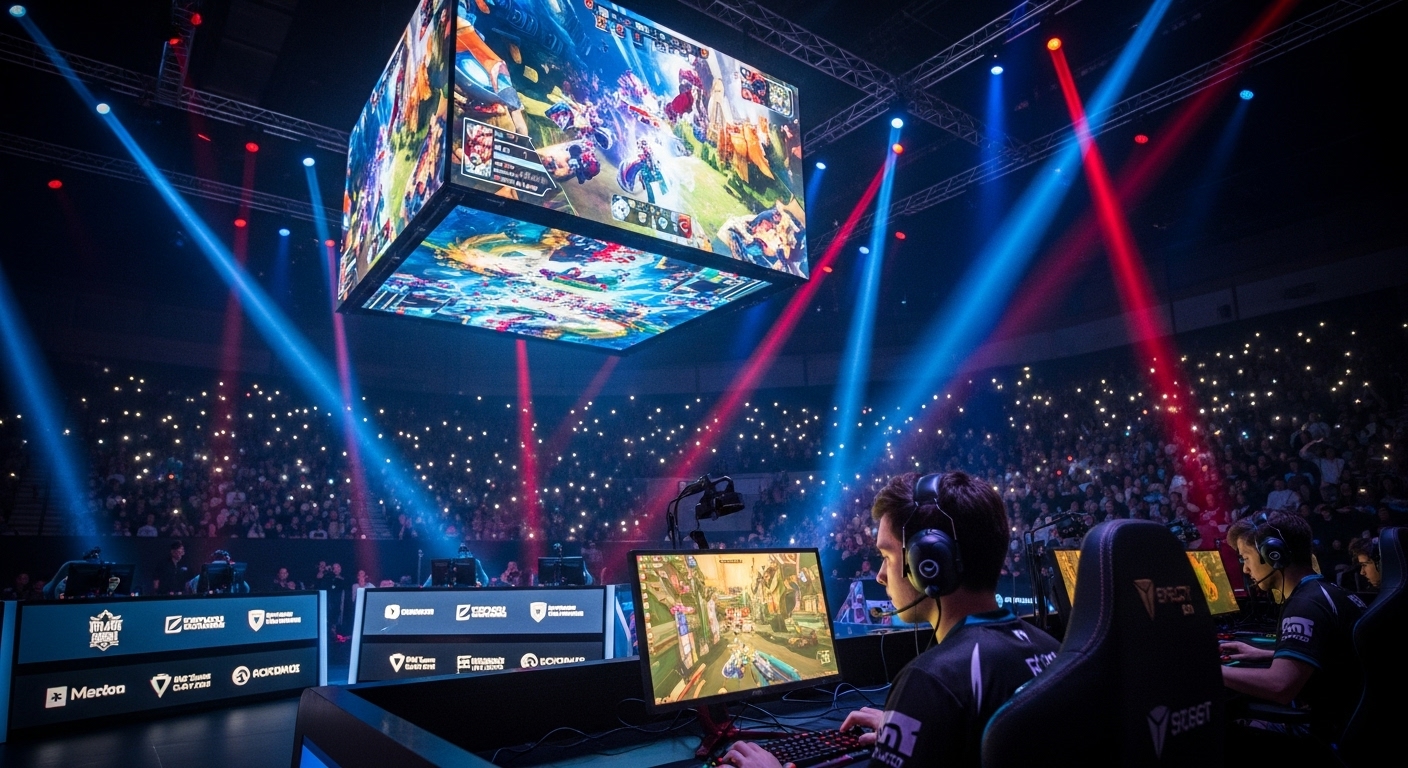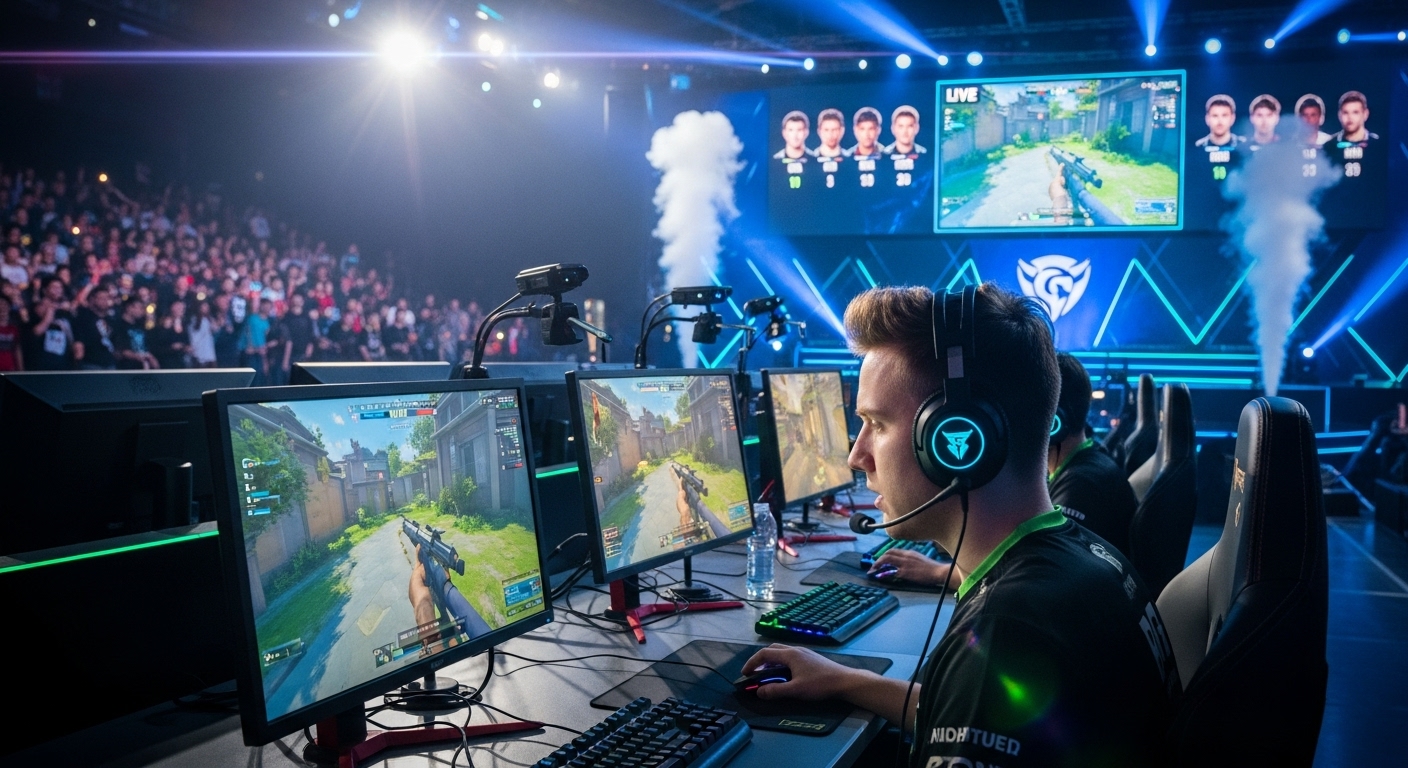
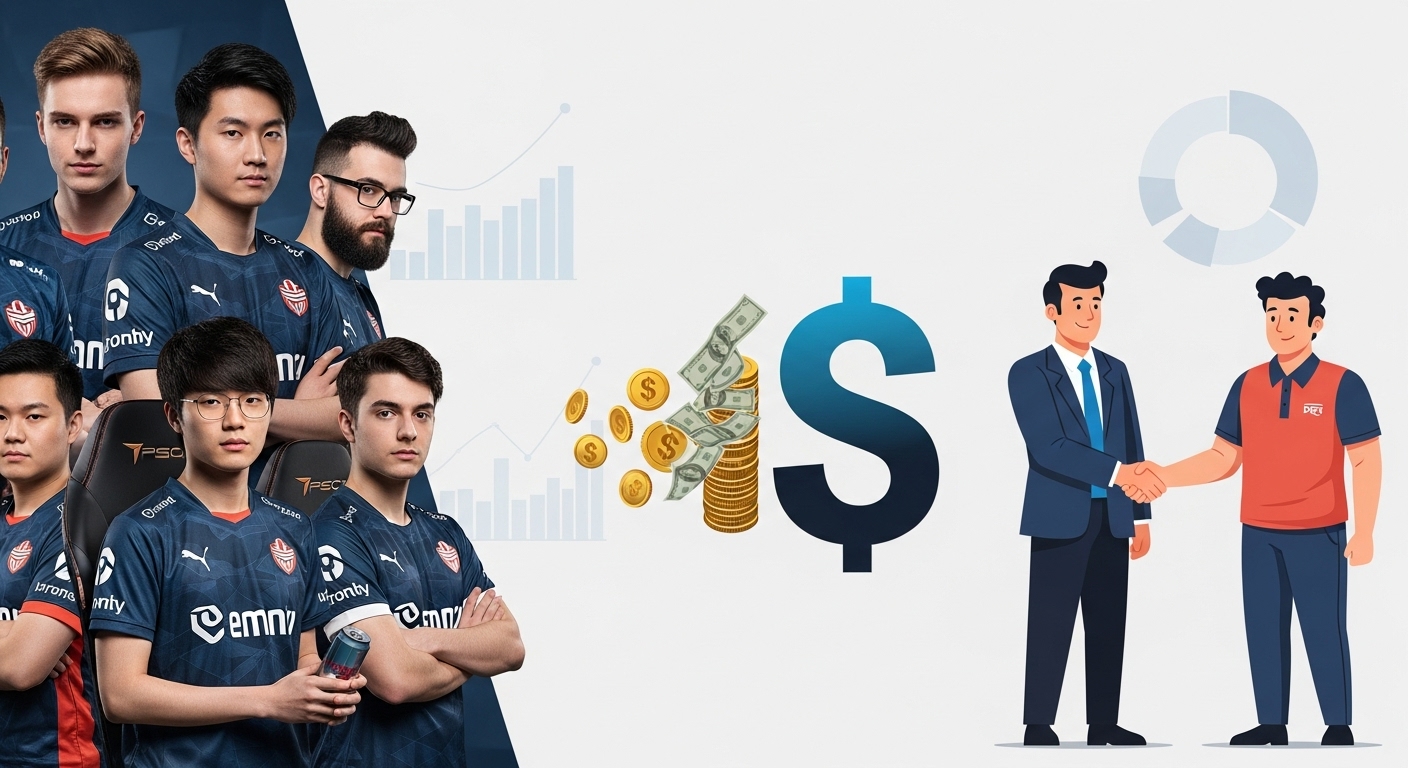
In just over a decade, esports has gone from a niche community activity to a global industry worth billions. Professional players today don’t just compete for prize pools; they also sign lucrative sponsorship deals, represent household-name brands, and become influencers in their own right. The question many outsiders ask is: who’s actually paying these players, and how do these sponsorship deals work?
Understanding the financial structure of esports requires pulling back the curtain on sponsorship deals, team contracts, and the role of big-name brands entering the industry. Let’s explore how money flows to players, why companies are investing, and what this means for the future of competitive gaming.
The Evolution of Esport Sponsorships
In the early 2000s, professional gaming was supported mainly by small hardware and software companies—think mouse and keyboard manufacturers, or niche energy drink brands targeting gamers. Sponsorships often came in the form of free gear or small stipends, rarely enough to sustain a professional career.
Fast forward to today, and the picture looks completely different. Global corporations such as Coca-Cola, Nike, Red Bull, Intel, and even mainstream banks now pour money into esports. Sponsorships are no longer just about supplying equipment; they’re about associating brands with the growing cultural movement of competitive gaming.
The numbers reflect this growth. Sponsorships and advertising remain the largest revenue stream in esports, accounting for the majority of the industry’s multi-billion-dollar valuation. This makes sponsors the primary source of income not only for teams but also for individual players.
Who Actually Pays the Players?
At first glance, it might seem like prize money is what drives player earnings. While prize pools in events like The International (Dota 2) or Fortnite World Cup can reach tens of millions, those winnings are split between teams and are inconsistent from year to year. The real financial stability comes from contracts and sponsorship deals.
Here’s where the money usually comes from:
- Team Salaries
Most professional esports players sign contracts with organizations. These contracts guarantee a base salary, often supported by team-wide sponsorships. For example, if a brand like Adidas sponsors a team, the money helps fund salaries, training facilities, and travel. Players may also receive a cut from merchandise sales. - Individual Sponsorships
Top-tier players with strong personal brands attract their own sponsors. For instance, a popular streamer who also competes professionally might be paid directly by a hardware company to wear their headset during streams. These deals are separate from team agreements and can sometimes exceed the value of their base salary. - Streaming and Content Revenue
Platforms like Twitch and YouTube have blurred the lines between athlete and influencer. Many sponsors pay players not just for competing but for the massive audiences they command online. This means a brand may pay a player to feature their product during streams, tutorials, or lifestyle content. - Event and League Partnerships
Major esports leagues (such as the League of Legends Championship Series or Overwatch League) also sign sponsorships with corporations. Revenue from these partnerships trickles down to the teams, and by extension, the players. - Prize Money (Supplemental)
While not a guaranteed income source, prize pools remain an important part of a player’s earnings. But compared to sponsorship-backed salaries, this revenue stream is volatile. A team that places poorly in a given year may still thrive financially thanks to reliable sponsor income.
Why Companies Are Willing to Pay
To understand why esports players attract so much sponsorship money, it’s important to consider the demographics of the audience. Esports fans are young, highly engaged, and difficult to reach through traditional advertising. Unlike TV or print, esports provides brands with direct access to millions of viewers in real time.
Sponsors also see players as authentic voices within the gaming community. When a pro endorses a product, it feels less like an advertisement and more like a recommendation from someone who lives and breathes the culture. This authenticity makes sponsorships highly effective.
Furthermore, the global reach of esports means a single sponsorship can gain visibility across multiple countries simultaneously. For companies looking to build international recognition, esports presents a unique opportunity.
The Balance Between Teams and Individuals
One of the more interesting dynamics in esports sponsorship is the tension between team deals and individual player deals. A player who signs with a team is usually bound by certain contractual obligations, which can limit the types of personal sponsorships they accept. For instance, if a team is sponsored by one energy drink brand, a player cannot promote a competitor independently.
This has led to negotiations where players seek more flexibility, especially the biggest stars who command massive audiences on streaming platforms. In some cases, teams even adjust their sponsorship contracts to allow their top talent to maximize personal revenue streams.
As esports matures, we may see a model more closely resembling traditional sports, where players like soccer stars or basketball icons have both team sponsors and independent endorsements that coexist.
Challenges and Controversies
Despite the growing influx of money, esports sponsorships are not without controversy. Some of the challenges include:
- Contract Disputes: Young players, often new to business negotiations, have found themselves tied to restrictive or exploitative contracts. This has sparked calls for better player representation and standardized regulations.
- Brand Alignment Issues: Not all sponsorships are welcomed by fans. Deals with gambling companies or products perceived as unhealthy have led to backlash within the community. Teams and players must navigate carefully to avoid damaging reputations.
- Sustainability Concerns: While sponsorships currently fuel the industry, there’s an ongoing debate about whether esports can build more sustainable revenue models, such as media rights and ticket sales, rather than relying so heavily on sponsors.
What the Future Holds
Looking ahead, the role of sponsorship in esports is only expected to grow. With more mainstream brands entering the space and media coverage expanding, players are likely to see higher salaries and more endorsement opportunities.
We may also see innovations in how sponsorships are delivered. Interactive ads during live streams, branded in-game items, or augmented reality promotions could become the norm. These immersive integrations will blur the line between content and advertising even further.
Additionally, as esports organizations professionalize, we’ll likely see stronger regulations protecting players, ensuring fair contracts, and allowing them to benefit more from the sponsorship-driven revenue.
Final Thoughts
When you hear about an esports player making millions, it’s not just from winning tournaments. It’s from a complex ecosystem of sponsorship deals, team contracts, and personal brand endorsements. The sponsors—ranging from gaming gear companies to global corporations—are the real financial backbone of the industry.
This relationship is mutually beneficial: players gain financial security and the ability to pursue professional gaming full-time, while brands tap into a valuable, engaged audience. As esports continues to grow, sponsorship will remain the cornerstone of its economy, shaping not only who gets paid but how the entire industry evolves.
Esports may still be young compared to traditional sports, but the way money flows—from sponsors to teams to players—is already redefining what it means to be a professional athlete in the digital age.