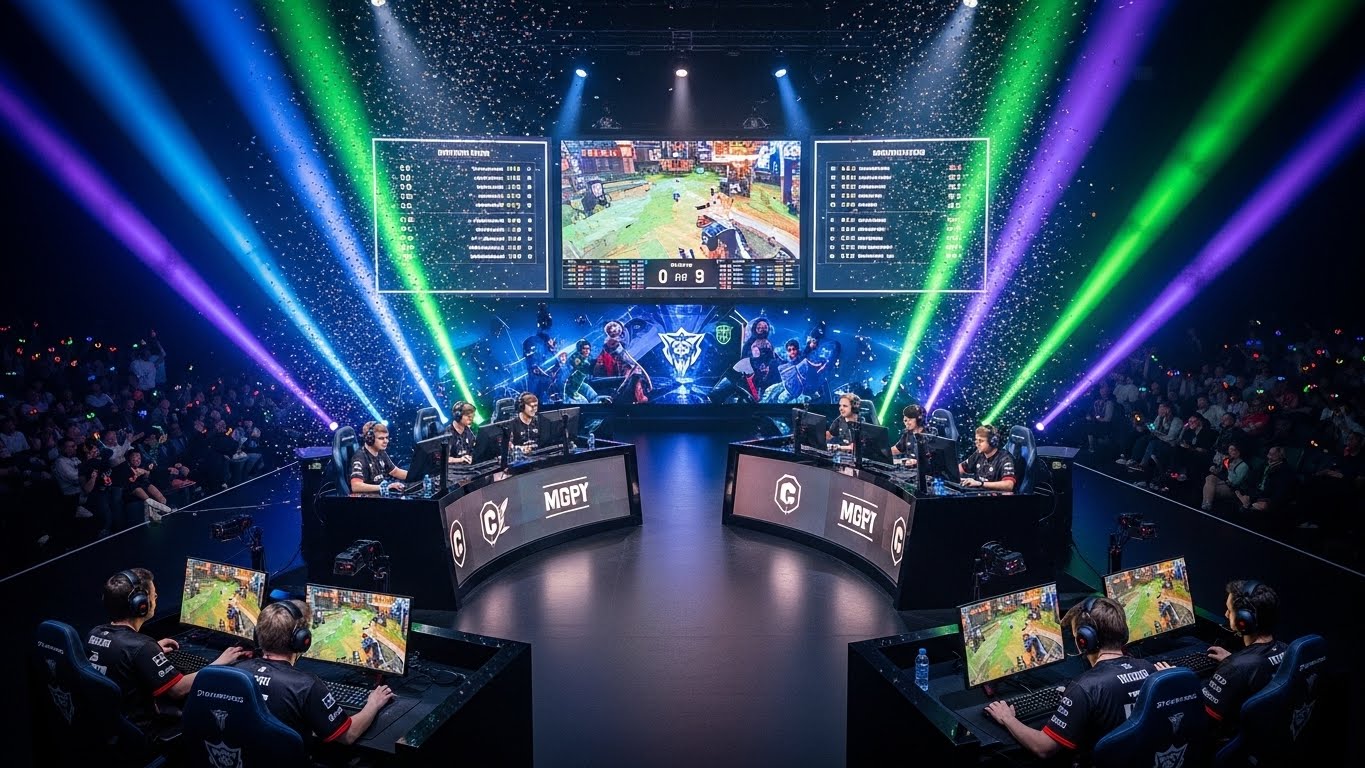
Esports has grown from a quiet subculture into one of the most influential entertainment industries of the modern era. What once began as friendly matches among friends has now evolved into a worldwide competitive ecosystem with professional players, multimillion-dollar tournaments, and global audiences. In today’s digital world, esports stands tall as a cultural movement, a career path, and a technological marvel. This blog explores the growth of this dynamic industry, the reasons behind its success, and the impact it has on individuals and society.
The Origins of Esports and Its Unexpected Rise
The journey of esports began decades ago when early video games introduced players to competitive formats. In the early days, competitions were simple gatherings where enthusiasts played for fun and recognition. However, as games grew more complex and online connectivity improved, competition became more structured. Players from across the world could challenge one another without being in the same room, transforming local matches into global battles.
The turning point arrived when organized tournaments emerged. Professional gaming leagues appeared, sponsors showed interest, and online platforms allowed millions to watch live matches. This new visibility fueled exponential growth, and what was once a hobby slowly grew into a global industry that rivaled traditional sports in popularity and viewership.
The Diversity of Esports Titles and Genres
One of the strongest pillars behind esports is the diversity of games available. Unlike traditional sports, which rely on physical limitations and fixed playing fields, esports spans countless genres, each with unique skills and competitive formats. Multiplayer battle arenas demand teamwork and strategic planning. First-person shooters test reflexes, precision, and communication under pressure. Strategy games reward players who can plan ahead and adapt quickly to unexpected moves. Fighting games challenge timing, execution, and mastery of character abilities.
This rich variety invites players of all interests and talents to compete. Some thrive in fast-paced combat, while others excel in long-term planning. The wide selection also creates diverse communities, each passionate about their favorite titles and professional scenes. This diversity makes esports more inclusive, ensuring that virtually anyone can find a game that suits their strengths.
The Mental and Physical Demands of Competitive Gaming
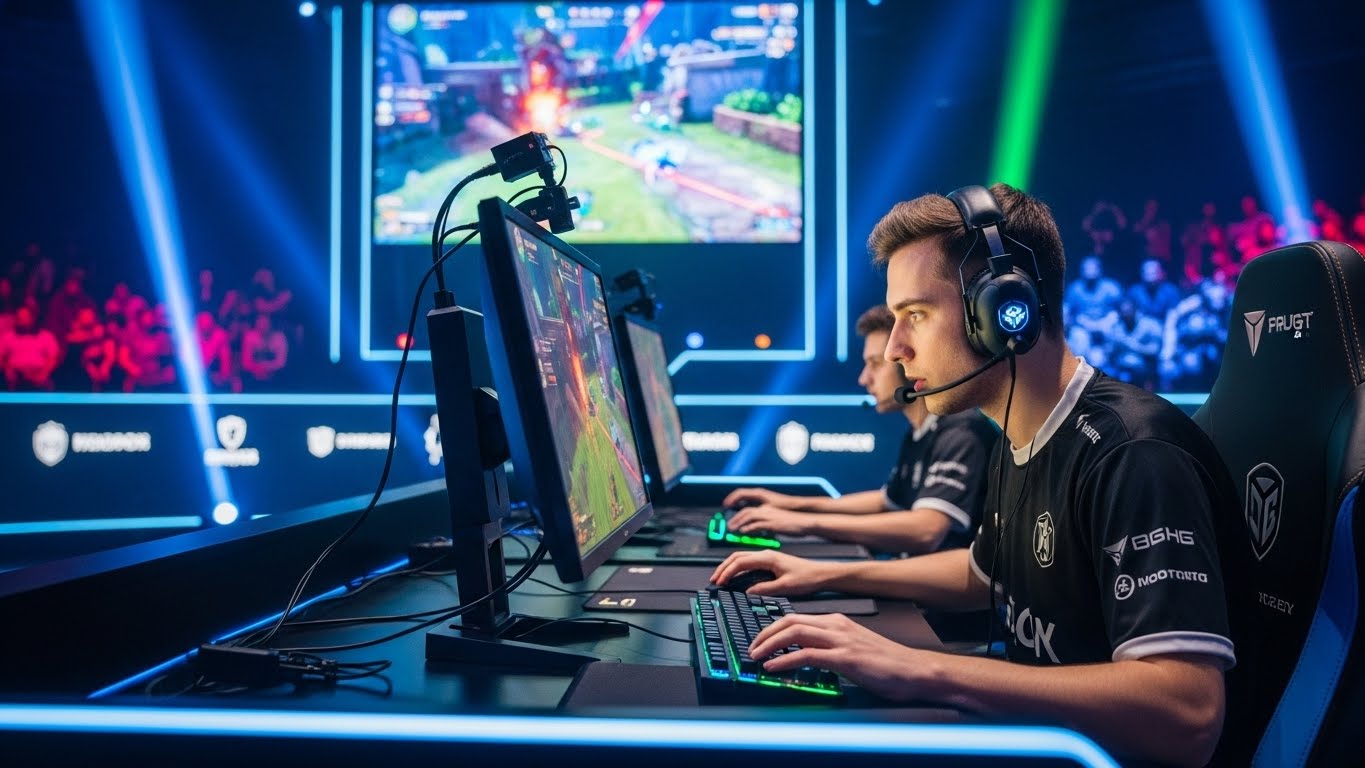
Although esports takes place in virtual environments, it is far from an easy pursuit. Professional players train intensely, often spending hours mastering techniques, learning strategies, and reviewing gameplay. This level of dedication requires strong mental discipline, focus, and endurance. Reflex training, muscle memory, and precision coordination are essential components of their skillset.
Despite misconceptions, esports demands physical conditioning as well. Players must maintain posture, eye health, and stamina to perform at their peak. Many teams hire physical trainers to prevent injuries related to repetitive movements and prolonged sitting. The commitment to maintaining both mental sharpness and physical well-being proves that esports athletes are indeed athletes in their own right.
The Growth of Esports Communities and Global Audiences
Esports thrives because it brings people together. Gaming communities are among the most vibrant digital groups in the world. Players form bonds with teammates, create friendships across continents, and build lasting relationships through shared passion. Online discussions, forums, team chats, and fan events create a sense of belonging unlike any other entertainment industry.
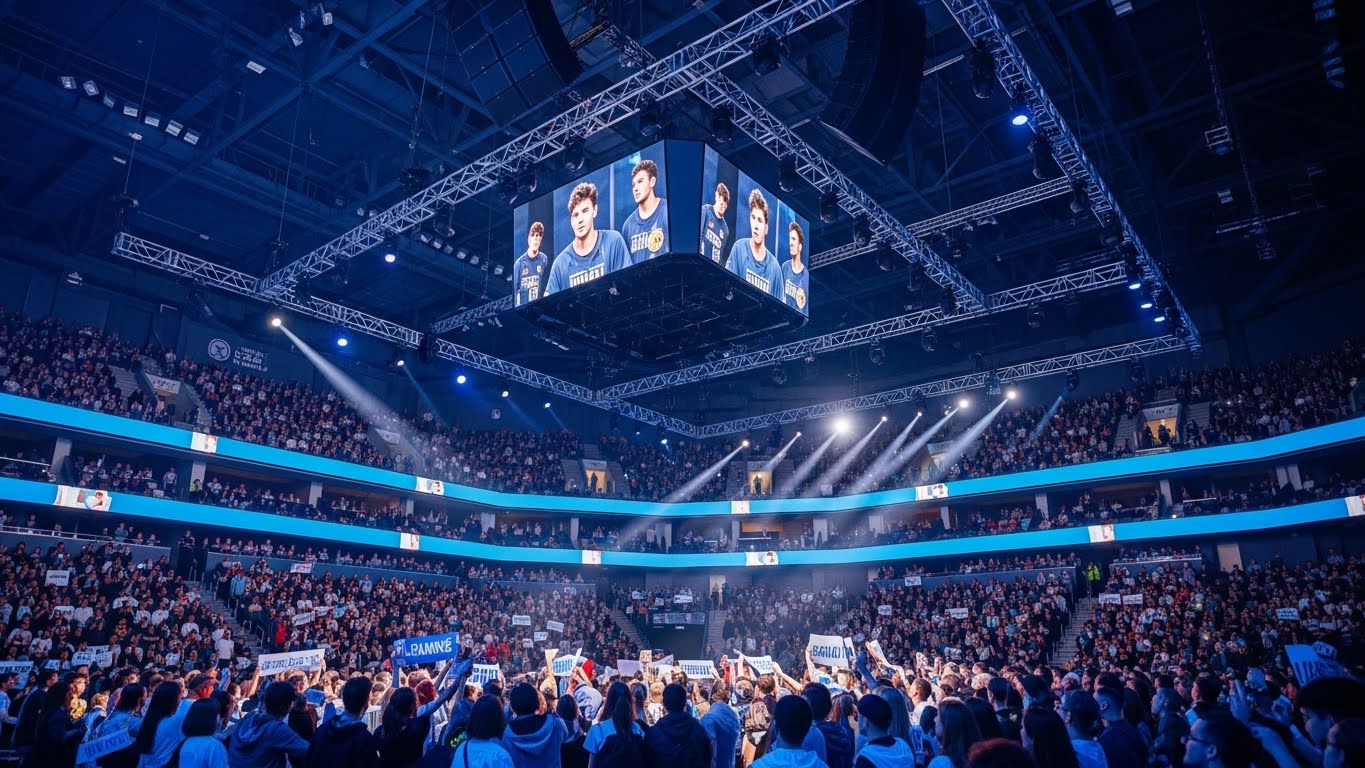
Large-scale tournaments amplify this sense of unity. Millions of fans tune in to watch their favorite teams compete in championships, experiencing the same excitement and emotional investment found in traditional sports. Fans cheer, debate strategies, and celebrate victories together, proving that esports has created a global community united by enthusiasm and competition.
The Economic Power of Esports and New Career Opportunities
Esports has grown into a significant economic force. The industry generates billions through sponsorships, merchandise, competitive events, advertising, and entertainment content. Professional players can earn substantial income through salaries, tournament winnings, and partnerships with major brands. Many players also build personal brands, streaming their gameplay and connecting with audiences who admire their skill and personality.
Beyond players, esports supports countless careers. Coaches analyze gameplay and guide teams toward improvement. Event organizers plan tournaments ranging from local gatherings to sold-out stadium events. Graphic designers, statisticians, commentators, broadcasters, and marketing specialists all contribute to the esports machine. The industry has opened doors for skilled individuals in areas such as technology, media production, content creation, and team management, making it a viable career path for many.
Education and Esports: A Growing Academic Frontier
Educational institutions are recognizing esports for its value in student development. Schools and universities create esports clubs, teams, and even academic programs to support students interested in competitive gaming or related fields. Scholarships for esports athletes are becoming more common as institutions acknowledge the strategic, collaborative, and analytical skills required to succeed in competitive gaming.
Esports also fosters academic skills without students fully realizing it. Players practice problem-solving under pressure, develop leadership qualities, and learn to communicate effectively with teammates. Schools that incorporate esports programs report increased student engagement, improved teamwork, and better academic performance among participants.
The Role of Technology in Shaping Esports
Esports owes much of its success to rapid technological advancements. High-speed internet, powerful hardware, and modern game engines create seamless competitive experiences. Real-time communication tools allow teams to coordinate instantly, while advanced graphics make games more immersive and thrilling to watch.
Streaming technology has also revolutionized esports. Viewers worldwide can watch tournaments and follow their favorite players as easily as tuning into traditional sports broadcasts. Innovations in virtual reality, augmented reality, and cloud gaming may further elevate esports, making them even more interactive, accessible, and visually stunning.
Esports and Social Impact: Bridging Cultures and Generations
Perhaps one of the most remarkable aspects of esports is its ability to transcend barriers. Players from different countries, languages, and backgrounds compete on equal footing. Age gaps matter little in gaming communities, as both young and adult players can excel in competitive environments. This inclusivity helps foster mutual respect and understanding among diverse individuals.
Esports also plays a crucial role in modern entertainment and youth culture. Many young people find confidence, social belonging, and creative expression through gaming. It offers an avenue for individuals who may not fit into traditional sports or academic environments, giving them a platform where they can shine.
Challenges Facing the Esports Industry
Despite its success, esports faces several challenges. Player burnout is common due to intense training schedules and continuous performance pressure. Managing mental health is essential, and many organizations now invest in psychological support for their athletes. Toxic behavior in gaming communities is another issue that requires ongoing attention. Game developers and tournament organizers are actively working to promote healthier, more inclusive environments.
Another challenge lies in maintaining industry sustainability. As esports continues to grow, balancing commercial success with player well-being, fair regulations, and inclusive practices becomes increasingly important. Ensuring integrity and protecting the long-term health of the industry are vital responsibilities for all stakeholders.
The Future of Esports and Its Expanding Horizons
The future of esports is bright and filled with possibilities. As technology advances, competitive gaming will become even more engaging, immersive, and accessible. New genres will emerge, audience numbers will grow, and professional opportunities will expand. Governments and institutions are beginning to recognize esports as an official form of competition, which will help legitimize the industry further.
Additionally, the integration of esports with traditional sports is becoming more common. Many sports teams invest in esports divisions, creating crossovers between physical and digital competition. As the boundaries between entertainment formats continue to blend, esports is poised to become a central pillar of global sports culture.
Conclusion: Esports and the New Digital Renaissance
Esports represents much more than virtual games. It symbolizes innovation, passion, creativity, and human connection in a digital age. It has created careers, shaped communities, and introduced new forms of competition that continue to evolve with technology. Whether one plays casually, competes professionally, or simply enjoys watching, esports offers something for everyone.
The rise of esports marks a digital renaissance where talent, strategy, and resilience come together in a rapidly expanding arena. As it continues to grow, esports will not only change how we play but also how we learn, connect, and compete. The world of competitive gaming is only beginning to show its full potential, and its future promises excitement, innovation, and endless possibilities.