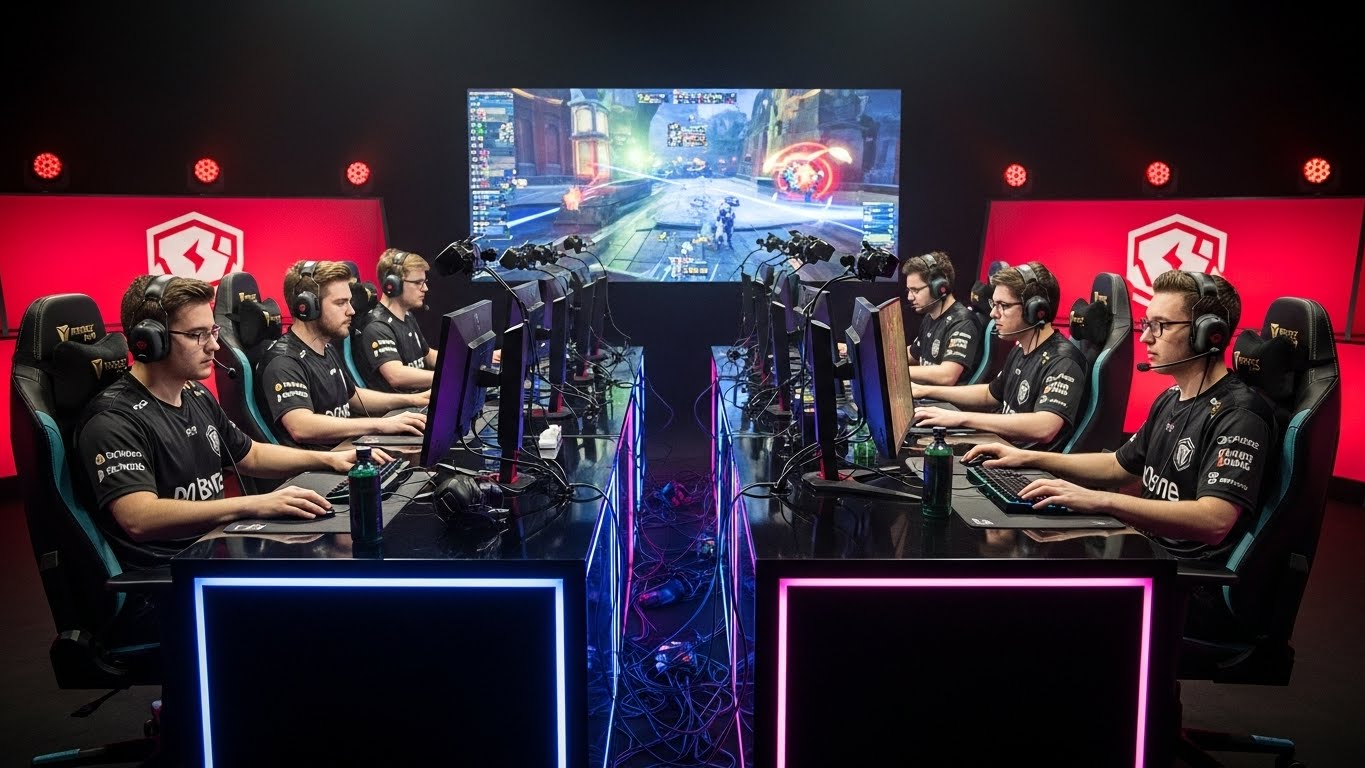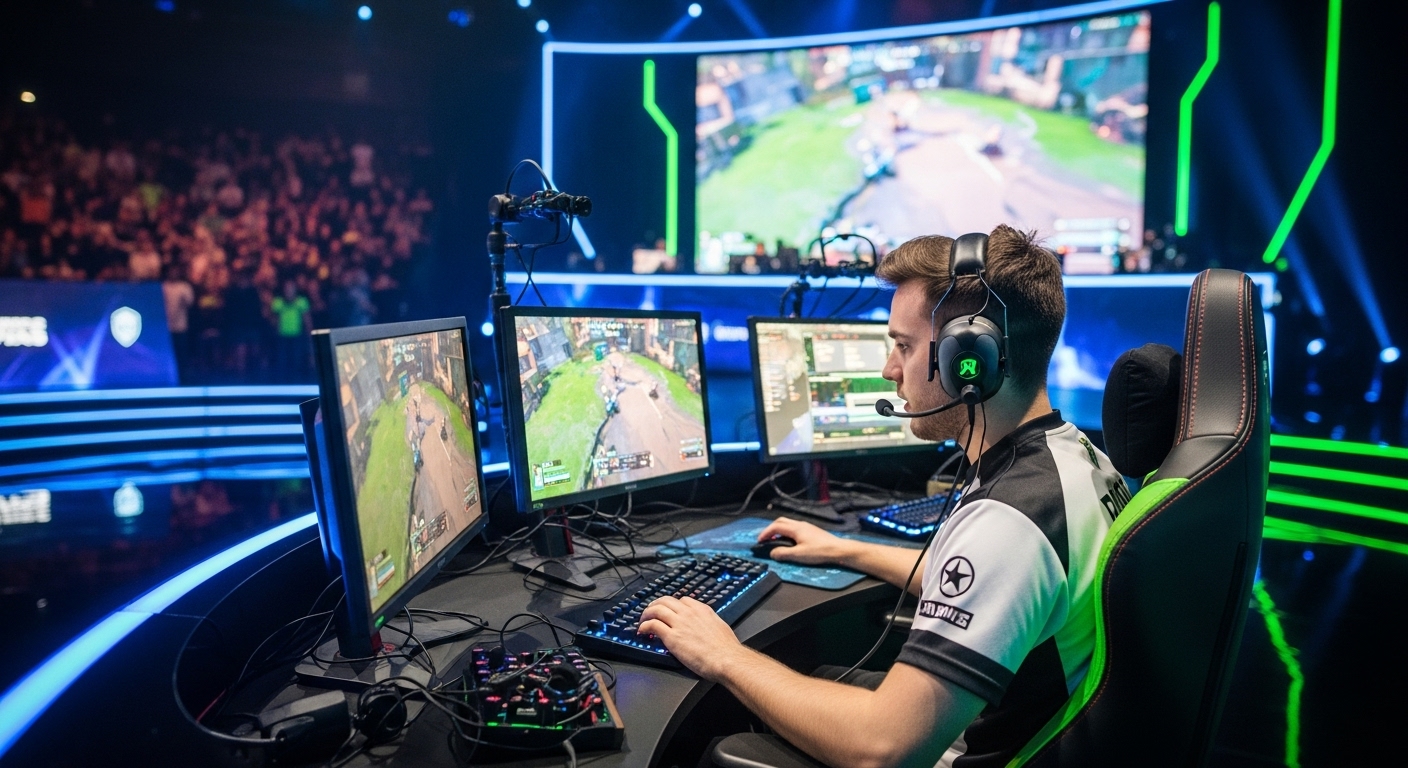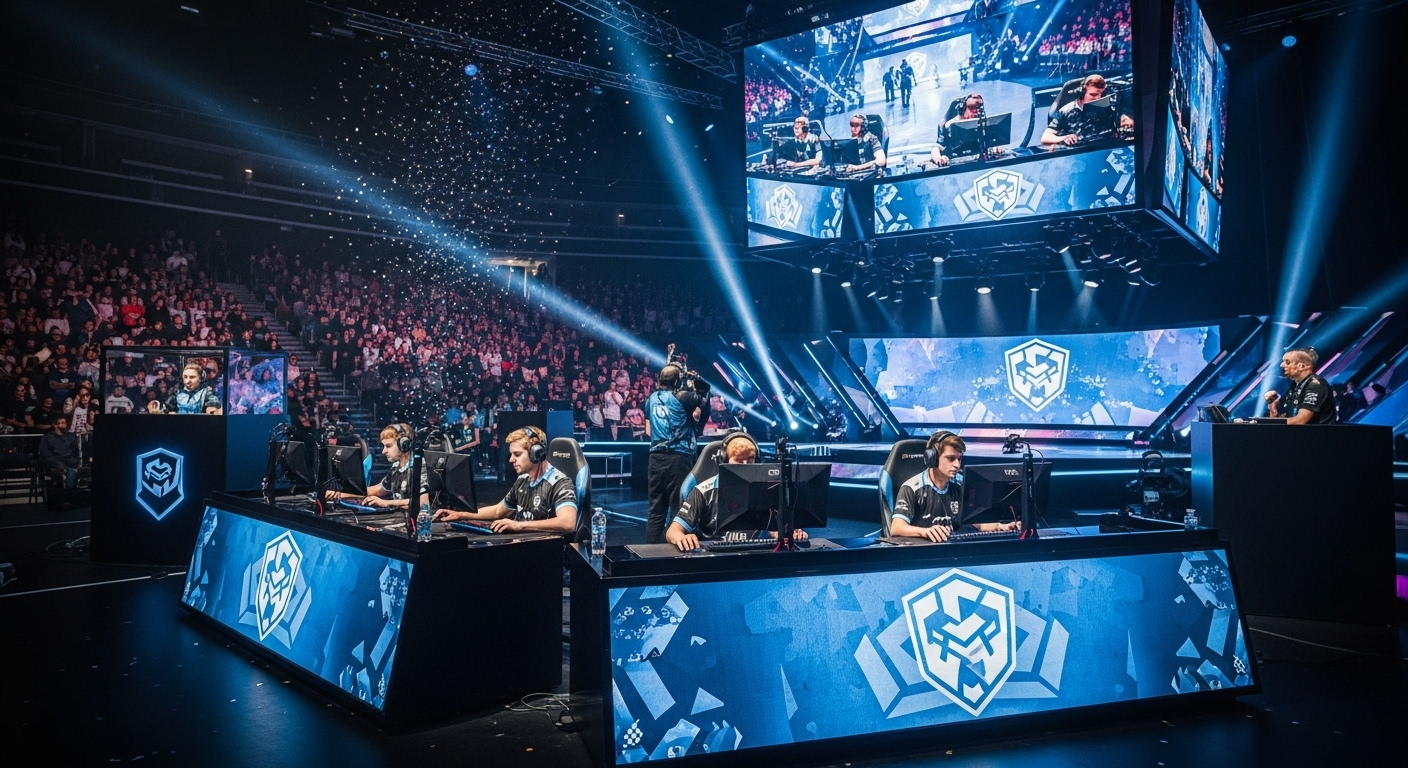
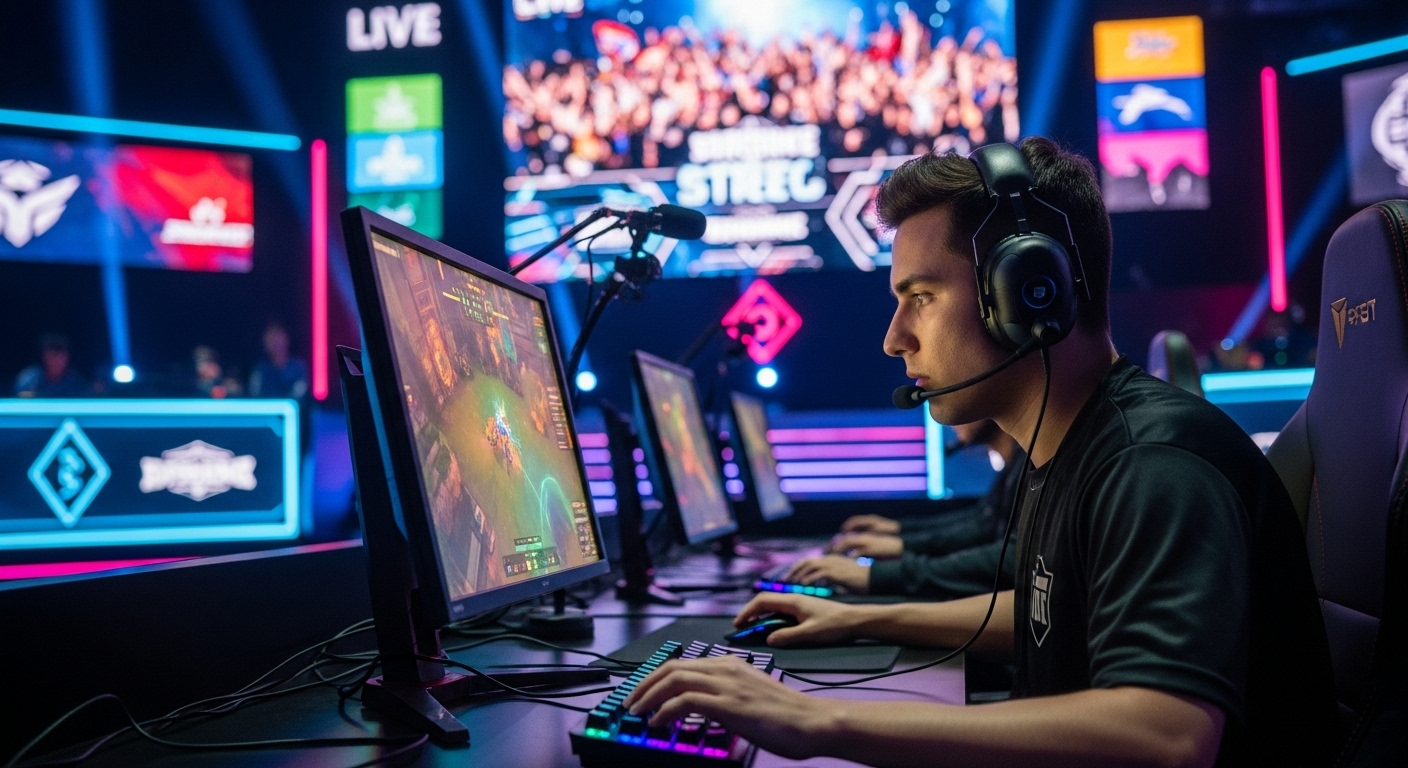
Esports, once a niche interest, has rapidly transformed into a global phenomenon. What started as casual video game competitions has now evolved into a billion-dollar industry, with professional players, teams, and tournaments that draw millions of viewers worldwide. From the days of LAN parties to massive esports arenas, competitive gaming is no longer just a pastime but a legitimate sport in its own right. This blog will explore the meteoric rise of esports, the culture surrounding it, and its future as a mainstream entertainment powerhouse.
The Birth of Competitive Gaming: From Hobby to Sport
Competitive gaming has its roots in the early days of video gaming. In the 1970s and 1980s, arcade games like “Space Invaders” and “Pong” saw early forms of competition. Players would challenge each other for high scores, and tournaments, though small, began to take shape. However, the real spark for esports came in the late 1990s and early 2000s, when games like “StarCraft” and “Quake” introduced competitive multiplayer elements.
The first major turning point for esports came with the development of online gaming platforms. As broadband internet became more accessible, players could now compete against others from around the world. The introduction of platforms like Battle.net by Blizzard Entertainment and the rise of games like “Counter-Strike” allowed players to organize and participate in online tournaments. These early competitions, often hosted by game developers or third-party organizations, helped lay the foundation for the large-scale esports scene we know today.
The Evolution of Esports: From Local Tournaments to Global Events
As the internet expanded and gaming technology improved, esports began to take a more organized form. In the 2000s, esports leagues and tournaments started to emerge, providing a platform for professional players to showcase their skills. Games like “Warcraft III” and “League of Legends” gained enormous followings, with massive multiplayer tournaments offering substantial prize pools.
One of the defining moments for esports was the creation of the “World Cyber Games” in 2000, which brought together players from around the globe to compete in games like “StarCraft” and “Unreal Tournament.” This marked the beginning of esports as a legitimate global competition, with national pride at stake and the potential for players to gain celebrity status.
By the 2010s, esports began to flourish as a form of mainstream entertainment. Major sponsorships from companies like Intel, Red Bull, and Coca-Cola entered the scene, providing financial backing for tournaments and teams. Games like “Dota 2,” “League of Legends,” and “Overwatch” became central to the esports ecosystem, with events such as The International and the League of Legends World Championship attracting millions of viewers across the globe. The emergence of streaming platforms like Twitch also played a pivotal role, allowing fans to watch live gameplay, interact with streamers, and engage in the esports community in real-time.
The Culture of Esports: Community, Fandom, and Identity
Esports is not just about the games—it’s about the culture that surrounds them. The esports community is built on a shared passion for gaming, competition, and skill development. Unlike traditional sports, esports transcends geographical boundaries, bringing together players, fans, and teams from all over the world. This global community has fostered an environment of collaboration and competition that fuels the growth of the industry.
Professional esports players are revered as celebrities, and their streams, social media accounts, and personal lives are followed by millions. This creates a unique form of fandom, where fans feel connected not only to the game but to the individuals behind the screen. Popular players like Faker (League of Legends), s1mple (Counter-Strike: Global Offensive), and Ninja (Fortnite) have become household names, with sponsorship deals, endorsements, and personal brands that rival traditional athletes.
Moreover, esports has become a form of self-expression for many players, with teams and players adopting unique logos, jerseys, and even personal streaming channels. This has fostered a sense of identity, where fans not only support a game but align themselves with a team, player, or even a specific gaming style.
The Business of Esports: Sponsorships, Investments, and Broadcasting
Esports has rapidly transformed into a multi-billion-dollar industry, attracting a diverse range of investors, sponsors, and media companies. The business side of esports is now more sophisticated than ever, with large-scale tournaments offering prize pools that rival those of traditional sports. For example, The International 2021, a “Dota 2” tournament, featured a prize pool of over $40 million, making it one of the largest prize pools in esports history.
Sponsorships from global brands have become a key revenue stream for esports organizations and players. Companies like Intel, Nike, and Mercedes-Benz have all invested in esports, recognizing the immense reach and influence the industry holds over young, tech-savvy audiences. These partnerships are not just about advertising; they help foster innovation within the esports world, from developing specialized gaming equipment to improving player training facilities.
Broadcasting has also played a major role in the growth of esports. Platforms like Twitch, YouTube Gaming, and Facebook Gaming allow fans to watch live tournaments, follow their favorite players, and engage in real-time discussions. In addition to streaming, major networks like ESPN and Turner Sports have also started broadcasting esports events, making competitive gaming more accessible to mainstream audiences.
The Future of Esports: Growth, Legitimization, and Global Expansion
As esports continues to grow, the future looks incredibly promising. One of the major trends in the coming years is the push for esports to be recognized as an official sport by organizations like the International Olympic Committee (IOC). While esports is not yet part of the Olympics, there have been discussions about integrating esports competitions into the event, and some countries, like China and South Korea, have already established esports as a recognized sport.
Furthermore, the rise of mobile esports is expanding the reach of competitive gaming to a wider audience. Games like “PUBG Mobile,” “Free Fire,” and “Mobile Legends” are attracting millions of players and viewers from regions with high mobile penetration, such as Southeast Asia and India. This expansion into mobile gaming is helping esports become more accessible, allowing players from all walks of life to participate in the competitive gaming scene.
Virtual reality (VR) and augmented reality (AR) are also poised to take esports to the next level. These technologies could provide a more immersive experience for both players and spectators, blurring the line between the digital and physical worlds. Imagine watching a VR esports tournament where you can not only view the action but also interact with the environment, cheering for your team from a front-row seat in a virtual arena.
Conclusion: Esports as the Future of Entertainment
Esports is no longer just a subculture—it’s a global movement. It has grown from casual competitions to a multi-billion-dollar industry with millions of fans worldwide. From the culture of gaming communities to the high-stakes world of professional tournaments, esports is redefining what it means to be a spectator and participant in modern entertainment.
As esports continues to expand and evolve, it will likely become even more integrated into mainstream culture, attracting new fans, players, and sponsors. What started as a hobby for a select few has become a driving force in entertainment, proving that competitive gaming is here to stay. The future of esports is bright, and we are only scratching the surface of its full potential.