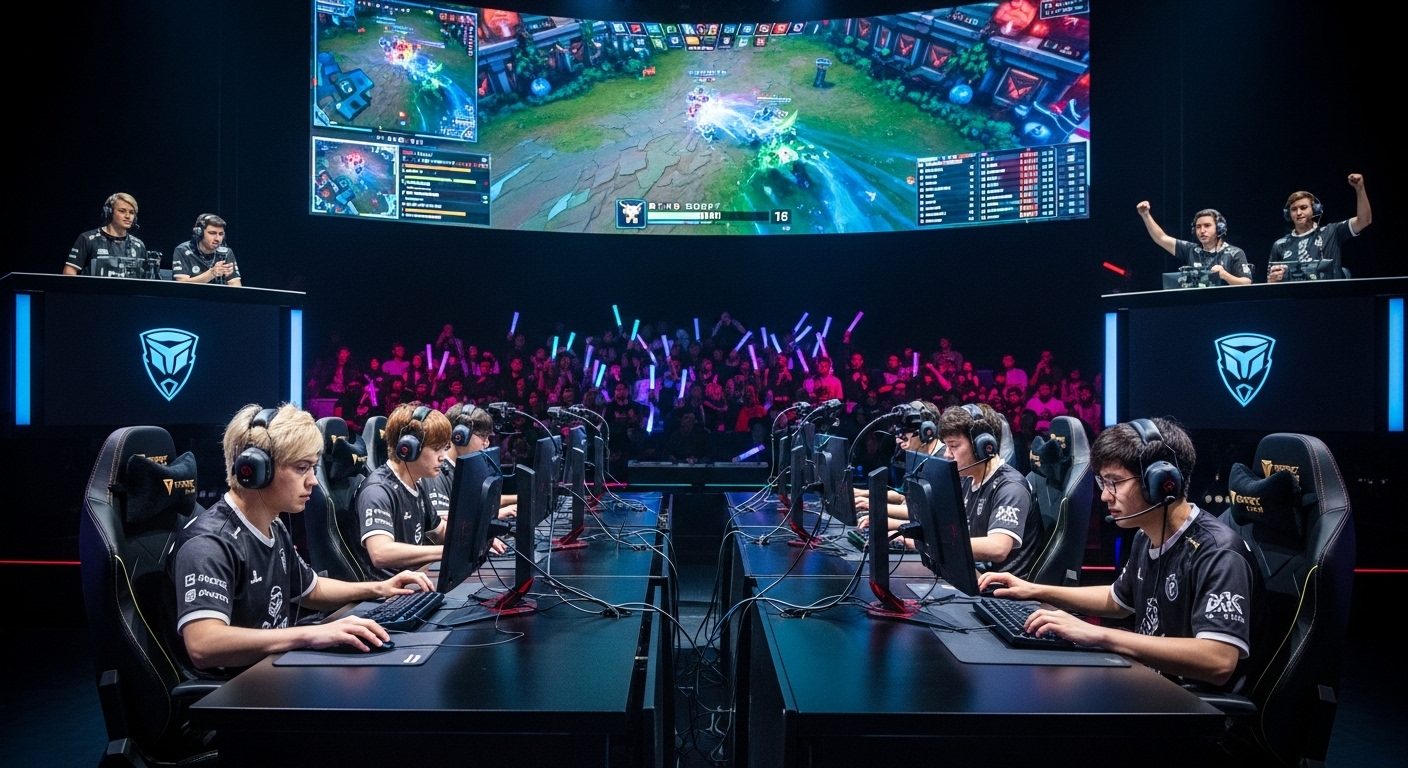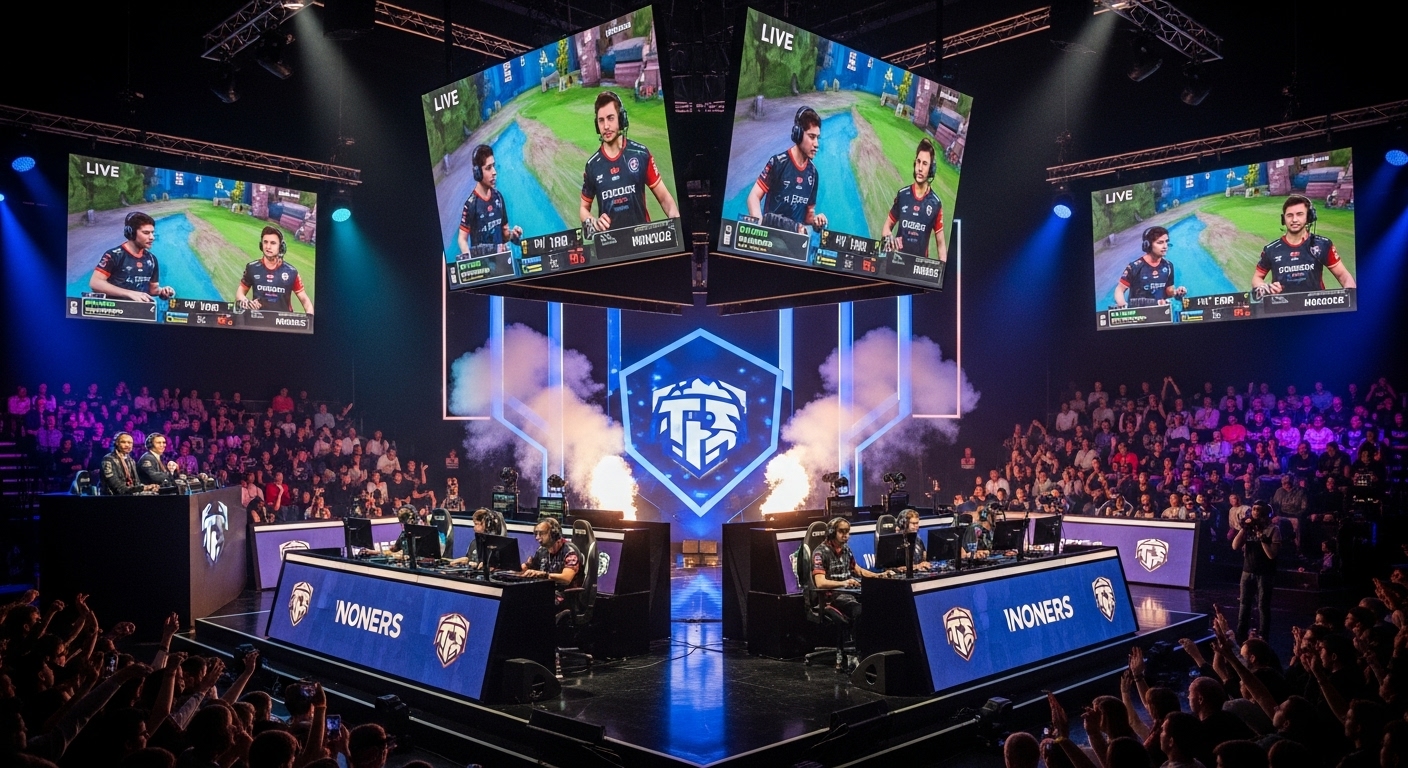
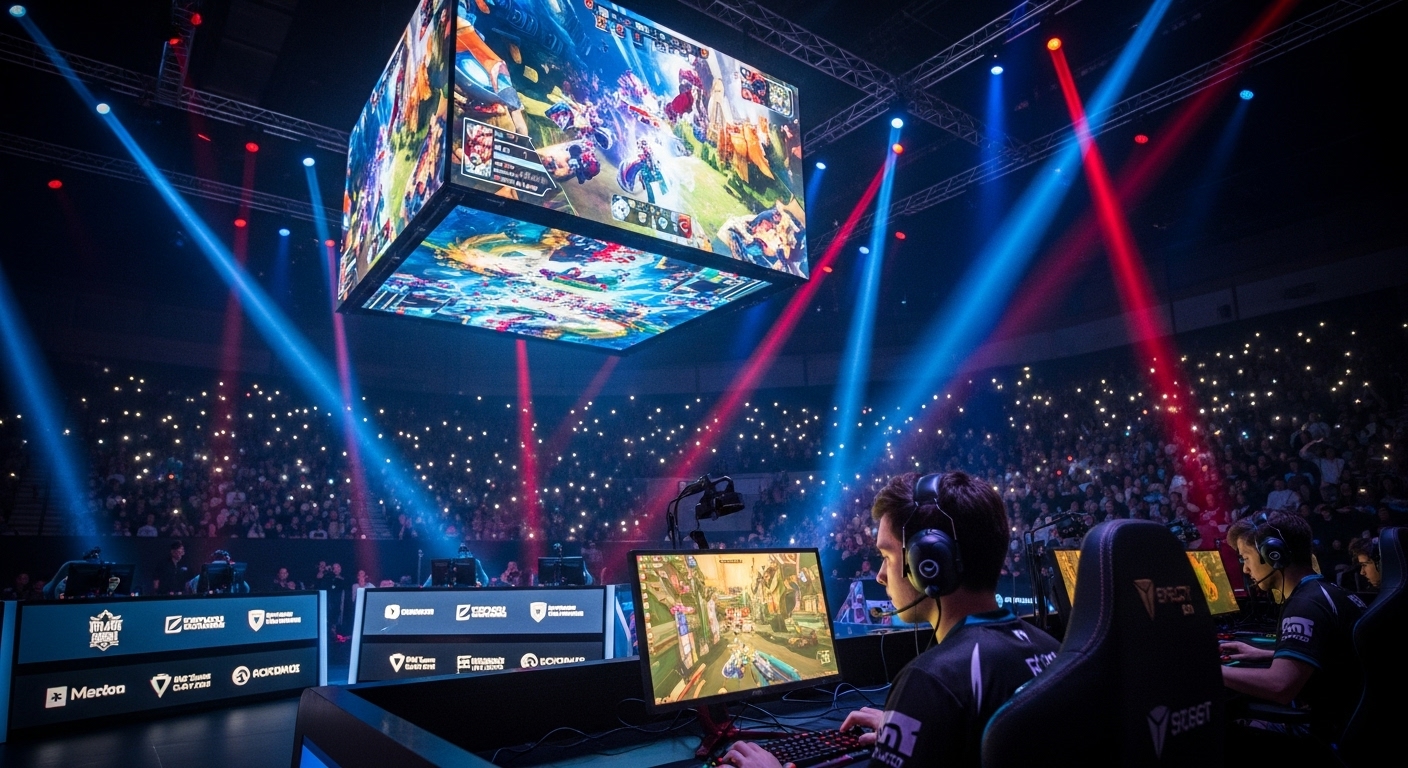
Esports, or competitive gaming, has undergone a dramatic transformation over the past few decades. What started as a small, niche activity in basements and LAN (Local Area Network) parties has evolved into a massive global industry. Today, esports is a legitimate career choice, with professional players, teams, and multi-million-dollar prize pools. But how did this industry evolve, and where is it headed? In this blog, we’ll explore the journey of esports, its current state, and its potential future.
The Origins of Competitive Gaming: A Humble Beginning
The roots of esports date back to the early days of gaming in the 1970s. One of the first known competitive gaming events, the Intergalactic Spacewar Olympics, was held at Stanford University in 1972. The event was small, with just a handful of participants, but it marked the first instance of competitive play that would eventually give rise to esports.
In the years that followed, multiplayer games began to appear, but competitive gaming remained relatively underground. It wasn’t until the 1990s, when games like Doom and Warcraft became popular, that LAN parties began to emerge as the primary method for competitive play. These events allowed gamers to gather in one physical location, connect their computers via local networks, and compete against each other.
While these early tournaments were modest in scale, they laid the groundwork for larger events and organizations that would come in the following decades.
The Rise of Esports: Entering the Mainstream
The real turning point for esports came in the 2000s with the rise of online gaming and the launch of influential games like StarCraft, Warcraft III, and Counter-Strike. These titles were designed with competitive play in mind and offered complex mechanics that kept players engaged while also creating opportunities for strategic play and skill development.
Around this time, competitive gaming started to gain traction through organized events such as the World Cyber Games (WCG) and Electronic Sports League (ESL). These tournaments were the first taste of what esports could become, drawing players from around the world to compete for titles, recognition, and cash prizes.
In 2009, the release of League of Legends by Riot Games was a game-changer. The title quickly became one of the most popular competitive games, and in 2011, it hosted its first World Championship. This event marked a major milestone in the evolution of esports, with a growing number of viewers tuning in to watch top-tier gameplay.
Streaming platforms like Twitch, which launched in 2011, played a crucial role in the explosion of esports. For the first time, fans could watch their favorite players and teams live, from the comfort of their own homes. The ability to interact with players, ask questions, and participate in the esports community directly led to the growth of esports audiences around the world.
The Esports Ecosystem: A Multi-Billion-Dollar Industry
Today, esports has become a well-oiled machine, supported by a robust ecosystem of teams, players, sponsors, and fans. Esports now generates billions of dollars in revenue from a variety of sources, including ticket sales, streaming platforms, advertising, and sponsorships.
Professional Esports Teams
The rise of esports organizations and professional teams has been a key factor in the industry’s success. Teams like Cloud9, T1, and Team Liquid have become household names, not just in gaming, but in the larger entertainment landscape. These organizations recruit top-tier players, coaches, analysts, and content creators to build teams that can compete in some of the world’s most prestigious leagues and tournaments.
Esports teams are run like traditional sports teams, with management handling the day-to-day operations, contracts, and logistics. Players are often provided with salaries, benefits, and performance bonuses, similar to professional athletes in mainstream sports.
Sponsorships and Partnerships
As esports has grown, so has its appeal to brands and sponsors. Major companies such as Intel, Coca-Cola, and Mercedes-Benz have all invested heavily in esports, sponsoring teams, tournaments, and players. These sponsorships not only bring in revenue but also help to legitimize esports as a global entertainment platform.
The rise of esports has also paved the way for exclusive media and broadcasting deals. Companies like ESPN, YouTube, and Facebook Gaming now have exclusive broadcasting rights for major esports tournaments, further driving the mainstream visibility of competitive gaming.
Fans and the Community
The backbone of esports is its passionate and engaged community. Esports fans are some of the most dedicated in the world, often tuning in to watch tournaments, engage with players on social media, and participate in fan-driven content creation. Fans don’t just watch the games—they live and breathe the competition.
Streaming platforms like Twitch and YouTube have allowed fans to interact with players and teams directly. Through live chats, donations, and fan meet-ups, viewers become part of the esports experience. This sense of community has been a driving force behind esports’ popularity, as fans not only consume content but actively contribute to its growth.
Esports as a Career: More Than Just Playing Games
What once started as a hobby for a few enthusiasts has now become a full-time career for many. Professional esports players, content creators, and streamers can earn substantial incomes from sponsorships, prize money, and streaming revenue. The popularity of esports has also given rise to new career paths, including coaching, analysis, event management, and broadcasting.
Top players in games like League of Legends, Dota 2, and Fortnite can make millions of dollars a year in prize winnings alone. This has led to a new generation of gamers aspiring to become professional esports athletes, with the dream of competing in prestigious tournaments like The International (Dota 2) or the League of Legends World Championship.
In addition to players, there is also a growing demand for esports coaches, analysts, and content creators. Many professional teams employ coaches to develop strategies and improve team performance, while analysts break down gameplay to help teams gain a competitive edge. Esports content creators, including streamers and YouTubers, play an essential role in building the community and driving engagement.
The Global Appeal of Esports: A Universal Language
One of the most remarkable things about esports is its global appeal. Competitive gaming transcends language barriers, making it accessible to people all over the world. Whether it’s a League of Legends tournament in South Korea or a CS:GO match in Europe, esports fans can connect through a shared love of the game.
Esports has become a global language, uniting players from different countries and cultures in ways that traditional sports sometimes cannot. The competitive nature of esports is universal, and it’s this accessibility that has made it a cultural phenomenon.
International Tournaments
Global tournaments like The International (Dota 2), League of Legends World Championship, and Overwatch League bring together the best players from around the world to compete on a grand stage. These events often draw millions of viewers online and in person, with fans from all corners of the globe cheering on their favorite teams.
Esports’ international appeal also extends to its players. While certain regions, like South Korea and China, have historically dominated games like StarCraft and League of Legends, esports allows players from countries all over the world to compete on equal footing. This has led to incredible underdog stories and regional rivalries that further fuel the excitement of esports competitions.
The Future of Esports: Innovation and Growth
Looking ahead, the future of esports is bright, with continued innovation and expansion on the horizon. The growth of mobile gaming is one of the most exciting developments in the esports world. Games like PUBG Mobile, Arena of Valor, and Clash Royale have created new opportunities for competitive play on smartphones, allowing a wider audience to participate in esports from anywhere.
Virtual reality (VR) and augmented reality (AR) are also poised to revolutionize esports. These technologies have the potential to create fully immersive gaming experiences that will push the boundaries of what’s possible in competitive play. Imagine watching a live esports event in VR, where you can experience the action as if you were sitting in the arena, or even competing yourself in an entirely new form of esports.
The inclusion of esports in major sporting events, such as the Olympics, is another area of potential growth. As esports continues to grow, there’s a real possibility that we’ll see it recognized alongside traditional sports on the world stage.
Conclusion: Esports Is Here to Stay
Esports has come a long way since its early days as a small, local competition. Today, it’s a global industry that generates billions of dollars in revenue, employs thousands of people, and captivates millions of fans around the world. Whether you’re a player, a fan, or someone interested in the future of gaming, it’s clear that esports is here to stay.
As technology continues to evolve and new games gain popularity, the potential for esports to grow even further is immense. With its massive global following, professional leagues, and thriving community, esports is no longer just a hobby—it’s a legitimate form of entertainment that rivals traditional sports in both scale and impact. The future of esports is bright, and it will undoubtedly continue to shape the entertainment landscape for years to come.