
Introduction
eSports has grown from a casual pastime into a worldwide phenomenon that captivates millions of players and fans. Competitive gaming now rivals traditional sports in popularity, offering excitement, strategy, and social engagement. Beyond entertainment, eSports has become a platform for skill development, teamwork, and career opportunities, proving that gaming is more than just a hobby—it’s a serious competitive arena.
The Origins of eSports
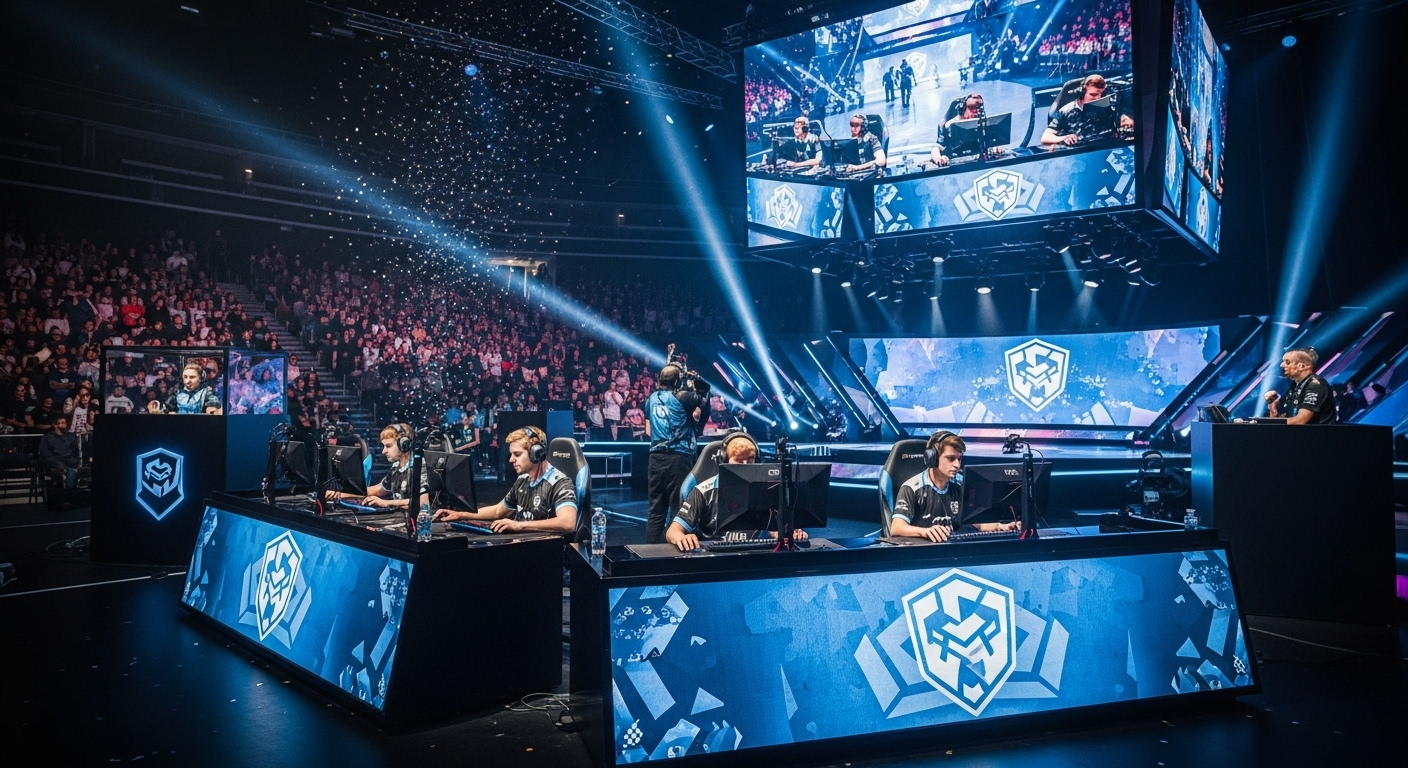
The roots of eSports trace back to arcade competitions and early console tournaments. With the rise of the internet, multiplayer online games enabled players to compete globally. This shift transformed gaming into a structured and organized activity, complete with professional teams, sponsorships, and international events. Today, eSports is a professional ecosystem that blends competition, technology, and entertainment.
Popular eSports Genres
eSports includes a variety of game types, each requiring distinct skills. Multiplayer Online Battle Arena (MOBA) games emphasize teamwork and strategic thinking. First-Person Shooter (FPS) games test reflexes, precision, and situational awareness. Real-Time Strategy (RTS) games focus on resource management and long-term planning, while sports simulation games replicate real-world athletic challenges digitally. Each genre offers unique competitive experiences for players and spectators alike.
Skills and Training
Success in eSports requires discipline, focus, and consistent practice. Professional players dedicate hours daily to refining their skills, studying opponents, and developing strategies. Team communication, quick decision-making, and mental resilience are essential, especially during high-stakes competitions. The preparation mirrors that of traditional athletes, demonstrating the serious nature of professional gaming.
The eSports Community
Community is at the heart of eSports. Players, fans, and content creators interact through streaming platforms, forums, and social media. Tournaments and online events bring people together, fostering collaboration and healthy competition. This sense of belonging strengthens the eSports culture and allows players to learn, share, and grow within a global network.
Economic and Career Opportunities
The eSports industry has become a multi-billion-dollar sector. Professional players, coaches, analysts, commentators, and event organizers all find opportunities within the field. Sponsorships, merchandise, and streaming revenue contribute to the economy, while eSports careers provide a pathway for talented individuals to turn their passion for gaming into a profession.
Technology and Innovation
Technology drives every aspect of eSports. Advanced gaming systems, high-speed internet, streaming platforms, and immersive graphics enhance both gameplay and viewing experiences. Emerging technologies like virtual reality, augmented reality, and artificial intelligence continue to push the boundaries of what is possible, shaping the future of competitive gaming and fan engagement.
The Future of eSports
The future of eSports is bright. With increasing global audiences, professional recognition, and technological advancements, competitive gaming is set to grow even further. Educational programs, international leagues, and innovative formats will continue to expand opportunities for players and fans, solidifying eSports as a major form of entertainment and competition.
Conclusion
eSports has redefined the concept of gaming, turning it into a competitive, social, and professional experience. It combines skill, strategy, technology, and community to create a dynamic form of entertainment that inspires players and captivates audiences worldwide. As eSports continues to evolve, it will remain a powerful force shaping the future of digital competition and interactive entertainment.