Esports has grown into one of the most competitive and technologically driven industries in the world. Unlike traditional sports, where physical skill and endurance dominate, esports performance relies heavily on technology. From gaming hardware and peripherals to software, analytics, and broadcasting tools, technology plays a central role in determining the outcomes of competitive matches. The right equipment, tools, and technological support can be the difference between a good player and an elite competitor. This blog explores how technology impacts esports performance, the innovations driving the industry, and the ways players and teams leverage tech to gain a competitive edge.
Gaming Hardware: The Foundation of Performance
The most visible aspect of technology in esports is gaming hardware. High-performance computers, gaming laptops, and consoles are essential for ensuring smooth gameplay. Frame rates, graphics quality, and latency are all hardware-dependent, and even minor delays can affect reaction time and decision-making.
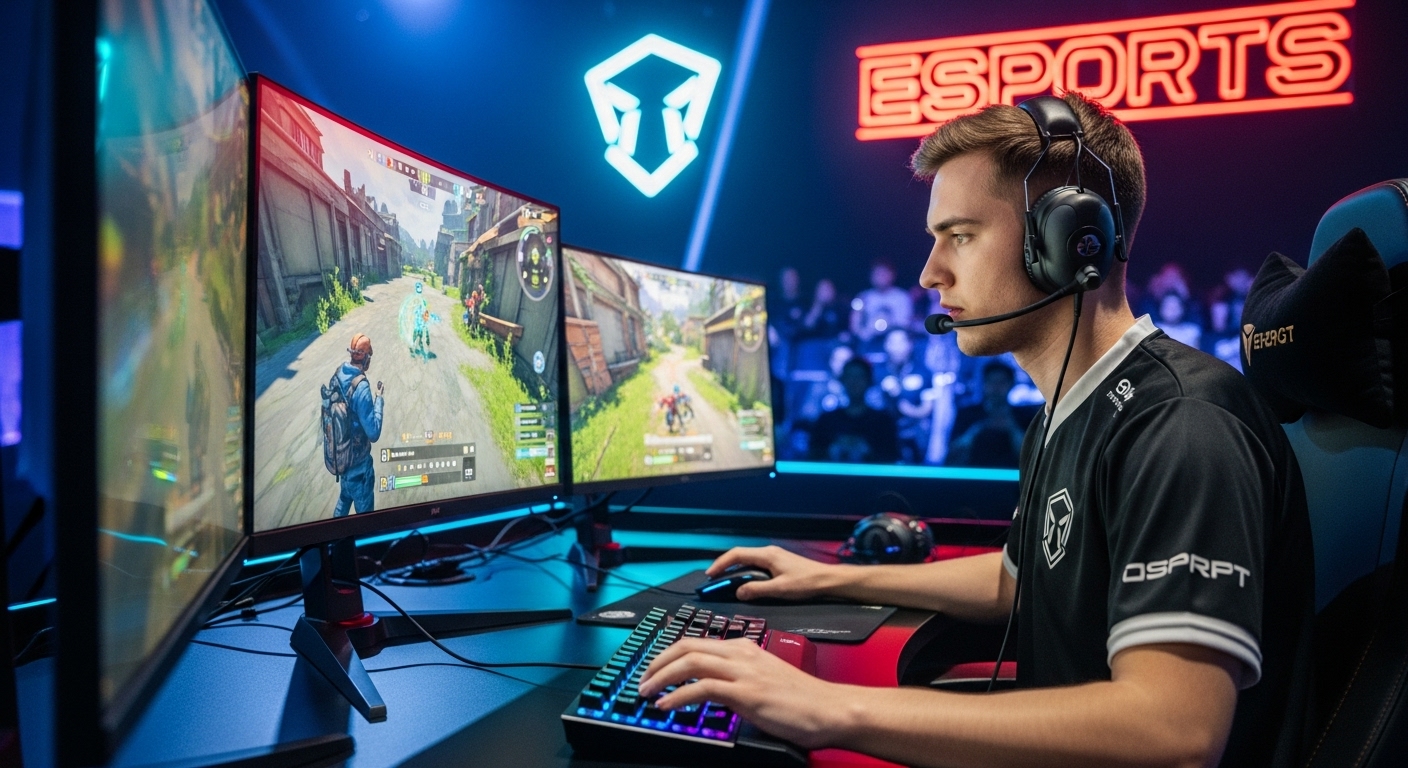
Professional players often invest in top-tier CPUs, GPUs, monitors with high refresh rates, and precision gaming mice and keyboards. Ergonomic chairs, adjustable desks, and specialized controllers further enhance comfort and responsiveness, reducing physical strain during long gaming sessions. Hardware reliability ensures that players can focus on strategy and execution rather than technical limitations.
High-Speed Internet and Low Latency
In esports, milliseconds matter. High-speed internet with low latency is critical for maintaining a competitive edge. Lag or connection drops can ruin split-second plays, costing matches and tournaments.
Players and teams often use dedicated wired connections, optimized routers, and gaming networks to minimize delays. Many professional tournaments provide advanced networking infrastructure to ensure a level playing field. Low latency allows players to respond faster to in-game events, improving accuracy, timing, and overall performance.
Gaming Software and Customization
Software optimization is another crucial factor in esports performance. Game settings, graphics configurations, and sensitivity adjustments all affect gameplay. Players fine-tune these settings to match their personal preferences, maximizing comfort and efficiency.
Custom software tools, including macros, scripts, and aim trainers, help players practice and refine their skills. While competitive leagues often restrict certain tools to maintain fairness, approved software allows players to enhance reflexes, muscle memory, and precision. Personalized settings help athletes perform at their peak under high-pressure conditions.
Data Analytics and Performance Tracking
Data analytics has transformed esports training and strategy. Teams now collect vast amounts of data on player performance, including reaction times, accuracy, positioning, and decision-making patterns. Analytics software helps coaches and analysts identify strengths, weaknesses, and trends that might not be visible in real time.
By analyzing metrics from past matches, players can adjust strategies, optimize gameplay, and anticipate opponents’ tactics. Performance tracking also enables long-term improvement, as players can monitor progress, set goals, and refine their approach based on concrete data.
Virtual Training and Simulation
Technology enables virtual training environments that mimic competitive match conditions. Simulation software allows players to practice against AI opponents or recreate specific scenarios encountered in tournaments.
These tools help players improve reaction times, strategic thinking, and adaptability. Virtual training is especially useful for refining complex maneuvers, testing new strategies, and maintaining consistency without the pressure of live matches. This type of technology-driven preparation is now a standard part of professional esports training.
Wearable Tech and Physiological Monitoring
Esports is not just a mental game; physical health also affects performance. Wearable technology, such as heart rate monitors, posture trackers, and motion sensors, allows players to monitor fatigue, stress, and ergonomics.
Monitoring physiological data helps players prevent burnout, maintain focus, and optimize training routines. Professional teams often employ sports scientists and health experts to integrate wearable technology into practice sessions, ensuring players are physically and mentally prepared for tournaments.
AI and Machine Learning in Strategy Development
Artificial intelligence and machine learning are increasingly used to analyze gameplay, predict opponents’ strategies, and optimize team performance. AI tools can simulate different scenarios, generate insights, and even suggest tactical adjustments during matches.
Machine learning algorithms process massive amounts of game data to identify patterns, such as common movement strategies or weak points in an opponent’s playstyle. By leveraging AI, teams gain a competitive advantage, enabling faster decision-making and more informed strategies in high-pressure situations.
Streaming and Broadcasting Technology
Esports is as much about entertainment as competition, and streaming technology plays a critical role in performance. High-quality streaming setups, including cameras, microphones, and OBS software, allow players to engage with fans while maintaining professional presentation.
Broadcast technology ensures smooth coverage of tournaments, including real-time statistics, overlays, and spectator-friendly graphics. The ability to perform in front of a live audience or on global streaming platforms adds pressure, making high-quality tech essential for maintaining focus and delivering peak performance.
Collaborative Tools for Team Communication
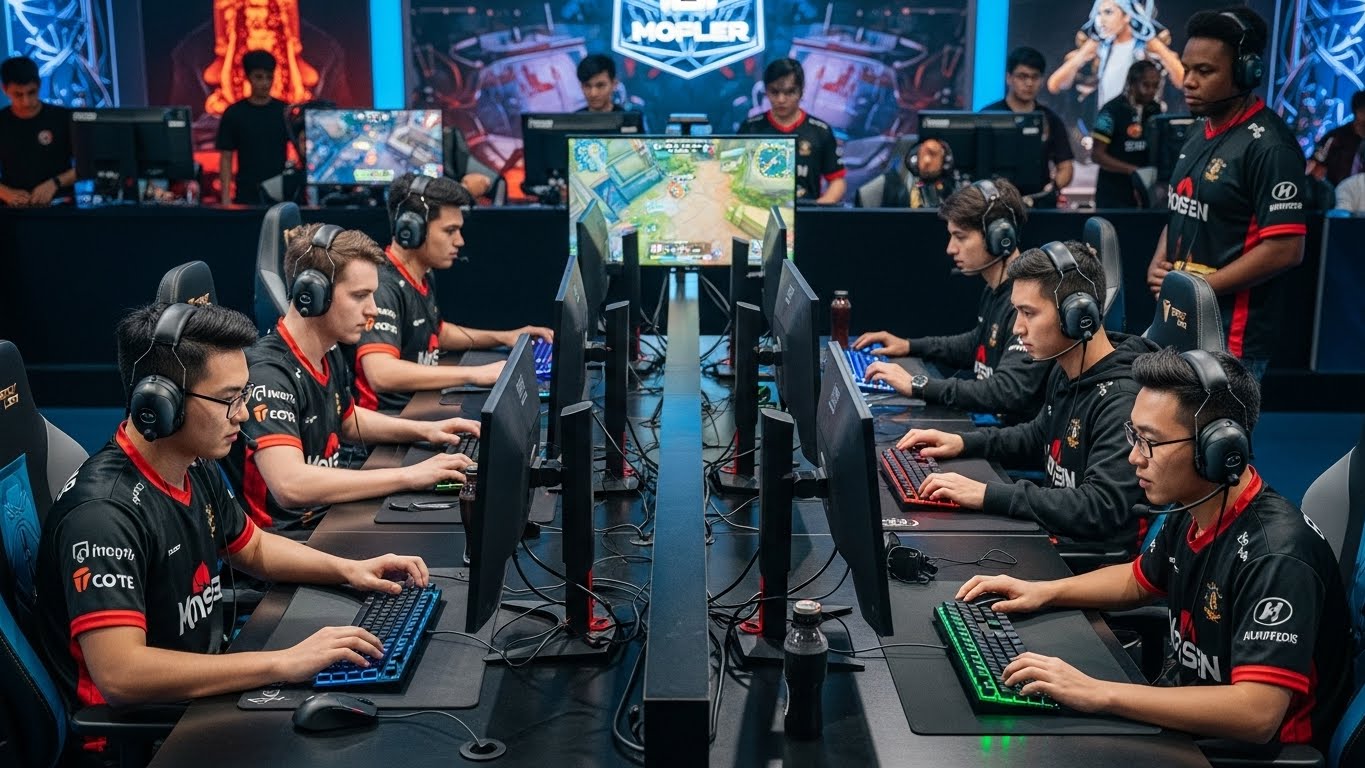
Team-based esports rely heavily on communication and coordination. Technology enables real-time voice chat, tactical planning, and in-game coordination. Tools like Discord, TeamSpeak, and integrated voice systems help players coordinate strategies, call out positions, and execute complex plays seamlessly.
Effective communication technology reduces misunderstandings, improves response times, and enhances overall team cohesion. Teams that invest in reliable communication setups often gain a significant advantage in competitive play.
The Future of Technology in Esports
The role of technology in esports will continue to expand in the coming years. Innovations in virtual reality, augmented reality, and haptic feedback may create entirely new ways to compete and train. Advanced AI coaching, neural performance tracking, and next-generation streaming platforms could redefine performance standards and fan experiences.
As esports grows, technology will not just support performance—it will shape the evolution of competitive gaming itself. Players who adapt to and leverage emerging technologies will have the edge in skill development, strategy, and global competition.
Conclusion: Technology as the Backbone of Esports Excellence
Esports performance today is inseparable from technology. From high-speed hardware and optimized software to data analytics, AI, and wearable devices, technology shapes how players train, compete, and succeed. It provides tools for precision, speed, and strategic insight, enabling athletes to push the boundaries of skill and competition.
In the fast-evolving world of esports, technology is not merely an accessory—it is the backbone of success. Understanding and leveraging these tools is essential for anyone looking to compete at the highest levels, making tech one of the most critical factors in shaping the future of competitive gaming.