Introduction
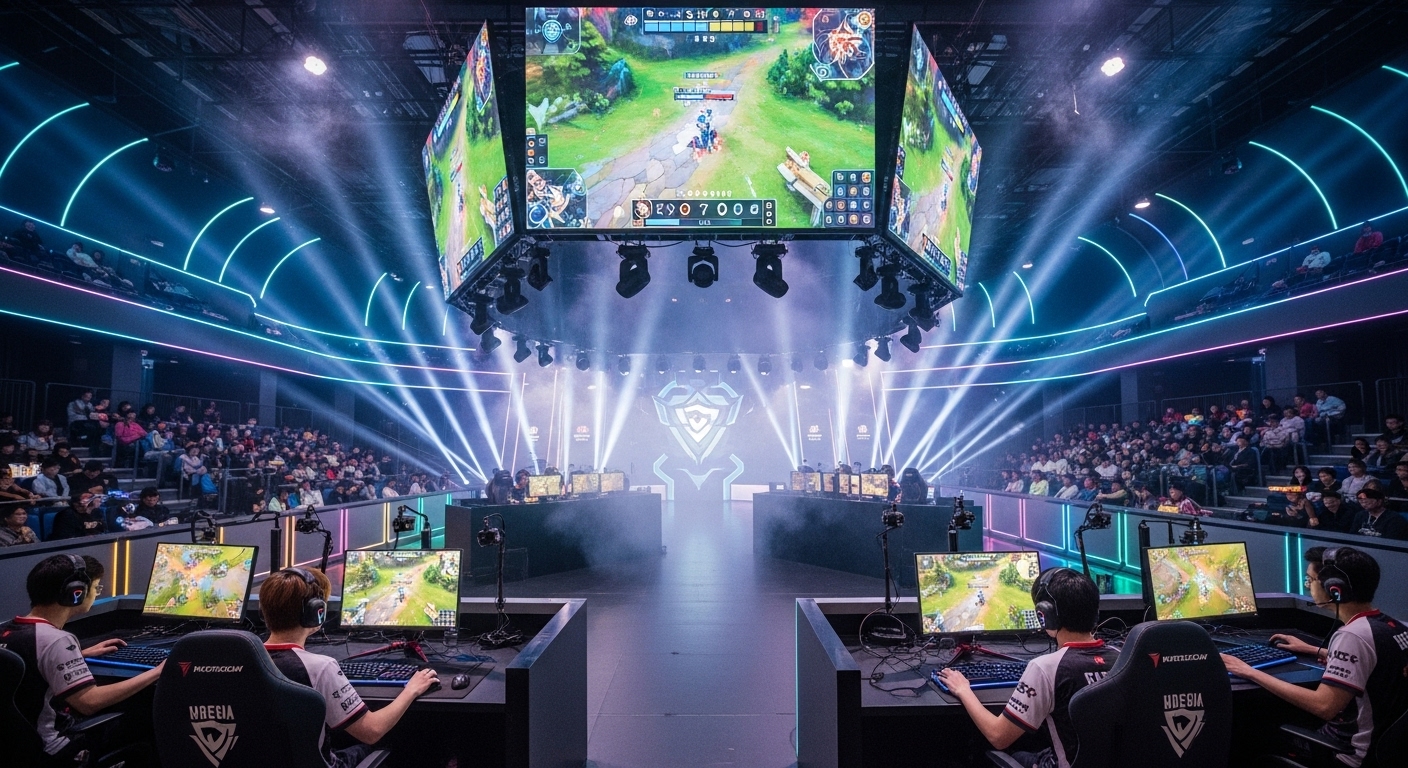
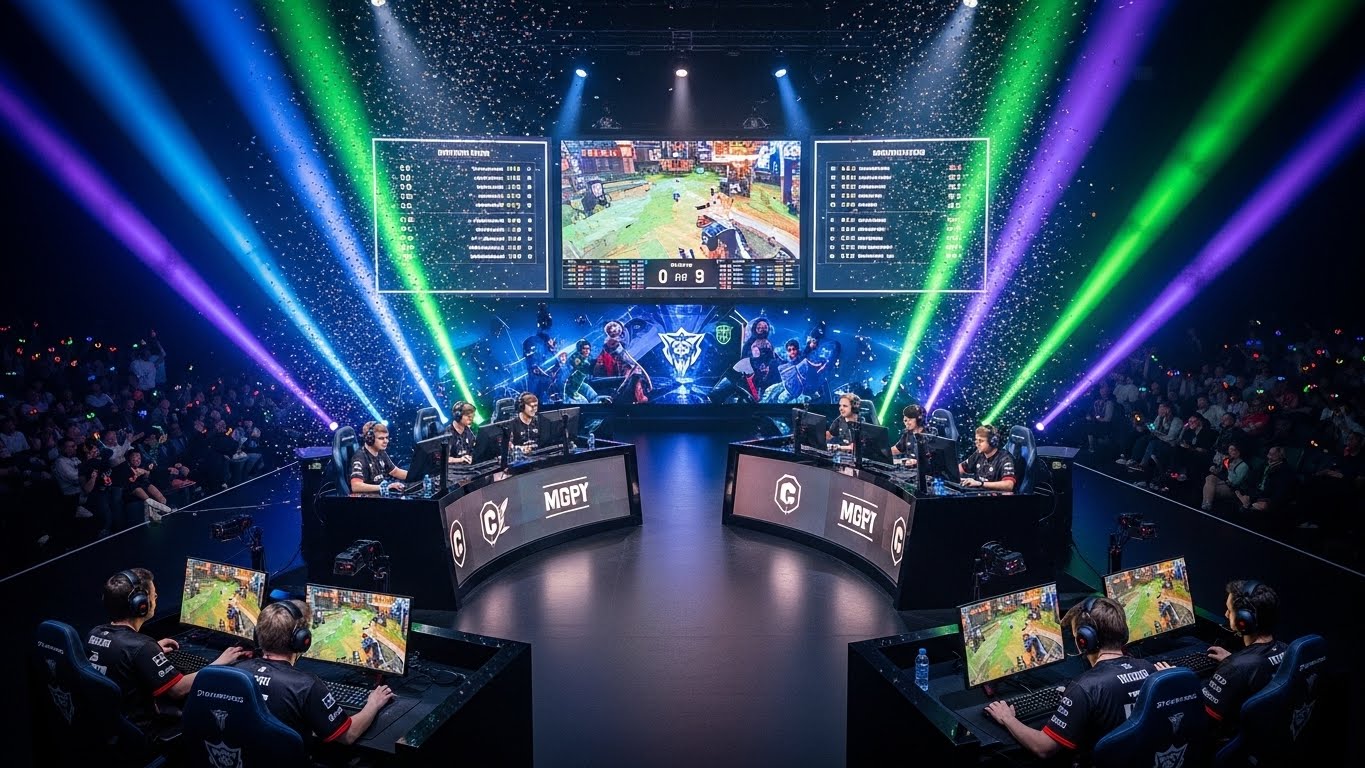
In the span of just two decades, esports has transformed from basement LAN parties into a multibillion‑dollar global industry. Professional players travel the world, teams sign sponsorships, and millions tune in to watch epic showdowns. But beyond flashy tournaments and prize pools, esports represents a shift in how we perceive competition, identity, and the relationship between humans and machines. In this blog post, we’ll dive deep—exploring not just what esports is, but what it means, where it’s headed, and what lies beyond the arena.
1. What Is Esports—and Why It Matters
At its simplest, esports refers to organized, competitive video gaming, often in teams, with spectators and sometimes prize money. But that definition barely scratches the surface. In a world reshaped by technology and connectivity, esports blurs the line between player and spectator, hobby and profession.
Why does it matter?
- Cultural resonance. For many young people, esports is not just a pastime but a shared language, a way of self-expression, and a social anchor.
- Economic potential. Advertising, media rights, merchandising, and sponsorships have turned competitive gaming into a serious commercial ecosystem.
- Technological frontier. Esports pushes hardware, software analytics, network infrastructure, and AI to new limits.
- Sporting legitimacy. Esports is increasingly seen (rightly or wrongly) alongside traditional sports, raising questions about recognition, regulation, and athlete welfare.
In short: esports is not just the future of gaming—it’s an evolving arena where sport, entertainment, tech, and culture intersect.
2. The Building Blocks: Titles, Teams, and Tiers
To understand esports, you must break down its constituent parts.
Game Titles as Ecosystems
Not every video game can be—or wants to be—an esport. A title must have:
- Competitive balance
- High skill ceiling
- Spectator appeal
- Continual updates and developer support
Games like League of Legends, Dota 2, Counter‑Strike, Valorant, and mobile titles like PUBG Mobile or Mobile Legends have all become pillars in their respective communities because they satisfy these criteria.
For instance, in the 2025 Esports World Cup, Valorant was featured as one of the tournament titles, drawing 16 international teams in a group stage and knockout format. Wikipedia
Teams and Organizations
Like traditional sports, esports has clubs and organizations. These organizations sign players (often under contracts), maintain coaching staff, manage branding, handle logistics, and negotiate sponsorships. Many organizations span multiple games. The most successful ones balance competitive ambition with financial sustainability.
League Structure and Tiers
Esports is layered: amateur grassroot leagues, semi‑pro divisions, regional circuits, global tournaments, and more. The tiers exist to funnel talent upward, provide competitive balance, and enable talent scouting.
One notable structure is The International in Dota 2—Valve’s flagship tournament that culminates the season with the top teams from around the world. Wikipedia
Another growing model is national versus club competition. The Esports Nations Cup, debuting in 2026, will pit national teams (not just clubs) in multi‑game contests—introducing a new dimension of identity and competition. Wikipedia
3. The Athlete Behind the Screen
It’s easy to dismiss esports as “just gaming,” but behind every highlight clip lies hours of training, mental toil, and physical stress. Let’s unpack what it takes to be a pro gamer.
Practice, Repetition, Ritual
Top players treat practice like elite athletes. They focus on:
- Mechanics (aim, movement, execution)
- Macro decision‑making
- Map awareness / game sense
- Team coordination and shots
They review replays, analyze mistakes, simulate pressure scenarios, and refine habits.
Physical and Mental Wellness
Esports athletes deal with:
- Eye strain
- Wrist, shoulder, and neck issues
- Fatigue and burnout
- Mental health challenges such as anxiety, performance pressure, or depression
Statistics indicate that more than half of esports players face eye fatigue, and many report musculoskeletal discomfort. Medium
This has led to focus on ergonomics (chairs, monitors, desks), scheduled breaks, physical cross‑training, nutrition, and support for mental health.
Physiological Data & Performance Prediction
Researchers are now integrating sensors and AI to predict player performance. For example, collecting heart rate, movement, facial metrics, and combining those with in‑game data enables advanced models that help coaches and players adjust training. arXiv+1
One study showed that loss of team communication impacts amateurs more than professionals—a sign that elite players are more resilient to in‑game stressors. arXiv
4. Economics, Sponsorship, and the Business of Battle
Esports is more than competition—it’s commerce. From media rights to influencer deals, many forces drive its value.
Revenue Streams
Key revenue channels include:
- Ads and media rights
- Sponsorships (tech brands, energy drinks, apparel)
- Merchandising
- Ticket sales and event revenue
- Streaming subscriptions, donations, and fan monetization
Investment & Valuation
Organizations are raising capital, acquiring teams, and expanding globally. Investors see esports as an entry into youth culture and digital media.
Challenges & Sustainability
But it’s not without peril:
- Overreliance on sponsorships
- Contract disputes and player poaching
- Regional regulation differences
- Game publisher power—titles can change or be decommissioned, shifting entire ecosystems
5. Integrity, Governance, and Ethics
With growth comes scrutiny. Ensuring fair competition in digital sport is more complex than it seems.
Esports Integrity Commission
The ESIC (Esports Integrity Commission) was founded to tackle cheating, match‑fixing, doping, and corruption. Wikipedia
They enforce rules, investigate allegations, and impose sanctions—but face challenges because game publishers, tournament organizers, and teams are fragmented entities.
Gambling, Skins, and Betting
Skin gambling (wagering cosmetic game items) and esports sportsbook betting have raised ethical and legal red flags, especially involving minors. Medium
Developer Control vs Autonomy
Because many esports titles are proprietary, publishers wield enormous power. They can enforce patches, change balance, or even retire championships. Teams and players must adapt or perish.
6. Community, Fandom, and Culture
No esport can survive without a passionate community. Fandom is the oxygen.
Content & Storytelling
Teams and players maintain social media channels, behind‑the‑scenes content, vlogs, and streaming offerings. Personal brands are often more visible than team brands.
Memes, Lore & Identity
Gamers build identity through tags, inside jokes, memes, in‑game style choices, and regional rivalries. These help shape loyalty and belonging.
Grassroots & Local Scenes
Talent and fandom often start locally—small tournaments, gaming houses, student leagues, local streaming channels. These ecosystems feed the upper tiers.
7. The Global Landscape: Regional Differences & Trends
Esports is not monolithic. Regional flavors vary in game preference, monetization, and infrastructure.
Asia-Pacific
Massive mobile gaming markets. High infrastructure density. Big audiences in China, South Korea, Southeast Asia.
North America & Europe
Strong PC and console esports. More developed monetization and branding. More franchise or league-based models.
Emerging Markets
Latin America, Middle East, Africa are growing fast. Less capital but huge youth populations and mobile penetration.
Cross‑Region Tournaments
Tournaments that cross regions (like global championships) both challenge regional idiosyncrasies and offer unity. But region locking, ping issues, and localization remain issues.
8. The Horizon: Where Esports Could Be Heading
What comes next may surprise you.
Esports in Multi‑Sport Events
Esports is being integrated into broader sports events. For example, it will be a competitive discipline at the 2026 Asian Games. Wikipedia
Talk also surrounds the concept of Olympic Esports Games, engaging younger audiences and bringing legitimacy from traditional sports frameworks
New Formats & Hybrid Media
We might see augmented reality (AR) or virtual reality (VR) esports, audience‑interactive formats, or real-time gaming meets narrative storytelling.
AI & Procedural Competition
Imagine AI agents competing or augmenting player decisions. Perhaps simulations or AI coaches become standard. Analytics will mature to the point where patch changes and balance shifts are predicted intelligently.
Decentralized & Player‑Owned Models
With blockchain, NFTs, and decentralized governance, one possible future is leagues or games co‑owned by players or fans. Tokens, governance systems, and fan investment could reshape control.
9. Challenges to Overcome
Even with the promise, esports faces headwinds.
Health & Burnout
Continuous high-pressure play without rest leads to early career burnout. Wellness infrastructure must improve.
Regulation & Standardization
Rules vary by region, game, tournament. Standardizing contracts, transfers, player rights, doping rules is still embryonic.
Publisher Risks
Games can be patched or canceled, destabilizing entire ecosystems that teams and players depend on.
Monetization Saturation
As more content channels and teams fight for attention, attracting sustainable revenue becomes harder.
Ethical Dilemmas
Match fixing, minors in contracts, gambling exposure, data privacy—these are not trivial.
10. Lessons for Aspiring Players, Fans & Entrepreneurs
If you want to enter this space, here are takeaways:
- Start local. Play in regional tournaments. Build skills, reputation, and network.
- Focus on specialization. Pick one game, one role, one meta. Master it.
- Build personal brand. Even small streaming or content creation can open doors.
- Prioritize physical and mental health. Ergonomics, rest, fitness should be part of your regimen.
- Understand legal and contract basics. Whose IP? Who owns rights? What are revenue splits?
- Stay adaptable. The only constant in digital competition is change.
Conclusion
What began as niche competitions among enthusiasts has erupted into a global phenomenon. Esports is no longer a fringe subculture—it’s reshaping how we think about sport, entertainment, identity, and the future of competition.
But its future is neither assured nor linear. It will be shaped by the choices of publishers, teams, regulators, content creators, and fans together. As the arena expands beyond screens into augmented realities and hybrid formats, esports offers not just a new playbook for gaming—but a lens into how our digital and physical selves will compete, collaborate, and evolve.
If you liked this deep dive, I’d be glad to expand with case studies, player interviews, or region‑specific stories. Just let me know.