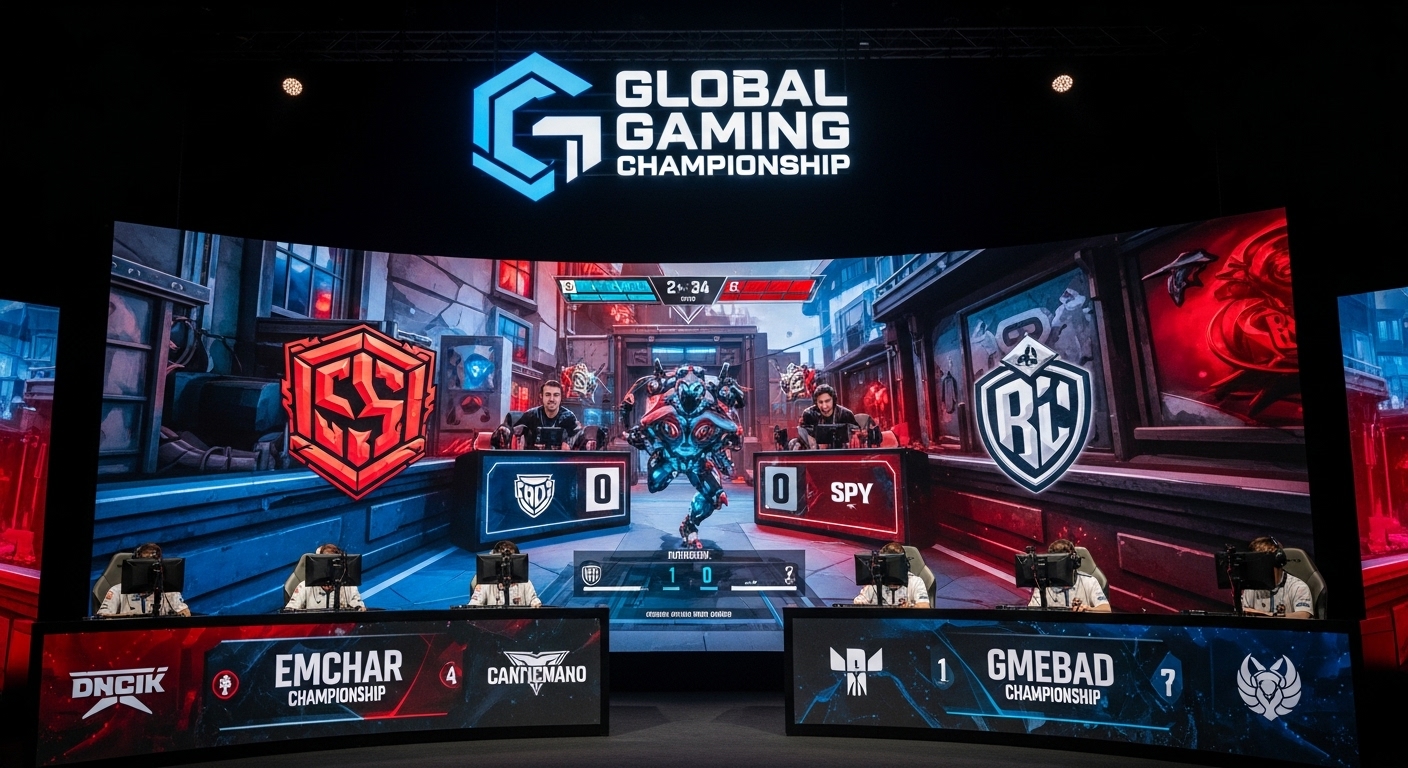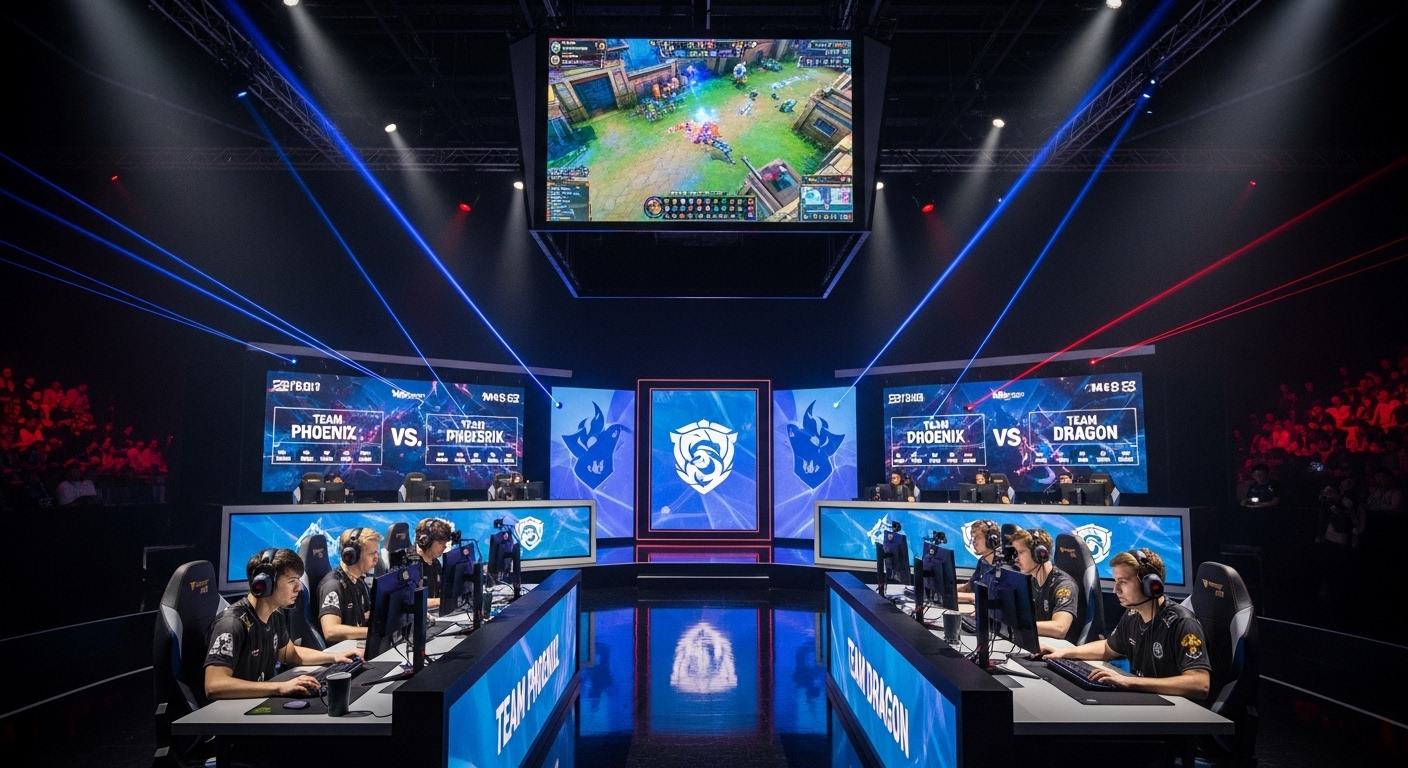

Esports has grown from grassroots tournaments and independent teams into a highly structured, professional industry. One of the most significant developments in this evolution is esports franchising, where teams buy permanent slots in professional leagues, much like traditional sports franchises. Franchising brings stability, long-term investment, and brand-building opportunities, transforming esports into a more sustainable and commercially viable ecosystem.
This blog explores the best examples of esports franchising, examining how these leagues operate, the teams involved, and the impact on the competitive scene.
What Is Esports Franchising?
Franchising in esports is a model where teams pay for a permanent spot in a professional league, rather than qualifying for tournaments through open competition. Key characteristics include:
- Permanent League Spots: Teams are guaranteed participation each season.
- Revenue Sharing: Teams share league-generated revenue from media rights, sponsorships, and merchandise.
- Brand Investment: Teams can build long-term brand identity and fan loyalty.
- Stability for Players: Players benefit from contracts, structured seasons, and professional support.
Franchising creates a sustainable ecosystem similar to traditional sports like the NBA or NFL.
1. Overwatch League (OWL)
The Overwatch League, launched by Blizzard Entertainment in 2018, is one of the most prominent examples of esports franchising.
Key Features:
- Teams are city-based, such as New York Excelsior and London Spitfire.
- Franchising fees reportedly reached tens of millions of dollars per slot in the initial seasons.
- Revenue sharing includes sponsorship, broadcasting, and merchandising deals.
Impact:
OWL established a model for city-based franchises, encouraging local fan engagement and professionalization. The league also emphasized esports as entertainment, with high-quality production and marketing strategies.
2. Call of Duty League (CDL)
Following OWL’s model, Activision Blizzard launched the Call of Duty League in 2020.
Key Features:
- Franchised, city-based teams like Atlanta FaZe and Dallas Empire.
- Teams buy-in for multi-million-dollar slots.
- The league offers structured seasons, playoffs, and championship events.
Impact:
The CDL’s franchising approach provided financial stability for teams and elevated Call of Duty esports to a global, professional level. Players receive consistent salaries, and franchises can invest in brand-building and fan engagement.
3. League of Legends Championship Series (LCS) – Franchising Era
Riot Games transitioned the North American LCS to a franchised model in 2018.
Key Features:
- Teams pay a multi-million-dollar fee for permanent league membership.
- Revenue sharing ensures long-term investment viability.
- Focus on player development, content creation, and fan engagement.
Impact:
Franchising stabilized the LCS ecosystem, reduced team turnover, and encouraged strategic investments in player development and brand marketing. It also aligned the league closer to traditional sports models.
4. League of Legends European Championship (LEC)
The LEC, formerly the EU LCS, adopted franchising in 2019.
Key Features:
- Permanent slots for established organizations like G2 Esports and Fnatic.
- Teams receive support for content creation and fan engagement initiatives.
- Revenue sharing encourages investment in long-term growth.
Impact:
The LEC’s franchising model strengthened the European esports ecosystem, providing stability and attracting sponsors and investors. It also facilitated high-quality production and fan engagement strategies across the continent.
5. Valorant Champions Tour (VCT) – Partnered Circuits
While Riot Games has not fully franchised Valorant globally, the VCT introduces regional partner circuits, functioning similarly to franchises.
Key Features:
- Select organizations gain partner status with guaranteed participation in top-tier events.
- Partners benefit from revenue sharing, marketing support, and exposure.
- Encourages investment in local regions and competitive infrastructure.
Impact:
This model provides stability and incentivizes long-term commitment from teams while promoting growth in emerging markets. It also allows Valorant esports to scale sustainably.
Benefits of Franchising in Esports
Franchising provides multiple advantages for players, teams, and the industry:
- Financial Stability: Guaranteed participation and revenue sharing reduce uncertainty.
- Brand Growth: Teams can develop city-based or organization-based identities.
- Professional Infrastructure: Teams can invest in training facilities, staff, and player welfare.
- Fan Engagement: City-based teams create local pride and community involvement.
- Investor Attraction: Franchising models appeal to long-term sponsors and investors.
These benefits make esports franchising an attractive model for professional growth and commercialization.
Challenges of Esports Franchising
Despite its advantages, franchising comes with challenges:
- High Buy-In Costs: Multi-million-dollar entry fees can limit opportunities for new or smaller organizations.
- Competitive Barriers: Closed leagues reduce opportunities for underdog teams to break into top-tier competition.
- Regional Limitations: City-based models may be less relevant in global esports communities.
- Sustainability Pressure: Leagues must balance franchise fees with fan engagement and competitive integrity.
Addressing these challenges is crucial to ensuring franchising benefits the industry without stifling grassroots competition.
Emerging Franchising Models
Esports franchising continues to evolve, with hybrid and regional approaches emerging:
- Partner Leagues: Organizations secure guaranteed participation while maintaining some open-qualification opportunities.
- Mobile Esports Franchising: Mobile titles in Asia are increasingly adopting franchised league structures.
- Regional Expansion: Franchises are expanding beyond traditional Western markets to Asia, Latin America, and the Middle East.
These models provide flexibility while retaining the stability that franchising offers.
Conclusion
Esports franchising has transformed competitive gaming, introducing stability, professionalism, and investment opportunities. From the Overwatch League to the LCS, CDL, LEC, and VCT partner circuits, franchising demonstrates how structured league models can elevate esports to the level of traditional sports.
By providing guaranteed slots, revenue sharing, and brand-building opportunities, franchising strengthens teams, benefits players, and engages fans. While challenges remain—such as high entry costs and limited open-qualification opportunities—the success of existing franchised leagues illustrates the potential for sustainable, global esports ecosystems.
In the evolving world of competitive gaming, franchising represents a strategic pathway for growth, professionalism, and long-term success, shaping the future of esports for players, organizations, and fans alike.