Not long ago, competitive gaming was dismissed as a niche hobby, confined to arcades and small gatherings of enthusiasts. Fast forward to today, and esports has emerged as a billion-dollar global industry that rivals traditional sports in viewership, sponsorship, and cultural influence. With professional players earning fortunes, arenas filled with cheering fans, and corporations competing for advertising space, esports has proven it is more than just a passing trend. It has become a major force in the global economy, driven by money, fans, and fame.
The Rise of a Digital Sport
Esports refers to competitive, organized video gaming. Titles like League of Legends, Dota 2, Counter-Strike: Global Offensive, and Fortnite have carved out professional circuits where players and teams compete for staggering prize pools. The appeal of esports lies in accessibility. Anyone with an internet connection can play, watch, and engage, creating a seamless link between amateur fans and professional stars.
The rise of streaming platforms such as Twitch and YouTube Gaming accelerated this growth. They gave players direct access to global audiences, while fans could tune in to matches from anywhere in the world. Traditional sports often require expensive stadiums, travel, and broadcasting deals. Esports bypassed many of those barriers with digital platforms, allowing millions of fans to join in virtually for free.
As the industry grew, it attracted investment from venture capital firms, media companies, and even traditional sports organizations. NBA teams, European soccer clubs, and entertainment conglomerates began buying or partnering with esports teams, solidifying its place in mainstream culture.
Where the Money Flows
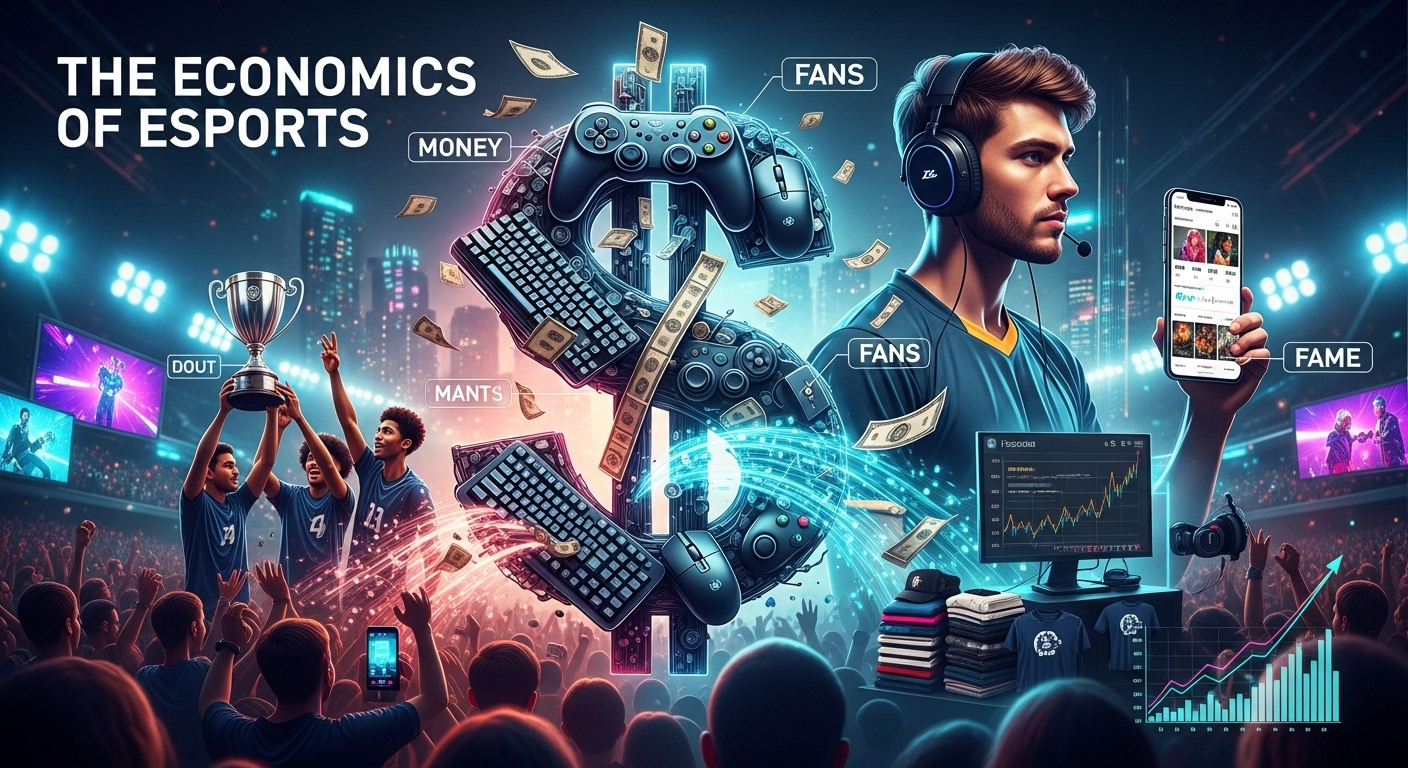
The economics of esports revolves around several key revenue streams: sponsorships, advertising, media rights, ticket sales, merchandise, and prize money.
1. Sponsorship and Advertising
Sponsorship remains the lifeblood of the esports economy. Major corporations, from energy drink brands to tech giants, pour millions into sponsoring teams, tournaments, and players. These partnerships are valuable because esports audiences are young, tech-savvy, and difficult to reach through traditional media. Brands see esports as a gateway to engage with millennials and Gen Z consumers.
2. Media Rights
Much like traditional sports, broadcasting rights are becoming a lucrative part of esports. Platforms pay for exclusive streaming rights to popular tournaments, and broadcasters experiment with packaging esports content for television. As viewership grows, so does the bidding war for rights, creating a more sustainable revenue model for tournament organizers.
3. Merchandise and Tickets
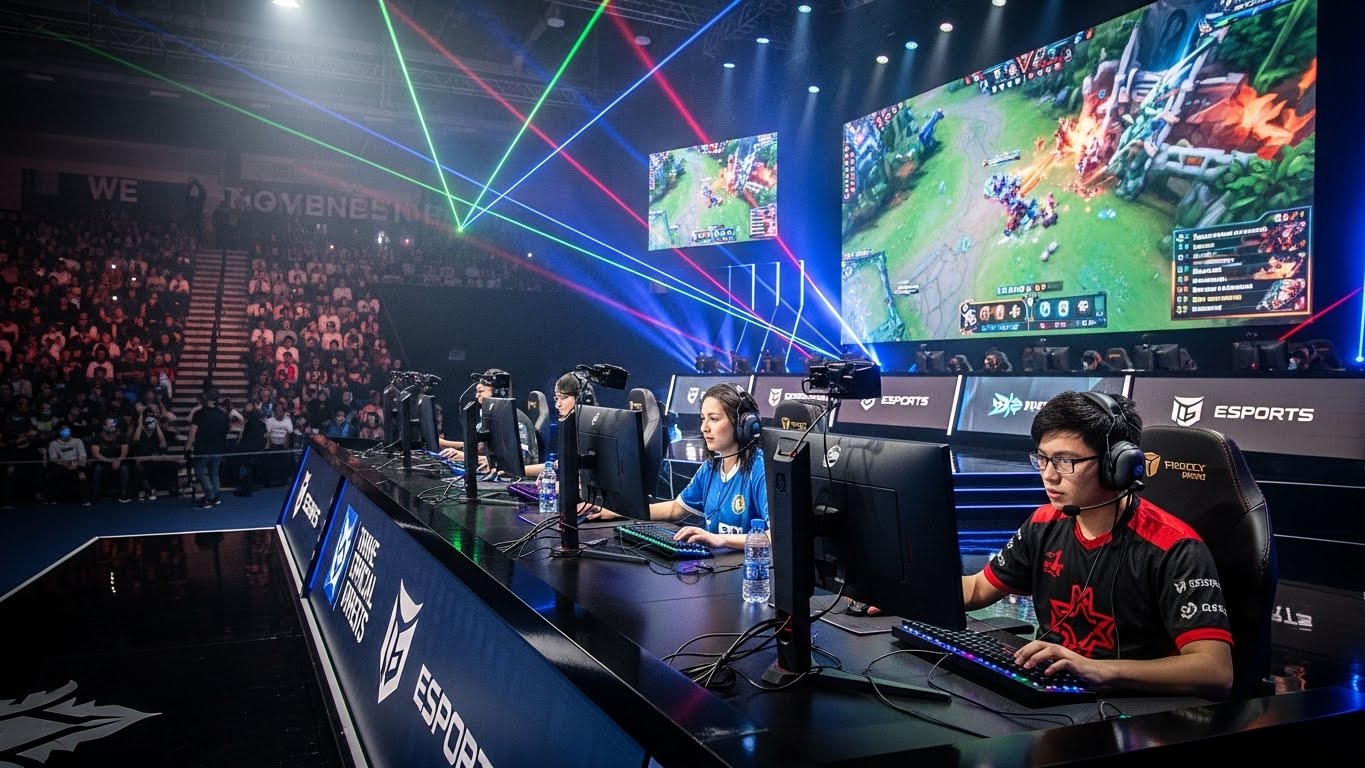
Esports may be digital-first, but physical merchandise has become a vital part of the ecosystem. Jerseys, branded gear, and collectibles provide fans with tangible ways to support their favorite teams. Live events also contribute through ticket sales. Stadiums in cities like Seoul, Los Angeles, and Shanghai regularly sell out for major finals, proving that esports can fill physical arenas just as easily as virtual ones.
4. Prize Pools
Prize money in esports has reached jaw-dropping levels. Tournaments like The International for Dota 2 regularly cross the $30 million mark, making it one of the largest prize pools in all of competitive sports. While prize money draws headlines, it represents only a portion of total earnings for top players, who also benefit from salaries, sponsorships, and streaming revenue.
The Role of Fans
Fans are the engine of esports, and their passion drives the entire industry. Unlike traditional sports where there is a generational handoff of loyalty to teams, esports fandom is built on shared community, online culture, and direct access to players.
Social media and live-streaming allow fans to interact with professional gamers in ways unimaginable in traditional sports. A fan can watch a player compete in a tournament one day and chat with them during a casual live stream the next. This creates a deeper bond between players and their audience, which in turn fuels loyalty and monetization.
Esports fans are also known for their global diversity. A League of Legends fan in Brazil can cheer just as loudly for a Korean team as someone in Seoul. This international fan base not only expands the reach of esports but also makes it attractive to sponsors seeking a global audience.
Fame in the Digital Era
For players, esports is more than just competition—it is a path to fame. Top players like Faker, Ninja, and s1mple are household names within the gaming world, with massive social media followings and lucrative endorsement deals. Their rise highlights how fame in esports differs from traditional celebrity culture.
Unlike movie stars or athletes, esports players build their reputation not just on skill, but also on personality and accessibility. Streaming platforms allow fans to engage with them in real time, blurring the line between celebrity and community member. This accessibility enhances their fame but also brings unique challenges. Players often face intense public scrutiny, burnout, and the pressure of performing not only in tournaments but also in their constant online presence.
Challenges Facing the Industry
Despite its explosive growth, esports still faces hurdles on the economic front.
1. Sustainability of Teams
While top-tier teams thrive, smaller organizations often struggle to stay afloat. The reliance on sponsorship creates volatility, especially during economic downturns when marketing budgets are cut.
2. Player Burnout
The demanding schedules of professional players, who often practice for 10 to 12 hours a day, raise questions about longevity. Careers in esports tend to be shorter than those in traditional sports, with many players retiring in their early twenties. This churn poses challenges for team stability and fan loyalty.
3. Regulation and Governance
Esports lacks a centralized governing body, leading to inconsistent rules, prize distribution issues, and occasional scandals related to cheating or match-fixing. Establishing more structured governance is essential for long-term credibility.
4. Monetization Models
While viewership numbers are massive, translating that into sustainable revenue remains complex. Unlike traditional sports, where ticket sales and broadcasting rights generate significant income, esports still experiments with ways to fully capitalize on its audience.
The Future Outlook
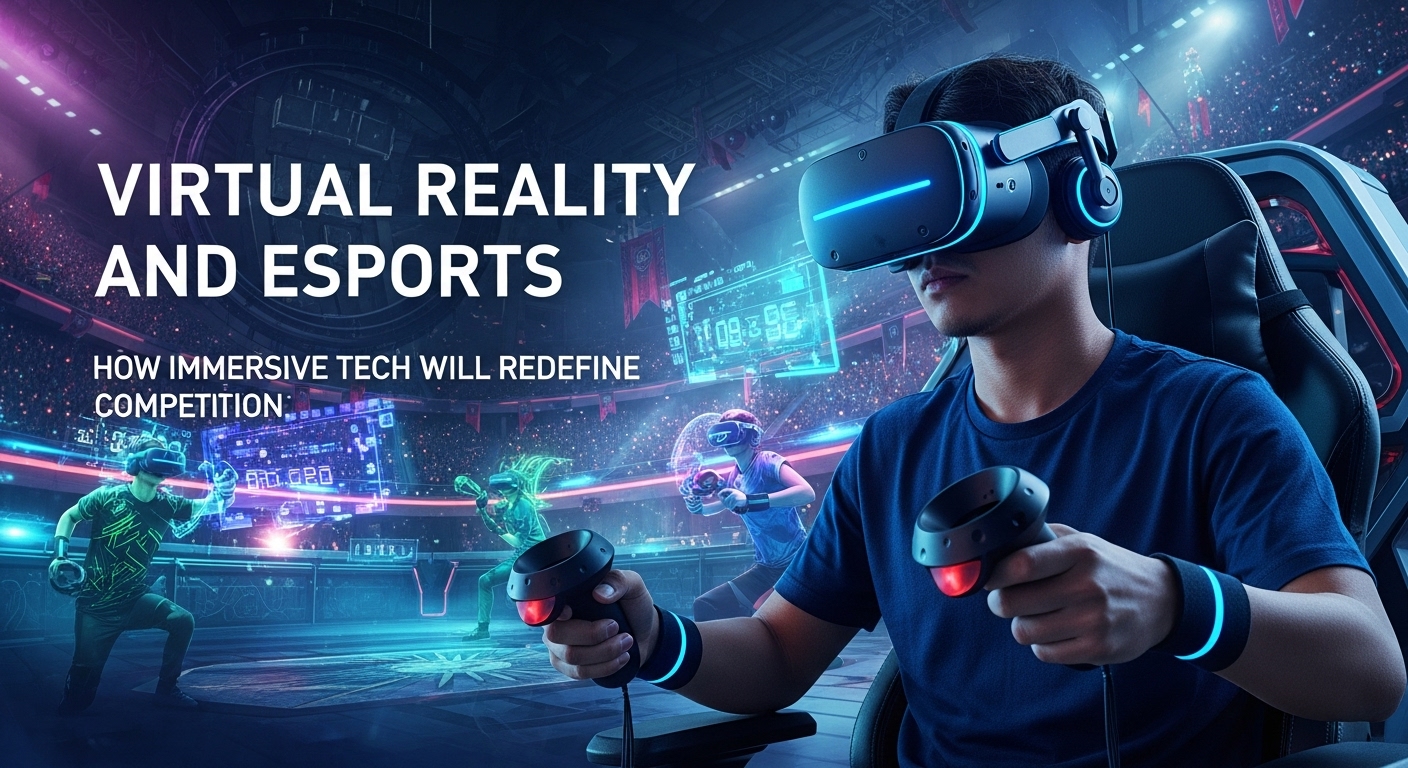
The trajectory of esports shows no signs of slowing down. Analysts project continued growth in revenue and viewership, with estimates pointing toward multi-billion-dollar annual revenues in the near future. Emerging technologies such as virtual reality, augmented reality, and blockchain could reshape how fans interact with games and tournaments.
Educational institutions are also embracing esports. Colleges and universities now offer esports scholarships, and high schools integrate esports clubs, legitimizing the industry further. Meanwhile, governments in countries like South Korea and China actively invest in esports infrastructure, cementing their role as global leaders.
As esports matures, the balance between money, fans, and fame will continue to define its path. Players will push for fairer contracts and better working conditions, while organizations seek more stable revenue streams. Fans, with their boundless enthusiasm, will remain the heartbeat of the industry.
Conclusion
The economics of esports is a dynamic mix of money, fans, and fame. It has transformed from a subculture into a mainstream industry that commands global attention. While challenges exist, the passion of fans, the innovation of players, and the involvement of major corporations ensure that esports will remain a powerful force in entertainment and business.
What began as a pastime in bedrooms and arcades has become a global phenomenon, proving that the world of competitive gaming is not just about playing—it is about shaping the future of sports and culture itself.