Introduction
Esports, or competitive gaming, has evolved from a niche hobby into a worldwide cultural and economic powerhouse. What began as casual competitions among friends in arcades or living rooms has transformed into professional leagues, multimillion-dollar tournaments, and a career path for countless aspiring gamers. Today, esports commands audiences that rival traditional sports, with millions watching tournaments live online and in arenas around the world.
This blog explores the history, ecosystem, cultural impact, and economic significance of esports, while also examining the challenges and opportunities the industry faces. By understanding esports in depth, we can appreciate why it has become an essential part of modern entertainment and digital culture.
Early Beginnings of Competitive Gaming
The roots of esports can be traced back to the late 1970s and early 1980s, when video games became popular in arcades. Players would compete for high scores on machines like Space Invaders and Pac-Man, and local competitions became social gatherings that fostered early gaming communities. While these competitions were informal, they introduced the concept of players challenging each other for prestige and recognition.
The introduction of home gaming consoles and personal computers expanded the reach of competitive gaming. Multiplayer games allowed players to test their skills beyond physical locations, and early online networks facilitated connections across regions. These developments laid the groundwork for the future of organized competitive gaming.
The Emergence of Professional Esports
The late 1990s and early 2000s saw competitive gaming evolve into a professional field. The rise of games like StarCraft, Counter-Strike, and Warcraft III created a need for organized tournaments and leagues. Players began forming teams, practicing intensively, and even signing contracts that offered salaries and prize money.
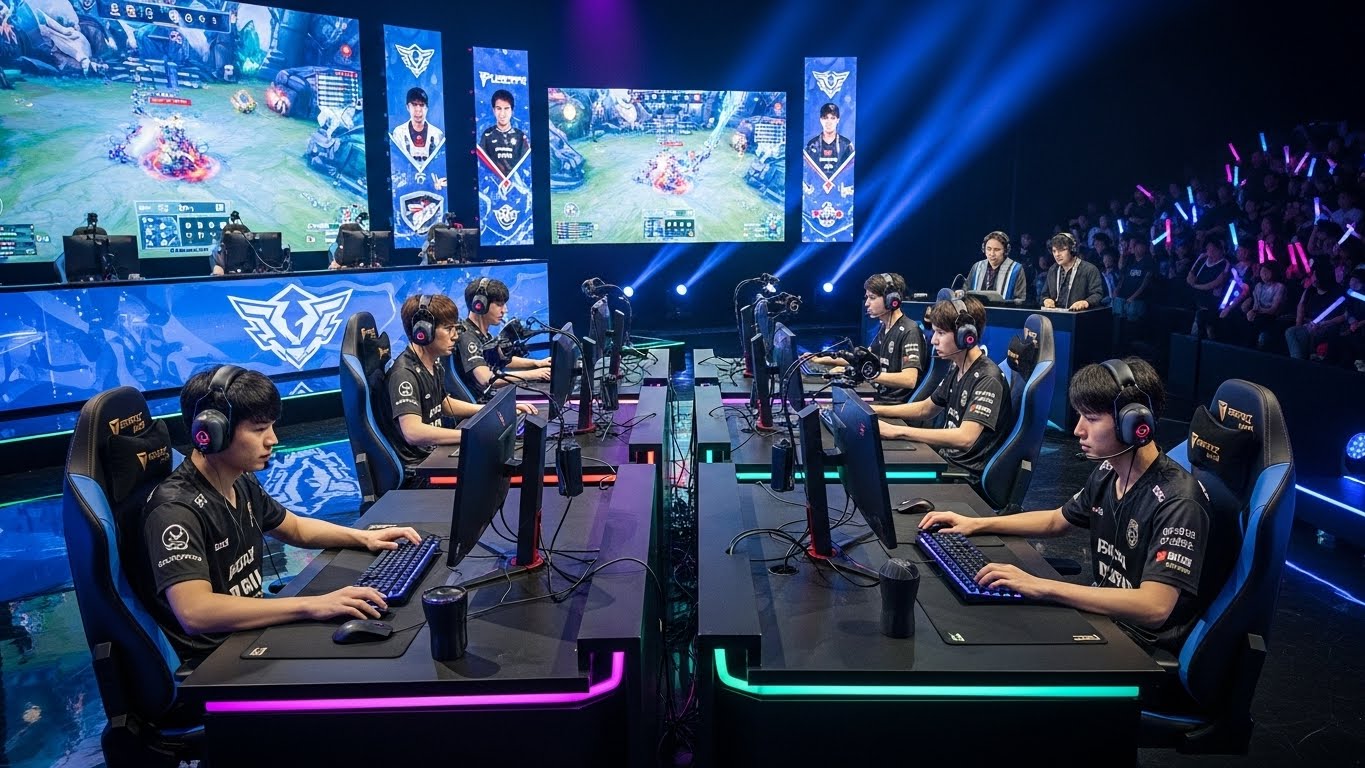
Professional esports introduced structure and legitimacy to competitive gaming. Events were produced with commentary, live audiences, and broadcasting, making esports an entertainment spectacle. This era marked the transformation of esports from a hobby into a career path for talented individuals.
The Esports Ecosystem
The esports ecosystem is a complex network of players, teams, coaches, event organizers, sponsors, broadcasters, and fans. Each component is critical to the industry’s growth and sustainability.
Players remain the focal point, dedicating hours to training, strategy development, and mental and physical fitness. Behind them are coaches and analysts who fine-tune gameplay strategies and monitor performance.
Teams manage branding, marketing, and operations while securing sponsorships that provide financial support. Sponsors recognize the value of esports audiences, particularly their engagement and digital literacy. Fans fuel the ecosystem through viewership, merchandise purchases, and active participation in online communities.
Cultural Impact and Global Reach
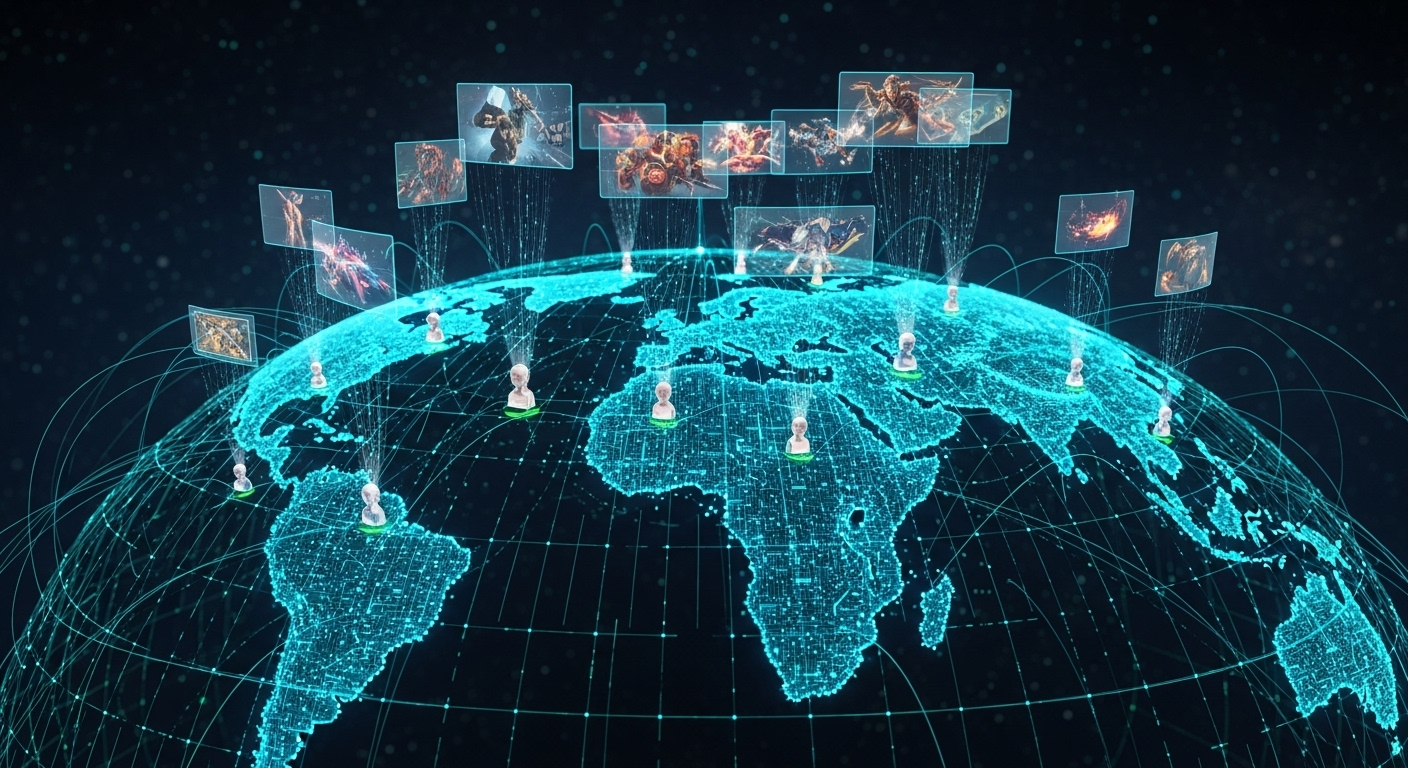
Esports is more than competition; it has become a cultural movement. It connects people from different countries and backgrounds, creating a global community united by shared passion. International tournaments like the League of Legends World Championship or The International in Dota 2 highlight the diversity and competitive spirit of players worldwide.
Esports has influenced fashion, language, music, and online culture. Gamers and esports personalities have become cultural icons, inspiring millions of fans and shaping digital trends. For young people, esports represents not only entertainment but also identity, aspiration, and social belonging.
Unlike traditional sports, esports thrives in a digital-first environment, making it especially relevant for younger generations. Its inclusivity allows individuals from various social and economic backgrounds to participate, either as players, content creators, or fans.
Technology Driving Esports
Technology is at the core of esports, enabling competition, viewership, and community engagement. High-performance computers, gaming consoles, fast internet connections, and sophisticated software have made professional gaming possible on a global scale. Improved graphics, responsive controls, and immersive gameplay experiences elevate competitive gaming beyond casual play.
Broadcasting technology has redefined how esports is consumed. Platforms allow live streaming with real-time commentary, statistics, and interactive features that enhance engagement. Fans can analyze gameplay in detail, interact with players, and feel a part of the competitive experience.
Emerging technologies like virtual reality, augmented reality, and artificial intelligence have the potential to further revolutionize esports. These tools may create new ways to play, spectate, and interact with games, expanding the industry’s reach and innovation.
Economic Growth and Career Opportunities
Esports is a thriving economic ecosystem. Revenue streams include sponsorships, advertising, media rights, merchandise, and ticket sales for live events. Major corporations and investors have recognized esports as a profitable industry, fueling its rapid growth and legitimizing competitive gaming as a career path.
Beyond professional players, esports creates diverse career opportunities in areas like event management, broadcasting, marketing, game development, coaching, and content creation. Universities and institutions now offer courses in esports management and production, preparing students for careers in this dynamic industry.
For young people, esports represents a modern career option where skill, creativity, and dedication are highly valued. While competitive opportunities are intense, the industry rewards talent, strategy, and perseverance.
Challenges Facing the Industry
Despite its success, esports faces several challenges. Player burnout is a significant concern, as intense training schedules and high-pressure competitions can impact mental and physical health. Organizations are implementing wellness programs, but more efforts are needed to ensure long-term sustainability.
Regulation and governance are also critical challenges. The lack of standardized rules across games and regions can result in disputes and unfair practices. Developing consistent frameworks for contracts, player rights, and tournament rules is essential for credibility.
Additionally, community management is a constant challenge. Toxic behavior and harassment can deter newcomers and harm the industry’s image. Promoting inclusivity and positive engagement is key to maintaining a healthy and growing esports ecosystem.
The Future of Esports
Esports has tremendous potential for continued growth and innovation. Technology will continue to shape how games are played and watched, and collaborations with traditional sports, entertainment, and education sectors may become more common.
Grassroots development is critical for nurturing the next generation of esports talent. Investment in local tournaments, training programs, and youth engagement can ensure diversity and sustainability.
Esports is more than a passing trend; it reflects a shift in how competition, entertainment, and community are experienced in a digital world. Its adaptability and global appeal suggest it will remain a major cultural and economic force for years to come.
Conclusion
Esports has journeyed from humble arcade beginnings to a global phenomenon that influences culture, technology, and economy. Its success is fueled by passion, innovation, and digital connectivity. Understanding its history, ecosystem, and challenges provides insight into why esports captivates millions worldwide.
As esports continues to grow, it will redefine competition, entertainment, and community in ways that transcend traditional boundaries. From controllers to global glory, esports represents a new era of digital culture and human creativity.