Esports has grown from a niche hobby into a global phenomenon, captivating millions of players and fans worldwide. What started as casual gaming among friends has evolved into a professional ecosystem with leagues, tournaments, sponsorships, and highly skilled players. Today, esports is recognized as a legitimate form of competition, blending technology, strategy, and entertainment into a unique cultural force.
Understanding Esports
Esports, or electronic sports, refers to organized competitive video gaming. Players or teams compete in structured environments with specific rules, aiming to outperform opponents. Unlike casual gaming, esports demands dedication, strategic thinking, and high-level skills. Competitions range from local tournaments to international championships, often attracting massive online and live audiences.
What distinguishes esports from traditional sports is its digital nature. Players interact within virtual worlds, yet the pressure, intensity, and excitement rival physical sports. Winning requires not only technical skill but also teamwork, adaptability, and mental endurance.
The Origins of Competitive Gaming
The roots of esports stretch back to the late 20th century. Early competitions focused on arcade games and high-score challenges. Players gathered in small tournaments, often in arcades or local gaming centers, to test their skills. These early competitions laid the groundwork for organized esports, cultivating a passionate gaming culture.
With the rise of home computers and internet connectivity in the 1990s, multiplayer gaming became possible across regions. Games like StarCraft, Quake, and Counter-Strike introduced competitive online play, creating early professional gaming communities. This period marked the transition from casual gaming to structured esports competition.
The Global Expansion of Esports
Over the years, esports has grown into a worldwide industry. Professional teams emerged, leagues were established, and tournaments offered significant prize money. What was once informal competition transformed into a structured ecosystem with contracts, coaching staff, and sponsorship deals.
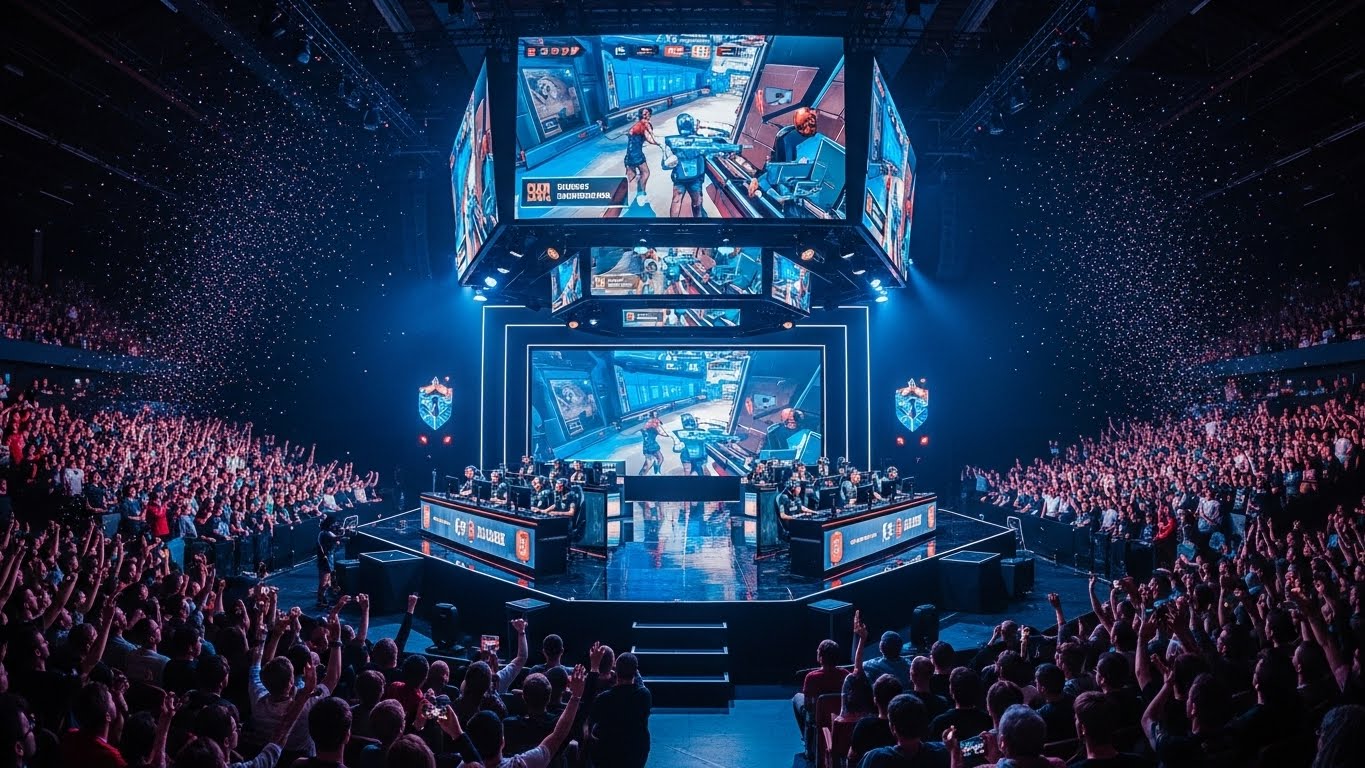
Major esports events now fill arenas and attract millions of viewers online. Teams have fan bases comparable to traditional sports franchises, and players are celebrated as celebrities. Esports’ global expansion reflects the intersection of technology, entertainment, and culture, establishing it as a legitimate professional pursuit.
Popular Esports Game Genres
Esports encompasses a variety of game genres, each with unique challenges and audience appeal. Multiplayer online battle arenas (MOBAs) like League of Legends and Dota 2 require strategic planning, teamwork, and map control. First-person shooters such as Counter-Strike: Global Offensive and Valorant emphasize precision, reflexes, and quick decision-making.
Fighting games, including Tekken and Street Fighter, focus on individual skill, timing, and psychological awareness. Sports simulation games replicate real-world athletic competitions digitally, appealing to fans of traditional sports. Battle royale and sandbox games offer dynamic challenges and collaborative experiences, attracting younger audiences and fostering online communities.
Skill, Training, and Discipline in Esports
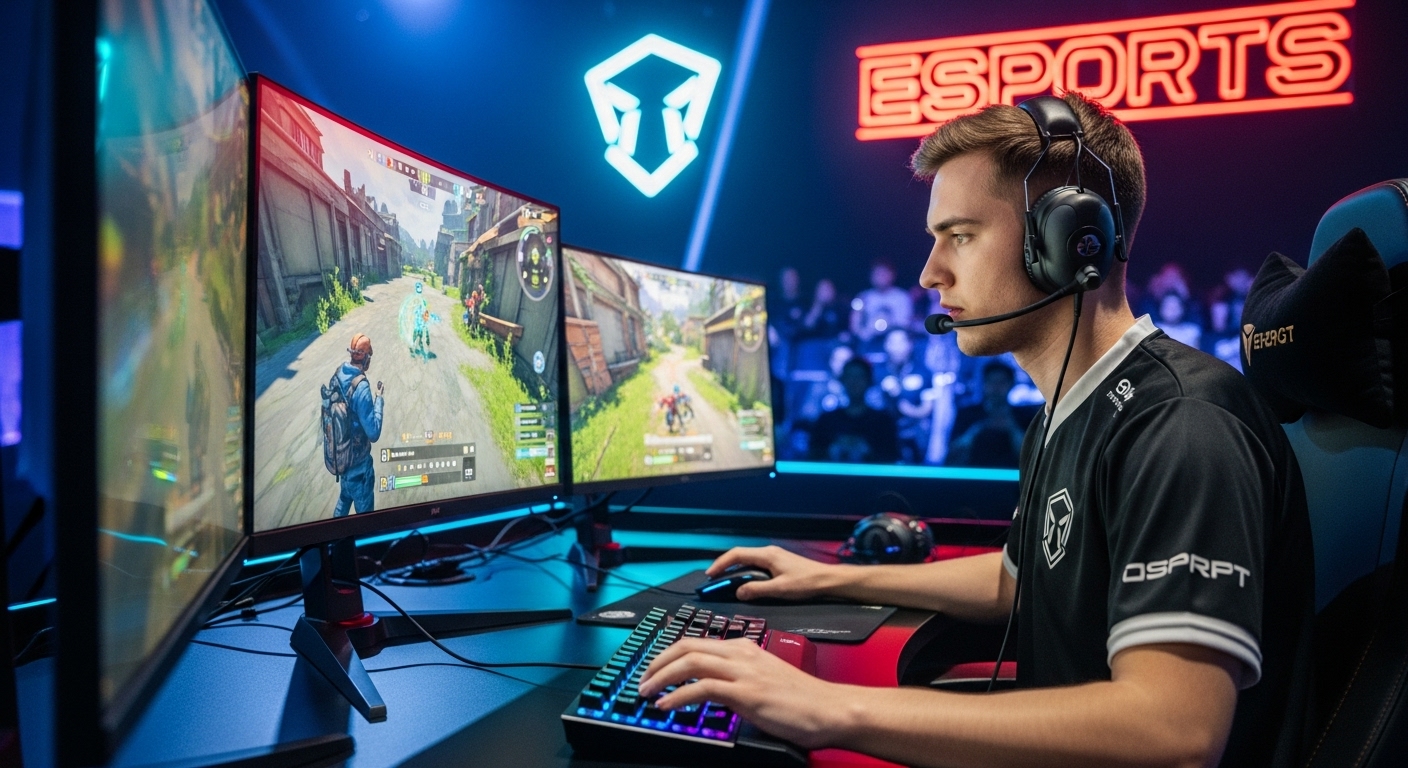
Esports players are highly trained professionals. Success demands rigorous practice, often spanning several hours daily, to perfect mechanics, strategies, and teamwork. Training involves studying opponents, analyzing gameplay, and refining skills consistently.
Mental discipline is equally important. Players must maintain focus during long matches, adapt quickly to unexpected situations, and perform under intense pressure. Emotional control, resilience, and decision-making under stress often determine outcomes in top-tier competitions.
The Role of Teams and Coaching
Many esports games are team-based, emphasizing coordination and communication. Professional teams operate similarly to traditional sports organizations, with coaches, analysts, and managers supporting player development. Coaches help improve strategy, team dynamics, and mental preparedness, while analysts study gameplay trends and opponents’ weaknesses.
Team chemistry is crucial for success. Even highly skilled individuals may struggle without trust, clear communication, and shared objectives. Strong leadership and collaboration often differentiate championship teams from the rest.
Spectatorship and Fan Engagement
Esports has cultivated a massive global audience. Fans watch competitions live, follow favorite teams, and engage in discussions across forums and social media. Esports spectatorship is highly interactive, allowing viewers to connect with players, commentators, and fellow fans in real-time.
Live events and online streaming create excitement and a sense of community. International tournaments, such as the League of Legends World Championship and The International, unite players and audiences from around the world, fostering global engagement and cultural exchange.
Economic Impact of Esports
Esports has become a multi-billion-dollar industry. Revenue comes from sponsorships, advertising, media rights, ticket sales, and merchandise. Professional players earn income from salaries, tournament winnings, and brand endorsements.
Beyond players and teams, esports supports diverse careers. Event organizers, broadcasters, content creators, and technical specialists all contribute to the ecosystem. The economic growth of esports highlights its significance as a professional industry and a driver of innovation.
Career Opportunities Beyond Playing
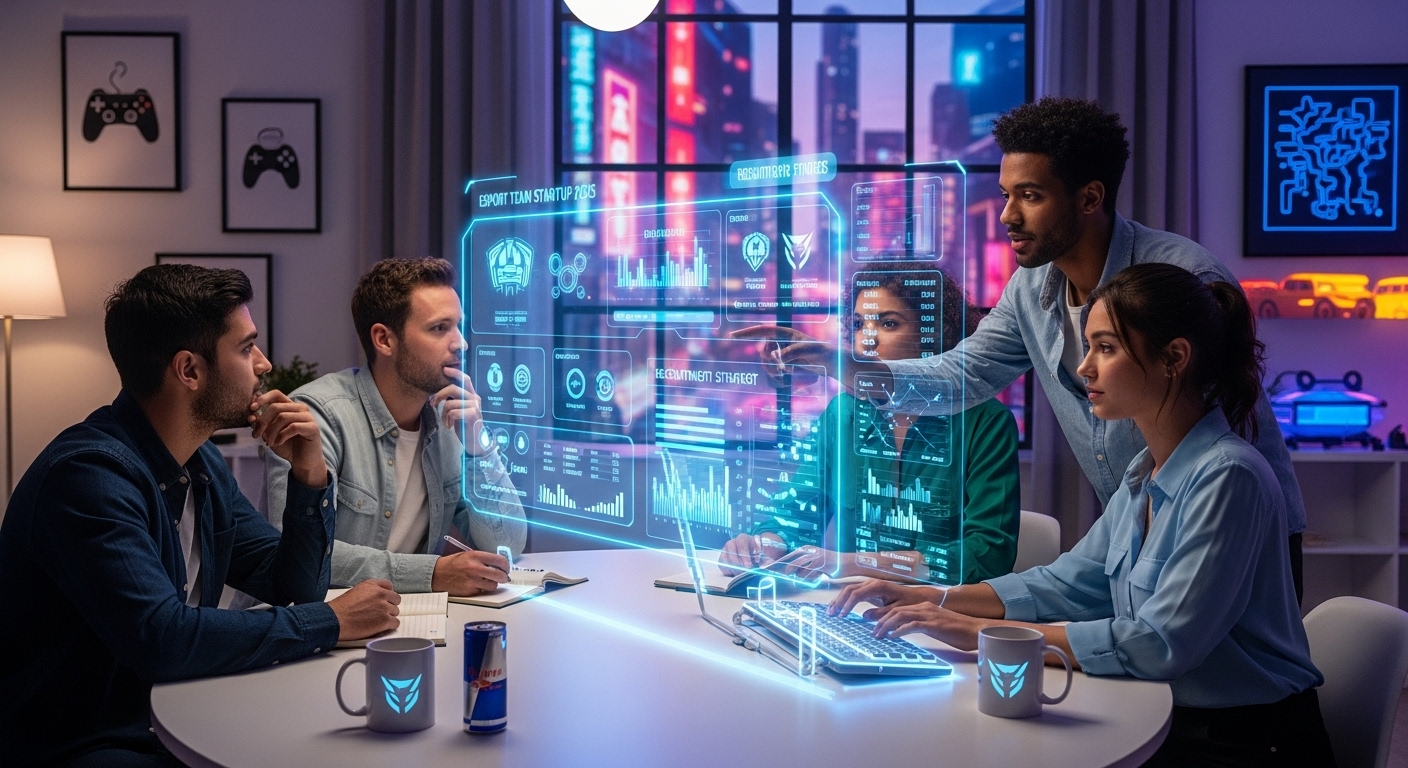
Esports offers many career paths beyond competing professionally. Coaching, commentary, content creation, game design, marketing, and event management are essential roles within the industry. Former players often transition into these positions, leveraging their experience and expertise.
Esports careers also promote entrepreneurship, as many individuals develop personal brands, create streaming channels, or launch gaming-related businesses. This diversity ensures the industry remains dynamic and sustainable.
Education and Skill Development
Educational institutions are increasingly integrating esports programs to foster skill development. Participation teaches teamwork, communication, problem-solving, and strategic thinking—skills that are transferable to other professional fields.
Structured programs also provide mentorship, competitive experience, and academic support. They help students balance competition with education, preparing them for careers in technology, media, or esports-related industries. Esports is recognized not only as competition but also as a tool for personal growth and skill development.
Inclusivity and Accessibility in Esports
Esports has the potential to be highly inclusive. Physical strength, height, and age are less limiting compared to traditional sports. Individuals from diverse backgrounds can compete equally, provided they have access to technology and training.
Efforts to increase diversity continue. Women’s leagues, mixed-gender competitions, and accessibility initiatives aim to create inclusive environments for all players. Inclusivity strengthens the community and ensures the long-term growth of esports worldwide.
Challenges Facing the Esports Industry
Despite rapid growth, esports faces challenges. Player burnout, mental health concerns, and the short career span of professionals remain critical issues. Competitive pressure and long hours can take a toll on physical and emotional well-being.
Regulatory inconsistencies, fair play concerns, and ethical considerations regarding sponsorships and monetization also require attention. Addressing these challenges responsibly is essential for the sustainability and credibility of the industry.
The Future of Esports
The future of esports is bright and filled with innovation. Emerging technologies such as virtual reality, cloud gaming, and artificial intelligence will enhance gameplay, training, and fan engagement. New competitive formats and game genres will continue attracting diverse audiences.
Esports is expected to integrate further with mainstream culture, education, and traditional sports industries. As digital competition becomes more widely accepted, esports will shape perceptions of skill, entertainment, and community worldwide.
Conclusion: Esports as a Cultural and Competitive Force
Esports represents a new era of competition. It combines technology, strategy, and passion, creating a form of sport that resonates with a global digital generation. From small local tournaments to massive international championships, esports proves that skill, teamwork, and perseverance can transcend physical boundaries.
As the industry grows, esports will continue to inspire players, engage fans, and create professional opportunities. It is not just a trend or entertainment medium; it is a transformative cultural force that defines modern competitive gaming and shapes the future of digital sports.