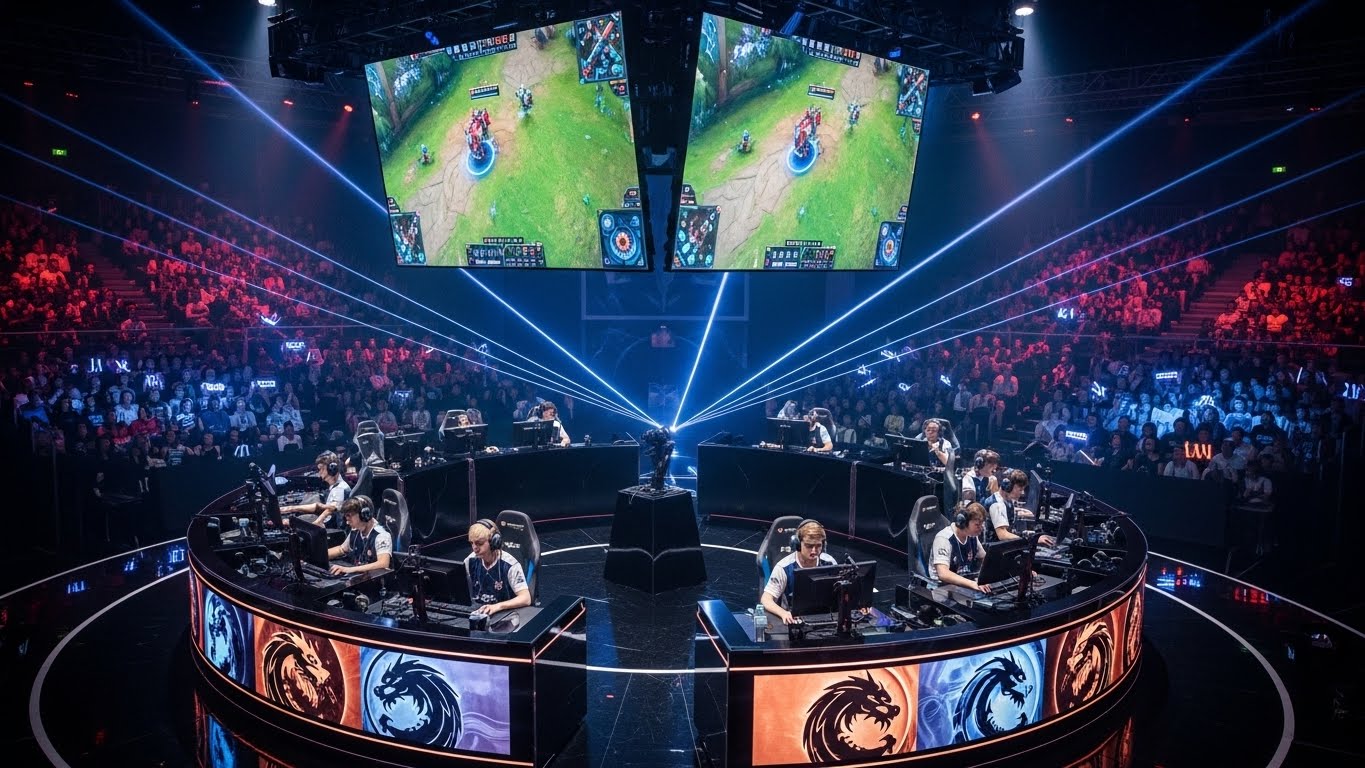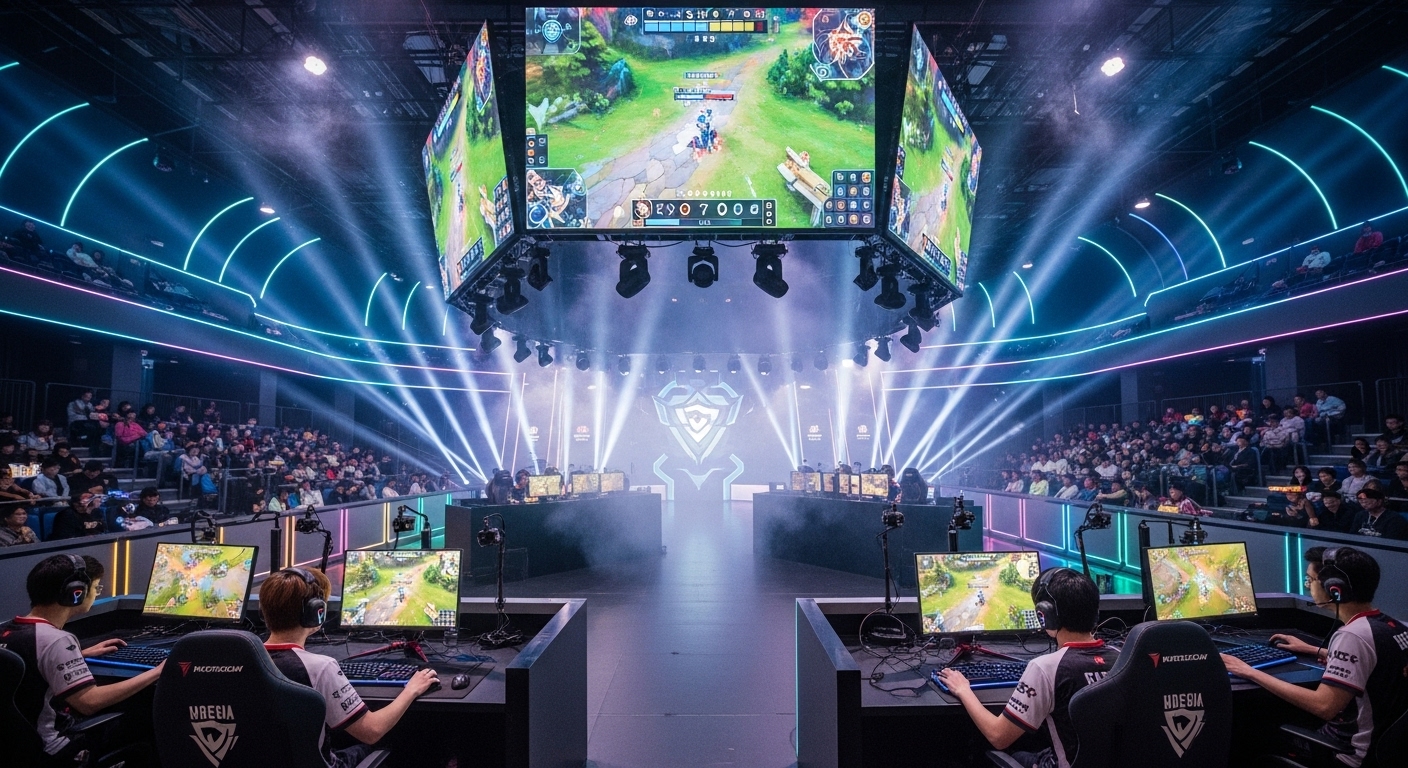
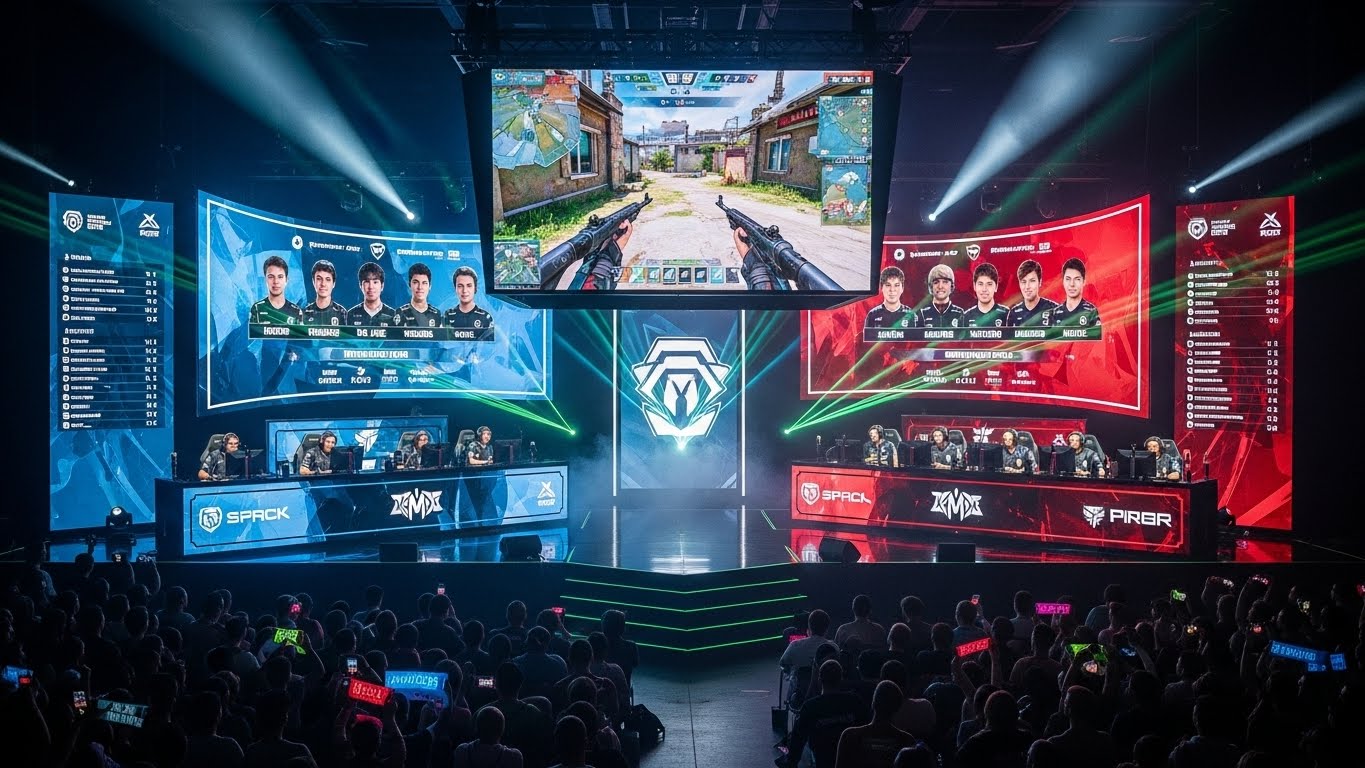
Esports has grown from a niche hobby into a global phenomenon that captivates millions of players and fans worldwide. Once considered a pastime reserved for gamers, competitive gaming now stands alongside traditional sports, boasting professional leagues, international tournaments, and a multi-billion-dollar industry. Esports is not merely a form of entertainment; it is a cultural movement, a professional career path, and a technological marvel. This blog post explores the origins, impact, and future of esports, highlighting why it has become an essential part of modern society.
The Origins of Esports
The concept of competitive gaming dates back to the late 1970s and 1980s when video games first became widely available. Early arcade competitions allowed players to challenge each other for high scores, creating local communities of gamers. Titles like Space Invaders, Pac-Man, and Donkey Kong laid the groundwork for competitive gaming culture.
The 1990s marked the beginning of organized esports competitions, particularly in fighting games and strategy-based games. Street Fighter tournaments and Quake competitions became popular among dedicated players, often attracting regional attention. These early events were foundational, establishing the competitive spirit and community engagement that continue to define esports today.
With the advent of the internet in the early 2000s, competitive gaming expanded to a global scale. Online multiplayer games such as Counter-Strike, StarCraft, and Warcraft III allowed players to compete internationally, forming leagues, teams, and online communities. This period also saw the emergence of live streaming platforms, providing fans with a way to watch and engage with professional players, a crucial step in turning esports into a spectator sport.
Understanding the Structure of Esports
Esports is organized much like traditional sports, with professional leagues, teams, tournaments, and governing bodies. Popular esports titles include first-person shooters, multiplayer online battle arenas, real-time strategy games, and sports simulation games. Each genre has its own competitive structure, ranking system, and professional ecosystem.
Professional teams operate with coaches, analysts, and support staff, developing strategies, training regimens, and performance analyses. Players practice rigorously, often dedicating eight to twelve hours per day to mastering their skills. High-level competitions offer substantial prize pools, sometimes exceeding millions of dollars, attracting the best talent from around the world. Fans engage with matches through live streams, commentary, and interactive platforms, making esports a highly immersive spectator experience.
The Physical and Mental Demands of Esports
Esports requires more than just dexterity with a controller or keyboard; it demands exceptional mental and physical discipline. Professional players must maintain excellent hand-eye coordination, reflexes, and reaction time. Repetitive training helps build muscle memory, ensuring precision during fast-paced matches. Physical fitness is also crucial, as long hours of gameplay can lead to strain, fatigue, and health issues if not managed properly.
Mental strength is equally important. Players must make quick decisions, adapt strategies on the fly, and maintain focus under intense pressure. Communication, teamwork, and leadership are essential in team-based games, while solo competitions require strategic thinking, patience, and resilience. The combination of physical and cognitive demands demonstrates that esports is far more than recreational gaming—it is a high-performance activity that requires dedication and discipline.
The Role of Streaming and Digital Platforms
Streaming platforms have transformed esports from a private activity into a global spectacle. Platforms like Twitch and YouTube Gaming allow millions of viewers to watch professional matches in real time. Streamers often provide live commentary, interact with fans, and showcase gameplay techniques, creating an immersive entertainment experience.
Content creation has become a vital component of esports culture. Professional players, influencers, and enthusiasts share tutorials, highlight reels, and behind-the-scenes content, engaging audiences beyond live competitions. Streaming and content creation have also made esports more accessible, enabling aspiring players to learn, practice, and connect with global communities. The rise of digital platforms has cemented esports as a major entertainment and social phenomenon.
Career Opportunities in Esports
The growth of esports has created numerous career opportunities beyond professional gaming. Players can earn substantial income through tournament winnings, sponsorships, streaming, and merchandise sales. Coaches, analysts, and team managers contribute to the development and performance of professional teams. Event organizers, commentators, and content creators help expand the reach and appeal of esports, making it a multi-faceted industry.
Esports also intersects with education. Many universities now offer esports programs, scholarships, and academies to train students in game strategy, teamwork, and media management. This professionalization has legitimized esports as a career path, challenging traditional perceptions of gaming and providing a structured environment for aspiring athletes to thrive.
Cultural Impact of Esports
Esports is more than competition; it is a cultural movement that transcends age, gender, and geography. Gaming communities unite individuals with shared passions, creating a sense of identity and belonging. Professional players often become global icons, influencing fashion, music, and social trends. Major tournaments attract fans from around the world, transforming events into cultural celebrations similar to traditional sports championships.
Esports also promotes inclusivity and diversity. Players from various backgrounds collaborate, compete, and share experiences, fostering connections across cultures and societies. This cultural significance is particularly evident among younger generations, who view gaming as a central part of social life and identity formation.
The Global Esports Industry
The esports industry has expanded into a multi-billion-dollar global market. Tournaments like the League of Legends World Championship, Dota 2’s The International, and the Fortnite World Cup draw millions of viewers and offer prize pools exceeding millions of dollars. Sponsorships from technology companies, apparel brands, and entertainment firms provide financial support and visibility, while media rights and broadcasting agreements further monetize the industry.
The global nature of esports ensures that audiences and revenue are not confined to one region. Players from Asia, Europe, and North America regularly compete on international stages, creating a truly interconnected ecosystem. This global reach highlights esports as a modern form of entertainment that combines competition, community, and commerce.
Challenges and Ethical Considerations
Despite its success, esports faces challenges and ethical considerations that must be addressed. Professional players often experience stress, burnout, and mental health issues due to high expectations and long training hours. The industry also contends with cheating, unethical sponsorship practices, and concerns about accessibility and inclusivity.
Addressing these issues is crucial for the long-term sustainability of esports. Initiatives that promote mental health, fair play, and equal opportunities are essential to maintain the integrity of the industry. Creating supportive environments for players, organizers, and fans ensures that esports can grow responsibly while remaining competitive and engaging.
Esports and Education
Esports is increasingly being integrated into education as a tool for learning and skill development. Schools and universities offer programs that teach strategic thinking, teamwork, communication, and digital literacy through gaming. Competitive gaming encourages students to develop problem-solving skills, critical analysis, and resilience, which are transferable to real-world scenarios.
Scholarships and educational programs provide opportunities for students to pursue esports professionally while gaining academic credentials. This intersection of education and competitive gaming highlights the potential of esports as both an entertainment medium and a developmental tool for personal growth.
The Future of Esports
The future of esports is bright, with technological innovations and increasing global recognition driving growth. Virtual reality, augmented reality, and artificial intelligence will likely redefine gameplay, training, and audience engagement. Esports is expected to become more immersive, interactive, and accessible, allowing fans to experience competitions in entirely new ways.
Professionalization and mainstream acceptance will continue to elevate esports. Collaboration with traditional sports leagues, growth in media coverage, and the expansion of educational programs will reinforce its position as a major cultural and economic force. As esports evolves, it will not only entertain but also shape social interaction, career opportunities, and global community connections.
Conclusion
Esports represents a revolution in competition, culture, and entertainment. From its humble beginnings in arcades to its current status as a multi-billion-dollar industry, esports has transformed how people play, watch, and engage with games. It combines physical skill, mental discipline, teamwork, and strategy, making it a high-performance activity that transcends traditional notions of gaming.
Beyond the game itself, esports fosters communities, cultural exchange, and professional opportunities. It challenges stereotypes, encourages diversity, and provides a platform for innovation and creativity. As technology advances and global interest continues to grow, esports is poised to remain a defining feature of the digital age, shaping the future of entertainment, education, and competition.
Esports is more than a pastime; it is a movement, a career, and a cultural phenomenon that proves skill, strategy, and passion can thrive in both virtual and real-world arenas. Its rise signifies a new era of competition, where the digital frontier offers limitless possibilities for players, fans, and the global community.