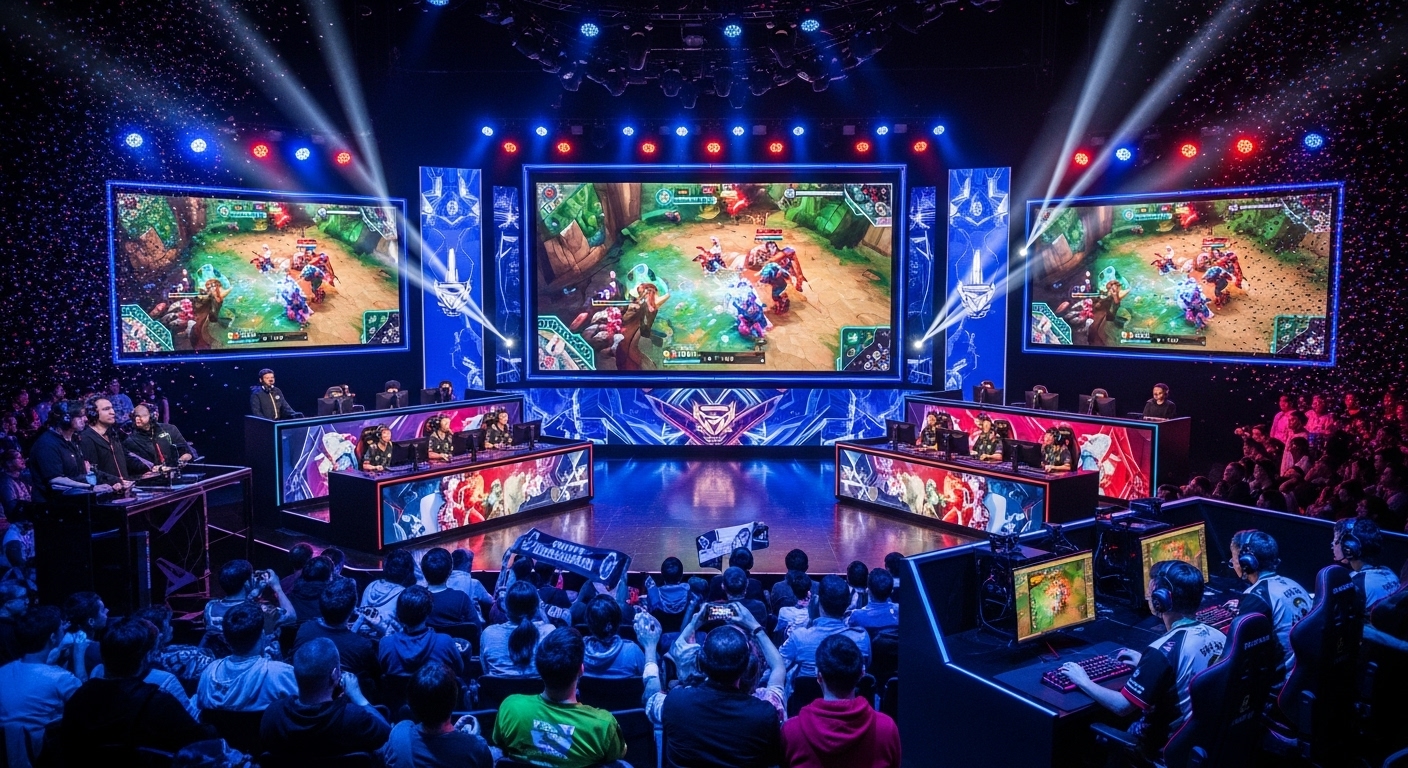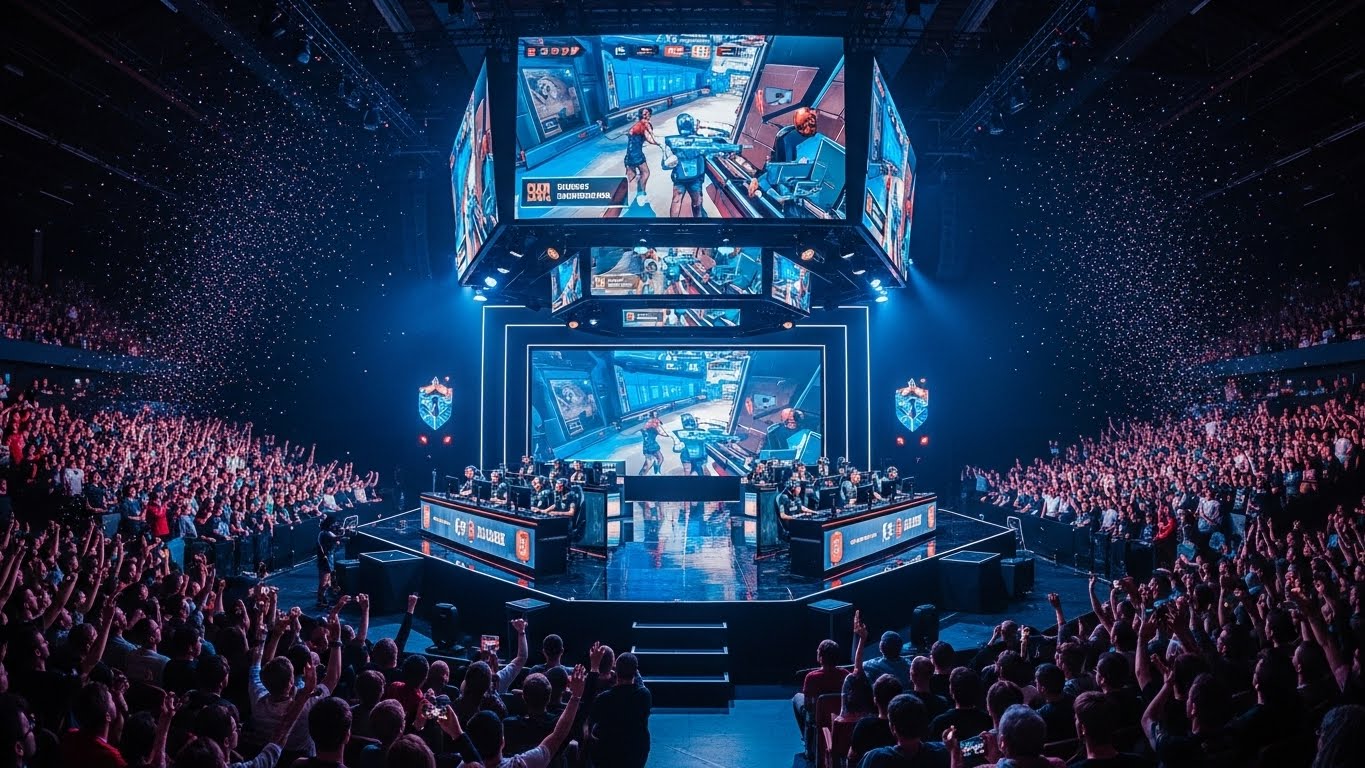
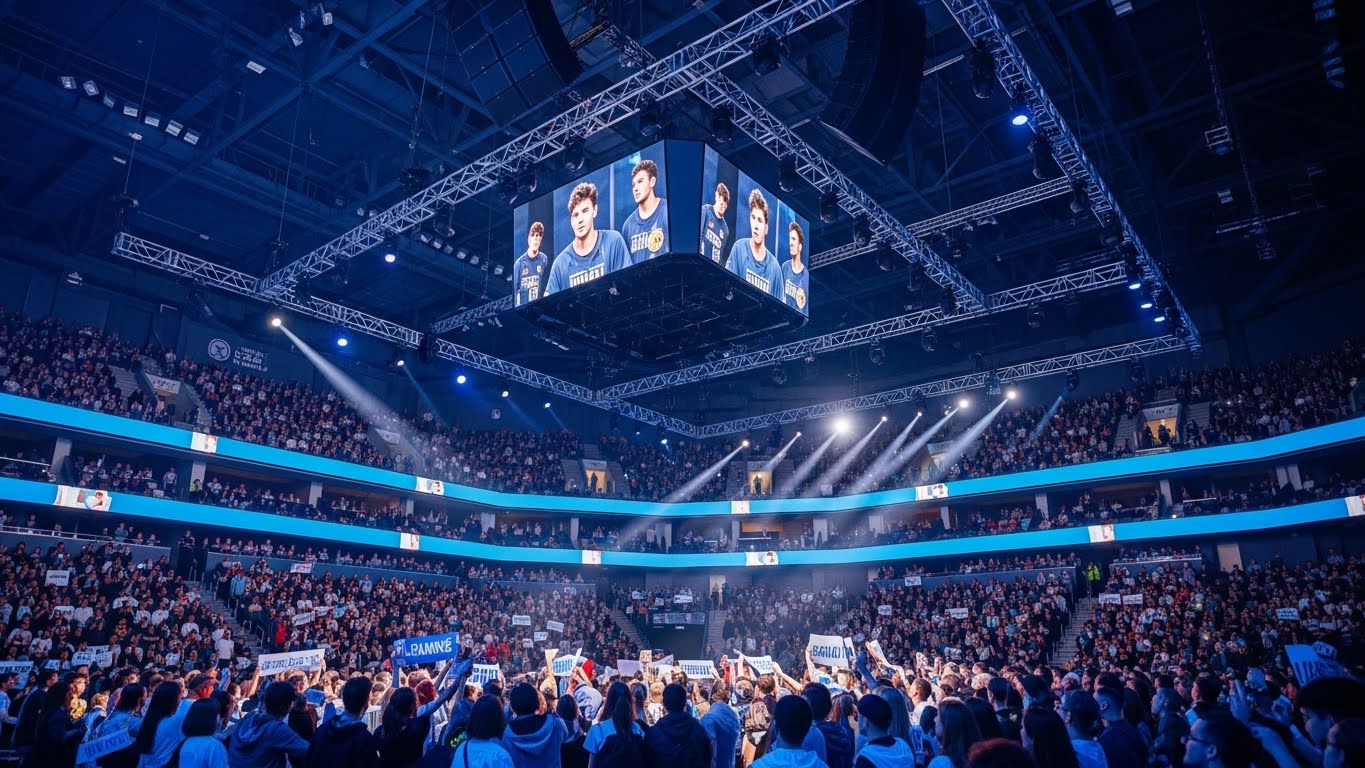
Introduction: Understanding the Esports Boom
In the past decade, esports has evolved from a niche hobby into a global powerhouse. What was once considered a subculture of gamers has grown into a multi-billion-dollar industry, drawing millions of spectators, players, and media coverage. Esports, short for “electronic sports,” refers to competitive video gaming, where professional players and teams compete in organized tournaments for prizes, sponsorships, and fame. Today, esports is no longer confined to the gaming community but has spread its roots across mainstream culture, entertainment, and even academia.
This rise of esports is not a random phenomenon, but rather a result of technological advancements, cultural shifts, and the increasing popularity of video games. From humble beginnings as LAN parties in college dorms to major international tournaments with global audiences, the growth of esports is nothing short of extraordinary. In this blog post, we will explore the factors behind the rise of esports, its impact on the entertainment industry, the culture surrounding it, and what the future holds for this booming sector.
The Origins of Esports: From Casual Competitions to Organized Leagues
The roots of esports trace back to the early days of video gaming. In the 1970s and 1980s, arcade games like Space Invaders and Pong allowed players to compete for high scores, sparking the competitive spirit. However, it wasn’t until the late 1990s and early 2000s that esports as we know it began to take shape. The advent of online multiplayer games like StarCraft and Quake allowed players from different regions to face off, and tournaments like the Red Annihilation (1997) and the World Cyber Games (2000) started to bring together players on a global scale.
The early 2000s also saw the birth of esports organizations and sponsorships, with major game publishers, like Blizzard Entertainment and Riot Games, recognizing the potential for competitive gaming to become a spectacle. StarCraft and Warcraft III tournaments in South Korea, for example, garnered significant media attention, setting the stage for professional esports leagues to emerge. By 2011, Riot Games launched League of Legends, which quickly became one of the most influential games in the esports landscape. The development of esports franchises and tournaments like the League of Legends Championship Series (LCS) and Dota 2’s The International set new standards for competitive gaming.
Technology: The Driving Force Behind Esports Growth
A critical factor behind the rapid expansion of esports has been the evolution of technology. High-speed internet connections, powerful gaming hardware, and streaming platforms have played a significant role in making esports accessible and enjoyable for players and spectators alike.
The advent of faster internet speeds enabled players to compete with each other in real-time, regardless of geographic location. This allowed esports to transcend national boundaries and fostered a global competitive environment. Furthermore, the development of high-performance gaming PCs, consoles, and peripherals made it possible for players to engage in highly competitive matches with minimal technical limitations.
Streaming platforms like Twitch and YouTube Gaming have also played a massive role in the rise of esports. These platforms provide fans with live broadcasts of tournaments, gameplay, and behind-the-scenes content, giving esports a unique and direct connection to its audience. Viewership of major tournaments has skyrocketed in recent years, with millions tuning in to watch the finals of games like League of Legends, Counter-Strike: Global Offensive, and Fortnite. The accessibility of streaming has also made it easier for aspiring players to build personal brands and for organizations to attract sponsors and fans.
Esports: A New Form of Entertainment
Esports has transitioned from being a niche interest to a mainstream form of entertainment. The popularity of esports has even led to partnerships with traditional sports organizations and broadcasters. Major networks like ESPN and TNT have aired esports events, while brands like Coca-Cola, Intel, and Mercedes-Benz have signed lucrative sponsorship deals with esports teams and tournaments.
One of the key factors driving the mainstream appeal of esports is its interactivity. Unlike traditional sports, esports allows fans to participate in a more personal and immersive way. Viewers can interact with their favorite streamers, vote on in-game content, and follow their favorite teams as they progress through seasons and tournaments. The level of engagement that esports offers is unparalleled, making it a unique and dynamic entertainment experience.
Moreover, the global appeal of esports means that tournaments are watched across different continents, languages, and cultures. Events like The International, League of Legends World Championship, and Overwatch League have become international spectacles, drawing in viewers from every corner of the world. The large-scale, multi-day tournaments bring together not just players, but entire communities of fans, commentators, analysts, and creators, all contributing to the excitement.
The Business of Esports: Sponsorships, Investment, and Revenue Models
Esports is not just a form of entertainment—it’s a serious business. The economic impact of esports is immense, with the industry generating billions of dollars annually through various revenue streams. One of the largest sources of revenue comes from sponsorships, with major brands investing heavily in esports teams, events, and players. This influx of corporate sponsorships has provided a significant boost to the industry, enabling esports organizations to operate at a high level of professionalism.
In addition to sponsorships, ticket sales for live tournaments and merchandise sales contribute significantly to the esports economy. The rise of esports-centric merchandise, such as team jerseys, gaming peripherals, and exclusive in-game content, has created a whole new market for both fans and collectors. Digital items and skins—virtual products that can be bought and sold in games like Counter-Strike: Global Offensive and League of Legends—are also a major revenue stream for developers and players.
Media rights and streaming services also play a critical role in the business model of esports. Major tournaments now sell media rights to broadcasters, and platforms like Twitch, YouTube, and Facebook Gaming have become essential for the distribution of content. With millions of active users watching live streams of their favorite games, the revenue generated from advertisements, subscription models (such as Twitch’s affiliate and partner programs), and donations has made streaming a viable career for gamers and content creators.
The Culture of Esports: A Community Like No Other
One of the most striking aspects of esports is the culture surrounding it. Unlike traditional sports, which often emphasize physical prowess, esports is deeply rooted in digital culture and online communities. Gamers have created a rich and diverse culture that celebrates teamwork, competition, strategy, and skill.
The esports community is incredibly inclusive, with players from all walks of life coming together over their shared love of gaming. Online forums, Discord servers, and social media platforms like Twitter and Reddit allow fans to engage with one another, share content, and discuss strategies. Esports fans are known for their passion and loyalty to their favorite teams and players, often going above and beyond to support them during tournaments.
In addition, esports has fostered a new wave of influencers and content creators. Players, streamers, and casters (commentators) have become celebrities in their own right, with massive followings on platforms like Twitch, YouTube, and Instagram. These influencers help build hype around tournaments, promote brands, and share their experiences with fans. This culture of “content creation” and community engagement has contributed to the rapid growth of esports as a social phenomenon.
The Future of Esports: What Lies Ahead?
As esports continues to grow, its future looks incredibly promising. The industry is expected to reach even greater heights, with the possibility of esports becoming as popular as traditional sports in terms of viewership and cultural significance. In fact, some analysts predict that esports will eventually surpass the viewership of major sports leagues such as the NFL and NBA, especially among younger audiences.
Several factors point to a bright future for esports. First, the continued development of virtual reality (VR) and augmented reality (AR) technologies may revolutionize the way esports is experienced, providing players and spectators with more immersive and interactive experiences. Second, the growing presence of esports in educational institutions, with schools and universities offering scholarships and esports programs, may help legitimize and normalize esports as a career path for younger generations.
Additionally, esports’ global appeal and the increasing number of mobile games entering the competitive scene mean that esports will become even more accessible to players and viewers across the world. Games like PUBG Mobile, Mobile Legends, and Free Fire are already attracting massive audiences, particularly in regions like Southeast Asia and Latin America, which were previously underrepresented in the esports space.
Conclusion: The Esports Revolution is Just Beginning
The rise of esports has been nothing short of revolutionary. What started as a niche pastime for a small group of gamers has transformed into a cultural and economic juggernaut. With massive investments, global tournaments, passionate fans, and a thriving ecosystem of players, teams, and influencers, esports is now a key player in the entertainment industry.
Esports has proven that competitive gaming is not just a passing trend but a legitimate and thriving part of modern culture. As the industry continues to evolve and innovate, we can only expect it to grow even bigger in the coming years. For gamers, fans, and entrepreneurs alike, the esports world offers endless opportunities, and the future is brighter than ever before.