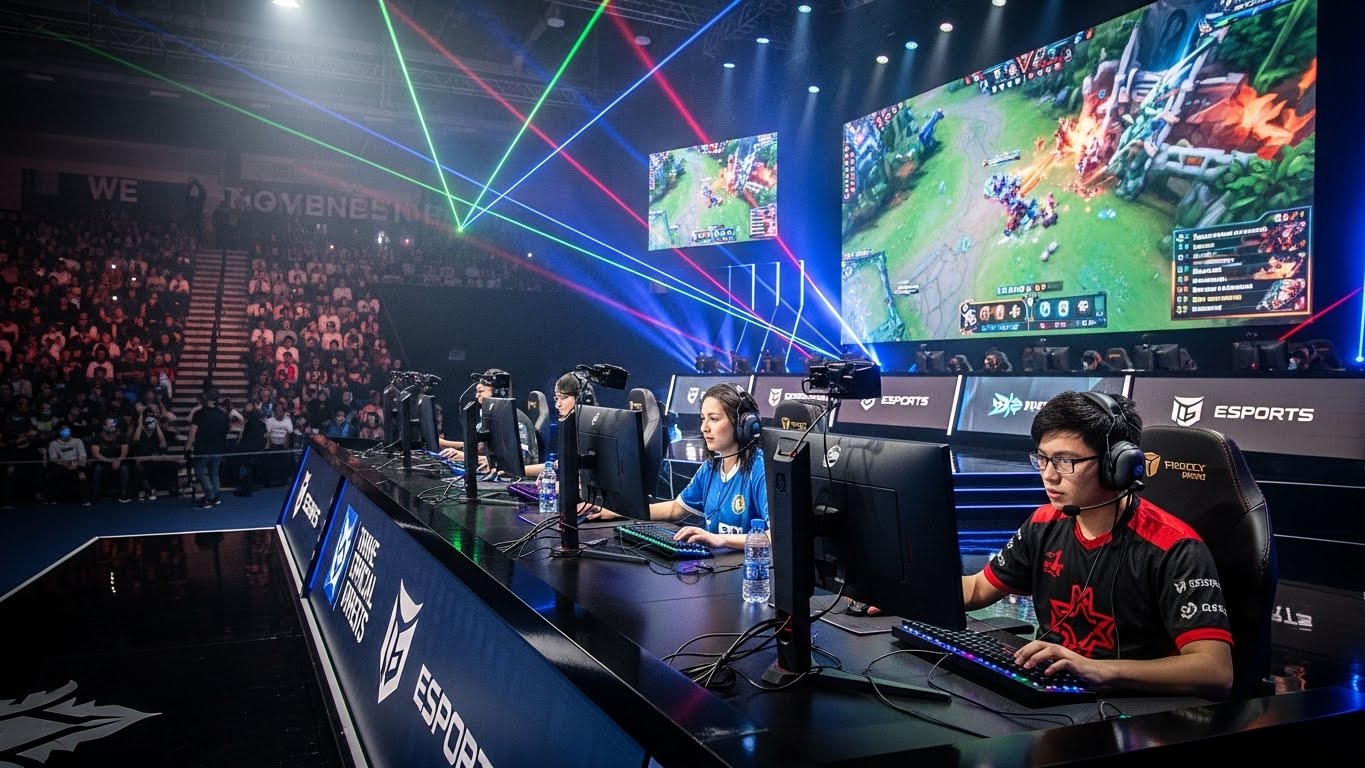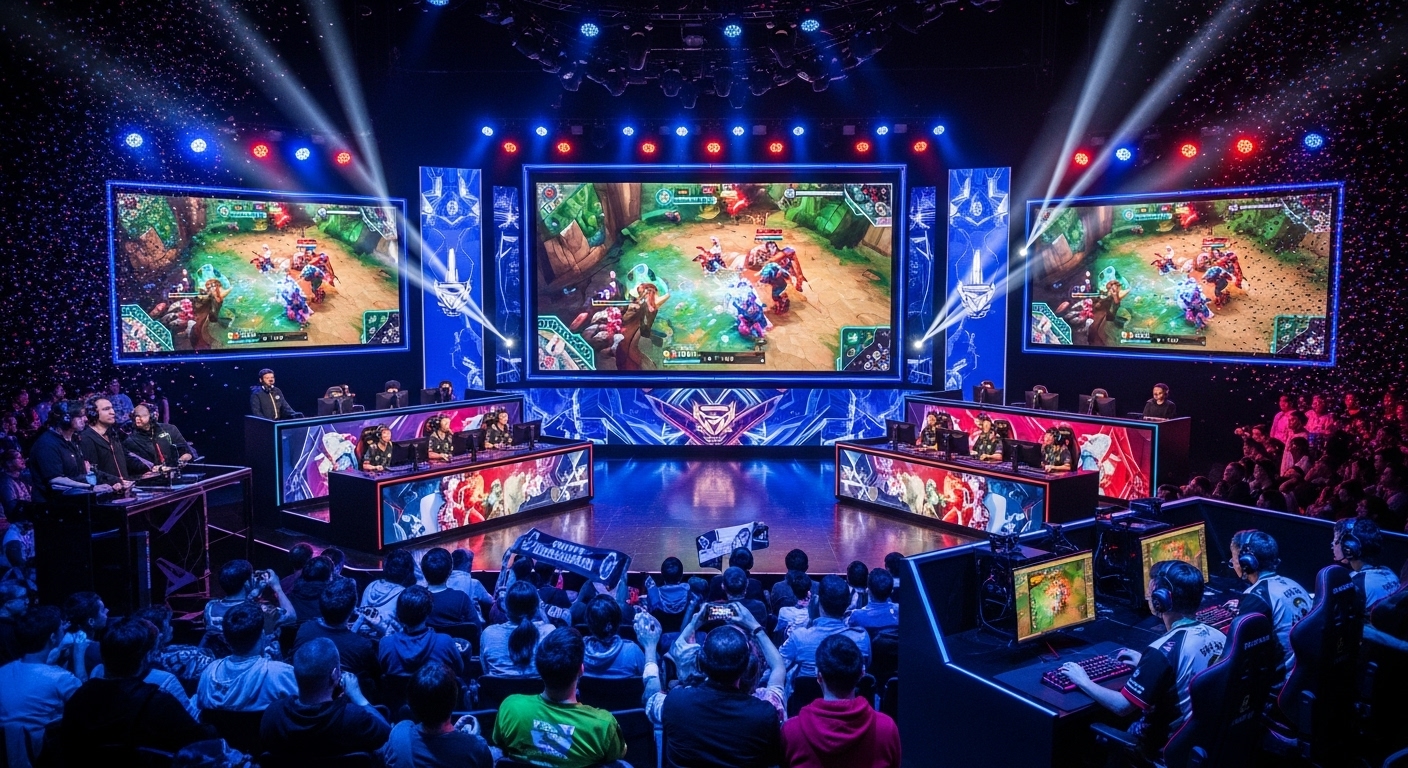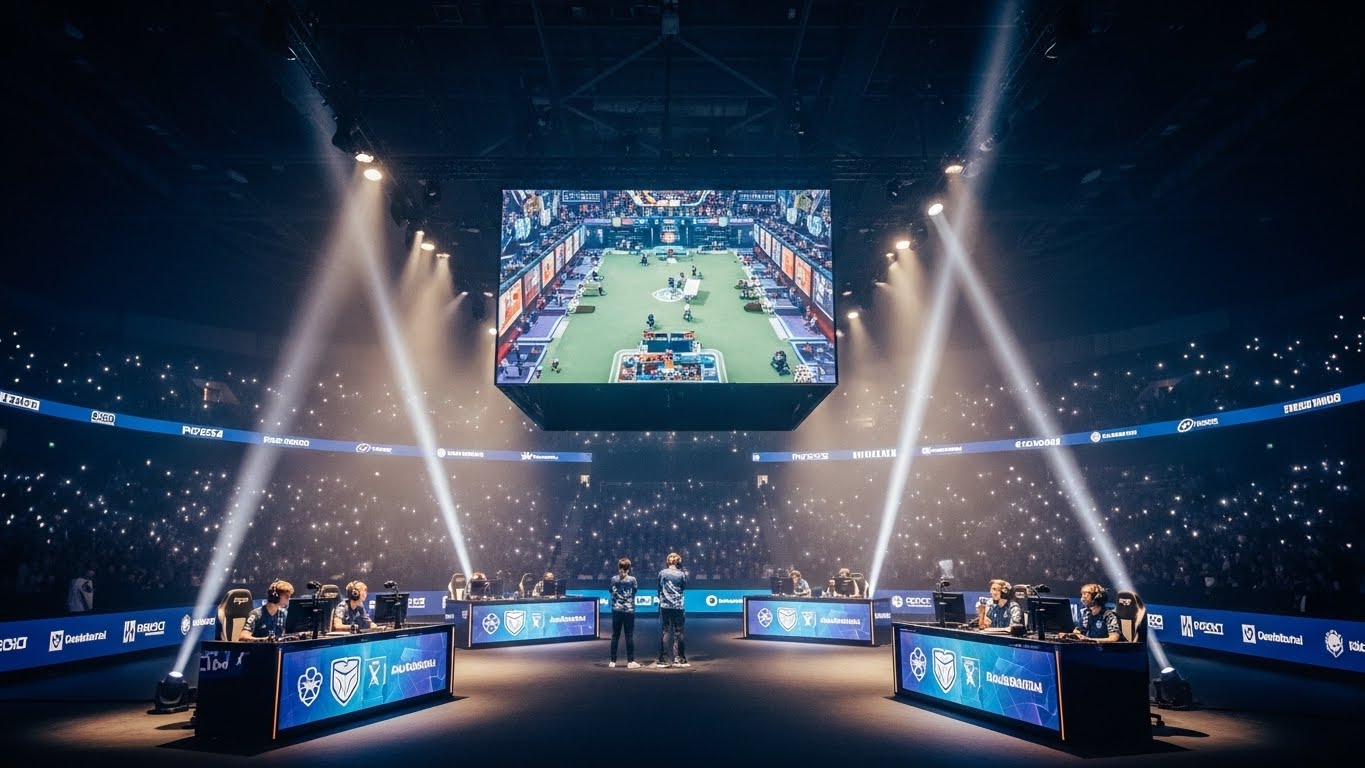
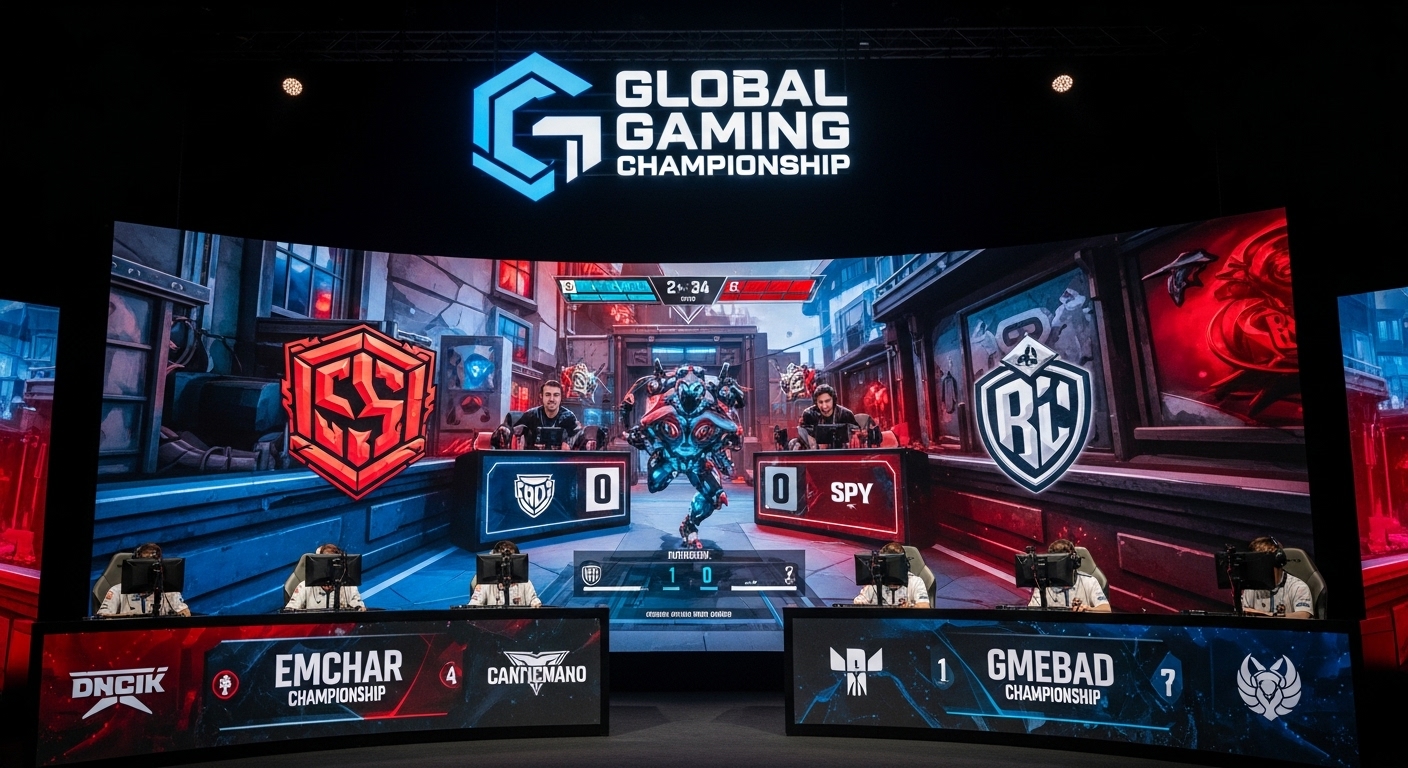
In the past few decades, gaming has evolved from a casual pastime to a multi-billion-dollar industry. At the heart of this evolution lies esports — competitive gaming that has captivated millions of fans around the world. Esports, short for “electronic sports,” has grown from small LAN tournaments to massive international competitions that rival traditional sports in both viewership and revenue. In this blog post, we will explore the rise of esports, how it has transformed the gaming landscape, and what the future holds for this global phenomenon.
What Is Esports? A New Era of Competition
Esports refers to organized, multiplayer video game competitions, particularly between professional players, individually or as teams. Unlike casual gaming, where individuals play for leisure or self-improvement, esports is a highly competitive environment where players and teams compete for prize money, sponsorships, and the glory of being crowned champions. Esports spans a wide array of game genres, including first-person shooters (FPS), multiplayer online battle arenas (MOBA), real-time strategy (RTS), and sports simulation games.
Titles like League of Legends, Dota 2, Fortnite, Counter-Strike: Global Offensive, and Overwatch are some of the most popular games driving the esports industry today. These games attract a massive global audience, and the tournaments held around them draw millions of viewers both online and in person. Esports has transformed from an underground niche to a dominant force in entertainment, blurring the lines between gaming and traditional sports.
A Brief History of Esports: From Humble Beginnings to Global Domination
The origins of esports can be traced back to the 1970s and 1980s, when competitive video gaming was still in its infancy. The earliest forms of competition were simple arcade games where players battled for high scores. However, it wasn’t until the 1990s that multiplayer games became widely accessible, setting the stage for organized competitions. The rise of LAN (Local Area Network) parties allowed gamers to connect their computers and play together, often in competitive settings, though on a small scale.
In the late 1990s, games like Quake and StarCraft became central to the early esports scene, with tournaments starting to take shape. The launch of the World Cyber Games (WCG) in 2000 marked one of the first major international esports tournaments, drawing attention from players and fans around the world. Over the years, more games and tournaments were added to the mix, and esports began to gain real traction.
The 2000s also saw the rise of online streaming platforms, particularly Twitch (founded in 2011), which changed the way fans consumed esports content. Players, commentators, and organizations began streaming their games live, creating a global community that could engage in real-time. Esports began to grow rapidly, attracting significant investments from sponsors, advertisers, and media companies. Tournaments with large prize pools, such as The International in Dota 2, began offering millions of dollars in prize money, further legitimizing esports as a professional sport.
The Structure of Esports: How It All Works
Esports competitions are structured much like traditional sports leagues, with professional players and teams competing in regional leagues and international tournaments. Each esports game has its own set of rules and formats, but the general structure involves regular seasons, followed by playoffs, and ultimately, a grand championship event.
For instance, League of Legends operates through a system of regional leagues, such as the North American League of Legends Championship Series (NALCS) and the European League of Legends Championship Series (LEC). Teams in these leagues compete in a series of regular-season matches, and the best-performing teams qualify for the playoffs. The playoffs culminate in the League of Legends World Championship, which attracts millions of viewers worldwide. Other games, such as Overwatch and CS:GO, follow similar formats with major international tournaments.
Esports tournaments can range from small local events to large-scale international competitions, such as The International in Dota 2 and The Fortnite World Cup. These events attract top-tier players and teams who compete for substantial cash prizes and recognition in the global esports community. The prize pools for these events can be enormous, sometimes reaching tens of millions of dollars. The level of competition in these tournaments is fierce, with players and teams putting in countless hours of practice to hone their skills.
The Business of Esports: Sponsorships, Media, and Revenue Streams
One of the key drivers of the esports industry is its commercial potential. Esports has quickly become a lucrative business, with revenue coming from multiple sources, including sponsorships, advertising, media rights, merchandise, and ticket sales. Major brands from various sectors, including technology, apparel, energy drinks, and automobiles, have invested heavily in esports sponsorships, seeing it as a way to connect with the coveted millennial and Gen Z demographics.
Sponsorship deals are a major revenue stream for esports teams and organizations. Companies sponsor teams, events, and players in exchange for branding and advertising opportunities. For example, a team might wear jerseys branded with a sponsor’s logo, or an esports tournament might be named after a sponsor. These deals are highly lucrative and have become a critical part of esports’ financial ecosystem.
Media rights are another growing source of revenue for esports. Platforms like Twitch and YouTube Gaming have become the primary broadcasters for esports events, drawing in millions of viewers. In addition to streaming platforms, esports tournaments are now being broadcast on television in some regions, further increasing the exposure of the industry. This shift to mainstream media has opened up new opportunities for advertisers and sponsors to reach a wider audience.
Merchandise is also a significant contributor to esports’ financial success. Fans of esports teams and players buy jerseys, hats, posters, and other merchandise to show their support. Some teams even have online stores where fans can purchase exclusive gear. These products help to generate additional income for teams and provide a way for fans to connect with their favorite players and organizations.
The Social and Cultural Impact of Esports
Esports is more than just a form of entertainment; it has become a global social and cultural movement. The rise of esports has connected people from all corners of the world, creating a vibrant community of gamers and fans. Whether through online streaming, social media, or live events, esports has fostered a sense of belonging for millions of people who share a love for gaming and competition.
The accessibility of esports has also been a key factor in its cultural impact. Unlike traditional sports, which often require physical skills or access to expensive equipment, esports only requires a computer or console and an internet connection. This has allowed people from all walks of life to participate in and follow esports, regardless of their background or location. Esports is truly a global phenomenon, with major tournaments being held in cities around the world and millions of viewers tuning in from different countries.
Esports has also broken down many barriers, providing opportunities for women, minorities, and marginalized groups to participate and excel in competitive gaming. Although esports has historically been male-dominated, efforts are being made to create more inclusive environments and support women and other underrepresented groups in gaming.
The cultural significance of esports can also be seen in its influence on traditional sports. Many professional sports teams, including those in the NBA and NFL, have begun to invest in esports. Teams have launched their own esports organizations, creating a bridge between the worlds of traditional and competitive gaming. Additionally, esports athletes are now recognized as celebrities, with some gaining as much fame as professional athletes in traditional sports.
The Challenges Facing Esports
While esports has made tremendous strides in recent years, there are still several challenges that need to be addressed. One of the biggest concerns is player burnout. Professional esports players often face intense pressure to perform, with grueling training schedules and long hours of practice. This can lead to physical and mental exhaustion, affecting their performance and well-being. Esports organizations and sponsors are beginning to recognize the importance of player health and are investing in resources to support players’ mental and physical health.
Another challenge is the issue of cheating and match-fixing. As the stakes in esports rise, so does the temptation for some players to cheat or manipulate results for financial gain. While many esports organizations have implemented anti-cheating measures, this remains an ongoing issue that needs to be addressed to maintain the integrity of competitive gaming.
The lack of universal governance and regulation across different esports titles is another obstacle. Each game has its own set of rules, tournament structures, and eligibility requirements, which can make it difficult to create a cohesive, unified esports ecosystem. Efforts to standardize rules and regulations are ongoing, but achieving consensus across the industry will take time.
The Future of Esports: Endless Possibilities
The future of esports looks incredibly bright, with continued growth and innovation on the horizon. New technologies, such as virtual reality (VR) and cloud gaming, have the potential to revolutionize the way people play and watch esports. VR will create more immersive experiences for players and viewers, while cloud gaming will make high-quality esports content accessible to a wider audience.
As esports continues to evolve, we can expect to see even more integration with traditional sports. Hybrid events, where esports and physical sports are combined, may become more common. Furthermore, esports will continue to expand into new regions, particularly in Asia and Latin America, where gaming cultures are thriving.
Esports will also continue to attract more mainstream attention, with more media outlets, sponsors, and investors getting involved. The lines between gaming and traditional entertainment are becoming increasingly blurred, and esports is poised to become a permanent fixture in the entertainment landscape.