Introduction
Esports, or competitive gaming, has grown from a niche pastime into a global phenomenon that attracts millions of players, viewers, and investors. What began as casual competitions among friends or local arcades has transformed into a professional industry with organized leagues, international tournaments, and massive audiences. Beyond entertainment, esports is reshaping how people perceive skill, teamwork, strategy, and digital culture. It has become a legitimate career path, a platform for creativity, and a cultural force that transcends traditional gaming.
The Early Days of Competitive Gaming
The roots of esports can be traced back to the late 1970s and 1980s when arcade games such as Space Invaders and Pac-Man inspired local competitions. Players would gather in arcades or schools to challenge each other, often for bragging rights or small prizes. The real expansion came in the 1990s with the advent of networked computers and online multiplayer games. Titles like Quake, StarCraft, and Counter-Strike allowed players to compete over the internet, fostering early competitive communities and formal tournaments.
These early competitions demonstrated that gaming could be more than entertainment—it could be a shared experience that encourages skill, strategy, and collaboration. The foundation laid by these pioneering events set the stage for the professional esports industry that exists today.
Professionalization of Esports
Esports has evolved into a professional arena where players can pursue careers similar to traditional athletes. Teams now employ managers, coaches, analysts, and support staff to optimize performance. Players dedicate hours every day to practice, strategy discussions, physical conditioning, and mental preparation. Major tournaments offer multi-million-dollar prize pools, sponsorship deals, and global recognition, transforming gaming into a viable career path.
This professionalization has helped esports gain legitimacy. Once dismissed as a hobby, competitive gaming is now recognized as a serious discipline requiring dedication, skill, and teamwork. It is no longer just about playing games—it is about performance, preparation, and personal development.
Popular Esports Titles
Esports spans a wide range of genres, including first-person shooters, real-time strategy games, multiplayer online battle arenas, and fighting games. Some of the most popular titles include League of Legends, Dota 2, Fortnite, Counter-Strike: Global Offensive, and Overwatch. Each game has unique mechanics, competitive formats, and community cultures, creating diverse ecosystems within the broader esports industry.
League of Legends emphasizes strategic teamwork and long-term planning, while Dota 2 is known for its complex mechanics and high skill ceiling. First-person shooters like Counter-Strike demand precision, reflexes, and split-second decision-making. Battle royale games such as Fortnite combine strategy, speed, and creativity. This diversity allows esports to appeal to a wide audience and keeps the industry dynamic and innovative.
The Role of Streaming Platforms
Streaming platforms have been instrumental in the growth of esports. Platforms such as Twitch and YouTube Gaming allow fans to watch live competitions, follow their favorite players, and engage with the community. These platforms transform spectators into active participants, providing chat features, interactive polls, and fan-driven content.
Streamers and content creators bridge the gap between professional esports and casual gaming, making competitions accessible and entertaining. Their influence helps grow audiences, build communities, and create a culture around competitive gaming that extends beyond the matches themselves.
Global Reach of Esports
Esports is a global phenomenon. South Korea and China were early adopters, with professional leagues and national support for competitive gaming. North America and Europe have followed, establishing professional leagues and international tournaments. More recently, Latin America, Southeast Asia, and the Middle East have seen rapid growth, contributing unique strategies, teams, and communities to the esports landscape.
International tournaments, such as the League of Legends World Championship and The International for Dota 2, attract millions of viewers worldwide, demonstrating esports’ global appeal. Players from different regions bring distinct playstyles, cultural influences, and strategies, enriching the competitive scene and fostering international engagement.
Social and Cultural Impact
Esports has a profound impact on culture and society. Professional players are seen as role models, inspiring fans with their skill, dedication, and perseverance. Competitive gaming also fosters social interaction, with online communities providing spaces for friendship, collaboration, and shared experiences.
Beyond entertainment, esports has educational and developmental value. Many universities and schools now offer esports programs, scholarships, and organized teams. Students gain valuable skills such as teamwork, strategic thinking, problem-solving, and leadership. Esports is changing the perception of gaming, highlighting its potential for personal growth and societal impact.
Training and Discipline in Esports
Competitive gaming requires intense focus, dedication, and discipline. Professional players follow strict training schedules that include gameplay practice, strategy analysis, physical fitness, and mental conditioning. Reflexes, decision-making, communication, and adaptability are essential skills for success.
Teams employ coaches, analysts, and psychologists to optimize performance and ensure player well-being. This emphasis on training and discipline demonstrates that esports is not a casual pastime but a profession that demands the same commitment and preparation as traditional sports.
Esports Tournaments: The Spectacle of Competition
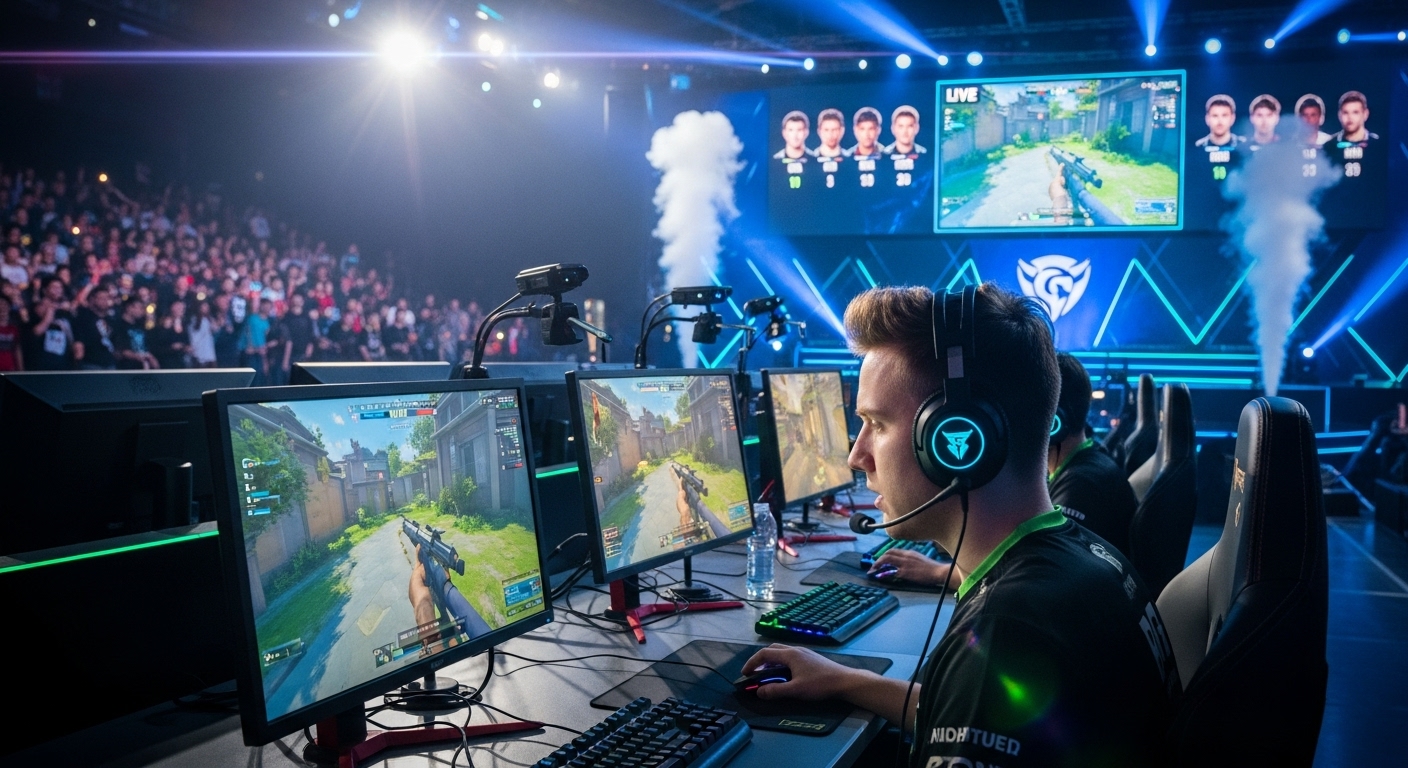
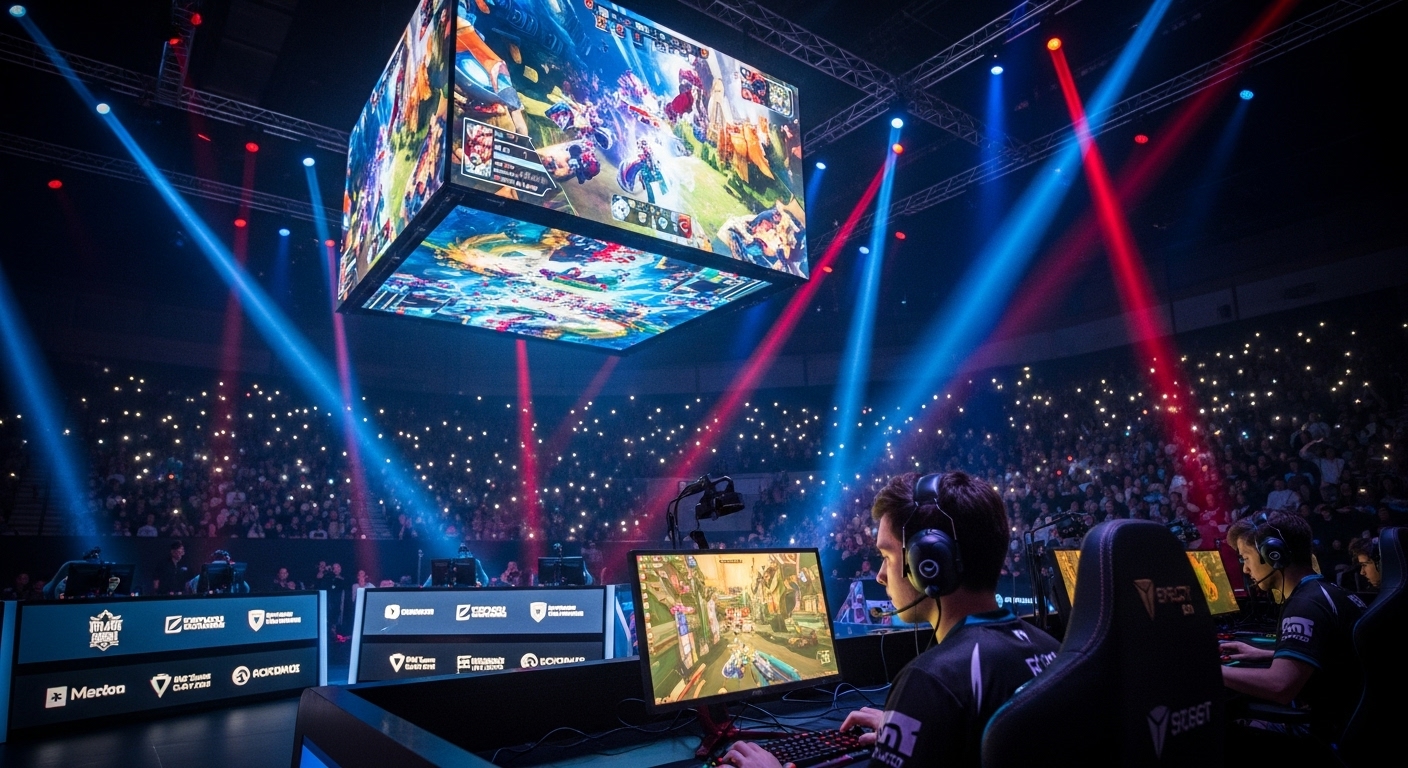
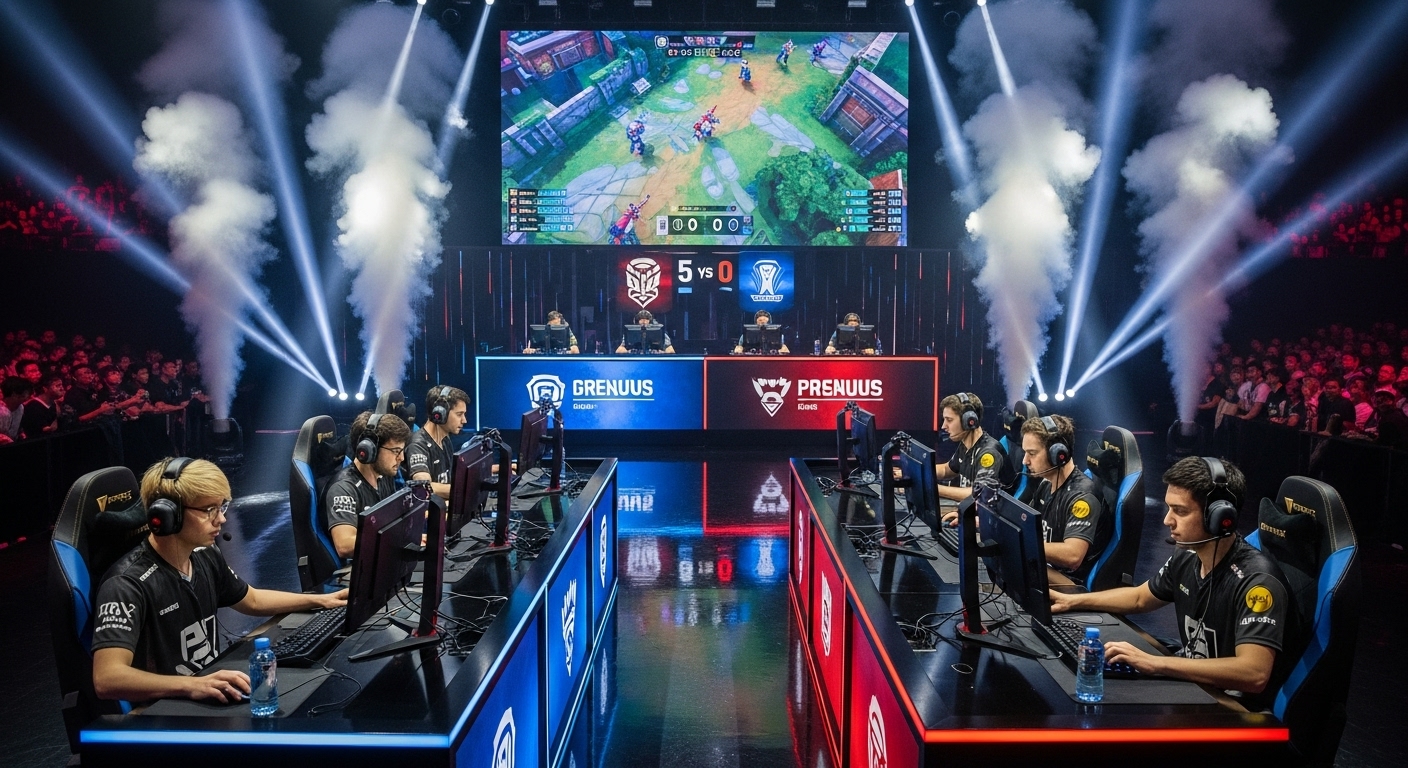
Tournaments are the core of esports, providing players with opportunities to showcase their skills and fans with thrilling spectacles. Major competitions draw live audiences and millions of online viewers. These events are meticulously organized, blending live commentary, in-depth analysis, interactive features, and high-quality production values.
Tournaments create storylines, rivalries, and memorable moments that captivate audiences. They are not just competitions; they are entertainment experiences that rival traditional sporting events in scale, excitement, and fan engagement.
Economic Impact of Esports
Esports is a rapidly growing industry with significant economic influence. Revenue streams include sponsorships, advertising, merchandise, ticket sales, and digital content monetization. Major brands recognize esports as a way to reach younger, digitally native audiences.
Beyond the players, esports creates employment opportunities in coaching, event organization, marketing, production, and analysis. The economic impact of esports highlights its legitimacy as an industry and its potential for continued growth and innovation.
Challenges in the Esports Industry
Despite its growth, esports faces several challenges. Player burnout, mental health issues, online harassment, and cheating are significant concerns. Teams and organizers are increasingly implementing wellness programs, ethical guidelines, and anti-cheating measures to address these issues.
Additionally, the diversity of games, leagues, and governing bodies makes standardization difficult. Establishing consistent rules, fair competition practices, and global recognition remains an ongoing challenge. Addressing these issues is essential for the sustainable growth of esports as a professional and cultural phenomenon.
The Future of Esports
The future of esports is full of innovation and potential. Emerging technologies such as virtual reality, augmented reality, and cloud gaming will create new ways for players to compete and for fans to engage with competitions. Artificial intelligence will enhance training, strategy development, and adaptive gameplay, allowing players to push the boundaries of performance.
Esports will continue to integrate with mainstream entertainment, social media, and education, further solidifying its role in global culture. As accessibility improves and recognition grows, esports is likely to influence broader aspects of society, from entertainment and technology to education and professional careers.
Conclusion
Esports has evolved from casual gaming competitions into a global, professional, and cultural phenomenon. It combines skill, strategy, teamwork, and entertainment in ways that rival traditional sports. Professional players are athletes, tournaments are spectacles, and fans are participants in a shared digital culture.
The rise of esports reflects the growing influence of technology, global connectivity, and interactive entertainment. It is no longer just a hobby; it is a legitimate career path, a form of social engagement, and a cultural movement. Esports has proven that competitive gaming is more than entertainment—it is a global arena where talent, strategy, and passion converge, shaping the future of competition and digital culture for generations to come.
Esports is a journey into a digital frontier where players and fans alike are part of a constantly evolving spectacle. Its continued growth promises to redefine competition, entertainment, and community in the modern world.