Introduction: The New Age of Competitive Gaming
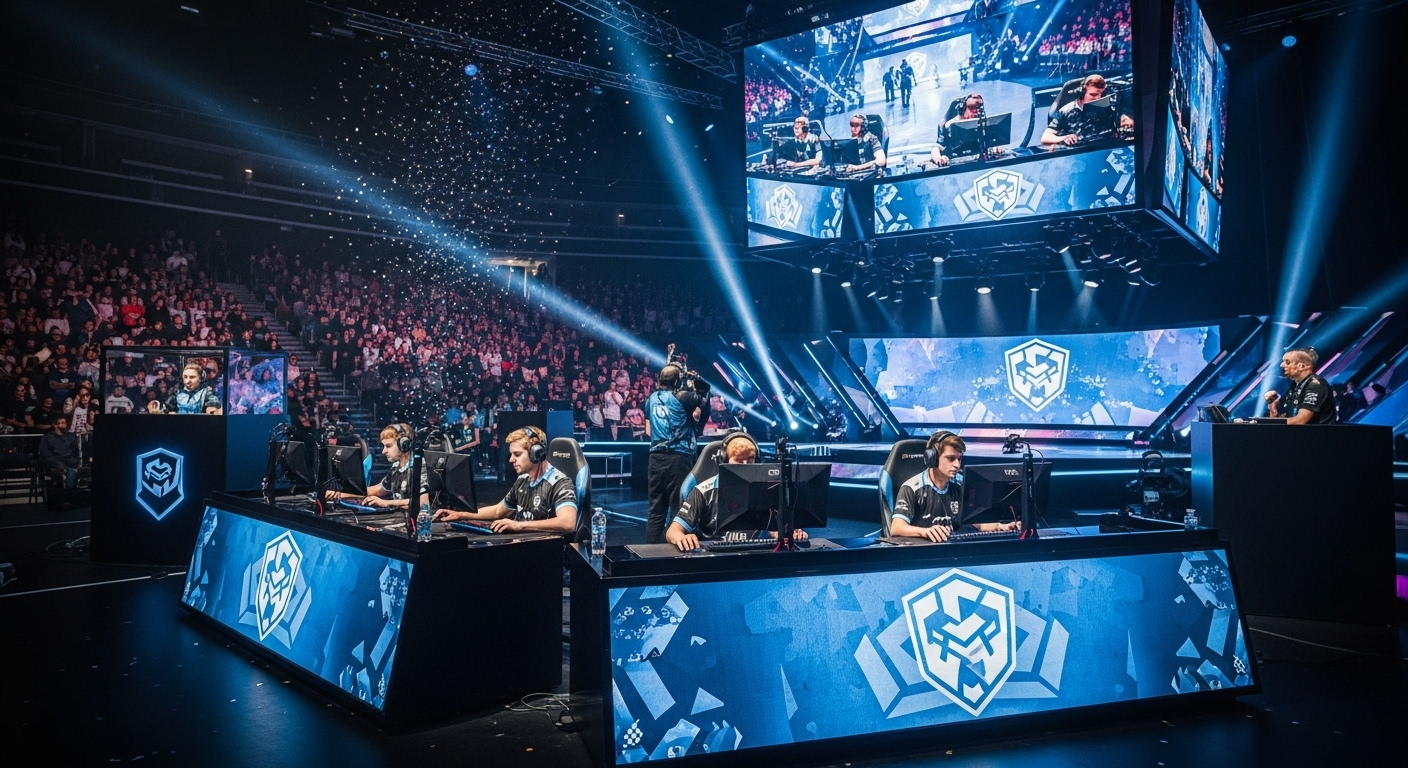
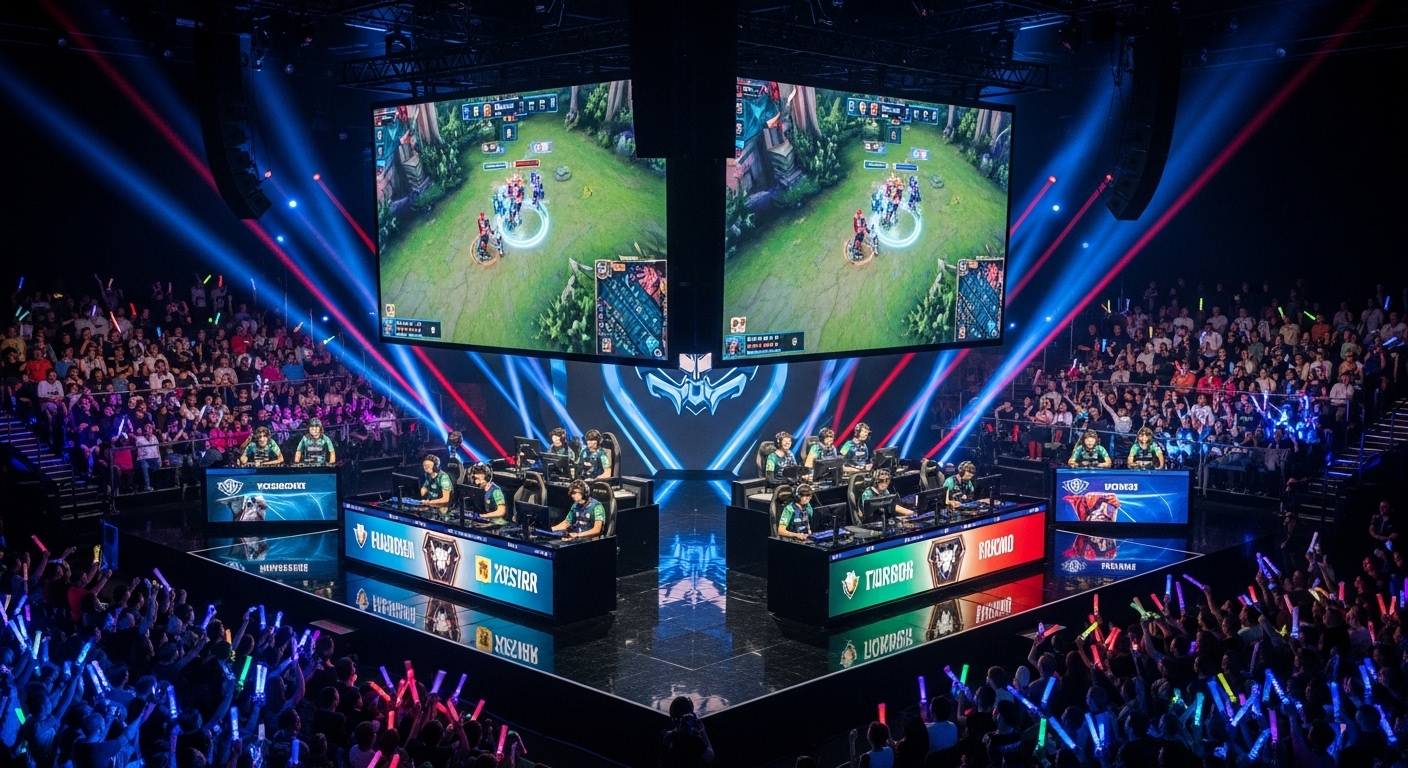
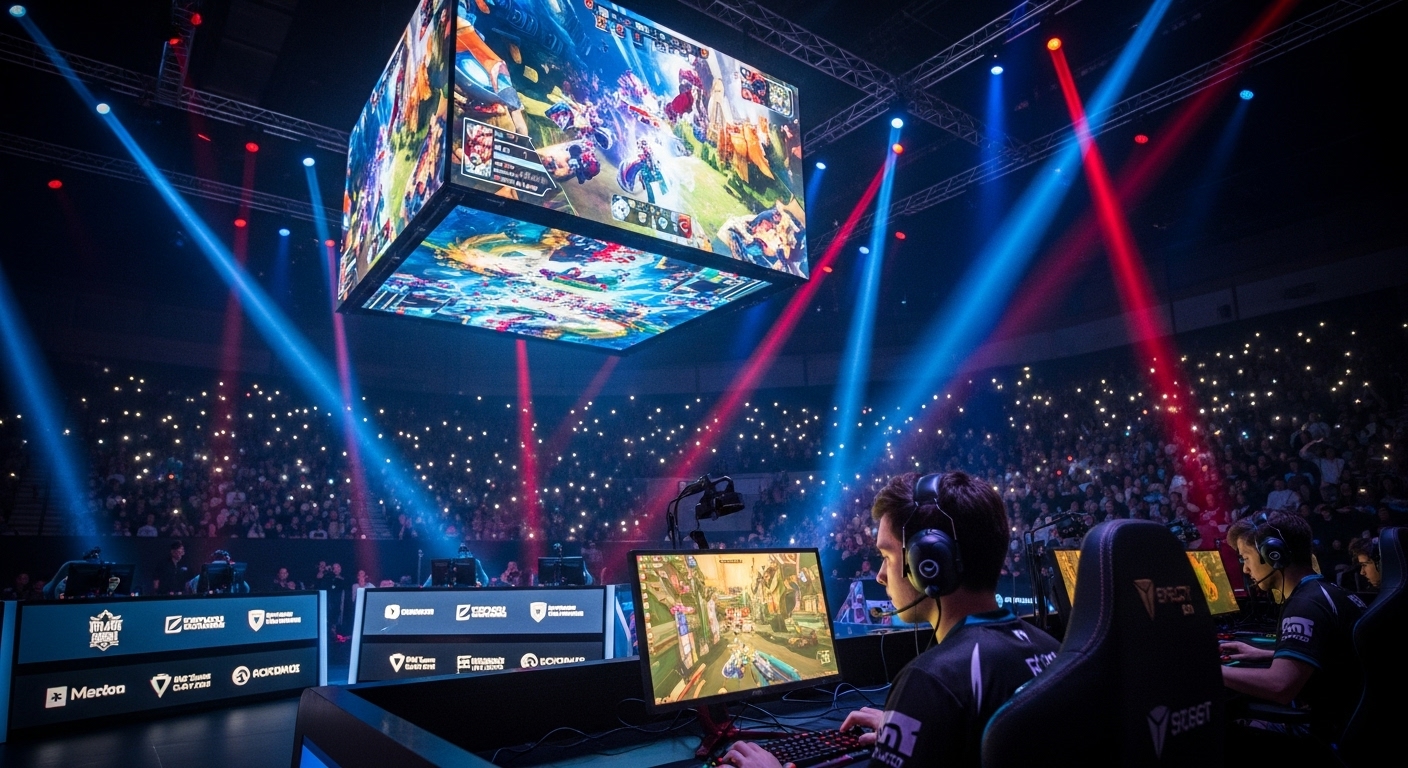
In the past few decades, the world has witnessed the rise of a new form of competition that blends technology, entertainment, and skill — Esports. What was once seen as a casual pastime for teenagers has evolved into a multi-billion-dollar global industry that rivals traditional sports in popularity, audience size, and revenue. Esports, short for electronic sports, refers to organized competitive gaming where individuals or teams face off in video games at professional levels. These competitions are not just friendly matches played in basements or local internet cafés anymore; they are massive events hosted in arenas, streamed to millions of viewers online, and supported by professional organizations, sponsors, and dedicated fan bases.
The journey of Esports is one of technological innovation, community building, and cultural change. It has transformed gaming from an isolated activity into a celebrated form of entertainment and athleticism. In this blog, we’ll explore the history, growth, culture, and future of Esports, as well as its impact on society, economy, and education.
The Origins of Esports
The roots of Esports can be traced back to the early 1970s when video games were still in their infancy. The first known video game competition took place in 1972 at Stanford University, where players competed in a game called Spacewar!. The prize was not a trophy or a cash award but a year’s subscription to Rolling Stone magazine. Despite its simplicity, this event marked the beginning of organized gaming competitions.
As video games became more accessible in the 1980s, arcades became social centers for competition. Games like Pac-Man, Donkey Kong, and Street Fighter sparked the first waves of competitive gaming. Players would challenge each other for high scores, and local tournaments began to take shape. In 1981, the organization Twin Galaxies was founded to record and verify world records in video games, legitimizing competition on a global scale.
By the 1990s, the rise of personal computers and gaming consoles expanded the competitive scene. Titles like Doom, Quake, and StarCraft gave players the chance to compete online through local area networks (LANs). These early tournaments laid the foundation for the Esports we know today, with structured rules, sponsors, and dedicated fan communities.
The Growth of Esports in the 2000s
The 2000s marked a turning point in Esports history. The rise of broadband internet, online gaming platforms, and streaming technology allowed competitions to reach wider audiences. South Korea became the birthplace of professional Esports culture. Games like StarCraft: Brood War became national obsessions, with players achieving celebrity status. The Korean e-Sports Association (KeSPA) was founded in 2000 to regulate competitions and support professional players, creating a model that many other countries would later follow.
Western countries soon caught up. The Cyberathlete Professional League (CPL), Major League Gaming (MLG), and Electronic Sports World Cup (ESWC) brought structure and prestige to the growing competitive scene. Games like Counter-Strike, Warcraft III, and Halo built international followings. Esports was no longer an underground movement; it was becoming a mainstream spectacle.
By the late 2000s, streaming services began to change how fans consumed Esports. Platforms like Justin.tv (which later became Twitch) and YouTube allowed millions to watch live tournaments, creating a new kind of digital entertainment industry. For the first time, anyone could tune in to watch professionals compete from anywhere in the world.
The Modern Era: Esports Goes Mainstream
The 2010s marked the era of explosive growth. With social media, improved technology, and widespread internet access, Esports transcended its niche origins and entered the mainstream consciousness. Global tournaments filled entire stadiums, and professional gamers became influencers with massive fanbases.
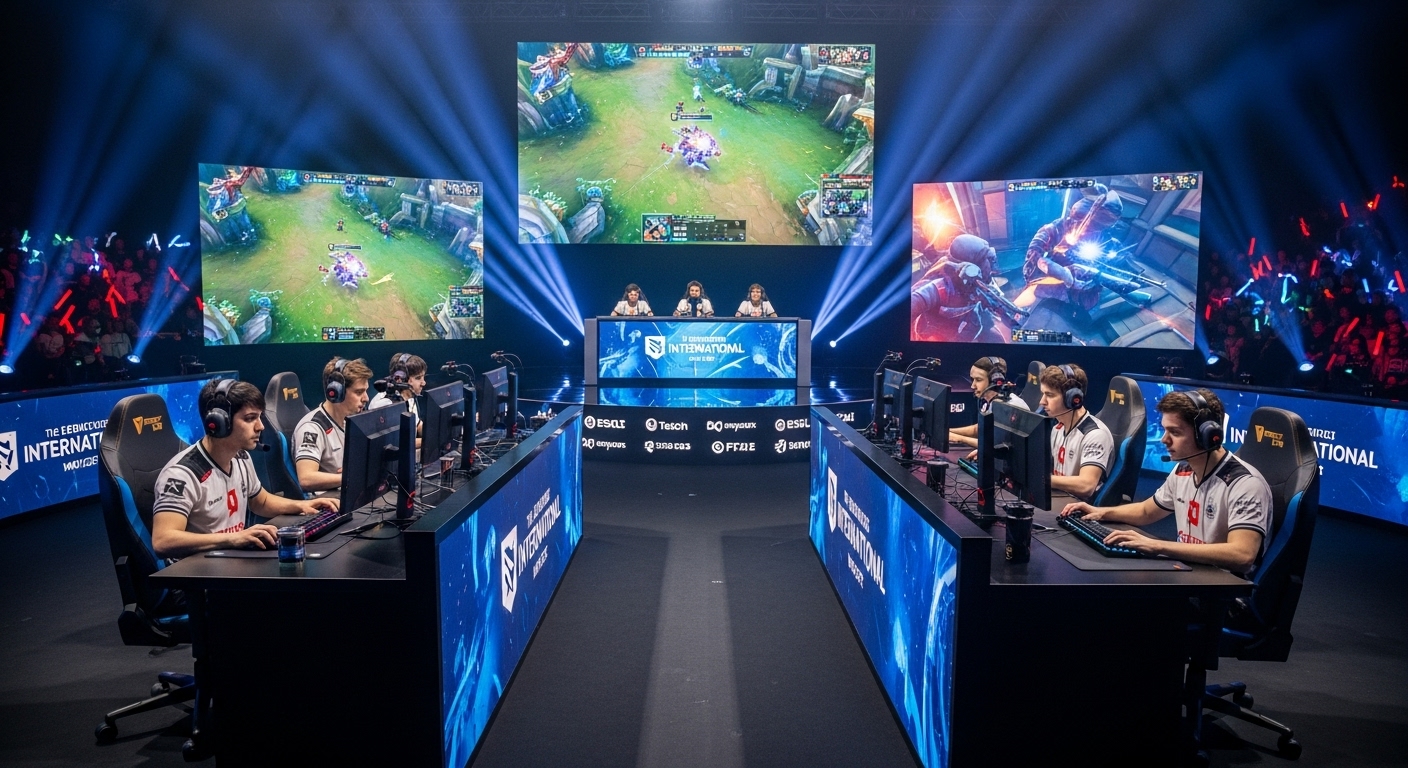
Titles like League of Legends, Dota 2, Counter-Strike: Global Offensive, Overwatch, and Fortnite defined the decade. The League of Legends World Championship began attracting millions of viewers annually, with production values rivaling the Olympics or the Super Bowl. Similarly, Dota 2’s The International became famous for its record-breaking prize pools, funded by in-game purchases from the community.
What set modern Esports apart was not just the scale, but also the professionalism. Teams were organized like traditional sports franchises, with managers, coaches, analysts, and training facilities. Players signed contracts, earned salaries, and represented brands in front of global audiences. Sponsorships from major corporations — such as car manufacturers, tech giants, and even food and beverage companies — flooded into the industry, legitimizing it as a serious business venture.
The Culture of Esports
Esports culture is a fascinating blend of gaming passion, internet creativity, and global community. Fans from around the world gather online to cheer for their favorite players and teams, often forming lifelong friendships in the process. The culture thrives on digital communication — forums, Discord servers, Reddit threads, and social media platforms are the lifeblood of Esports communities.
At its heart, Esports culture is about connection and belonging. Unlike traditional sports, which are often limited by geography or physical ability, Esports is open to anyone with access to a computer or console. It brings together people of all ages, genders, and backgrounds who share a love for competition and creativity.
Esports has also given rise to a new kind of celebrity. Professional players, streamers, and content creators have become influential figures in the digital landscape. Many of them are role models for younger audiences, promoting hard work, teamwork, and perseverance. At the same time, they face the pressures of constant public attention, online criticism, and the challenges of balancing fame with personal well-being.
The Esports Economy
The economic impact of Esports cannot be overstated. The global Esports market has grown from a small niche industry to a billion-dollar powerhouse. Revenue streams come from sponsorships, advertising, media rights, merchandise, and ticket sales. Companies are investing heavily in infrastructure, such as Esports arenas, gaming houses, and training facilities.
Prize money has also skyrocketed. Dota 2’s The International has offered prize pools exceeding tens of millions of dollars, while leagues like the Overwatch League and Call of Duty League have introduced franchise systems similar to the NBA or NFL. This has created stable ecosystems for players and organizations to grow sustainably.
Esports is also creating job opportunities beyond the players themselves. Event organizers, commentators (known as casters), analysts, marketers, and production crews are all part of this expanding industry. Universities and high schools have even started offering Esports programs, scholarships, and degrees in related fields like game design, digital marketing, and sports management.
Technology’s Role in Esports Evolution
Technology has been the backbone of Esports from the very beginning. Advances in hardware, software, and internet connectivity have continuously pushed the boundaries of what’s possible. Modern gaming PCs and consoles provide stunning graphics and ultra-fast performance, allowing players to compete at the highest levels without technical limitations.
Streaming technology has arguably been the most transformative innovation. Platforms such as Twitch, YouTube Gaming, and Facebook Gaming have allowed Esports to reach global audiences instantly. Fans can interact with players, participate in live chats, and even support their favorite creators through donations and subscriptions.
Virtual Reality (VR) and Augmented Reality (AR) are also shaping the next generation of Esports experiences. Developers are experimenting with immersive games that allow spectators to feel like they’re inside the action. Meanwhile, Artificial Intelligence (AI) and data analytics are helping teams analyze performance, predict outcomes, and improve training efficiency.
The Role of Community and Fans
No Esports event would be complete without its passionate fanbase. Fans are the heartbeat of the industry, driving engagement, hype, and loyalty. Online fan communities organize watch parties, create memes, and discuss match strategies. In many cases, these communities are more active than those in traditional sports because of the constant accessibility of players and creators online.
Fan-driven content is another unique feature of Esports. From highlight reels and memes to fan art and cosplay, the culture surrounding Esports is incredibly creative. This community-generated content fuels the ecosystem, keeping it vibrant and constantly evolving.
Fans also play a financial role. Through crowdfunding, merchandise purchases, and subscriptions, they directly support their favorite teams and events. This level of interaction creates a personal bond between fans and players that is rare in other entertainment industries.
Challenges in the Esports Industry
Despite its success, Esports faces several challenges. One of the most significant is the issue of player health and well-being. Professional gamers often train for long hours, leading to burnout, eye strain, and repetitive strain injuries. The pressure to perform at high levels can also lead to mental health challenges, such as anxiety and depression.
Another challenge is sustainability. The industry’s rapid growth has led to inflated expectations and financial instability for some organizations. Not all Esports titles maintain popularity over time, and shifts in player interest can drastically affect teams and leagues.
Regulation is another major concern. Unlike traditional sports, which have standardized governing bodies, Esports is fragmented across different games, developers, and regions. This makes it difficult to establish consistent rules regarding contracts, player rights, or anti-doping measures.
Toxicity and cheating also remain persistent problems. Online anonymity can lead to negative behavior among players and fans, while hackers and cheaters threaten the integrity of competition. Developers and organizers are working to combat these issues through moderation tools, stricter policies, and better community education.
Esports in Education and Career Development
Esports is increasingly being recognized for its educational and developmental potential. Many schools and universities now offer Esports programs that teach not only gaming skills but also teamwork, communication, leadership, and strategic thinking. Students learn to manage time, handle pressure, and collaborate effectively — skills that are valuable far beyond gaming.
In addition to academic programs, Esports opens pathways to various careers. Not everyone in the industry needs to be a player. Roles in game development, event management, broadcasting, marketing, and content creation are all part of the ecosystem. As the industry matures, it continues to create opportunities for young people to turn their passion into a profession.
The Global Impact of Esports
Esports is a truly global phenomenon. It transcends language, culture, and geography. Major tournaments feature players from Asia, Europe, North America, and beyond. The international nature of Esports has fostered cultural exchange and understanding among young people worldwide.
Countries are starting to recognize the potential of Esports as a driver of innovation and national pride. Governments are investing in Esports infrastructure, supporting local teams, and hosting major international events to attract tourism and investment. In some countries, professional Esports athletes even receive visas similar to those granted to traditional sports players.
The Future of Esports
The future of Esports looks incredibly promising. With continuous technological advancements, growing global audiences, and increasing investment, the industry shows no signs of slowing down. Mobile Esports, in particular, is expanding rapidly, especially in regions like Southeast Asia, India, and Latin America, where smartphones are more accessible than gaming PCs.
Virtual reality and cloud gaming are expected to redefine how games are played and experienced. As the lines between gaming, entertainment, and social media blur, Esports could become the central hub of digital culture.
Traditional sports organizations are also merging with Esports in interesting ways. Football clubs, basketball franchises, and other sports entities are creating their own Esports teams, bridging the gap between digital and physical competition. The Olympic Committee has even begun exploring the inclusion of Esports-related events, further legitimizing the industry’s role in global sports culture.
Conclusion: The Legacy of Esports
What started as small gatherings of passionate gamers has become one of the defining cultural movements of the 21st century. Esports represents the fusion of competition, creativity, and community in the digital age. It has given millions of people a new way to connect, compete, and express themselves.
The journey of Esports is far from over. As technology evolves and society continues to embrace digital entertainment, Esports will only grow stronger, more inclusive, and more influential. It stands as a testament to the power of human passion — proving that competition doesn’t always require a field or a ball, but rather, the will to master a craft and share it with the world.